
Main Courses
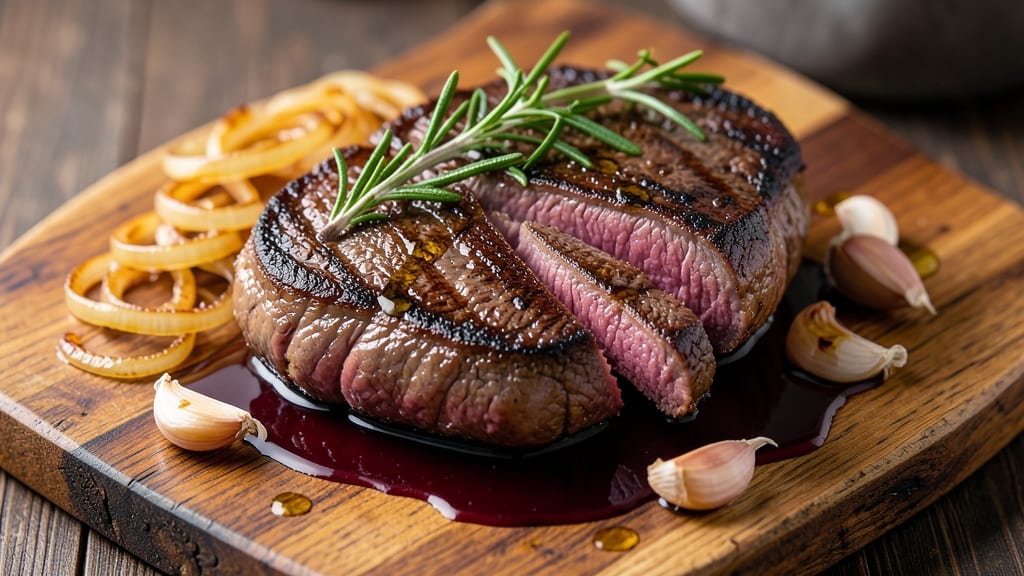
This Carrabba’s steak recipe brings their iconic restaurant-quality steak home, featuring a perfectly seared crust and caramelized onions bursting with Italian-American flavor. The secret lies in a precise marinade and high-heat searing technique that transforms even the toughest cuts into tender, juicy perfection.
After years of perfecting this dish, I've developed a method that captures the essence of Carrabba's kitchen—bold, savory, and impossible to resist.
The foundation of this recipe is a simple yet powerful marinade that tenderizes the steak while infusing it with garlic, rosemary, and red wine—classic Carrabba flavors that elevate every bite.
Pan-searing over high heat creates that coveted crust, while slow caramelization of onions transforms them into sweet, rich pools of flavor. What sets this apart is the balance: a crust that's crisp enough to stand up to the rich sauce, yet tender enough to melt in your mouth.
By the time you plate this dish, you'll have a restaurant-worthy steak with perfectly caramelized onions and a rich red wine reduction that ties everything together.
The aroma alone will have everyone gathering at the table, and the first bite delivers that satisfying combination of textures and flavors that makes Carrabba's steak legendary. This is the kind of meal that transforms an ordinary dinner into something truly special.
Serve with garlic bread and roasted potatoes to complete the Italian-American experience, or pair with a simple green salad for a lighter option. The technique is straightforward, but the results are anything but basic—this is home cooking that rivals your favorite restaurant.
Let's get started on creating your signature steak night.
Ingredients for carrabba's steak
Bold flavors and simple ingredients transform any kitchen into Carrabba's.
| Ingredient | Amount | Notes |
|---|---|---|
| Ribeye Steak 🥩 | 1 ½ lb | 2-inch thick cut, bone-in preferred |
| Yellow Onions 🧅 | 2 whole | Thinly sliced for caramelization |
| Garlic Cloves 🧄 | 8 cloves | Minced for marinade and onions |
| Fresh Rosemary 🌿 | ¼ cup | Finely chopped, stems removed |
| Dry Red Wine 🍷 | ½ cup | Bold Cabernet Sauvignon preferred |
| Olive Oil 🫒 | ¼ cup | Extra-virgin for marinade |
| Salt 🧂 | 2 tsp | Diamond Crystal kosher preferred |
| Black Peppercorns 🌶️ | 1 ½ tsp | Freshly cracked, coarse grind |
| Unsalted Butter 🧈 | 4 tbsp | Cold for basting |
| Beef Broth 🍲 | ½ cup | Low-sodium preferred |
| Red Wine Vinegar 🍋 | 1 tbsp | For wine reduction |
| Fresh Thyme 🌿 | ⅛ cup | Leaves only, chopped |
| Balsamic Glaze 🍯 | 2 tbsp | For finishing touch |
The ribeye is non-negotiable here—bone-in for extra flavor, and 2-inch thick for perfect crust-to-tender ratio. Costco or Whole Foods have the best selection of dry-aged cuts, but any quality butcher will work. Look for marbling—those little white streaks of fat are what make steak juicy. Fresh rosemary and thyme should smell piney and vibrant, not musty. Trader Joe's sells great bundles, or grab from the grocery store's fresh herb section. For the wine, Cabernet Sauvignon is ideal—bold enough to stand up to the steak's richness. If you don't drink, use beef broth with a splash of balsamic.
No red wine? Substitute beef broth with 1 tbsp balsamic vinegar—it mimics the acidity perfectly. Fresh rosemary wilted? Dried at one-third the amount works in a pinch, but fresh is worth seeking out. The onions can be swapped for shallots if you prefer milder flavor, but yellow onions give that classic Carrabba sweetness. For the butter, European-style (like Plugrá) melts better than American butter—look for it near the imported cheeses. The beef broth should be low-sodium; Swanson or Pacific Foods are reliable brands. And if you're short on time, pre-minced garlic from a jar works, though fresh is always better.
Steak marinates best overnight, but 4 hours minimum works too. Store it in a sealed container in the fridge. The onions caramelize beautifully ahead—make them a day in advance and reheat gently. Butter and wine reduction keep for 3 days in the fridge, and the steak reheats wonderfully (though it's best fresh). Portion the balsamic glaze into tiny containers—it freezes perfectly for 6 months and adds a restaurant-worthy drizzle whenever you're ready to serve.
Why You'll Love This Recipe
- Here’s what sold me: a ribeye that tastes like it cost twice as much, thanks to the wine and rosemary transforming simple ingredients. Leftovers? Even better—the steak reheats beautifully, and the onions add a sweet, caramelized crunch the next day. It’s my go-to for stretching a nice cut without breaking the bank.
- One-Pan Magic: I swear by this recipe because it’s all about minimal cleanup—just sear the steak, toss in sliced onions and garlic, deglaze with wine, and let the rosemary work its magic. No chopping boards piled with scraps, no extra pots clinging to dried-on wine. That crispy onion caramel? It practically cleans itself.
- Wine-Infused Richness: Between us, the red wine isn’t just for flavor—it’s the secret sauce here. It cuts through the steak’s richness while adding this deep, earthy depth that makes every bite feel like a restaurant-worthy bite. Plus, the rosemary? It’s not overpowering; it just hints of piney freshness that ties everything together.
- Date Night or Tuesday: This steak is equally impressive whether you’re feeding a first date or a room full of hungry teenagers. Serve it with crusty bread to soak up the pan juices, or pair it with roasted potatoes for a hearty weeknight meal. No fuss, no stress—just reliable, satisfying food.
Step-by-step instructions for Carrabba's steak recipe
Here's how to recreate Carrabba's signature pan-seared ribeye with perfectly caramelized onions and a rich wine reduction.
Prepare the Ribeye and Season Generously
Remove the ribeye from the refrigerator and let it sit at room temperature for 30 minutes while you prepare everything else. This ensures even cooking throughout the thick cut. Pat the steak dry completely with paper towels—this step is critical for achieving that signature crust. Any moisture on the surface will prevent proper browning.
In a small bowl, combine the 2 teaspoons salt and 1.5 teaspoons black peppercorns (freshly cracked for maximum flavor). Rub this mixture all over the steak, pressing firmly so the seasoning adheres. Let it rest while you prepare the onions and aromatics. The salt will begin to penetrate the meat, enhancing both flavor and tenderness.
Caramelize the Onions and Aromatics
Heat 2 tablespoons olive oil in a large skillet over medium-low heat. Add the 2 whole yellow onions, sliced thinly into half-moons, and cook them slowly for 20-25 minutes until they turn a deep golden brown. Stir occasionally, but don't rush this process—patience is key to achieving that sweet, jammy texture Carrabba's is known for. You'll know they're ready when they're soft and almost syrupy.
During the last 5 minutes of caramelizing, add the 8 minced garlic cloves, 0.25 cup finely chopped fresh rosemary, and 0.125 cup chopped fresh thyme. Stir gently to combine with the onions. The garlic should become fragrant but not brown, and the herbs will infuse their aromatic oils into the mixture. Remove the onions from the skillet and set aside, leaving the rendered onion fat in the pan—this is pure flavor.
Sear the Ribeye to Perfection
Increase the heat to medium-high and add 2 tablespoons olive oil to the skillet with the onion fat. Place the ribeye in the pan and sear for 4-5 minutes per side for a 2-inch thick cut, until a deep golden-brown crust forms. Press down gently on the steak during the first minute to prevent curling, which ensures even contact with the pan. You'll smell that incredible Maillard reaction happening—this is where all the magic occurs.
When the steak reaches medium-rare (about 125-130°F internal temperature), remove it from the pan and let it rest on a warm plate. The residual heat will carry it to your desired doneness. Tent loosely with foil to keep it warm while you prepare the sauce.
Create the Wine Reduction Sauce
Return the skillet to medium heat and add 4 tablespoons cold unsalted butter, allowing it to melt slowly. Pour in the 0.5 cup dry red wine and scrape up any browned bits from the bottom of the pan with a wooden spoon—this is called deglazing, and it captures all the meaty flavors that have built up during searing.
Simmer the wine for 3-4 minutes until reduced by half, then add the 0.5 cup beef broth and 1 tablespoon red wine vinegar. Stir and let it reduce by another third, about 2-3 minutes. The sauce should coat the back of a spoon and have a syrupy consistency. If it's too thick, add a splash of water or broth to reach your desired texture. Season with a pinch of salt if needed.
Finish and Serve with Elegance
Return the ribeye to the skillet with the sauce and spoon the reduction generously over the top. Let it sit for 1 minute to absorb some of the sauce, then transfer the steak to a warm platter. Spoon the remaining sauce over the steak and arrange the caramelized onions around it. Drizzle with the 2 tablespoons balsamic glaze just before serving for that signature Carrabba's touch.
Slice the steak against the grain into ½-inch thick pieces and serve immediately. The result should be a perfectly seared crust, tender pink center, and a sauce that beautifully complements the rich, beefy flavors. Each bite should deliver that restaurant-quality experience you crave at home.
Pro Tips For Making Carrabba'S Steak
- SEAR THE STEAK HOT: High heat is non-negotiable for that deep crust—get your pan screaming before the steak hits it. I learned this the hard way after serving a steak that tasted more like a sad school lunch.
- CHOP ONIONS THIN: Slice those yellow onions paper-thin so they soften fast in the wine sauce without turning to mush. Thick slices? You’ll be waiting forever, and no one has that kind of patience.
- DON’T SKIP THE REST: Let the steak sit under foil for at least 5 minutes after cooking—this keeps it juicy. I know, I know, you want to cut into it immediately, but resist.
- USE DRY WINE: Cheap, oaky red wine works better than fancy stuff here—it needs to reduce fast for that rich sauce. Save the expensive bottle for when you’re actually drinking, not cooking.
Troubleshooting this dish
Undercooked Steak
If your steak feels too cool or doesn't reach the desired internal temperature, you likely pulled it too soon. Use a meat thermometer for accuracy—125-130°F for medium-rare, 135-140°F for medium. I recommend the ThermoWorks Smoke for precision.
If you don't have one, cut into the thickest part—the center should feel slightly springy for medium-rare. Let the steak rest for 5-10 minutes before slicing, as residual heat will carry it closer to your target temperature.
Overcooked Crust
A burnt crust happens when the pan isn't hot enough or the steak isn't dry. Pat the steak completely dry with paper towels before searing, and use a cast-iron skillet (like Lodge) for even heat distribution.
Heat the pan over medium-high heat until it's smoking hot before adding oil. If the crust burns, reduce heat slightly next time and sear for 3-4 minutes per side instead of 5.
Sauce Too Thin
If your wine reduction isn't thick enough, it likely didn't reduce long enough. Simmer the wine and broth until it coats the back of a spoon—this should take 5-7 minutes total.
For extra thickness, add 1 teaspoon cornstarch mixed with 1 tablespoon water and stir in during the final minute. I also recommend using dry red wine (like Cabernet Sauvignon) instead of sweet varieties, as they reduce better.
Onions Burned
Caramelizing onions requires patience—rushing leads to burnt edges. Cook them over medium-low heat and stir frequently to distribute heat evenly. If they darken too quickly, reduce the heat further or cover the pan with a lid to trap steam.
For extra insurance, add 1 tablespoon water during the last 5 minutes of cooking to steam them gently. The goal is sweet, jammy onions, not charred bits.
Steak Too Tough
Tough steak usually means the cut wasn't properly tenderized. For ribeye, a 2-inch thick cut is ideal—thinner cuts overcook faster. Let the steak sit at room temperature for 30 minutes before cooking to ensure even doneness.
If using a tougher cut like flank steak, marinate it for 4-6 hours with acid (like red wine or lemon juice) to break down fibers. Also, avoid overworking the meat when pressing it down in the pan.
Sauce Too Salty
If your reduction tastes overly salty, it's likely from the beef broth or added salt. Always use low-sodium broth (like Pacific Foods) and taste as you go. For balance, add a splash of red wine vinegar or a pinch of sugar to cut the saltiness.
If the sauce is already seasoned, serve the steak with a side of arugula salad or garlic bread to cleanse the palate naturally.
Nutrition facts
Frequently asked questions
What cut of beef works best for this Carrabba's-style steak?
A 2-inch thick ribeye is ideal for this recipe, as it delivers the perfect balance of marbling and thickness for that signature crust. The bone-in version adds extra flavor, but boneless works too. If you can't find ribeye, a New York strip or filet mignon will work—just adjust cooking times slightly.
Can I make this steak ahead of time?
The steak itself is best served fresh, but you can prep components ahead. Caramelize the onions 1 day in advance and reheat gently. The wine reduction keeps for 3 days in the fridge, and the steak reheats beautifully (though it's best fresh). For a make-ahead meal, assemble everything except the final sear, then cook just before serving.
What's the secret to the perfect crust?
The crust comes from three key steps: dry steak (pat thoroughly), hot pan (smoking hot before adding oil), and gentle pressure during the first minute of searing. Use a cast-iron skillet for even heat distribution, and resist the urge to move the steak too soon—let it develop that golden-brown crust.
How do I adjust this for a grill instead of a pan?
Grilling works great! Preheat to medium-high (400-450°F) and sear the steak for 4-5 minutes per side for a 2-inch cut. Use a meat thermometer—125-130°F for medium-rare. For the sauce, deglaze the grill grates with red wine after removing the steak, then finish the reduction in a skillet.
What sides pair best with this steak?
Carrabba's classic sides like garlic bread and roasted potatoes are perfect, but you can also serve with a simple arugula salad (lemon vinaigrette) or creamy polenta. For a lighter option, try grilled asparagus with a squeeze of lemon. The key is balancing the richness of the steak with something fresh and crisp.