
Sauces & Condiments
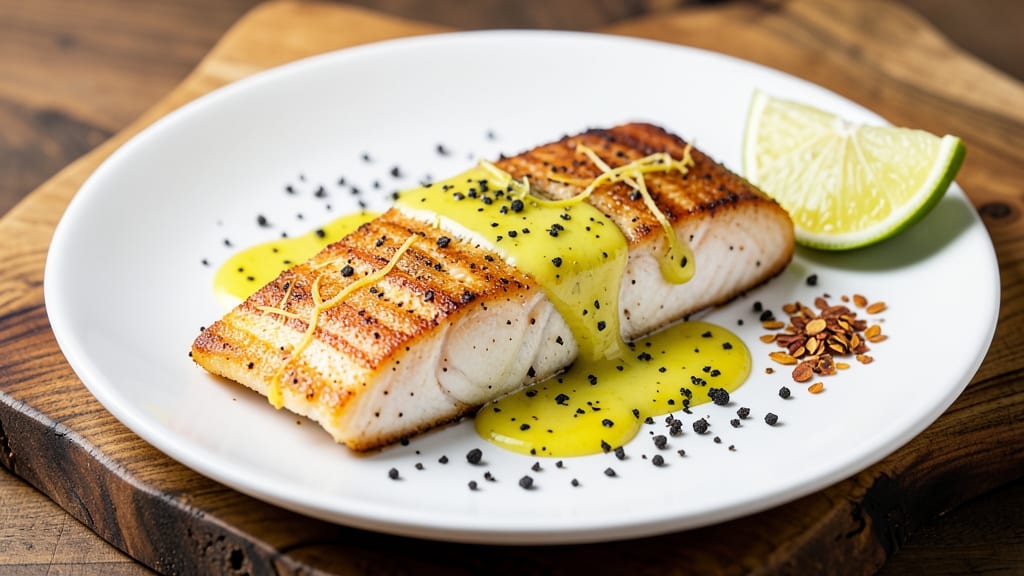
This Denny's lemon pepper tilapia recipe delivers the restaurant's signature crispy crust and zesty flavor right in your own kitchen. The secret lies in a precise blend of lemon zest, cracked black pepper, and a light cornstarch coating that creates that iconic crunch while keeping the fish tender inside.
I've simplified the process without sacrificing authenticity—just 20 minutes from start to finish.
What sets this recipe apart is the balance of flavors and textures: the exterior stays crispy through careful pan-searing, while the interior remains flaky and moist. The lemon-pepper seasoning isn't just sprinkled on top—it's worked into the fish and the pan for maximum flavor penetration.
This method ensures every bite delivers that signature Denny's taste you love.
The result is restaurant-quality tilapia with a golden, crispy exterior that shatters slightly when cut, revealing tender white fish underneath. The lemon-pepper seasoning adds a bright, tangy kick that cuts through the richness of the fish perfectly.
Serve with lemon wedges and a side of roasted vegetables for a complete meal that's both satisfying and elegant.
Perfect for weeknight dinners or special occasions, this recipe scales easily whether you're cooking for two or feeding a crowd. The technique is straightforward but yields professional results—no advanced skills required. Let's get cooking with this foolproof method that brings Denny's flavor home.
Ingredients for denny's lemon pepper tilapia
Nine essential ingredients transform simple tilapia into Denny's iconic crispy lemon-pepper masterpiece.
| Ingredient | Amount | Notes |
|---|---|---|
| Tilapia Fillets 🐟 | 4 whole | 6-8 oz each, skinless preferred |
| Cornstarch 🌾 | ½ cup | Light coating for crispy crust |
| Unsalted Butter 🧈 | 3 tbsp | Cold, for even searing |
| Lemon Zest 🍋 | 1 tbsp | Fresh, finely grated |
| Freshly Cracked Black Pepper 🌶️ | 2 tbsp | Coarse grind for texture |
| Extra-Virgin Olive Oil 🫒 | 1 tbsp | For pan coating |
| Salt 🧂 | ½ tsp | Diamond Crystal preferred |
| Lemon Wedges 🍋 | 4 whole | For garnish and serving |
| Garlic Powder 🧄 | ½ tsp | Enhances lemon-pepper blend |
| Fresh Lemon Juice 🍋 | 1 tbsp | Brightens flavor profile |
| Vegetable Oil 🫒 | ¼ cup | High smoke point for frying |
The tilapia fillets are the foundation—opt for 6-8 oz each to ensure even cooking. Whole Foods or local seafood markets carry the freshest cuts, but avoid fillets with discoloration or fishy odors. The cornstarch coating requires light, even application (about 1 tbsp per fillet) to achieve that signature crunch without overwhelming the delicate fish. For the lemon-pepper blend, freshly cracked black pepper delivers superior texture compared to pre-ground. The butter should be cold when added to the pan to create a rich, flavorful crust. Trader Joe's carries excellent frozen tilapia that works perfectly for this recipe when thawed overnight in the refrigerator.
No fresh lemon zest? Zest 1 whole lemon (about 1 tbsp) or substitute with 1 tsp lemon extract—though fresh is preferred for authentic flavor. Running short on cornstarch? All-purpose flour works in a pinch, but reduce to 0.25 cup for a lighter coat. The garlic powder enhances the lemon-pepper profile without overpowering it—Penzeys brand offers an excellent quality. For the pan-searing step, vegetable oil with a high smoke point ensures even cooking. If you prefer a lighter touch, reduce the butter to 2 tbsp while maintaining the same amount of oil for crisping. The lemon wedges should be bright and juicy—organic lemons from the grocery store's produce section work best for garnish and serving.
Store fresh tilapia in the coldest part of your fridge, wrapped in parchment paper, and use within 2 days for optimal texture. The lemon-pepper seasoning blend keeps well in an airtight container for up to 2 weeks—perfect for seasoning other proteins like chicken or shrimp. This recipe reheats beautifully in a 350°F oven for 5-7 minutes, though the crispy crust is best enjoyed immediately. For meal prep, cook an extra fillet and store it separately for quick lunches—just reheat in the air fryer at 375°F for 3-4 minutes to restore crispiness.
Why You'll Love This Recipe
- Two-Ingredient Crisp: The cornstarch coating turns flaky in seconds—no fancy technique needed. Just pat the fillets dry, dredge in cornstarch, and sear until golden. That’s it. The butter melts into a silky finish while the pepper stays sharp and bright.
- Zesty Brightness: Lemon zest and cracked black pepper wake up every bite. The zest clings to the crispy crust like a citrus hug, and the pepper delivers a slow, satisfying kick. It’s the kind of flavor that makes you reach for seconds without even thinking.
- Weeknight Magic: This feeds four in 20 minutes—perfect for nights when you’re starving but the takeout menu feels heavy. Serve it with roasted veggies or a simple salad, and suddenly you’re the hero of dinner.
- Budget-Friendly Luxury: Tilapia stays affordable, and butter makes it feel special without breaking the bank. Leftovers reheat beautifully (yes, even the crisp), so you’ll have a go-to meal for lunches or last-minute guests. No waste, all win.
Step-by-step instructions for Denny's lemon pepper tilapia
Master the perfect balance of crispy crust and bright citrus flavor with this restaurant-quality method.
Prepare the Lemon Pepper Coating
In a shallow dish, combine the 0.5 cup cornstarch, 0.5 tsp salt, 0.5 tsp garlic powder, 2 tbsp freshly cracked black pepper, and 1 tbsp lemon zest. Mix thoroughly with a fork until the spices are evenly distributed and the cornstarch takes on a pale yellow hue from the zest. This blend is the secret to that signature Denny's flavor profile.
In a separate small bowl, whisk together 1 tbsp fresh lemon juice and 1 tbsp extra-virgin olive oil. This creates an adhesive that helps the coating stick to the delicate tilapia fillets. The acidity in the lemon juice also begins tenderizing the fish slightly, ensuring perfect texture when cooked.
Create the Crispy Crust
Heat 0.25 cup vegetable oil in a large skillet over medium-high heat until it shimmers but doesn't smoke—you should see small bubbles forming around the edges. This is your signal that the oil is ready for frying. The high smoke point of vegetable oil ensures a crispy crust without burning the delicate fish.
Working with one fillet at a time, dip each tilapia fillet into the lemon juice mixture, allowing any excess to drip off, then press it firmly into the cornstarch-spice blend. You'll notice the coating adhere more readily to the slightly damp surface. Place the coated fillets in the hot oil, being careful not to overcrowd the pan—this maintains even heat distribution for that perfect golden-brown crust.
Fry to Golden Perfection
Cook the tilapia fillets for 3-4 minutes per side, or until they develop a deep golden-brown crust and the edges begin to crisp slightly. The internal temperature should reach 145°F when measured with an instant-read thermometer. Flip carefully using a fish spatula—tilapia is delicate and can break easily.
As the fillets cook, you'll smell the aromatic blend of lemon and pepper wafting through your kitchen. This is your sensory cue that the crust is forming properly. Remove the fillets to a wire rack set over a paper towel-lined plate to drain excess oil. The rack allows air circulation, which helps maintain that crispy texture while the fish rests.
Finish with Butter and Lemon
Reduce the heat under the skillet to medium-low and add the 3 tbsp unsalted butter. Tilt the pan slightly and spoon the melted butter over the cooked tilapia fillets, basting them generously. This step adds richness while keeping the dish light. The butter should foam slightly but not brown—this indicates it's hot enough to create a silky sauce without overpowering the delicate fish.
Return the tilapia to the skillet and cook for an additional 1-2 minutes, allowing the butter to coat the fillets completely. Garnish each serving with 1 whole lemon wedge and serve immediately. The contrast of the crispy crust with the buttery, lemon-infused sauce creates that signature Denny's experience at home.
Pro Tips For Making Denny'S Lemon Pepper Tilapia
- CRACK THE PEPPER RIGHT: Freshly cracked black pepper is non-negotiable here—pre-ground loses its punch. Use a quality grinder and crack it directly over the fillets while they cook; the heat wakes up the oils and makes it taste like you spent hours on it.
- PAT THE FILLETS DRY: Skipping this step is how you end up with sad, steamed tilapia instead of crispy edges. Grab paper towels and press hard—especially around the edges—so the cornstarch adheres and the butter can actually brown. Wet skin = no crust.
- DON’T RUSH THE BUTTER: Low and slow is the name of the game. Melt the butter over medium-low heat until it’s foamy but not browned—if you crank it too high, you’ll burn the lemon zest before the fish is done. Patience here means flavor, not smoke.
- ZEST FIRST, JUICE LATER: Add the lemon zest to the pan before the fillets hit the heat—it blooms the aroma instantly. Save the juice for after cooking; tossing it in too early makes the cornstarch gummy. A squeeze at the end brightens everything without turning the crust into glue.
Troubleshooting this recipe
Undercooked Fish
The most common issue is fish that's still rubbery or translucent in the center. This happens when the internal temperature doesn't reach 145°F. To fix it, use an instant-read thermometer like the Thermoworks Thin—insert it into the thickest part of the fillet.
If your fish isn't done, return it to the pan for 30-60 seconds per side over medium heat. The key is patience: tilapia cooks faster than it looks!
Soggy Crust
That perfect crispy crust turns limp when you don't drain the fillets properly after cooking. Always transfer cooked fish to a wire rack over a paper towel-lined plate to allow air circulation.
If your crust is already soggy, try this quick fix: Place the fillets back in a dry skillet over medium heat for 1-2 minutes per side—the residual heat will help re-crisp the coating.
For future attempts, ensure your cornstarch coating is light but even—about 1 tbsp per fillet.
Uneven Cooking
Thicker edges and undercooked centers happen when you overcrowd the pan or use inconsistent fillets. Denny's uses uniform 6-8 oz fillets, so trim any uneven edges before cooking. When pan-searing, maintain medium-high heat and cook one fillet at a time—this ensures even heat distribution.
If you notice uneven doneness, rotate the fillets halfway through cooking to promote even browning.
Fish Sticking Together
Tilapia fillets can cling when the cornstarch coating isn't properly adhered. The solution is simple: After dipping in the lemon juice mixture, press each fillet firmly into the cornstarch blend, ensuring full coverage.
For extra insurance, chill the coated fillets in the fridge for 10 minutes before cooking—this helps the coating set. If they stick during cooking, use a fish spatula to gently separate them without tearing.
Overpowering Pepper Flavor
Too much black pepper can make the dish taste harsh rather than balanced. The recipe calls for 2 tbsp freshly cracked pepper—measure carefully using a pepper grinder like Baratza Encore.
If your dish tastes too strong, balance it with an extra 1 tbsp lemon juice or a pinch of sugar to brighten the flavors. For future batches, reduce pepper to 1.5 tbsp if you prefer a milder taste.
Oil Smoking or Burning
Oil that smokes excessively or burns creates a bitter flavor and can make the crust greasy. Use vegetable oil with a high smoke point (400°F) and maintain medium-high heat—not high.
If your oil starts smoking, remove the pan from heat for 30 seconds to let it cool slightly before continuing. For extra safety, use a thermometer to monitor oil temperature between 350-375°F.
Nutrition facts
Frequently asked questions
Can I use frozen tilapia for this recipe?
Yes, but thaw it properly first! Place frozen tilapia fillets in a sealed bag and submerge in cold water for 15-20 minutes until pliable. For best texture, thaw overnight in the fridge. Pat completely dry before coating—any moisture will prevent that signature crispy crust from forming.
What's the best way to store leftovers?
Store cooked tilapia in an airtight container in the fridge for up to 2 days. To reheat, warm in a skillet over medium heat for 2-3 minutes with a splash of water to restore moisture. For crispy texture, broil for 1-2 minutes at the end. The lemon-pepper flavor actually improves slightly after resting!
Can I make this gluten-free?
Simply replace the cornstarch with 0.25 cup gluten-free flour blend or 0.25 cup almond flour. The texture will be slightly different but still crispy. For extra crunch, add 1 tbsp crushed pork rinds to the coating mix. Just ensure all other ingredients (like bouillon if used) are certified gluten-free.
How do I adjust the spice level?
The recipe's pepper level is balanced, but you can customize it. For milder flavor, reduce cracked pepper to 1 tbsp and add 0.5 tsp lemon zest. For extra kick, add 0.25 tsp cayenne pepper to the coating. Remember: fresh lemon juice brightens strong flavors—keep extra on hand to balance any heat.
What sides pair best with this dish?
Denny's version comes with crispy hash browns, but you could also serve with:
- Garlic roasted asparagus (toss with 1 tbsp olive oil and 0.5 tsp garlic powder)
- Creamy lemon risotto (add 1 tbsp lemon zest to the risotto)
- Simple quinoa salad with cucumber and feta