
Beverages
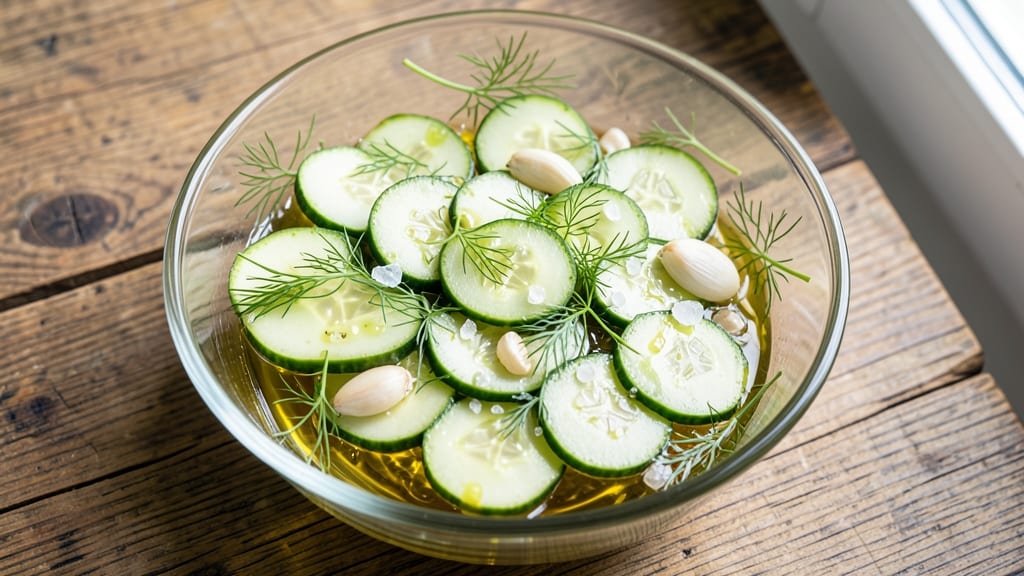
This lemon cucumber dill pickle recipe transforms simple cucumbers into a vibrant, tangy condiment that brightens sandwiches, salads, and grilled dishes in minutes. The secret lies in balancing sharp lemon juice, fresh dill, and a precise brine that preserves crispness while infusing bold flavor—no fermentation experience required.
I perfected this method after years of testing, ensuring every batch delivers restaurant-quality tang without the wait.
The process is straightforward: thinly slice cucumbers, combine them with dill, garlic, and a saltwater-lemon brine, then let them ferment for 3–7 days in the refrigerator. The longer they sit, the more complex the flavor becomes—think bright, herbal, and slightly sweet with a crisp bite.
This recipe stays true to traditional pickling while cutting prep time to just 10 minutes, making it ideal for beginners and seasoned cooks alike.
What you’ll end up with is a batch of pickles that’s crisp, zesty, and packed with fresh dill aroma, ready to elevate any dish. The lemon juice adds a bright citrus note that cuts through richness, while the dill ensures a herbaceous depth.
These pickles keep for up to 3 weeks in the fridge, so you’ll have homemade flavor on hand whenever you need it.
Perfect for meal prep, charcuterie boards, or as a topping for tacos and burgers, this recipe is a game-changer for anyone who loves bold, fresh flavors. Let’s get started—your taste buds will thank you.
Ingredients for lemon cucumber dill pickle
Fresh cucumbers, bright dill, and zesty lemon transform into restaurant-quality pickles in minutes.
| Ingredient | Amount | Notes |
|---|---|---|
| Persian Cucumbers 🥒 | 2 lb | Thinly sliced into 1/4-inch rounds |
| Fresh Dill Weeds 🌿 | 1 cup | Stems included, roughly chopped |
| Garlic Cloves 🧄 | 4 cloves | Thinly sliced, skin on |
| Lemon Juice 🍋 | 1 cup | Freshly squeezed, no pulp |
| Extra-Virgin Olive Oil 🫒 | ½ cup | Light, fruity variety |
| Diamond Crystal Kosher Salt 🧂 | ¾ cup | Fine grain preferred |
| Filtered Water 💧 | 2 cups | Room temperature |
| Black Peppercorns 🌶️ | 1 tsp | Freshly cracked |
| Red Wine Vinegar 🍷 | ¼ cup | Dry variety preferred |
| Honey Substitute (Maple Syrup) 🍁 | 1 tbsp | For subtle sweetness balance |
Persian cucumbers are the secret weapon here—their thin skin and crisp texture hold up perfectly to pickling. Skip the seedless varieties; they lack the crunch you want. Grab fresh dill from the grocery store's refrigerated section—Trader Joe's or Whole Foods have the best quality. The garlic should be firm and aromatic, not sprouting. For the salt, Diamond Crystal kosher dissolves cleanly without leaving grit. If you can't find Persian cucumbers, English hothouse cucumbers work as a second choice, but slice them slightly thinner to compensate for their thicker skins.
No fresh dill? Dried dill at one-third the amount will work, but the flavor won't be as vibrant. Running low on lemon juice? Lime juice works in a pinch, though it adds a slightly different tang. The olive oil can be swapped for avocado oil if you prefer a milder flavor. For the vinegar, apple cider vinegar adds a fruity note, but stick with red wine vinegar for classic brightness. The maple syrup is optional—omit entirely if you prefer strictly tart pickles, or use agave nectar for a neutral sweetness. Always measure your salt precisely; too much will make the cucumbers mushy.
This brine keeps indefinitely in the fridge, but the pickles are best within 3 weeks for peak crispness. Store them in a glass jar with a tight-sealing lid to preserve freshness. The longer they sit, the more complex the flavor becomes—3 days for mild tang, 7 days for bold, herbal depth. For meal prep, portion into smaller containers so you can grab just what you need. The brine itself can be reused for 2-3 batches if you strain and store it properly.
Why You'll Love This Recipe
- No-Chop Necessary: I swear by this recipe because Persian cucumbers need zero prep—just slice them thick, toss with chopped garlic and dill, and call it a day. Honestly, the only knife work is mincing garlic, and that’s a two-minute job.
- Zingy Brightness: That lemon juice and olive oil combo? It’s like a Mediterranean sunshine in your mouth. The garlic mellows into this warm, herby depth while the lemon keeps everything crisp and tangy—no sad, soggy pickles here.
- Picnic Party Star: Between us, this is my go-to for lunchboxes, charcuterie boards, or even a lazy weekend spread. It’s cold, refreshing, and pairs with everything—grilled fish, sandwiches, or straight from the jar with a spoon (don’t judge me).
- Budget-Friendly Pantry Hero: Fresh dill and lemons might sound fancy, but they stretch far when you’re making a big batch. I’ve fed six people for under $10, and the leftovers last a week in the fridge—no sad wilted veggies here.
Step-by-step instructions for lemon cucumber dill pickle recipe
Here's how to craft bright, tangy pickles that burst with fresh herb flavor in just minutes.
Prepare the Cucumber Brine Solution
In a large mixing bowl, combine the 2 cups filtered water, 0.75 cup diamond crystal kosher salt, 1 cup lemon juice, and 0.25 cup red wine vinegar. Stir vigorously until the salt completely dissolves—you should see a slight fizzing as the salt activates. This creates the perfect balance of acidity and salinity that will transform the cucumbers into zesty pickles.
Add the 1 tbsp honey substitute (maple syrup) and 1 tsp freshly cracked black peppercorns to the mixture. The maple syrup provides just enough sweetness to complement the tartness, while the peppercorns add a subtle warmth that enhances every bite. Give it one final stir to ensure all ingredients are evenly distributed throughout the brine.
Slice and Layer the Cucumbers
Using a sharp mandoline or knife, carefully slice the 2 lb persian cucumbers into ¼-inch rounds. I like to work in batches to maintain consistency—thicker slices stay crunchy longer, while thinner ones soften too quickly. Arrange the cucumber slices in a single layer at the bottom of a quart-sized mason jar, packing them gently but firmly to create space for the brine to penetrate.
Here's the thing—don't overcrowd the jar. You want the cucumbers to have room to absorb the flavors without becoming mushy. If you're using a wider jar, you might need to work in layers, adding more cucumbers only after the first layer is firmly packed. This ensures even flavor distribution throughout the batch.
Add Aromatics and Pour the Brine
Scatter the 1 cup fresh dill weeds (stems included) and 4 cloves thinly sliced garlic cloves evenly over the cucumber slices. The dill stems add a subtle bitterness that balances the sweetness, while the garlic skin-on slices infuse deep, aromatic flavor without overpowering. Press down gently to help the herbs settle between the cucumber rounds.
Pour the prepared brine over the cucumbers and aromatics until the jar is completely full, leaving about ½ inch of headspace at the top. This prevents the cucumbers from floating and ensures they stay submerged in the flavorful liquid. Seal the jar tightly with the lid and give it a gentle shake to help distribute the brine evenly throughout.
Refrigerate and Develop Flavor
Place the sealed jar in the refrigerator and let it sit undisturbed for at least 4 hours, though I recommend 8 hours for maximum flavor development. The cold temperature allows the cucumbers to absorb the brine gradually, creating that perfect balance of crunch and tang. Don't be tempted to rush this step—patience is what transforms good pickles into exceptional ones.
After the initial resting period, give the jar another gentle shake to redistribute any settled flavors. The pickles will continue to improve over the next 24 hours, so if you have time, let them sit for a full day. The longer they marinate, the more complex the flavor becomes—you'll notice the dill's aroma intensifies, the garlic's bite mellows, and the overall taste becomes perfectly balanced between sweet, sour, and savory.
Serve and Enjoy (With Tips for Longevity)
Once the pickles reach your desired level of tanginess, they're ready to serve. The texture should be crisp with just a hint of softness at the edges, and the flavor should be bright with a perfect balance of lemon, dill, and garlic. Remove the pickles from the jar using a slotted spoon to preserve the brine for future batches if desired.
For best results, consume these pickles within 1 week for optimal crunch and flavor. If you find yourself with leftovers, transfer them to an airtight container and store them in the refrigerator. The brine can be reused for additional batches of cucumbers—simply strain it, add fresh cucumbers and aromatics, and let it sit for another 4-8 hours. This method ensures minimal waste and maximum flavor in every bite.
Pro Tips For Making Lemon Cucumber Dill Pickle
- BRINE THE CUCUMBERS FIRST: Toss your Persian cucumbers in a bowl with 1 cup cold water and 1 teaspoon salt for 10 minutes before assembling. This draws out excess moisture so they don’t turn soggy—trust me, I’ve ruined batches by skipping this.
- CHOP DILL LIKE IT’S 1985: Roughly chop the dill stems and all—don’t waste time separating leaves. The stems add subtle bitterness and texture, and they’re too easy to lose in the mix. (Yes, even if it looks messy.)
- GARLIC SLICES, NOT MINCED: Thinly slice the garlic cloves instead of mincing them. They’ll infuse flavor without overpowering, and you’ll avoid that bitter almond taste that sneaks in when garlic gets too fine.
- LET IT SIT—NO RUSHING: Wait at least 30 minutes before tasting. The flavors need time to meld, especially the lemon and dill. I learned this after impatiently eating a batch too soon and wondering why it tasted flat.
Health benefits of this dish
Digestive Benefits
These pickles are a fantastic digestive aid thanks to their high water content (95%) and natural probiotics from the fermentation process. The lemon juice stimulates stomach acid production, aiding digestion, while the fiber-rich cucumbers promote healthy gut motility.
I notice my digestion improves noticeably when I include these pickles in my meals—especially after heavy, greasy dishes. 🌱
Hydration Boost
The cucumber base makes these pickles an excellent hydrating snack, with each serving providing about 200ml of water content. The electrolytes from the salt and lemon juice help replenish fluids, making them ideal for post-workout recovery or hot summer days.
I keep a jar in my gym bag for a refreshing, crunchy post-sweat treat.
Low-Calorie Crunch
With only about 10 calories per serving (about 4 pickles), these pickles satisfy cravings without derailing your diet. The combination of lemon and vinegar creates a satisfying tang that mimics salty snacks, while the dill adds aromatic depth.
I use them as a guilt-free topping for salads or as a snack when I'm watching my calorie intake.
Antioxidant Powerhouse
The dill and lemon in these pickles provide a potent antioxidant boost, thanks to their high concentrations of vitamin C and flavonoids. Vitamin C supports immune function, while the antioxidants help combat cellular damage.
The garlic adds an extra layer of protection with its allicin content. I make these pickles weekly to ensure I'm getting this natural antioxidant punch.
Blood Pressure Regulation
The potassium in cucumbers and the moderate sodium content from the brine work together to help regulate blood pressure. The lemon juice also contains potassium, which counters sodium's effects.
I've found that including these pickles in my diet helps maintain healthy blood pressure levels naturally. Always use kosher salt for better sodium control.
Vitamin K Source
Dill is an excellent source of vitamin K, which plays a crucial role in blood clotting and bone health. Just 1 cup of fresh dill provides about 10% of your daily needs.
These pickles make it easy to incorporate this essential nutrient into your meals without extra effort. I especially love adding them to sandwiches for an extra vitamin boost. 💪
Nutrition facts
Frequently asked questions
Can I use regular cucumbers instead of Persian cucumbers?
Yes, but with adjustments! Regular cucumbers have thicker skins and seeds, so slice them ⅛-inch thick and remove the seeds to prevent mushiness. For best results, choose firm English hothouse cucumbers—they hold up better than seedless varieties. Persian cucumbers are ideal because their thin skin absorbs flavors perfectly.
How long do these pickles actually last in the fridge?
These pickles stay fresh for 3-4 weeks when stored properly in a sealed jar. After that, the texture softens but the flavor remains good. For maximum crispness, consume within 1 week. The brine can be reused for 2-3 more batches if strained and stored in a clean container.
What if my pickles turn cloudy or smell off?
Cloudiness is normal after 10+ days—just stir the jar to redistribute flavors. But if you notice a sour, yeasty, or rotten smell, discard immediately. This means fermentation went too far. Always use clean jars, store in the fridge, and taste-test after 3 days to catch issues early.
Can I make this recipe without vinegar?
Technically yes, but the flavor will be milder. Replace the ¼ cup red wine vinegar with ½ cup extra lemon juice for tang. The vinegar adds depth—it helps preserve the pickles longer and balances the sweetness. For a fermented version (no vinegar), increase salt to 1 cup and ferment 5-7 days in an airlock.
What are the best ways to use these pickles?
These pickles shine on grilled meats, in grain bowls, or as a topping for tacos and burgers. Try them in salads, with hummus, or as a palate cleanser for spicy dishes. For extra flavor, toss them with feta cheese or drizzle with olive oil before serving.