
Soups & Stews
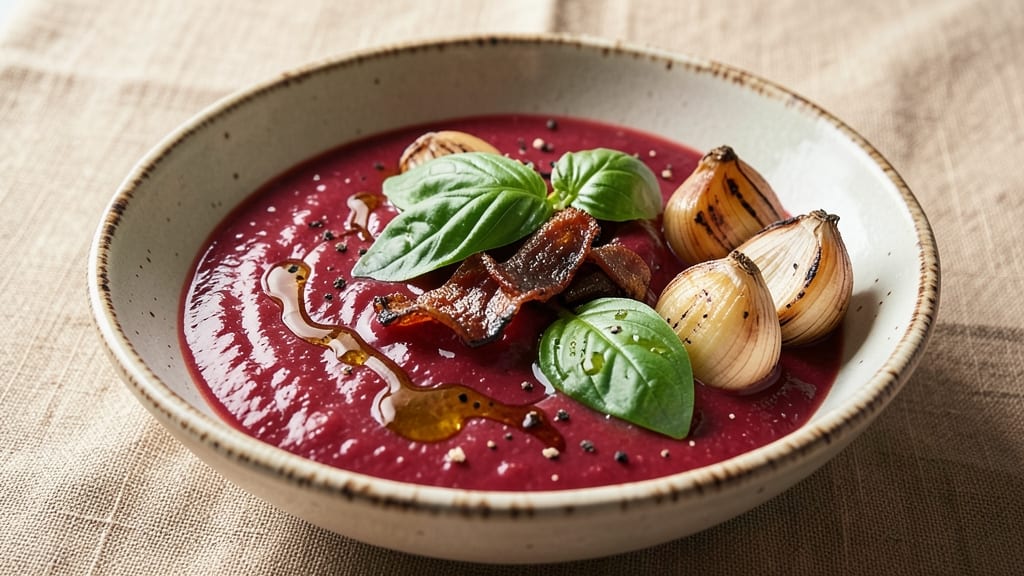
Creating a tomato coulis recipe that transforms fresh tomatoes into a velvety, silky sauce is one of the most rewarding kitchen techniques I’ve mastered. This smooth, strain-free blend elevates everything from pasta to grilled meats, and the process is simpler than you’d think.
The key lies in selecting ripe tomatoes and blending them just enough to break down their texture without turning them into pulp.
What sets this tomato coulis apart is its versatility—it works as a drizzle for bruschetta, a base for soups, or even a dip for crusty bread. No special equipment is needed beyond a blender or food mill, and the recipe takes less than 15 minutes to prepare.
The result? A rich, vibrant sauce that captures the essence of summer tomatoes without the seeds or skin.
By the time you’re done, you’ll have a smooth, flavorful coulis that’s ready to enhance any dish. The texture is silky, not watery, and the taste is pure tomato—bright, fresh, and full of depth.
This isn’t just a sauce; it’s a game-changer for home cooks looking to add restaurant-quality flavor to their meals.
Use it immediately or store it in the fridge for up to a week, though I find it’s best enjoyed fresh. Whether you’re drizzling it over grilled fish, stirring it into a pasta sauce, or serving it as a dip, this coulis will become a staple in your kitchen.
Let’s get started on making it.
Ingredients for tomato coulis
Eight simple ingredients transform fresh tomatoes into a velvety sauce perfect for drizzling or dipping.
| Ingredient | Amount | Notes |
|---|---|---|
| Ripe Tomatoes 🍅 | 2 lbs | Vine-ripened or heirloom preferred |
| Extra-Virgin Olive Oil 🫒 | ¼ cup | High quality, fruity flavor |
| Garlic Cloves 🧄 | 3 cloves | Peeled, roughly chopped |
| Red Wine Vinegar 🍷 | 1 tbsp | For brightness |
| Salt 🧂 | ½ tsp | Sea salt preferred |
| Black Pepper 🌶️ | ¼ tsp | Freshly ground |
| Fresh Basil Leaves 🌿 | ¼ cup | Packed, stems removed |
| Ice Cubes ❄️ | 1 cup | For cooling texture |
Tomatoes are the star—heirloom or vine-ripened have the best flavor, but grocery store tomatoes work too. Look for ones that yield slightly to gentle pressure. Trader Joe's and local farmers markets usually have great options. If you can't find fresh, canned San Marzano tomatoes are a solid backup (just skip the ice cubes). The basil? Fresh is best, but dried oregano at half the amount works in a pinch. I always grab extra basil—half goes in the coulis, half gets torn over the top for garnish.
No red wine vinegar? Lemon juice or balsamic vinegar both work—just adjust to taste. The ice cubes might seem odd, but they're key for that silky texture (trust me on this). Short on basil? Fresh parsley or thyme add a nice twist. For a smoky flavor, add a pinch of smoked paprika. The olive oil should be something you'd drizzle on bread—none of that cheap cooking oil stuff. And if you're using canned tomatoes, drain them first to avoid watery coulis.
This coulis keeps beautifully in the fridge for up to 1 week—though it's best used fresh. For longer storage, freeze in ice cube trays (perfect for single servings). I always double the batch—one for immediate use, one to freeze. When reheating, warm gently on the stove or microwave until just hot. Perfect for drizzling over pasta, grilled fish, or even as a dip with crusty bread.
Why You'll Love This Recipe
- Five-Minute Blend: I swear, this is the kind of recipe where you can be scrolling on your phone one second and have a jar of silky coulis ready the next. Just toss tomatoes, garlic, and a splash of vinegar into the blender—no peeling, no seeds, no fuss.
- Garlic-Kissed Magic: That first hit of garlic-infused olive oil when you taste it? It’s like summer in a spoonful. The vinegar cuts through the richness just enough to make it bright and irresistible—no fancy ingredients, just pure, bold flavor.
- Pantry Superhero: I keep a jar of this in the fridge at all times because it’s the MVP of weeknight dinners. Drizzle it over grilled fish, toss it into pasta, or use it as a dip—it turns basic meals into something special without extra effort.
- Budget-Friendly Luxury: Honestly, this is one of those recipes where you’re basically turning grocery store tomatoes into something that tastes like a fancy restaurant dish. A few cloves of garlic and a drizzle of good olive oil make it feel indulgent, but the cost? Next to nothing.
Step-by-step instructions for tomato coulis recipe
Here's the method to create a velvety tomato coulis that's perfect for sauces, dips, or drizzling.
Prepare and Roast the Tomatoes
Preheat your oven to 400°F and line a baking sheet with parchment paper. Cut the 2 lbs ripe tomatoes in half crosswise and place them cut-side down on the prepared sheet. I like to leave the skins on for extra flavor and texture—just make sure they're ripe and red all over.
Roast for 20-25 minutes until the tomatoes are soft and their juices start to pool on the baking sheet. You'll know they're ready when the edges begin to wrinkle slightly and the flesh yields gently when pressed. This roasting step deepens the tomato flavor and makes blending easier.
Blend the Roasted Tomatoes with Aromatics
Transfer the roasted tomatoes to a blender along with the 3 cloves garlic cloves, 0.25 cup fresh basil leaves, 0.5 tsp salt, and 0.25 tsp black pepper. I always add the garlic and basil at this stage—their flavors meld beautifully with the tomatoes during blending. Secure the blender lid and pulse a few times to break everything down roughly.
Blend on high speed until completely smooth, stopping to scrape down the sides as needed. The mixture should be silky with no visible chunks. If it's too thick, add 1-2 tablespoons of water to help it blend smoothly. This is where you build the foundation for that luxurious texture we're after.
Finish with Olive Oil and Vinegar
With the blender running on low speed, slowly drizzle in the 0.25 cup extra-virgin olive oil through the feed tube. This prevents the oil from splattering and ensures it emulsifies perfectly into the tomato mixture. The coulis should take on a rich, glossy appearance as the oil incorporates.
Next, add the 1 tablespoon red wine vinegar and blend for another 10-15 seconds to combine. The vinegar brightens the flavors and balances the richness of the olive oil. Taste and adjust seasoning if needed—you might want to add a pinch more salt or pepper to your liking.
Cool and Adjust Texture
Pour the coulis into a heatproof bowl and add the 1 cup ice cubes. Stir gently to cool the mixture while maintaining that silky texture. The ice helps stabilize the coulis and prevents it from separating. Let it cool for 5-10 minutes, stirring occasionally, until it reaches room temperature.
If the coulis is too thick after cooling, thin it with 1-2 tablespoons of water or tomato juice until it reaches a pourable consistency. You want it to coat the back of a spoon but still flow freely. This coulis is incredibly versatile—use it immediately as a sauce, dip, or garnish, or store it in the refrigerator for up to 5 days.
Pro Tips For Making Tomato Coulis
- Blister the Garlic: Toss whole garlic cloves in olive oil first, then roast them at 400°F (200°C) for 8–10 minutes until deep golden and fragrant. I used to mince raw garlic and wondered why my coulis always tasted sharp—roasting mellows the flavor and adds a sweet, nutty depth that balances the acidity.
- Strain Twice: After simmering tomatoes, strain through a fine-mesh sieve, then press the pulp with a wooden spoon or spatula. The second pass removes stubborn seeds and skin bits—yes, it’s extra work, but the result is silky, not grainy.
- Don’t Rush the Simmer: Let the coulis reduce uncovered on medium-low heat until it’s thick enough to coat the back of a spoon. I’ve seen people crank the heat to speed it up, but that turns the tomatoes into glue. Patience here means a glossy, balanced sauce, not a sad, watery mess.
- Vinegar Last: Stir in red wine vinegar off the heat—just a splash—to brighten the coulis without cooking off its sharpness. Add it too early, and you’ll mute the acidity entirely. (And no, balsamic isn’t a substitute; this isn’t pasta sauce.)
Essential equipment for great tomato coulis
Blender Essentials
Your blender is the heart of this recipe, and I recommend using a high-powered model like the Ninja BN601 or Vitamix 5200 for the smoothest results. These machines handle hot ingredients and thick textures better than basic blenders.
If you're working with a standard blender, pulse frequently and scrape down the sides to prevent overheating. 💡
Food Mill Alternative
For a no-blender approach, a food mill (like the OXO Good Grips) is perfect for creating silky coulis without seeds or skins. Simply roast the tomatoes as directed, then press them through the mill.
This method requires slightly more elbow grease but yields a beautifully smooth texture. I’ve used this technique when traveling with limited equipment.
Fine-Mesh Strainer
A fine-mesh sieve or cheesecloth is essential for straining out any remaining pulp after blending. I prefer a stainless steel mesh strainer (like the OXO Good Grips) because it’s durable and easy to clean.
If you’re short on time, a nut milk bag works too—just hang it over a bowl and let gravity do the work. This step ensures your coulis is completely smooth. 🌟
Heatproof Bowls
Use glass or ceramic bowls (like Pyrex) for cooling the coulis with ice cubes. These materials distribute heat evenly and won’t crack under temperature changes. Avoid plastic bowls, as they can warp or leach chemicals when exposed to hot liquids.
I keep a few Pyrex bowls dedicated to sauce prep for convenience.
Measuring Tools
Precision matters for balance, so invest in stainless steel measuring spoons (like OXO Good Grips) and a digital kitchen scale for accurate ingredient ratios. A red wine vinegar measuring spoon (or small squeeze bottle) helps control acidity levels.
I also keep a small ladle handy for transferring coulis without spills. 🔥
Optional Immersion Blender
If you prefer blending directly in the pot, an immersion blender (like the Ninja BN601) is a game-changer. It’s perfect for small batches or when you want to avoid transferring hot liquids.
Just blend the roasted tomatoes and aromatics in a heatproof bowl, then strain. This method saves cleanup time and reduces the risk of splattering. ✨
Nutrition facts
Frequently asked questions
Can I make tomato coulis without roasting the tomatoes?
Yes, but the flavor will be less rich. Roasting deepens the tomato's natural sweetness and makes blending easier. For a quick version, use room-temperature tomatoes and blend with a splash of water or tomato juice to help emulsify. Just know the texture won't be as velvety without the roasting step.
How do I prevent my coulis from separating?
The ice cubes are key! Adding them cools the mixture quickly, which helps stabilize the emulsion. If it still separates, stir in 1 teaspoon of cornstarch mixed with 1 tablespoon cold water and heat gently until thickened. For long-term storage, keep it in an airtight container with a thin layer of olive oil on top to preserve freshness.
What are the best ways to use leftover coulis?
This versatile sauce works in so many ways! Drizzle it over grilled meats, pasta, or bruschetta. Use it as a base for soups or marinades. Even mix it into mayo for a quick tomato dip. For extra richness, reduce it by simmering uncovered for 10-15 minutes to make a thicker sauce perfect for lasagna or pizza.
Can I substitute canned tomatoes?
but choose high-quality canned tomatoes like San Marzano for the best flavor. Skip the ice cubes and add 1 teaspoon tomato paste to thicken. Drain the tomatoes well first to avoid a watery coulis. For extra depth, add a pinch of sugar to balance the acidity if needed.
Why did my coulis turn out too acidic?
Too much vinegar or underripe tomatoes can cause this. Taste and adjust by adding a pinch of sugar or a splash of water to dilute. For future batches, reduce the vinegar to ½ tablespoon or use lemon juice instead. Also, ensure your tomatoes are fully ripe before roasting.