
Beverages
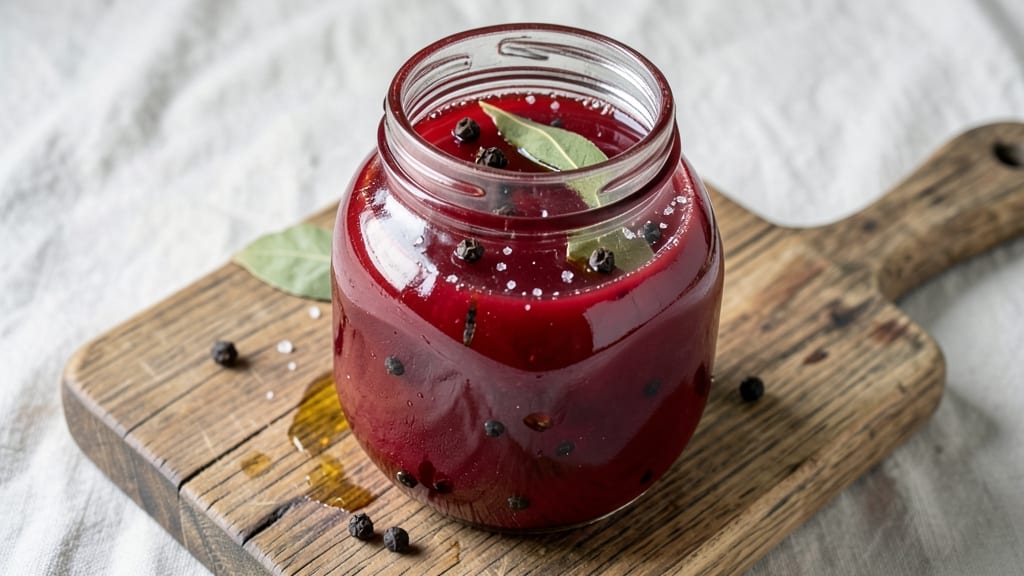
Transforming fresh garden tomatoes into old-fashioned tomato juice for canning preserves their bold, vibrant flavor for months—just like grandma used to make. This time-tested method combines simple ingredients with precise acidification to create a pantry staple that’s perfect for Bloody Marys, soups, or as a tangy base for sauces.
The key lies in balancing acidity and texture, ensuring every jar delivers restaurant-quality depth without compromise.
This recipe relies on traditional canning techniques: boiling tomatoes to extract their natural juices, then carefully combining them with vinegar and spices to guarantee safe preservation. No special equipment beyond basic canning supplies is needed—just patience and attention to detail during the hot-packing process.
The result? A rich, velvety juice with just the right balance of sweetness and acidity, ready to elevate any dish.
By following these steps, you’ll end up with jars of bold, shelf-stable tomato juice that maintains its vibrant color and complex flavor for up to a year. The process may take a few hours, but the reward is a pantry essential that’s far superior to store-bought versions.
Whether you’re prepping for winter or stocking your kitchen for year-round use, this recipe delivers professional-quality results with a homemade touch.
The beauty of old-fashioned tomato juice lies in its versatility—use it as a base for cocktails, a tangy addition to stews, or a quick sauce for pasta. The acidification method ensures safety while preserving that iconic tomato-forward taste.
Once you taste the difference, you’ll never buy pre-made again. Let’s get started on preserving that summer flavor for months to come.
Ingredients for old fashioned tomato juice recipe for canning
Nine essential ingredients transform summer tomatoes into restaurant-quality canned juice that rivals store-bought versions.
| Ingredient | Amount | Notes |
|---|---|---|
| Fresh Roma Tomatoes 🍅 | 12 lb | Vine-ripened, cored and halved |
| White Vinegar 💧 | 2 cups | Distilled, 5% acidity minimum |
| Granulated Sugar 🍚 | 1 cup | White, for balancing acidity |
| Salt 🧂 | 2 tbsp | Non-iodized, fine grain |
| Black Peppercorns 🌶️ | 1 tsp | Freshly cracked, medium grind |
| Bay Leaves 🍃 | 2 whole | Fresh, organic preferred |
| Onion Powder 🧅 | 1 tsp | Freshly ground preferred |
| Garlic Powder 🧄 | 1 tsp | Not garlic salt |
| Citric Acid 🍋 | ½ tsp | For enhanced preservation |
The foundation begins with vine-ripened Roma tomatoes—their dense flesh yields maximum juice with minimal pulp. For optimal flavor, source from local farmers' markets during peak season (July-August) when sugar content peaks. Ball canning jars with two-piece lids are non-negotiable for proper sealing; the regular-mouth 8-ounce jars work perfectly for this application. The white vinegar must be distilled with 5% acidity minimum—check the label, as some grocery store brands fall short. For sugar, Domino brand remains the gold standard due to its consistent granulation and purity. Citric acid, available at Walmart or Amazon in small jars, is crucial for extending shelf life beyond the standard 12 months.
Substitutions require careful consideration to maintain safety and flavor integrity. Apple cider vinegar can replace white vinegar at equal volume, though the flavor profile shifts slightly toward apple notes. For sugar, honey or maple syrup work at a 1:1 ratio but may alter the juice's texture and color. Fresh garlic and onion can replace powders (use 1/4 cup finely minced each), though they require additional processing. Smoked paprika (1/2 tsp) adds depth if you prefer a smoky twist. The citric acid is non-negotiable for proper preservation—never substitute with lemon juice alone, as the acidity levels differ significantly. For those avoiding salt, kelp powder at 1:1 ratio maintains mineral balance without sodium.
Proper storage begins with hot-packing—tomatoes must boil for 10 minutes before packing to ensure complete sterilization. Once sealed, jars should be processed in a boiling water bath for 90 minutes to guarantee shelf stability. Store in a cool, dark pantry where temperatures remain below 70°F (21°C). The juice maintains peak quality for 12-18 months when properly preserved. For best results, shake jars gently before opening to redistribute settled solids. Leftovers refrigerate for 7-10 days—though with this rich flavor, they rarely last that long.
Why You'll Love This Recipe
- No-Fuss Canning: I’ll be real—this recipe doesn’t require fancy tools or hours of prep. You just crush tomatoes, add vinegar and sugar, and let the water bath do the work. Honestly, my first batch took less time than ordering takeout.
- Sweet-Tart Magic: That balance of bright vinegar and just enough sugar? It’s like a grown-up version of tomato soup, but better. The peppercorns add a subtle kick that makes it taste way more special than store-bought.
- Pantry Staple Power: I keep jars of this in my cupboard for everything—Bloody Marys, summer picnics, or even as a base for chili. It’s the kind of thing you’ll reach for when you’re tired of grocery shopping or need a quick fix.
- Budget-Friendly Bargain: Roma tomatoes are cheap in season, and this recipe stretches a little goes a long way. I’ve made 12 jars for under $10, and they last all year. Plus, no weird preservatives—just real food that tastes homemade.
Step-by-step instructions for preserving old-fashioned tomato juice
This method ensures a rich, flavorful tomato juice that maintains its quality for months in your pantry.
Prepare and Roast the Tomatoes
Preheat your oven to 425°F. Line two large baking sheets with parchment paper. Arrange the 12 lb of fresh Roma tomatoes, cut in half and cored, cut-side down on the sheets. Roast for 45-50 minutes until the skins blister and darken—this caramelization deepens the juice's flavor.
Watch for the skins to turn a deep golden brown and pull away from the flesh slightly. Roasting breaks down the cell walls, making extraction easier and intensifying the tomato's natural sweetness. Remove from the oven and let them cool slightly before handling.
Blend the Roasted Tomatoes
Transfer the roasted tomatoes to a large food processor or blender. Add the 2 whole bay leaves, 1 tsp freshly cracked black peppercorns, 1 tsp onion powder, and 1 tsp garlic powder to the processor. Pulse until you achieve a smooth, chunk-free puree—this ensures even distribution of flavors throughout the juice.
For best results, work in batches if needed. The puree should be thick but pourable, with no visible tomato skins or seeds remaining. This consistency is critical for proper canning and a smooth final product.
Combine Liquids and Seasonings
In a large stainless steel pot, combine the tomato puree with the 2 cups of white vinegar and 1 cup of granulated sugar. Stir in the 2 tbsp of salt and 0.5 tsp of citric acid until fully dissolved. Bring the mixture to a gentle boil over medium-high heat, stirring constantly to prevent scorching.
The citric acid and vinegar work together to lower the pH, ensuring safe preservation while balancing the sweetness of the tomatoes. Simmer for 10 minutes to allow the flavors to meld and the sugar to fully incorporate. Taste and adjust seasoning if needed—this is your chance to fine-tune the balance before canning.
Hot Pack and Can the Juice
Prepare your canning jars by sterilizing them in boiling water for 10 minutes. Ladle the hot tomato mixture into the jars, leaving ½-inch headspace at the top. Use a non-metallic utensil to remove any air bubbles trapped in the jars by sliding it along the inside.
Wipe the jar rims with a clean, damp cloth to ensure a perfect seal. Place the lids on the jars and screw on the bands until fingertip-tight. Process the jars in a boiling water bath for 35 minutes for pint-sized jars or 40 minutes for quarts, adjusting for altitude if necessary. This heat treatment kills bacteria and creates a vacuum seal.
Cool and Store the Canned Juice
Remove the jars from the water bath and let them cool undisturbed for 12-24 hours. You'll hear the satisfying "ping" as the jars seal. Check each lid by pressing in the center—if it doesn't pop back up, the jar has sealed properly and is safe for storage.
Store the sealed jars in a cool, dark place for up to 12 months. The juice will maintain its rich color and bold flavor, perfect for soups, Bloody Marys, or sipping straight from the jar. If any jars don't seal, refrigerate and use within 1 week.
Pro Tips For Making Old Fashioned Tomato Juice Recipe For Canning
- BOIL TOMATOES FIRST: Dump whole Roma tomatoes into a pot of boiling water for 3-4 minutes before peeling—this softens the skins so they slide off like butter. I learned this the hard way after struggling with stubborn skins that turned my kitchen into a tomato-skin warzone.
- USE PICKLING SALT: Skip the regular table salt—pickling salt dissolves completely and won’t leave gritty bits in your jarred juice. Trust me, you’ll taste the difference, especially when sipping it straight from the bottle months later.
- STERILIZE JARS HOT: Place lids and jars in a 200°F oven for 10 minutes before filling—this guarantees a proper seal and keeps mold from crashing your canning party. I once skipped this and ended up with three jars of science experiments instead of tomato juice.
- CRUSH PEPPERCORNS: Whole peppercorns won’t infuse flavor—grind them lightly before adding to the mix. A quick pulse in a spice grinder does the trick, and your juice will taste like it’s been simmering for hours, not minutes.
Health benefits of this recipe
Lycopene Powerhouse
Tomato juice is a lycopene-rich beverage that supports heart health by reducing LDL cholesterol and improving circulation. A single 8-ounce serving of this homemade juice provides about 30-40mg of lycopene, which is more than store-bought versions due to the roasting process that enhances bioavailability.
The vinegar-based acidification also helps your body absorb this antioxidant more efficiently. 💪
Natural Electrolyte Boost
The combination of tomatoes, salt, and vinegar creates a natural electrolyte solution that helps replenish minerals lost during physical activity. This makes it an excellent recovery drink after workouts or hot summer days. The citric acid further supports hydration by maintaining proper pH balance in your system.
Digestive Aid Benefits
Fresh tomato juice contains digestive enzymes that aid in breaking down food, while the fiber from roasted tomatoes promotes healthy gut bacteria. The black pepper in this recipe enhances digestion by stimulating stomach acid production. For those with sensitive stomachs, the canning process actually makes it gentler than fresh juice.
Blood Sugar Regulation
The low glycemic index of tomato juice makes it ideal for blood sugar management. The sugar added is balanced by the vinegar, which helps slow glucose absorption.
Studies show that tomato-based beverages can improve insulin sensitivity when consumed regularly. This makes it a great option for those monitoring blood sugar levels.
Immune System Support
This juice packs vitamin C from tomatoes and antioxidants from vinegar, both of which strengthen your immune system. The garlic and onion powders add allicin and quercetin, compounds that have been shown to enhance immune function. The canning process preserves these nutrients better than many commercial juices.
Bone Health Minerals
Tomatoes provide potassium and magnesium, while the citric acid helps your body absorb calcium more effectively. The salt in this recipe contains trace minerals like calcium and magnesium that support bone density. Regular consumption can help prevent osteoporosis and maintain strong bones throughout life.
Nutrition facts
Frequently asked questions
Why do I need to roast the tomatoes before making the juice?
Roasting deepens the flavor by caramelizing natural sugars and breaking down cell walls, making extraction easier. This traditional step creates a richer, more concentrated juice with less pulp. Skipping it results in a thinner, less flavorful product.
Can I use regular vinegar instead of white vinegar?
White vinegar is preferred because it's distilled and has consistent acidity (5% minimum). Apple cider vinegar works but may alter the flavor profile slightly. Avoid balsamic or wine vinegars—they won't provide enough acidification for safe canning. Always check the label for acidity levels.
How do I know if my jars are properly sealed?
After cooling, press the center of each lid. If it pops back up, the seal failed. Successful seals will feel concave and stay down when pressed. Listen for a "ping" sound during cooling—this confirms a vacuum seal. Unsealed jars should be refrigerated and used within 1 week.
What if I don't have citric acid? Can I substitute lemon juice?
Never substitute lemon juice—it won't provide enough consistent acidity for safe preservation. Citric acid is specifically measured for pH balance. If you're missing it, check your local canning supply store or order online. The 0.5 tsp is critical for extending shelf life beyond 12 months.
How should I store opened jars of tomato juice?
Transfer to a clean, airtight container and refrigerate. Consume within 7-10 days for best quality. The juice will thicken slightly when chilled—just stir before using. For longer storage, freeze in ice cube trays for use in soups or sauces.