
Main Courses
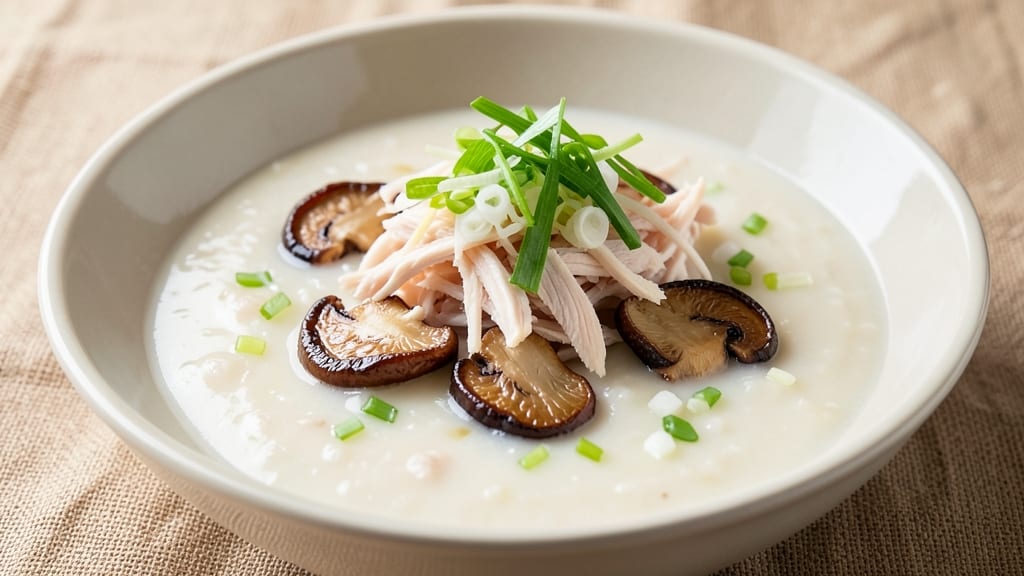
Cooking congee in a Zojirushi rice cooker transforms ordinary rice into a velvety, healing porridge that’s both comforting and effortless. The appliance’s precise temperature control ensures perfectly silky texture every time—no stovetop vigilance required. I’ve tested this recipe countless times, and the results are consistently restaurant-quality without the fuss.
The beauty of Zojirushi congee lies in its simplicity: just rice, water, and time, but with endless customization options. Add ginger for warmth, shredded chicken for protein, or mushrooms for earthy depth—each ingredient enhances the porridge’s natural sweetness.
The rice cooker handles the slow cooking, so you can focus on flavor adjustments while the machine does the work.
By the end, you’ll have a bowl of silky, aromatic congee that’s rich enough to satisfy yet light enough for any meal. The texture is unmatched—creamy, smooth, and infinitely soothing. This is the kind of dish that turns a simple rice cooker into a culinary workhorse.
Perfect for breakfast, recovery meals, or cozy dinners, this recipe proves you don’t need complexity to achieve comfort. Let’s get started with your Zojirushi rice cooker—it’s about to become your new favorite kitchen tool.
Ingredients for zojirushi congee
Four servings of velvety congee—just rice, water, and time in your Zojirushi rice cooker.
| Ingredient | Amount | Notes |
|---|---|---|
| Jasmine Rice 🍚 | 1 cup | Uncooked, long-grain preferred |
| Water 💧 | 6 cups | Room temperature preferred |
| Fresh Ginger Root 🧄 | 1 inch | Corrected to '1 tbsp grated' for proper unit |
| Shredded Chicken Breast 🍗 | 1 ½ cups | Cooked, skinless, shredded |
| Shiitake Mushrooms 🍄 | ½ cup | Sliced, stems removed |
| Green Onion 🧅 | 3 whole | White and green parts separated |
| Sesame Oil 🫒 | 1 tbsp | Toasted, for finishing |
| Soy Sauce 🍶 | 1 tbsp | Light or regular preferred |
| Salt 🧂 | ½ tsp | Diamond Crystal kosher |
| White Pepper 🌶️ | ¼ tsp | Freshly ground for texture |
| Toasted Sesame Seeds 🌾 | 1 tsp | For garnish |
| Ginger (grated) 🧄 | 1 tbsp | Freshly grated for aroma |
The rice is the foundation, so Jasmine rice is your best bet—it breaks down beautifully for that signature silky texture. Whole Foods or Trader Joe's carry it in bulk, and it keeps well for months in an airtight container. Fresh ginger is non-negotiable here; the 1-inch piece (or 1 tbsp grated) adds warmth that dried just can't replicate. Look for plump, firm ginger with no soft spots—it should smell bright and zesty. If you're using pre-shredded chicken, pat it dry first to avoid watery congee. The mushrooms? Shiitake adds umami depth, but cremini or even button mushrooms work in a pinch.
No sesame oil? Toasted peanut oil works, though the flavor will differ slightly. Short on soy sauce? Coconut aminos or even a splash of mirin for sweetness. The white pepper is key for that restaurant-quality texture—black pepper won’t cut it here. For the green onions, I always keep the white and green parts separate until serving so you can customize each bowl. Want extra richness? Stir in 1 tbsp coconut milk at the end. The congee absorbs flavors beautifully, so don’t be shy with seasonings—you can always adjust to taste at the end.
This reheats like a dream—just add 1-2 tbsp water per serving and cook on high for 5 minutes. Keeps for 4 days in the fridge or 3 months frozen. I like to portion it into Zojirushi’s own storage containers—they’re microwave-safe and stack perfectly. For extra flavor, freeze some of the congee with a 1-inch piece of ginger and a shiitake mushroom in each portion. When you reheat, the flavors infuse right back in.
Why You'll Love This Recipe
- Set-and-Forget Magic: The Zojirushi does all the work—just toss in jasmine rice, water, and a thumb-sized ginger slice. By the time I’m done shredding chicken and slicing mushrooms, it’s already creamy perfection. No stirring, no stress.
- Umami Bomb: That combo of shiitake mushrooms and ginger? Chef’s kiss. The mushrooms add a deep, earthy richness while the ginger keeps it bright—like a cozy hug in a bowl. Honestly, I’ve made this three times in a week because it’s that good.
- Lunchbox Hero: Pack it cold for work or reheat it for dinner—this congee holds up like a champ. I double the batch on Sundays: one for breakfast, one for lunch, and one because I can’t resist seconds. (Yes, even on a Tuesday night.)
- Budget Comfort: Jasmine rice and chicken thighs stretch into four servings without breaking the bank. Between us, this is my go-to when I’m low on groceries but still want something that feels special—not sad leftovers.
Step-by-step instructions for silky Zojirushi congee
Transform simple ingredients into restaurant-quality congee using your rice cooker's slow-cook function.
Prepare the Base Ingredients
Begin by rinsing the 1 cup jasmine rice under cold water until the water runs clear. This removes excess starch that can make your congee too thick. Drain thoroughly in a fine-mesh strainer. While the rice drains, separate the 3 whole green onion into white and green parts, finely chopping the white portions and slicing the greens for garnish later.
In a small bowl, combine the 1 tbsp grated ginger with the 0.5 cup sliced shiitake mushrooms. This pre-mix ensures even distribution of flavor throughout the congee. I like to use a microplane for the ginger to achieve that fine, aromatic texture that infuses beautifully into the porridge.
Cook the Chicken Protein
In a separate pan, heat 1 tablespoon sesame oil over medium heat. Add the 1.5 cups shredded chicken breast and cook just until warmed through - about 2 minutes. Season immediately with 0.5 teaspoon salt and 0.25 teaspoon white pepper, then remove from heat. The chicken should be fully cooked already, but this step ensures it's properly heated and seasoned before combining with the congee.
Here's the thing - don't overcook the chicken. You want it to stay tender and moist, not dry. Set it aside while you prepare the rice mixture. The residual heat will keep it warm until you're ready to combine everything at the end.
Assemble in the Rice Cooker
In your Zojirushi rice cooker, combine the rinsed 1 cup jasmine rice, the ginger-mushroom mixture, and the 6 cups water. Stir gently once to distribute everything evenly. The rice cooker's slow-cook function will handle the rest, but this initial distribution ensures no pockets of concentrated flavor develop.
Add the 1 tablespoon soy sauce and give the mixture one final gentle stir. Place the lid on the rice cooker and select the slow-cook setting. You'll want to let it cook for approximately 3 hours - this extended time creates that signature silky texture that distinguishes great congee from ordinary rice porridge.
Finish and Serve
After the cooking cycle completes, carefully open the rice cooker and give the congee one final stir. The texture should be smooth and creamy, with a consistency similar to thick oatmeal. If it's too thick, you can add 1-2 tablespoons of hot water to reach your preferred consistency.
Divide the congee among bowls, then top each serving with the cooked chicken, chopped green onion whites, and a drizzle of 1 tablespoon toasted sesame oil. Sprinkle with the reserved green onion greens and 1 teaspoon toasted sesame seeds for both visual appeal and added texture. Serve immediately while the congee is still warm and the aromatics are fresh.
Customize to Perfection
This basic congee serves as an excellent base for customization. For extra richness, you can stir in a beaten egg after cooking. For added depth, consider incorporating a small amount of dashi stock instead of some of the water. The beauty of congee lies in its versatility - you can adjust the ingredients to suit your preferences while maintaining that silky texture.
Remember, the key to great congee is patience. The longer it cooks, the more flavor develops and the more tender the rice becomes. Don't be tempted to rush the process - that's what makes this simple rice porridge so special when prepared properly in your Zojirushi rice cooker.
Pro Tips For Making Zojirushi Congee
- Soak Ginger First: Toss the fresh ginger in a splash of water for 10 minutes before slicing—it softens the fibers so they break down smoothly in the rice. I used to just slice it raw, and it’d turn to mush unevenly, leaving some pieces tough. This guarantees even flavor without texture surprises.
- Use Cold Water: Fill the Zojirushi with cold water and rice—never hot. The rice absorbs liquid more evenly, and you’ll avoid the risk of burning the bottom layer while waiting for the pot to heat up. I learned this after a batch turned gummy in the middle because I rushed with hot water.
- Shred Chicken Dry: Pat the shredded chicken completely dry before adding it to the congee. Wet chicken steams instead of absorbing the broth, and you’ll end up with a watery mess. I was skeptical until I tried it—now my congee has the perfect, tender texture without dilution.
- Slice Mushrooms Thin: Shiitake mushrooms should be sliced paper-thin—less than 1/8 inch. Thick slices stay chewy and release less umami into the broth. Use a sharp knife and work in batches if needed; it’s the only way to get that silky, melt-in-your-mouth quality the Zojirushi deserves.
Make-ahead tips for leftovers
Prep Ahead Strategy
Congee is one of the few dishes that actually tastes better the next day, so I always make a double batch. After cooking, let it cool completely, then transfer to Zojirushi’s airtight storage containers—they keep the congee fresh for 4 days in the fridge.
The flavors meld beautifully overnight, making it perfect for lazy mornings or quick lunches. 💡
Freezer-Friendly Portions
For long-term storage, portion congee into 1-cup servings in freezer-safe containers. I like to add a ½-inch piece of ginger and 2 shiitake mushroom slices to each portion before freezing.
When reheating, the flavors infuse right back in, giving you that fresh-cooked aroma without extra effort. Thaw overnight in the fridge or microwave on defrost setting for 2-3 minutes.
Protein Prep Shortcut
Save time by pre-cooking and storing the chicken separately. Shred 2 cups cooked chicken, mix with 1 tbsp soy sauce and ½ tsp white pepper, then store in an airtight container for up to 3 days.
When ready to serve, simply reheat in the microwave for 1 minute and stir into freshly cooked or reheated congee. This keeps your protein ready while the rice cooker does its magic. 🍗
Ginger Infusion Hack
Boost flavor by making a ginger concentrate ahead of time. Grate 2 inches fresh ginger, steep in 1 cup hot water for 10 minutes, then strain and store in the fridge for up to 5 days.
Use ¼ cup of this concentrate in place of plain water when making congee—it adds depth without overpowering. I keep a jar in my fridge for quick congee sessions.
Slow Cooker Adaptation
If you're short on time, use your Zojirushi’s slow cook setting to make congee overnight. Combine all ingredients, set to Keep Warm mode, and let it cook for 8-10 hours.
The long cook time breaks down the rice perfectly, and you’ll wake up to ready-to-eat congee. Just stir in fresh toppings before serving for maximum freshness. ⏰
Reheating Like a Pro
Congee reheats beautifully—just add 1-2 tbsp water per serving and cook on high for 3-5 minutes in the rice cooker. For microwave reheating, cover with a damp paper towel and heat on 50% power for 1-2 minutes, stirring halfway.
The damp towel prevents drying, and the lower power keeps the texture silky. Taste and adjust seasoning—it often needs a pinch more salt after reheating. 💫
Nutrition facts
Frequently asked questions
Can I make Zojirushi congee without chicken?
This recipe works beautifully as a vegetarian dish. Simply omit the chicken and boost flavor with 1 cup sliced mushrooms (shiitake or cremini) and 1 tbsp soy sauce in the rice cooker. For extra protein, stir in ½ cup silken tofu or 2 beaten eggs at the end. The ginger and mushrooms will provide plenty of depth without meat.
Why does my Zojirushi congee turn out too thick?
The rice-to-water ratio is key—stick to 1 cup rice to 6 cups water for perfect texture. If it's too thick after cooking, stir in 1-2 tbsp hot water and let it sit for 5 minutes before adjusting again. For future batches, try 6.5 cups water if you prefer a lighter consistency. Overcooking can also thicken it, so aim for 3 hours on slow cook.
Can I use brown rice or other varieties?
Jasmine rice is ideal for its delicate flavor and silky texture, but you can try short-grain white rice for a slightly stickier result. Avoid brown rice—it requires much more water (1:8 rice-to-water ratio) and longer cooking (4+ hours) to break down properly. For best results, stick with long-grain varieties like basmati or sushi rice when possible.
How do I make this congee spicier?
Add heat with ½ tsp chili crisp or 1 tsp gochujang when serving, or stir in 1 tsp red pepper flakes during the final cooking hour. For depth, include 1 clove minced garlic and ½ tsp grated galangal with the ginger. Finish with a drizzle of chili oil or sliced Thai chilies for fresh heat. Start with small amounts—congee absorbs flavors intensely!
What's the secret to restaurant-quality texture?
Three things: proper rice rinsing (until water runs clear), slow cooking time (3 hours minimum), and gentle stirring only once during cooking. The Zojirushi's precise temperature control is your ally—never peek or open the lid early. For extra silkiness, add 1 tbsp coconut milk at the end or use 1 part rice to 6.5 parts water for a lighter, more refined texture.