
Snacks
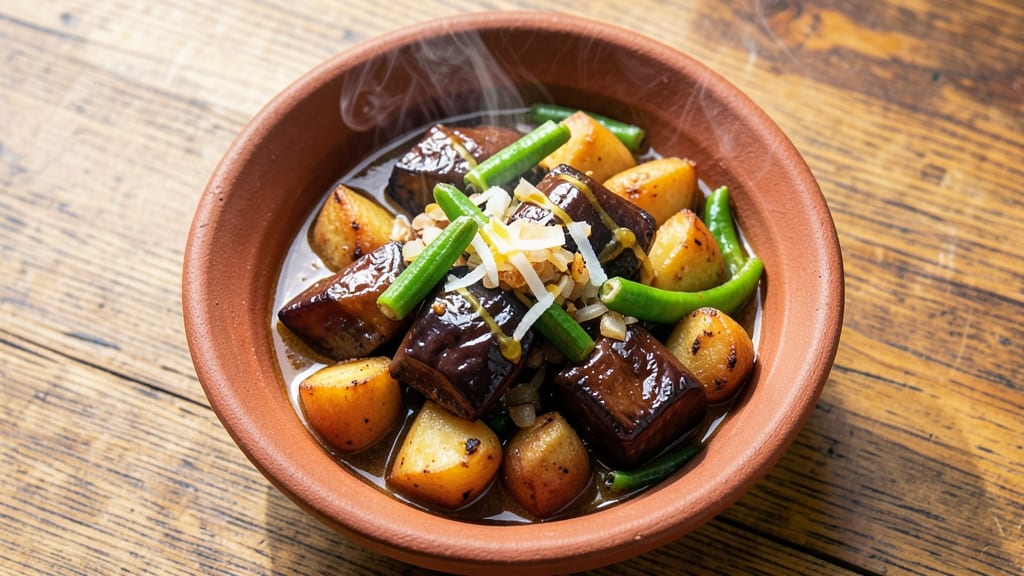
This Gujarati veg undhiyu recipe brings the rich, tangy flavors of traditional Indian cuisine to your kitchen with minimal fuss. The dish transforms humble vegetables into a vibrant, spice-infused masterpiece using tamarind's signature tang and a carefully balanced blend of warming spices.
After years of perfecting the technique, I’ve simplified it for home cooks while preserving its authentic soul—no shortcuts, just deeper flavor.
The magic lies in the slow simmering process, where vegetables like eggplant, potatoes, and okra develop a tender yet firm texture while absorbing the aromatic spice paste. A proper tempering with mustard seeds and curry leaves adds that signature crackle and depth, elevating the dish from ordinary to extraordinary.
What makes this recipe special is its ability to transform simple vegetables into something restaurant-worthy with just 30 minutes of active prep and 45 minutes of hands-off cooking.
By the end, you’ll have a dish that’s rich, tangy, and deeply satisfying—perfect for a hearty vegetarian meal or as a side that steals the show. The tamarind sauce cuts through the richness of the vegetables, creating a perfect balance of sweet, sour, and spicy notes.
This is comfort food at its finest, packed with the flavors of Gujarat but designed for modern kitchens.
Serve it hot with steamed rice, roti, or even as a filling for wraps. The leftovers taste even better the next day, making it ideal for meal prep. Let’s bring the warmth of Gujarati tradition to your dinner table—step by step, with precision and care.
Ingredients for veg undhiyu
Tamarind tang meets slow-simmered veggies—just 15 ingredients for restaurant-worthy Gujarati flavor.
| Ingredient | Amount | Notes |
|---|---|---|
| Eggplant 🍆 | 1 lb | Medium-sized, cut into even chunks |
| Russet Potatoes 🥔 | 1 ½ lbs | Peeled, cut into bite-sized pieces |
| Okra Pods 🌱 | 1 cup | Trimmed, cut into 1-inch pieces |
| Green Bell Peppers 🌶️ | 2 whole | Seeds removed, sliced into strips |
| Tamarind Paste 🍯 | ½ cup | Adjust for tang preference |
| Coconut Oil 🥥 | ¼ cup | For authentic flavor and richness |
| Mustard Seeds 🌱 | 1 tbsp | Whole, for tempering |
| Curry Leaves 🌿 | ¼ cup | Freshly plucked, dried if unavailable |
| Fresh Cilantro 🌿 | ¼ cup | Chopped, for garnish |
| Garam Masala Powder 🌶️ | 1 ½ tsp | Whole spices preferred |
| Turmeric Powder 🧡 | ½ tsp | Fresh root for vibrant color |
| Red Chili Powder 🌶️ | 1 tsp | Adjust for heat preference |
| Asafoetida Powder 🌿 | ¼ tsp | Hing, for authentic aroma |
| Salt 🧂 | 1 ½ tsp | Diamond Crystal preferred |
| Onion 🧅 | 1 whole | Finely chopped, yellow or red |
The tamarind paste is your flavor anchor—look for blocks at Indian markets or use powdered if needed. Fresh curry leaves add that signature aroma, but dried works at half the amount. The eggplant and potatoes need even cutting for consistent texture. I always grab organic okra from the farmers market—it’s sweeter and less slimy. Skip peeling the potatoes if you’re short on time, but scrub them well. The green bell peppers should be crisp—no mealy ones. For the garam masala, Penzeys or local Indian shops have the best blends. Toast your own spices if you’re feeling fancy—it makes a world of difference.
No tamarind paste? Lemon juice plus a pinch of sugar mimics the tang, though it won’t be identical. Asafoetida (hing) is non-negotiable for authenticity, but if you can’t find it, extra garlic powder adds depth. Swap russet potatoes for yukon golds if you prefer creamier texture. The mustard seeds should sizzle when tempered—use a heavy pan and keep heat medium. For extra richness, stir in 2 tbsp coconut milk at the end. The dish tastes even better the next day, so make extra—it’s perfect for meal prep.
Store leftovers in an airtight container for 4-5 days in the fridge. The flavors deepen overnight, so reheat gently with a splash of water. Freezes beautifully for up to 3 months—portion into containers before freezing. For quick meals, keep prepped veggies in the fridge and assemble when ready. Garnish with fresh cilantro right before serving—it wilts fast. Serve with steamed basmati rice or warm roti for the full Gujarati experience.
Why You'll Love This Recipe
- One-Pot Magic: I swear by this recipe when I’m short on time—just toss in chopped eggplant, potatoes, and okra, then let the spices work their magic. No extra bowls, no fuss, just a simmering pot that smells like home by the time you’re done chopping.
- Tamarind Tang Kick: That little packet of tamarind paste? It’s the secret weapon—bright, tangy, and just sweet enough to balance the earthy eggplant and smoky spices. Honestly, it’s the kind of flavor that makes you go back for seconds without even thinking.
- Potluck Star: Between us, this dish is my go-to for gatherings. It’s hearty enough to feed a crowd but still feels special, and the potatoes soak up all the flavors like little flavor sponges. (Yes, even on a Tuesday night, it gets rave reviews.)
- Budget-Friendly Staples: Potatoes and eggplant stretch forever, and okra adds texture without breaking the bank. I’ll be real: my grocery bill stays low, but my fridge never looks empty—because leftovers reheat like a dream and taste just as good the next day.
Step-by-step instructions for veg undhiyu recipe
Here's the authentic Gujarati method—slow-cooked veggies with tamarind's signature tang and aromatic spices.
Prepare and Parboil the Vegetables
Start by cutting the 1 lb eggplant into 1-inch chunks, the 1.5 lbs russet potatoes into bite-sized pieces, and the 2 whole green bell peppers into strips. Trim the 1 cup okra pods into 1-inch lengths and finely chop the 1 whole onion. Keep all vegetables separate in bowls for now.
In a large pot, bring 4 cups water to a rolling boil. Add the potatoes and cook for 5 minutes, then add the eggplant and cook for another 3 minutes. Remove both with a slotted spoon and drain well. In the same water, add the okra and bell peppers, cooking for 2 minutes before draining. This quick parboil preserves texture and prevents the vegetables from turning mushy during the long cooking process.
Temper the Spices in Coconut Oil
Heat 0.25 cup coconut oil in a heavy-bottomed pot over medium heat. Add the 1 tbsp mustard seeds and let them splutter for 30 seconds until they begin popping. Add the 0.25 cup curry leaves and the 0.25 tsp asafoetida powder, stirring constantly for 1 minute until the curry leaves turn crispy and the oil smells fragrant.
Add the 1 whole finely chopped onion and sauté for 3 minutes until golden brown. This step is crucial—it develops the base flavor of the dish. Stir in the 0.5 tsp turmeric powder and 1 tsp red chili powder, cooking for 1 more minute until the spices bloom and release their aromas.
Combine Vegetables and Tamarind
Add the parboiled vegetables to the pot, mixing well to coat them in the spiced oil. Sprinkle over the 1.5 tsp salt and 1.5 tsp garam masala powder, then pour in 0.5 cup tamarind paste mixed with ½ cup water. Stir gently to combine, ensuring the tamarind is evenly distributed.
Bring the mixture to a gentle simmer, then reduce heat to low. Cover the pot and let it cook for 45 minutes, stirring occasionally. The vegetables should soften but retain their shape, and the tamarind will create a tangy, slightly sweet sauce that coats everything.
Simmer to Perfection
After 45 minutes, uncover the pot and increase heat to medium-low. Let the undhiyu cook uncovered for another 15-20 minutes, stirring occasionally, until the sauce thickens slightly and the vegetables are tender yet still hold their structure. You're aiming for a consistency where the sauce clings to the vegetables but isn't overly watery.
Taste and adjust seasoning—add a pinch more salt if needed, or a splash of water if the sauce is too thick. The dish should have a balance of sweetness from the tamarind, spice from the chili and garam masala, and a subtle tang that cuts through the richness of the coconut oil.
Finish and Garnish
Once the vegetables are perfectly tender and the sauce has reached your desired consistency, remove the pot from heat. Stir in the 0.25 cup chopped fresh cilantro, letting it wilt slightly into the sauce. This adds a bright, fresh contrast to the deep, spiced flavors.
Let the undhiyu rest for 5 minutes before serving. The flavors will meld even more during this time, and the sauce will thicken slightly. Serve warm with steamed rice or roti to soak up every last bit of that tangy, spiced goodness. The dish should be vibrant in color—deep green from the curry leaves and cilantro, with a rich, golden hue from the caramelized onions.
Pro Tips For Making Veg Undhiyu
- PRE-CUT POTATOES FIRST: I learned this the hard way—peeling and chopping potatoes after they’ve softened in the gravy is a nightmare. Do this step before adding any spices or tamarind. Uniform 1-inch cubes cook evenly and soak up the undhiyu’s rich flavors without turning mushy.
- SALT THE OKRA: Skip this, and your okra will stay rubbery. Toss the whole pods in a pinch of salt and let them sit for 10 minutes before cooking. This draws out bitterness and keeps them tender-crisp—no soggy texture here.
- LOW AND SLOW FOR EGPLANT: After frying the eggplant, resist the urge to rush it in the gravy. Simmer on medium-low for at least 15 minutes, covered. High heat makes it split apart; slow cooking keeps it intact and lets it absorb the tangy tamarind base properly.
- TOAST THE BELL PEPPERS: My grandmother swore by this, and she was right: char the green peppers slightly before slicing. A quick 2-minute sear in oil deepens their flavor and prevents them from turning to mush later in the dish. (Yes, even if you’re impatient like me.)
Storing and reheating this veg undhiyu
Fridge Storage Tips
Store your veg undhiyu in an airtight container (I use glass Pyrex with snap-on lids) for up to 4-5 days in the fridge. The flavors actually deepen overnight, so the second day is often even better.
Let it cool completely before storing to prevent condensation, which can make the sauce watery. I always leave a ½-inch headspace at the top to allow for any potential expansion from the tamarind sauce. 🥫
Freezer-Friendly Prep
This dish freezes beautifully for up to 3 months—perfect for meal prep! Portion into quart-sized freezer bags or glass containers before freezing. Leave 1 inch of headspace to prevent cracking.
When ready to eat, thaw overnight in the fridge, then reheat gently on the stovetop with 2 tablespoons of water to restore moisture. Avoid microwaving—it can make the vegetables mushy. ❄️
Reheating Like a Pro
For best results, reheat undhiyu on the stovetop. Transfer to a pot and add 2-3 tablespoons of water to prevent sticking. Heat over medium-low heat for 8-10 minutes, stirring occasionally, until warmed through.
If the sauce seems dry, add a splash more water or a teaspoon of coconut milk. The key is patience—rushing will break down the vegetables. 🔥
Microwave Shortcut
When you’re in a hurry, use the microwave—but with caution. Cover with a microwave-safe lid or damp paper towel and heat on 50% power for 2-3 minutes, stirring halfway.
Add 1 tablespoon of water if needed to revive the sauce. This method works best for single servings and won’t give you the same texture as stovetop reheating. ✨
Reviving Leftovers
If your undhiyu tastes a bit flat after storage, don’t worry—it’s an easy fix. Stir in ½ teaspoon of fresh lemon juice or a pinch of asafoetida powder to brighten the flavors. A sprinkle of garam masala or a dollop of yogurt can also restore richness.
The dish often benefits from a quick tempering of mustard seeds and curry leaves in a little oil before serving—it’s like giving it a flavor reset! 💡
Serving Suggestions
Undhiyu tastes best fresh but also works well cold as a salad base. Garnish with extra cilantro and a drizzle of tamarind chutney for a tangy kick. Serve with steamed basmati rice or whole wheat roti to soak up the sauce.
For extra crunch, add toasted peanuts or crumbled feta cheese (if vegetarian-friendly). The contrast of textures makes every bite exciting! 🍽️
Nutrition facts
Frequently asked questions
What makes this veg undhiyu different from other Gujarati vegetable dishes?
The signature tang comes from tamarind paste—this dish balances sweet, sour, and spicy notes uniquely. Unlike other Gujarati veggie curries, it uses a slow-simmered technique with coconut oil and a mustard-curry leaf tempering that creates that signature crackle and aroma. The vegetables stay firm yet flavorful, unlike mushy curries.
Can I substitute tamarind paste if I can't find it?
Yes! Mix 2 tablespoons lemon juice with 1 teaspoon sugar for a similar tang. For deeper flavor, add ½ teaspoon amchur (dry mango powder). The texture won't be identical, but it works in a pinch. Tamarind's unique sweet-sour balance is hard to replicate, but this combo gets close.
Why do the vegetables need parboiling?
Parboiling (3-5 minutes) prevents the vegetables from turning mushy during the long simmer. Eggplant and potatoes absorb flavors better when partially cooked, while okra and bell peppers stay crisp. Skipping this step risks a watery, overcooked dish. Think of it as pre-cooking insurance for perfect texture.
Is veg undhiyu spicy? Can I make it milder?
It has a mild heat from red chili powder—adjust to taste! For a milder version, reduce the chili to ½ teaspoon or swap for ½ teaspoon mild paprika. The tamarind and coconut oil balance the heat naturally. If you love spice, add ½ teaspoon cayenne at the end.
Can I make this dish ahead of time?
Undhiyu tastes even better the next day as flavors meld. Store in an airtight container for 4-5 days in the fridge or freeze for 3 months. Reheat gently on the stovetop with 2 tbsp water—never microwave for best texture. The tamarind sauce thickens overnight, making leftovers richer.