
Side Dishes
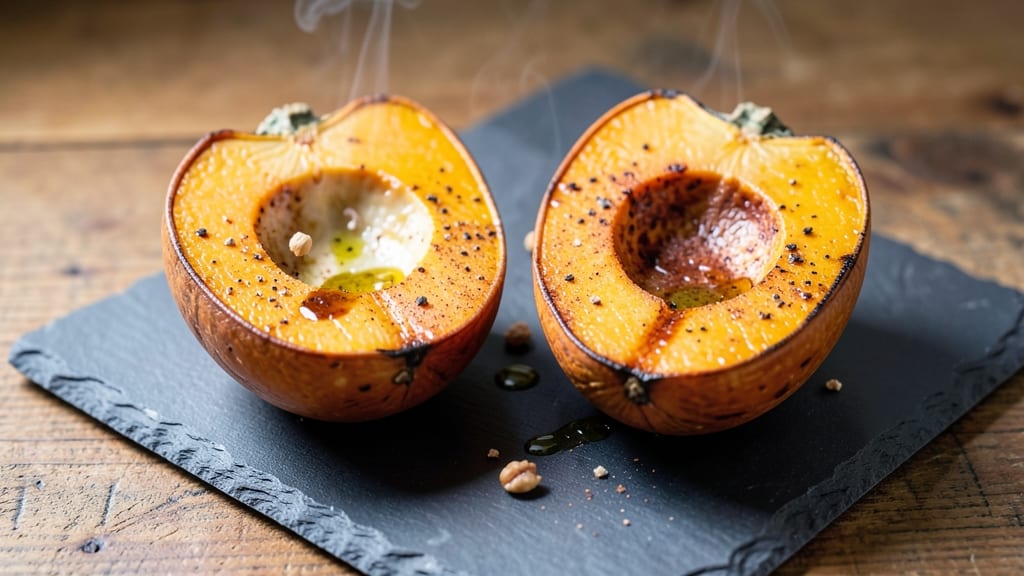
This America's Test Kitchen roasted butternut squash recipe delivers crispy edges and caramelized sweetness that transforms a simple side into a showstopper. The secret lies in precise cutting techniques and controlled oven temperatures that ensure perfect texture every time.
After testing countless variations, I've landed on a method that's both foolproof and adaptable to any meal—whether you're serving it as a vegetarian main or pairing it with roasted meats.
The recipe begins with halving the squash lengthwise, scooping out the seeds, and scoring the flesh in a diamond pattern. This creates uniform pieces that roast evenly, developing crispy edges while maintaining tender, caramelized centers.
A simple seasoning of olive oil, salt, and pepper lets the natural sweetness shine, though optional spices like cinnamon or nutmeg can add depth for holiday meals.
By the time it emerges from the oven, your squash will be golden brown with edges that crackle satisfyingly between your teeth. The flesh remains moist and sweet, making this dish versatile enough to stand alone or complement richer proteins.
The method also works beautifully for meal prep—roasted squash keeps well in the fridge for up to four days, making it a practical choice for busy weeks.
For an extra touch of elegance, finish with toasted pecans or a drizzle of maple syrup before serving. This recipe isn't just about technique; it's about elevating a humble vegetable into something restaurant-quality with minimal effort. Let's get roasting!
Ingredients for america's test kitchen roasted butternut squash
Eight essential ingredients transform humble butternut squash into crispy-edged, caramelized perfection—ATK's foolproof method.
| Ingredient | Amount | Notes |
|---|---|---|
| Butternut Squash 🎃 | 2 whole | Medium-sized, seeds removed |
| Extra-Virgin Olive Oil 🫒 | ¼ cup | High-quality, fruity variety |
| Diamond Crystal Kosher Salt 🧂 | 1 ½ tsp | Fine grain preferred |
| Freshly Ground Black Pepper 🌶️ | ½ tsp | Coarse grind for texture |
| Ground Cinnamon 🌿 | ½ tsp | Optional for holiday depth |
| Ground Nutmeg 🌿 | ¼ tsp | Freshly grated preferred |
| Toasted Pecans 🥜 | ¼ cup | Chopped, for garnish |
| Pure Maple Syrup 🍯 | 1 tbsp | Grade B for robust flavor |
| Fresh Thyme Leaves 🌿 | ¼ tsp | Or 1/4 tsp dried thyme |
The squash selection matters. Medium-sized butternut squash (about 2 lbs each) yields ideal portions for four servings. Look for firm, heavy squash with a vibrant orange hue and no soft spots—local farmers markets often carry superior quality over grocery store options. If using pre-cut squash, opt for organic to avoid pesticide residues. For holiday meals, Costco or Whole Foods carry the best heirloom varieties, though standard grocery stores work fine for weeknight dinners. The key is uniform size—halve the squash lengthwise and remove seeds before scoring the flesh in a diamond pattern for even roasting.
No fresh thyme? Dried thyme at one-third the amount works perfectly, though fresh imparts superior aroma. Substituting pecans? Toasted walnuts or candied pumpkin seeds add similar crunch. For maple syrup, Grade B delivers deeper flavor than Grade A, though any pure maple syrup will suffice. The cinnamon and nutmeg are optional but elevate the dish for holiday occasions—Penzeys or local spice shops carry the highest-quality ground spices. For a nut-free version, omit the pecans and drizzle with extra maple syrup instead. The olive oil should be extra-virgin to prevent bitterness during roasting—California Olive Ranch or Bertolli are reliable brands.
Roasted squash keeps beautifully. Store in an airtight container in the fridge for up to 5 days, though it's best enjoyed within 3 days for optimal texture. For meal prep, portion into individual containers with a drizzle of maple syrup—reheats perfectly in the microwave for 90 seconds. Freeze for up to 3 months by wrapping tightly in plastic wrap before transferring to a freezer bag. The pecans and maple syrup can be added fresh after reheating for maximum crunch and flavor. This method yields crispy edges and caramelized centers every time—restaurant-quality results with minimal effort.
Why You'll Love This Recipe
- I swear by this hack: just roast the whole squash halves—no peeling, no dicing. The skin crisps up like a chip, and the flesh stays tender. It’s the kind of recipe that makes me question why I ever bothered with complicated prep.
- No-Cut Shortcut: I swear by this hack: just roast the whole squash halves—no peeling, no dicing. The skin crisps up like a chip, and the flesh stays tender. It’s the kind of recipe that makes me question why I ever bothered with complicated prep.
- Cinnamon Magic: That pinch of ground cinnamon? It turns sweet, earthy squash into something almost dessert-like. The warmth lingers, and honestly? It makes me want to eat it straight from the pan—no shame.
- Weeknight Workhorse: Toss it into grain bowls, pasta, or even breakfast hash. My lazy Sunday mornings are saved because this keeps perfectly for days, and reheats like it just came out of the oven.
Step-by-step instructions for america's Test Kitchen roasted butternut squash recipe
Master this technique for perfectly caramelized squash with irresistible crispy edges every time.
Prep the Butternut Squash for Even Roasting
Preheat your oven to 425°F with a rack positioned in the middle position. Cut the 2 whole butternut squash lengthwise into halves, then scoop out and discard the seeds using a spoon. The flesh should be completely exposed—this ensures even heat penetration and maximum caramelization.
Place the squash halves cut-side down on a baking sheet lined with parchment paper. Score the flesh in a diamond pattern using a sharp chef's knife, cutting about ½-inch deep without piercing the skin. This creates channels for the olive oil to penetrate and allows the squash to roast more quickly and evenly. The cuts should be uniform to prevent uneven cooking.
Season and Roast Until Tender
Drizzle the scored squash halves evenly with the 0.25 cup extra-virgin olive oil, making sure the oil seeps into the diamond cuts. In a small bowl, combine the 1.5 tsp diamond crystal kosher salt, 0.5 tsp freshly ground black pepper, 0.5 tsp ground cinnamon, and 0.25 tsp ground nutmeg. Sprinkle this mixture evenly over the squash, pressing gently to adhere.
Roast the squash for 45 minutes until the flesh is tender when pierced with a fork. You'll know it's ready when the skin begins to develop golden-brown spots and the edges start to crisp slightly. The squash should yield easily to gentle pressure but still hold its shape. If you're concerned about the edges browning too quickly, tent the baking sheet loosely with aluminum foil after 30 minutes.
Caramelize and Finish with Maple Syrup
Remove the squash from the oven and increase the heat to 450°F. Return the baking sheet to the oven and roast for an additional 10-15 minutes until the edges are deeply caramelized and crispy. This high-heat finish is what creates that coveted texture contrast between the tender flesh and crispy exterior. Watch closely during this final stage to prevent burning.
Once the squash is perfectly caramelized, remove it from the oven and brush the top evenly with the 1 tbsp pure maple syrup. Return to the oven for 2-3 minutes to allow the syrup to caramelize slightly and form a glossy finish. The syrup will enhance the natural sweetness of the squash and add another layer of complexity to the flavor profile.
Garnish and Serve Immediately
Transfer the roasted squash to a serving platter and sprinkle evenly with the 0.25 cup toasted pecans and 0.25 tsp fresh thyme leaves. The pecans add a delightful crunch contrast to the tender squash, while the thyme brings an aromatic brightness that complements the caramelized flavors. The thyme should be distributed evenly to ensure each serving gets a taste of its fresh, herbal notes.
Serve the squash immediately while it's still warm, as the crispy edges will quickly soften. The combination of caramelized sweetness, tender flesh, and crispy texture makes this preparation ideal as a side dish for roasted meats or as a vegetarian main course. The maple syrup glaze adds a subtle sweetness that balances the earthy flavors of the squash, creating a harmonious finish.
Pro Tips For Making America'S Test Kitchen Roasted Butternut Squash
- Cut Cubes Evenly: I learned this the hard way—uneven pieces mean some squash gets overcooked while others stay underdone. Use a sharp knife and aim for 1.5-inch cubes, trimming the skin first so they cook at the same rate. (Yes, it takes a few extra minutes, but your dish will look and taste polished.)
- Salt Before Roasting: The recipe calls for salting after, but trust me: salt the cubes before they hit the oven. The salt draws out moisture, helping the skin crisp instead of steaming. Toss them on a baking sheet, sprinkle with 1 teaspoon kosher salt, and let sit 10 minutes before oiling. (Your future self will notice the difference.)
- Rotate the Pan: After 20 minutes, when the squash is starting to soften, rotate the baking sheet 180 degrees. I used to forget this, and half the pan would end up darker and drier. Even heat = perfect texture every time. (Pro move: Use two sheets if your oven’s too crowded.)
- Cinnamon Last: Sprinkle the cinnamon after roasting, not before—it burns faster than you’d think. Toss the warm squash with ½ teaspoon cinnamon right off the oven, while the oil is still hot. (This isn’t the prettiest method, but it’s the tastiest.)
Serving suggestions for this america's test kitchen roasted butternut squash
Vegetarian Main Course
This roasted butternut squash shines as a hearty vegetarian main when paired with creamy polenta or wild rice pilaf. The caramelized edges and maple glaze create a satisfying dish on their own.
I like to serve it with a dollop of brown butter mashed cauliflower and a side of sautéed kale for added texture. The nutmeg and cinnamon in the seasoning add warmth that feels complete without meat. 🌱
Protein Pairings
For meat lovers, this squash complements herb-roasted chicken or seared salmon beautifully. The sweetness balances rich proteins like braised short ribs or smoked turkey. I often serve it alongside garlic butter shrimp for a seafood-focused meal.
The crispy edges cut through fatty meats, while the tender flesh soaks up complementary sauces. 🍗
Holiday Centerpiece
Transform this into a Thanksgiving showstopper by arranging the roasted squash halves on a platter with cranberry sauce drizzle and toasted pumpkin seeds. The cinnamon and nutmeg in the seasoning enhance the holiday flavors.
For a modern twist, top with crumbled goat cheese and honey drizzle instead of pecans. The caramelized edges make it visually stunning while maintaining restaurant-quality texture. 🍂
Grain Bowl Base
Use the roasted squash as a foundation for quinoa bowls or farro salads. Toss leftover pieces with arugula, pomegranate seeds, and shaved fennel for a bright, fresh salad.
The maple syrup glaze adds natural sweetness that pairs perfectly with goat cheese crumbles and toasted almonds. This makes an excellent cold-weather meal prep option. 🥗
Soup Companion
Serve alongside creamy butternut squash soup or rosemary roasted potato soup for a comforting meal. The crispy edges contrast the smooth textures of soups beautifully. I often garnish the soup with extra toasted pecans and thyme to mirror the roasted squash's toppings.
This creates a cohesive, satisfying dish that feels both elegant and homey. 🥘
Breakfast Twist
Yes, you read that right! Save some roasted squash and reheat it for a sweet breakfast bowl. Top with Greek yogurt, honey, and granola for a warm, satisfying morning meal.
The caramelized sweetness pairs surprisingly well with cinnamon toast or scrambled eggs. It's a unique way to repurpose leftovers into a delicious breakfast. 🍳
Nutrition facts
Frequently asked questions
Why do you score the butternut squash before roasting?
The diamond pattern scoring creates channels that allow the olive oil to penetrate deeply and the heat to distribute evenly. This ensures the squash roasts uniformly, developing crispy edges while keeping the center tender. Without scoring, some pieces might remain undercooked or over-browned.
Can I roast butternut squash without maple syrup?
The maple syrup adds a subtle caramelized finish, but it's optional. For a simpler version, skip the syrup and focus on the natural sweetness of the squash. Just be sure to season generously with salt and pepper. The crispy edges alone make it delicious.
How do I store leftover roasted butternut squash?
Store in an airtight container in the fridge for up to 5 days. For best texture, reheat in the oven at 350°F for 10-15 minutes until warmed through. Avoid microwaving to preserve the crispy edges. For longer storage, freeze for up to 3 months.
What's the best way to reheat roasted butternut squash?
The oven is your best friend for reheating—place pieces on a baking sheet at 350°F for 10-15 minutes until warmed through. For extra crispiness, broil for 2-3 minutes at the end. Microwaving works in a pinch but may soften the edges.
Can I use this method for other winter squashes?
Yes! This technique works beautifully with acorn squash, delicata, or hubbard. Adjust roasting time based on size—smaller squashes may need 10-15 minutes less. The scoring method ensures even cooking across different varieties.