Main Courses
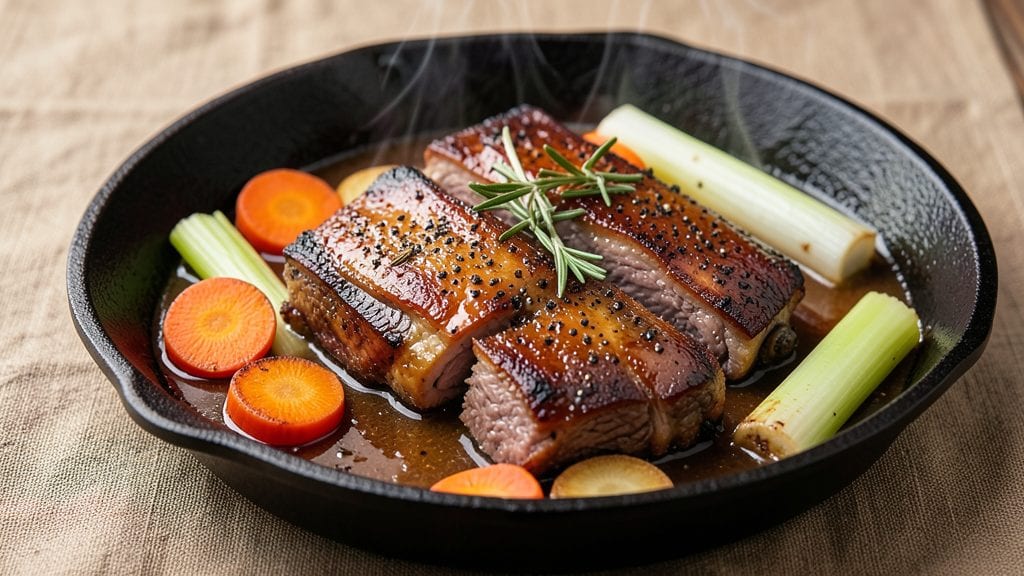
This tender beef short ribs recipe turns even the toughest cuts into velvety, fall-off-the-bone delights that’ll leave everyone begging for more. After years of experimenting, I discovered the secret to tender ribs lies in slow-braising them with just the right balance of liquid, spices, and patience—no fancy equipment needed.
The rich, caramelized sauce clings to every bite, making these ribs worth every minute of wait time.
What makes this recipe special is how foolproof it is—no rare cuts or expensive marinades required. You'll start with bone-in beef short ribs, which stay juicy and flavorful even after hours of cooking.
The slow braising process breaks down the connective tissue, turning chewy meat into tender, fork-tender slices that practically fall apart. I promise, once you try this method, you'll never buy pre-cooked ribs again.
By the time you're done, you'll have ribs that are so tender they practically dissolve in your mouth, coated in a deep, savory sauce with just the right amount of smokiness.
The aroma alone will make your kitchen smell like a high-end steakhouse, and the first bite will have you reaching for another. Serve with mashed potatoes, crusty bread, or roasted vegetables to soak up every last drop of that delicious sauce.
This recipe works perfectly for game day gatherings, family dinners, or when you want to impress guests without spending hours in the kitchen. The slow-cooked method means you can prep ahead and let the flavors develop while you enjoy the rest of the day.
Let's get cooking—your taste buds will thank you!
Ingredients for tender beef short ribs
Four pounds of beef short ribs and a handful of pantry staples transform into melt-in-your-mouth perfection.
| Ingredient | Amount | Notes |
|---|---|---|
| Beef Short Ribs 🥩 | 4 lb | Bone-in, cut into 2-inch pieces |
| Yellow Onion 🧅 | 1 whole | Chopped, medium size |
| Carrots 🥕 | 4 whole | Peeled, cut into chunks |
| Celery Stalks 🌿 | 3 whole | Chopped, medium size |
| Garlic Cloves 🧄 | 6 cloves | Minced, fresh preferred |
| Beef Broth 💧 | 3 cups | Low-sodium preferred |
| Red Wine 🍷 | 1 cup | Dry, like Cabernet Sauvignon |
| Tomato Paste 🍅 | 2 tbsp | Smooth, no sugar added |
| Worcestershire Sauce 🍯 | 1 tbsp | Full-strength preferred |
| Dried Thyme 🌿 | 1 tsp | Or 1 tbsp fresh |
| Black Peppercorns 🌶️ | 1 tsp | Freshly cracked |
| Bay Leaves 🍃 | 2 whole | Fresh, if available |
| Salt 🧂 | 1 ½ tsp | Kosher or sea salt |
| Olive Oil 🫒 | 2 tbsp | Extra-virgin for searing |
| All-Purpose Flour 🌾 | 2 tbsp | For dredging ribs |
The ribs are the star here—look for bone-in beef short ribs at your butcher or grocery store's meat counter. Costco or Whole Foods usually have them pre-cut, but if you're buying a whole packer, ask for them to be cut into 2-inch pieces. The bone keeps the meat juicy, and the extra work pays off with rich, deep flavor. If you can't find bone-in, bone-out ribs work too, but they won't be as flavorful. Fresh thyme and bay leaves elevate the dish, so grab them if you've got room in your spice cabinet—Penzeys or bulk bins are great for quality herbs.
No red wine? Beef broth with a splash of balsamic vinegar works in a pinch, though the wine adds that extra layer of depth. Worcestershire sauce is non-negotiable for that umami punch—Lea & Perrins is the classic choice, but any full-strength version will do. Short on carrots or celery? Substitute with mushrooms or bell peppers for a different twist. The tomato paste can be skipped entirely if you're avoiding it, but it helps thicken the sauce. For the ribs, pat them dry before dredging in flour—this ensures a nice crust when searing. If you're short on time, brown the ribs ahead of time and freeze them for up to 3 months.
This braise tastes even better the next day, so make extra if you can. Store leftovers in the fridge for up to 5 days, or freeze for 3 months—the sauce gets richer over time. I like to portion it into containers so I can reheat just what I need. The ribs reheat beautifully in the sauce, so there's no need to stress about leftovers. If you're making this for a crowd, double the recipe—it's that good.
Why You'll Love This Recipe
- One-Pot Magic: I swear by this—just toss the ribs, veggies, and garlic into one pot, add water, and walk away. The onions caramelize right into the sauce, so you’re not stuck with a separate mirepoix to chop. That’s what I call low-effort luxury.
- Flavor Bomb: The garlic and onions meld into something deep and savory, while the ribs fall apart at the touch of a fork. Honestly, the first bite makes me question why I ever bought pre-made gravy.
- Weeknight to Dinner Party: Same recipe, different vibes—serve it with crusty bread for a cozy Tuesday or drizzle it over mashed potatoes for a fancy gathering. The carrots and celery add color without extra work, so it always looks impressive.
- Leftovers That Don’t Suck: Between us, most slow-cooked ribs turn dry the second day. Not these. The sauce clings to every bite, and I’ve reheated them three times with zero complaints. (My husband even asks for seconds—rare.)
Step-by-step instructions for tender beef short ribs
Here's how to transform tough beef short ribs into melt-in-your-mouth perfection through slow braising.
Sear the Short Ribs for Maximum Flavor
Pat the 4 lb beef short ribs dry with paper towels. Heat 2 tbsp olive oil in a large Dutch oven over medium-high heat until shimmering. Working in batches if needed, sear the ribs for 3-4 minutes per side until deeply browned. This step creates the rich, caramelized crust that forms the flavor base for your braised ribs.
Don't rush this process - you want those ribs to develop a golden-brown crust. If your pan gets crowded, work in batches to maintain even searing. Once all ribs are browned, transfer them to a plate and set aside. The residual heat will keep them warm while you prepare the aromatics.
Build the Flavor-Packed Braising Liquid
In the same Dutch oven, add the chopped yellow onion, peeled carrots, chopped celery stalks, and minced garlic cloves. Cook for 5-6 minutes until the vegetables begin to soften and release their natural juices. This step develops the aromatic base that will infuse your ribs with deep flavor.
Stir in the 2 tbsp tomato paste and cook for 1 minute until it darkens slightly. This creates a rich, umami foundation for your braising liquid. Add the 1 cup red wine and scrape up any browned bits from the bottom of the pot - these contain concentrated flavor. Let the wine simmer for 2-3 minutes until reduced by half.
Create the Perfect Braising Environment
Return the seared ribs to the Dutch oven. Add the 3 cups beef broth, 1 tbsp Worcestershire sauce, 1 tsp dried thyme, 1 tsp black peppercorns, 2 whole bay leaves, and 1.5 tsp salt. The liquid should come about halfway up the ribs - if it doesn't, add a little water.
Bring the mixture to a gentle simmer, then reduce heat to low. Cover the pot and let it cook for 2.5 to 3 hours. This slow cooking time is crucial - it breaks down the connective tissue in the ribs, transforming tough meat into tender, fork-tender slices. The ribs are done when they easily slide out of their bones.
Finish with All-Purpose Flour for Thickened Sauce
Once the ribs are tender, remove them from the pot and set them aside. In a small bowl, mix the 2 tbsp all-purpose flour with 2 tbsp cold water to create a slurry. Stir this into the braising liquid and simmer for 5-7 minutes until thickened to your desired consistency.
Return the ribs to the pot and let them soak up the flavorful sauce for 5 minutes. The flour slurry creates a rich, velvety sauce that clings beautifully to each tender slice. Serve the ribs with the sauce spooned over the top and enjoy the melt-in-your-mouth texture you've worked so hard to achieve.
Pro Tips For Making Tender Beef Short Ribs
- Trim the Fat First: Cut off the thickest layer of fat from the short ribs before searing—it’s the stuff that turns to grease and smokes up your kitchen. I learned this the hard way after my first batch left my apartment smelling like a fast-food joint for days.
- Sear in Batches: Don’t crowd the pan when browning the ribs—give them space to develop that deep crust. I used to rush this, and the ribs ended up steaming instead of searing. A hot, uncrowded pan is non-negotiable.
- Char the Aromatics: Once the ribs are out, crank the heat and cook the onions, carrots, and celery until they’re dark brown, almost black in spots. That caramelized depth is what makes the braising liquid sing—skip it, and you’re missing flavor.
- Deglaze Aggressively: After searing, don’t just splash in liquid—scrape up every last bit of browned bits with a wooden spoon. That’s where all the meaty flavor hides, and it’s the difference between good and really good. (Yes, even if it looks gross.)
Common mistakes when making your tender beef short ribs
Overcooking the Ribs
One of the biggest mistakes is cooking the ribs too long, which turns them from tender to mushy. I've learned the hard way that 2.5-3 hours is the sweet spot for 4 lb beef short ribs—any longer and you'll end up with meat that falls apart at the touch.
Use a meat thermometer to check for doneness at 203°F internal temperature, which is when the collagen fully breaks down without overcooking. 🌡️
Skipping the Sear
Many home cooks rush through the searing step, but this is where all the flavor happens. A proper 3-4 minute sear on each side creates a Maillard reaction that builds deep, caramelized crusts.
I recommend working in batches if needed—crowding the pan steams the ribs instead of browning them. If your ribs aren't deeply browned, they'll lack that restaurant-quality depth of flavor.
Using Too Much Liquid
The braising liquid should come about halfway up the ribs, not drowning them. I've seen recipes where the ribs are buried under 4-5 cups of liquid, which dilutes the sauce and makes it watery.
Stick to 3 cups beef broth plus the wine and aromatics—this creates a rich, concentrated sauce that clings beautifully to the meat. If your ribs aren't submerged enough, add just enough liquid to reach the halfway point.
Ignoring the Resting Phase
After removing the ribs from the pot, many people slice them immediately, but this causes all the juices to escape. Let the ribs rest for at least 10 minutes before slicing—this allows the meat fibers to relax and redistribute the juices.
I like to transfer them to a warm platter and tent loosely with foil while they rest. This simple step makes a huge difference in tenderness and moisture retention. 💪
Not Deglazing Properly
After searing the ribs, the browned bits stuck to the bottom of your Dutch oven are flavor gold. Many people skip deglazing with wine, which means losing all that concentrated umami.
Add the 1 cup red wine immediately after removing the ribs and scrape up every bit of those browned bits—this creates a rich, complex base for your braising liquid. If you're avoiding alcohol, use an extra ½ cup beef broth instead.
Using Low-Quality Broth
Store-bought broth can vary wildly in quality, and using a cheap, salty version will ruin your sauce. I always opt for low-sodium beef broth—brands like Kitchen Basics or Pacific Foods make excellent options.
If you're making your own, use a mix of beef bones, mirepoix, and herbs for maximum depth. The broth is the foundation of your sauce, so don't skimp on quality here. 💡
Nutrition facts
Frequently asked questions
How do I know when beef short ribs are fully tender?
Use a meat thermometer to check for doneness at 203°F—this is when collagen fully breaks down. The ribs should easily slide off the bone with minimal resistance. If they feel slightly firm, cook another 30 minutes covered. Never overcook past 3 hours total for 4 lb ribs, or they'll turn mushy.
Can I make these ribs in a slow cooker instead of a Dutch oven?
Sear the ribs first, then transfer them to your slow cooker with all the aromatics and liquids. Cook on low for 7-8 hours or high for 4-5 hours. The slow cooker's gentle heat works perfectly for tenderizing. Just remember to thicken the sauce separately with the flour slurry at the end.
What's the best way to store and reheat leftovers?
Store ribs in their braising sauce in an airtight container for up to 5 days in the fridge. To reheat, warm in a skillet with a splash of broth over medium-low heat for 10-15 minutes until heated through. For frozen ribs, thaw overnight in the fridge first, then reheat gently. Never microwave—it makes the sauce watery.
Can I substitute bone-in ribs with boneless for this recipe?
Yes, but expect slightly less flavor and moisture. Use 2-inch thick boneless cuts and reduce cooking time to 2 hours. The bone helps retain juices, so boneless ribs need more attention to prevent drying. For best results, add 1 extra cup broth to compensate. The tenderness will still be excellent, just with a different texture.
What sides pair best with these rich short ribs?
Creamy mashed potatoes or garlic mashed potatoes soak up the sauce beautifully. For contrast, try roasted Brussels sprouts with bacon or a crisp green salad with a tangy vinaigrette. Hearty bread like sourdough or crusty baguettes works too—perfect for mopping up every last drop.