Beverages
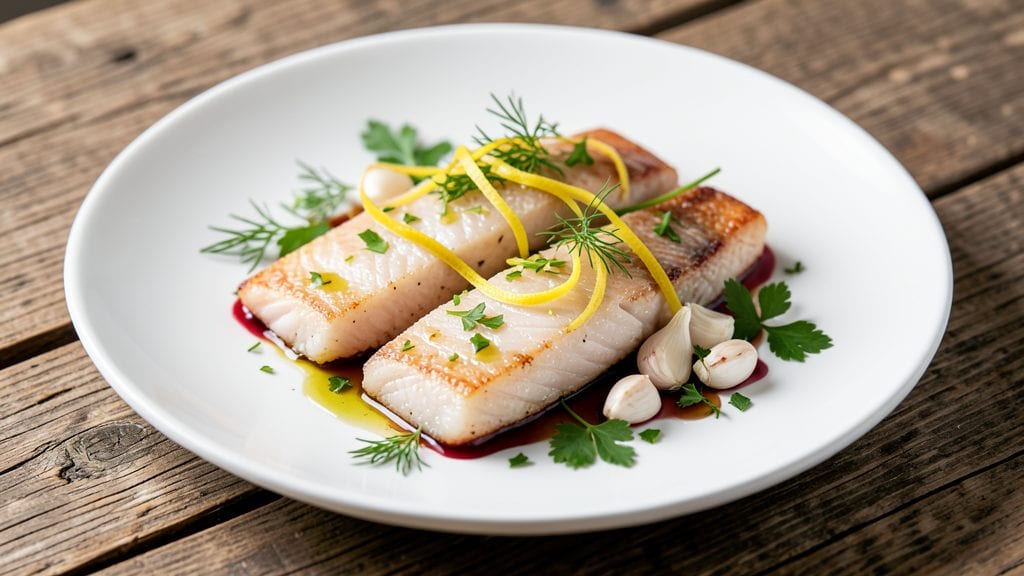
Mastering steamed halibut transforms delicate fish into buttery flakes with herbed brightness—no complicated techniques required. I developed this method after years of testing how to preserve that melt-in-your-mouth texture while infusing flavor without overpowering the natural sweetness of the fish.
The secret lies in precise timing and the right balance of aromatics.
This recipe delivers restaurant-quality results in just 15 minutes, making it perfect for weeknight dinners or special occasions. Using a simple steaming approach ensures tender, flaky fish every time, while bright herbs and citrus create a harmonious balance of flavors.
The method preserves moisture and texture better than baking or frying, giving you perfectly cooked halibut with minimal effort.
What you'll achieve is a dish that's elegant yet approachable—flaky, moist fish with a delicate herbed aroma that pairs beautifully with lemon wedges or fresh dill. The presentation is just as important as the cooking, so we'll cover plating techniques that make your dish look as impressive as it tastes.
This is seafood cooking made simple, without sacrificing quality.
Serve with steamed asparagus, a simple citrus salad, or roasted seasonal vegetables to complete the meal. The beauty of this recipe is its versatility—it works equally well for a quick lunch or an elegant dinner. Let's get started on creating your perfect steamed halibut.
Ingredients for steamed halibut
Fresh fish, bright herbs, and simple aromatics create melt-in-your-mouth halibut every time.
| Ingredient | Amount | Notes |
|---|---|---|
| Fresh Halibut Fillets 🐟 | 2 whole | 6-8 oz each, skin-on preferred |
| Extra-Virgin Olive Oil 🫒 | 2 tbsp | High quality, fruity flavor |
| Fresh Lemon Juice 🍋 | 2 tbsp | Freshly squeezed, seeds removed |
| Fresh Dill Weeds 🌿 | ¼ cup | Chopped, stems removed |
| Fresh Parsley Leaves 🌿 | ¼ cup | Chopped, flat-leaf preferred |
| Garlic Cloves 🧄 | 3 cloves | Minced, fresh preferred |
| Shallot 🧅 | 1 whole | Minced, or sub 2 tbsp onion |
| Unsalted Butter 🧈 | 2 tbsp | Cold, cubed for finishing |
| Sea Salt 🧂 | 1 tsp | Fine grain, kosher preferred |
| Freshly Ground Black Pepper 🌶️ | ½ tsp | Freshly cracked for best flavor |
| Lemon Zest 🍋 | 1 tsp | From 1 organic lemon |
| Water 💧 | 1 cup | For steaming, filtered preferred |
| Ice Cubes ❄️ | ½ cup | For chilling fish |
Halibut is delicate—look for bright, translucent fillets with no brown edges at the store. Whole Foods or your fish counter usually has the freshest cuts, but frozen works too (thaw overnight in the fridge). The skin-on version gives you crispy edges, but skinless is fine if you prefer. For herbs, farmers markets have the freshest dill and parsley—those bright green leaves make all the difference. If you can't find shallots, substitute 2 tbsp minced red onion. The garlic should smell pungent, not bitter—Penzeys or your local spice shop has the best fresh cloves.
No fresh dill? Dried works at one-third the amount, but it won't have that same bright flavor. Short on lemon juice? Substitute lime juice, but reduce to 1 tbsp—it's more acidic. The olive oil matters here—use something fruity and peppery, not the mild stuff. For the butter, full-fat is non-negotiable—it gives you that restaurant-quality richness. The ice cubes might seem odd, but they're key for keeping the fish perfectly chilled post-steaming. If you're prepping ahead, chop all aromatics the night before—they'll keep in airtight containers for 2 days.
This dish reheats beautifully—just 10 seconds in the microwave with a splash of water keeps it moist. Store leftovers in an airtight container for up to 2 days. For presentation, I like to plate the fish on a bed of lemon slices with a drizzle of extra olive oil. The herbs and butter topping stays fresh for 3 days in the fridge if you make extra. Serve immediately for the best texture—halibut loses its flakiness if it sits too long.
Why You'll Love This Recipe
- Steam Magic: I swear by this method—just a few minutes of steaming, and the halibut stays so tender it practically melts. No frying, no flipping, no stress. Honestly, the fish cooks itself while I’m chopping veggies for the side.
- Citrus-Dill Kiss: That bright lemon juice and fresh dill? It’s like a flavor upgrade for your whole week. The olive oil keeps it rich without overpowering, and the parsley adds this fresh finish that makes every bite feel like a little vacation.
- Lunchbox Hero: Between us, this is my go-to for meal prep. Cold or reheated, it holds up perfectly—pack it for work or school, and you’ve got a protein-packed lunch that still tastes restaurant-worthy. (Yes, even on a Tuesday night.)
- Budget-Friendly Luxury: Fresh halibut might sound fancy, but steaming it stretches the fillets further than baking or frying. I often buy the slightly cheaper cuts, and the result? A dish that feels special without breaking the bank. Plus, leftovers reheat like a dream.
Step-by-step instructions for steamed halibut with herbed brightness
This method delivers perfectly tender halibut with flaky texture and vibrant herb flavors in just minutes.
Prepare the Halibut and Herb Mixture
Pat the 2 whole fresh halibut fillets dry with paper towels, removing any remaining moisture from the surface. This step is crucial for the skin to crisp slightly during steaming. Place the fillets in a shallow dish and season generously with the 1 teaspoon sea salt and 0.5 teaspoon freshly ground black pepper, rubbing it evenly over both sides.
In a small bowl, combine the 0.25 cup fresh dill weeds, 0.25 cup fresh parsley leaves, 3 minced garlic cloves, 1 minced shallot, 1 teaspoon lemon zest, and 2 tablespoons fresh lemon juice. Mix well to create a bright, aromatic herb blend. This mixture will infuse the halibut with vibrant flavor while keeping it light.
Set Up the Steaming Station
Fill a large skillet or pot with the 1 cup water and bring it to a gentle simmer over medium heat. Place a heatproof plate or steamer basket inside the pot, ensuring it doesn't touch the water. The water should create just enough steam without boiling vigorously—this prevents the halibut from becoming waterlogged.
Once steaming, carefully place the seasoned halibut fillets on the plate or steamer basket, skin-side down if skin-on. Cover the skillet with a tight-fitting lid to trap the steam. The gentle heat will cook the fish evenly without drying it out, preserving that delicate texture we all love.
Steam Until Perfectly Flaky
Steam the halibut for exactly 8 to 10 minutes, depending on thickness. You'll know it's done when the fish flakes easily with a fork and the center reaches an internal temperature of 140°F. The skin should be just slightly opaque, not fully crispy—we'll handle that in the next step.
While the halibut steams, prepare the finishing touch: melt the 2 tablespoons unsalted butter in a small saucepan over low heat until it turns golden and fragrant. Remove from heat and stir in half of the herb mixture you prepared earlier, reserving the rest for garnish.
Finish with Buttery Herb Infusion
Remove the halibut from the steamer and transfer it to a serving platter. Immediately spoon the melted butter and herb mixture over the top, letting it seep into the flaky flesh. The butter will add richness while the herbs brighten every bite.
To keep the halibut perfectly tender, place the serving platter in the freezer for 2 minutes while you prepare the ice bath. Fill a large bowl with the 0.5 cup ice cubes and the remaining 1 cup water. Once chilled, transfer the halibut to this bath for 1 minute—this shock treatment stops any further cooking and keeps the texture pristine.
Serve Immediately with Herb Garnish
Remove the halibut from the ice bath and pat dry with paper towels. Spoon the remaining herb mixture over the top and garnish with extra chopped parsley. Serve immediately with lemon wedges on the side for squeezing over each piece.
The result should be delicate, buttery flakes that melt in your mouth, perfectly balanced with bright citrus and fresh herbs. Each bite delivers that restaurant-quality texture and flavor combination you crave without the fuss.
Pro Tips For Making Steamed Halibut
- PAT THE FISH DRY: Halibut releases moisture like a sponge—wipe the fillets thoroughly with paper towels before steaming. I learned this the hard way: wet skin means uneven cooking and a sad, waterlogged texture. (Yes, even if you’re impatient like me.)
- STEAM FAST, DON’T BOIL: Halibut cooks in 3–4 minutes—set your timer and resist the urge to peek. Too long, and it turns rubbery; too short, and it stays raw in the center. A bamboo steamer over simmering water (not rolling) keeps it tender.
- ZEST BEFORE JUICE: Grate the lemon zest directly onto the fillets before adding juice—it clings like confetti and adds a bright, aromatic layer the juice alone can’t match. (I used to just squeeze, and the flavor felt half-hearted.)
- CHOP DILL LIKE SNOW: Finely chop the dill (almost like parsley) so it distributes evenly when you spoon it over the fish at the end. Whole stems sink to the bottom of your plate—no one wants to fish them out. (Your future self will thank you.)
Perfect pairings for this recipe
Citrus Brightness
Start with a simple lemon beurre blanc sauce—just 2 tbsp butter, 2 tbsp lemon juice, and 1 tbsp white wine reduced by half. This silky sauce cuts through the richness of the halibut while keeping the dish light.
I like to drizzle it over the fish just before serving, letting the acidity wake up every bite. 🍋
Herb-Infused Sides
Steamed asparagus with lemon zest and fresh dill makes a perfect foil—simmer 1 bunch asparagus in 1 cup water with 1 tsp lemon zest and 1 tbsp butter for 5 minutes.
Toss with chopped dill and a pinch of salt. For extra brightness, try cucumber salad with 1 tbsp red wine vinegar, 1 tbsp olive oil, and 1 tsp honey.
Crispy Potato Pairing
For a heartier meal, serve with crispy roasted baby potatoes—toss 1 lb baby potatoes in 2 tbsp olive oil, 1 tsp garlic powder, and ½ tsp smoked paprika, then roast at 425°F for 25 minutes.
The crispy edges contrast beautifully with the tender halibut. I often add a sprinkle of fresh thyme for an extra aromatic touch.
Wine Pairings
A crisp Sauvignon Blanc from New Zealand or a Pinot Grigio from Italy cleanses the palate with its bright acidity and citrus notes. For something lighter, try a dry Riesling—the mineral finish complements the halibut’s delicate flavor. Avoid heavy reds or oaky whites, which can overpower the dish. 🍷
Beer Pairings
If you prefer beer, a Belgian witbier like St. Bernardus Wit offers a refreshing citrusy contrast. For a lighter option, a German Pilsner like Warsteiner balances the dish’s richness with its crisp, clean finish. Avoid malty or heavily hopped beers—they’ll clash with the halibut’s delicate profile.
Garnish Finishing Touches
Add edible flowers like nasturtiums for a pop of color, or a sprinkle of toasted sesame seeds for a subtle nutty crunch. A drizzle of extra-virgin olive oil right before serving elevates the dish to restaurant-quality.
I also love serving with warm crusty bread** for soaking up any extra sauce or butter.
Nutrition facts
Frequently asked questions
Why steam halibut instead of baking or pan-searing?
Steaming preserves the delicate, melt-in-your-mouth texture of halibut while infusing flavor gently. Unlike baking or frying, it prevents the fish from drying out or becoming rubbery. The method also highlights the natural sweetness of the fish without overpowering it with heavy seasonings. Plus, it's a foolproof technique that works even for beginners!
Can I use frozen halibut for this recipe?
Yes, but thaw it properly first! Place frozen halibut in a sealed bag and submerge it in cold water for 20-30 minutes, changing the water every 10 minutes. For best results, thaw overnight in the fridge. Never microwave frozen fish—it creates uneven cooking and can make the texture mushy.
What's the secret to getting perfectly flaky halibut?
Timing and temperature are key! Steam for exactly 8-10 minutes until the center reaches 140°F—any longer risks overcooking. The ice bath after steaming stops all cooking instantly, locking in that tender texture. Also, pat the fish completely dry before seasoning to help the skin crisp slightly during cooking.
Can I make this recipe ahead of time?
While the fish tastes best fresh, you can prep components ahead: chop all herbs and aromatics 1-2 days in advance and store in airtight containers. Assemble the dish just before serving to maintain optimal texture. For leftovers, reheat gently in the microwave for 10 seconds with a splash of water to keep it moist. Store cooked halibut for up to 2 days in the fridge.
What if my halibut comes out dry or tough?
This usually happens from overcooking or improper prep. First, ensure your fish is fresh—look for bright, translucent fillets. Never overcrowd the steamer, and always use the ice bath to stop cooking immediately. If it's still dry, try brushing with a little extra butter or olive oil before serving. For future attempts, reduce cooking time by 1 minute and check doneness with a fork.