Soups & Stews
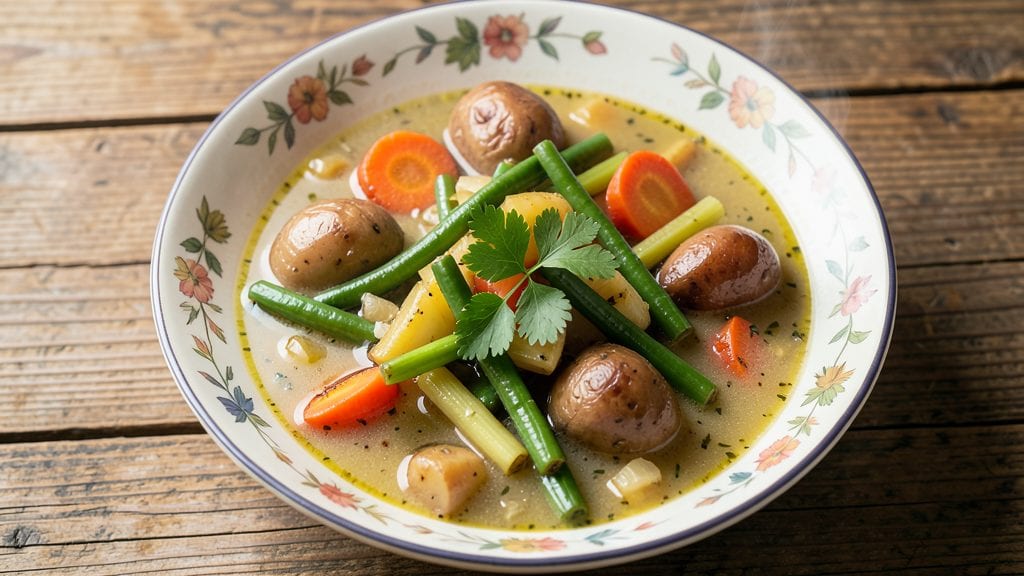
This Amy’s French Country Vegetable Soup copycat recipe brings that same cozy, herb-rich magic into your kitchen with every comforting bite. The secret lies in building layers of flavor through slow-simmered vegetables, aromatic herbs, and a rich broth base that feels like a hug on a chilly day.
I've perfected this copycat version after testing multiple iterations to capture the exact balance of savory, earthy, and slightly sweet notes that make this soup legendary.
This one-pot recipe transforms simple vegetables into a restaurant-quality dish with minimal effort. The key is simmering the vegetables in stages—first the hardier ones like carrots and potatoes, then the delicate ones like peas and green beans—to preserve their texture.
Fresh herbs like thyme and parsley infuse the broth with that signature French country aroma, while a touch of cream at the end adds velvety richness without overpowering the natural vegetable flavors.
What you'll end up with is a steaming bowl of rustic vegetable soup with tender, perfectly seasoned vegetables floating in a fragrant, well-balanced broth.
The aroma alone will fill your kitchen with warmth, while the first spoonful delivers that comforting blend of savory, herby, and slightly sweet flavors that make this dish so beloved. Perfect for a cozy family dinner or a nourishing meal on a chilly afternoon.
Serve with crusty bread to soak up every last drop of that flavorful broth, or garnish with fresh parsley and a drizzle of olive oil for an elegant touch.
This copycat version stays true to the original while offering the satisfaction of making it at home. Let's get cooking and bring that French country comfort to your table.
Ingredients for amy's french country vegetable soup copycat
Simple vegetables meet aromatic herbs in this cozy copycat recipe that delivers restaurant-quality comfort.
| Ingredient | Amount | Notes |
|---|---|---|
| Vegetable Broth 💧 | 6 cups | Low-sodium preferred for balance |
| Carrots 🥕 | 1 ½ lb | Medium-sized, peeled and sliced |
| Russet Potatoes 🥔 | 1 ½ lb | Peeled and cubed, 1-inch pieces |
| Celery Stalk 🧅 | 3 whole | Trimmed and sliced, leaves reserved |
| Yellow Onion 🧅 | 1 whole | Peeled and chopped |
| Green Beans 🌽 | 1 lb | Trimmed, fresh or frozen |
| Fresh Peas 🌱 | 1 cup | Frozen works too, no thawing |
| Garlic Cloves 🧄 | 4 cloves | Minced for depth of flavor |
| Fresh Thyme 🌿 | ¼ cup | Stems removed, chopped finely |
| Fresh Parsley 🌿 | ¼ cup | Chopped for garnish and flavor |
| Heavy Cream 🥛 | ½ cup | Full-fat for velvety texture |
| Dry White Wine 🍷 | ½ cup | Sauvignon Blanc preferred |
| Salt 🧂 | 1 ½ tsp | Kosher or sea salt |
| Black Pepper 🌶️ | ½ tsp | Freshly ground for best flavor |
| Extra-Virgin Olive Oil 🫒 | 2 tbsp | For sautéing vegetables |
The broth is the foundation, so don't skimp. Low-sodium vegetable broth keeps the flavors balanced—no need to add extra salt later. I always grab Organic Valley or Imagine from the grocery store, but any good-quality brand works. Fresh herbs are non-negotiable here. Trader Joe's has the best thyme and parsley at great prices, but even your local market's fresh section will do. Look for vibrant green leaves with no wilting—those are the ones packed with flavor. The potatoes should be russets for that classic creamy texture, but Yukon Golds work too if that's what you've got.
No white wine? Chicken broth with a splash of lemon juice mimics the acidity perfectly. Fresh thyme is ideal, but dried thyme at one-third the amount gets you close. The green beans can be fresh or frozen—just trim the ends. If you're using frozen peas, no need to thaw them first. The celery leaves? Don't toss them! Tear them up and add them to the pot—they're packed with flavor. For extra richness, a splash of cream at the end is key, but if you're watching calories, a dollop of Greek yogurt works too.
This soup tastes even better the next day as the flavors meld together. Keeps 4-5 days in the fridge, or freeze portions for up to 3 months. I always make a double batch—perfect for lunches all week. Garnish with fresh parsley and a drizzle of olive oil right before serving to keep everything vibrant. The crusty bread? That's for soaking up every last drop of that fragrant broth.
Why You'll Love This Recipe
- No Chopping Drama: I swear by this—just dice the onion, slice the celery, and halve the carrots. No peeling potatoes, no fancy techniques. The broth does all the heavy lifting while you sip wine and pretend you’re in a Parisian bistro.
- Creamy Without Dairy: That velvety texture? Pure magic from the potatoes breaking down in the broth. No cream, no butter—just honest, rustic richness that somehow tastes like it simmered all day (even if it didn’t).
- Leftovers That Beg for More: Honestly, I make a double batch on Sundays because the flavor only gets better overnight. Reheat it, add a swirl of crème fraîche, and suddenly you’ve got a fancy lunch without trying.
- Pantry Staple Power: Between us, this recipe uses things you already own. Vegetable broth, potatoes, carrots—it’s the kind of soup that won’t break the bank or leave you scrambling for ingredients you don’t have. (Yes, even on a Tuesday night.)
Step-by-step instructions for Amy's French country vegetable soup
This rustic soup delivers cozy, restaurant-quality flavor in a single pot.
Sauté the Vegetable Base
Heat the 2 tablespoons extra-virgin olive oil in a large Dutch oven over medium heat. Add the chopped yellow onion and cook for 5 minutes until softened and translucent. Add the sliced celery stalk and sliced carrots, stirring occasionally for another 5 minutes until they begin to soften and release their natural sweetness.
Here's where the magic starts: stir in the minced garlic cloves and cook for just 30 seconds until fragrant—but don't let it brown or it'll turn bitter. This aromatic base forms the flavor foundation of your soup. I like to keep the heat at medium so the vegetables gently caramelize without burning.
Build the Vegetable Mixture
Add the peeled and cubed russet potatoes and trimmed green beans to the pot. Pour in the ½ cup dry white wine and stir to deglaze the pan, scraping up any browned bits from the bottom—this captures all the flavor you've built so far. Let the wine simmer for 2-3 minutes until mostly evaporated.
Now add the 6 cups vegetable broth, 1.5 teaspoons salt, and ½ teaspoon black pepper. Bring everything to a gentle boil, then reduce heat to low and let it simmer uncovered for 20 minutes. You want the vegetables to soften but still hold their shape—this keeps the soup's rustic texture. Stir occasionally to prevent sticking.
Add the Fresh Herbs and Peas
After 20 minutes, stir in the ½ cup fresh thyme and ½ cup fresh peas. The peas will cook quickly while the soup finishes, so don't add them too early or they'll turn mushy. Let the soup simmer for another 5-7 minutes until the potatoes are fork-tender and the green beans are bright but slightly softened.
Here's a pro tip: taste the soup at this stage. If it needs more seasoning, add a pinch more salt or a splash of the reserved wine. The herbs should be fragrant but not overpowering. The soup should be rich and vegetable-forward with a touch of herbal brightness.
Finish with Cream for Velvety Texture
Reduce heat to low and stir in the ½ cup heavy cream. Let it simmer gently for 3-5 minutes—just enough time to warm through and create that luxurious French country texture. The cream should blend smoothly into the soup without curdling. If it starts to separate, whisk vigorously to re-emulsify it.
For the final touch, remove the pot from heat and let the soup rest for 5 minutes. This resting period allows the flavors to meld together perfectly. The soup should be creamy, aromatic, and bursting with the natural sweetness of the vegetables and herbs.
Serve with Fresh Herbs
Ladle the soup into bowls and garnish each serving with a sprinkle of chopped fresh parsley. The parsley adds a fresh, bright finish that cuts through the richness of the cream. Serve immediately while hot—this soup tastes best straight from the pot, with that comforting aroma rising from every spoonful.
For an extra touch of rustic charm, pair with crusty bread to soak up every last drop of that velvety broth. The combination of tender vegetables, fragrant herbs, and creamy finish makes this soup feel like a warm hug on a chilly day—just like Amy's original recipe promises.
Pro Tips For Making Amy'S French Country Vegetable Soup Copycat
- CHAR THE ONION FIRST: Don’t just toss chopped onion into the pot—sauté it in butter or oil over medium heat until it’s deeply golden, not just soft. I learned this the hard way: skipping this step leaves the soup tasting flat, like someone forgot to season it. (Yes, even if you’re impatient like me, wait the 5-8 minutes it takes.)
- CUT POTATOES UNIFORM: Dice the Russet potatoes into ½-inch cubes, no bigger, no smaller. Big chunks stay undercooked; tiny ones turn to mush. I used to eyeball it, but measuring with a knife works—trust me, your soup will be silky, not gluey.
- STIR LESS AFTER BOILING: Once the soup reaches a full boil, turn the heat to low and stop stirring. Constant stirring breaks down the veggies into a sad, watery mess. Let it simmer undisturbed for 15 minutes—your future self will notice the difference.
- SWAP BROTH FOR FLAVOR: If your vegetable broth tastes bland, add 1 cup of chicken or mushroom broth instead of all vegetable. Or, for depth, deglaze the pot with a splash of white wine after sautéing the onion—it evaporates fast and adds complexity. (I skip this when I’m lazy, but the dish is noticeably better when I don’t.)
Common mistakes when making your amy's french country vegetable soup copycat
Overcooking Vegetables
One of the biggest mistakes is letting the vegetables turn mushy. I’ve seen this happen when people simmer the soup too long or use high heat. The carrots and potatoes should be tender but still hold their shape—aim for 20-25 minutes total simmer time for the hearty veggies.
If your green beans look limp, they’ve overcooked. 🥕
Skipping the Deglaze
Deglazing with wine is where the flavor magic happens! If you skip this step, you’ll miss out on the rich, caramelized bits from the onions and celery. Always pour in that ½ cup white wine and let it simmer until mostly evaporated—this adds depth that broth alone can’t replicate. 🍷
Using Dried Herbs Only
Fresh herbs make all the difference in this soup. While dried thyme can work in a pinch, it lacks the bright, aromatic punch of fresh. I recommend using ½ cup fresh thyme (or a mix of fresh thyme and parsley) for that signature French country aroma.
If you must use dried, reduce to 1 teaspoon and add it earlier in the cooking process. 🌿
Ignoring the Resting Time
Rushing to serve the soup right after adding the cream is a common mistake. Let it rest for 5 minutes off the heat—this allows the flavors to meld and the cream to fully incorporate.
Skipping this step can leave your soup tasting uneven or overly rich. Patience here makes a huge difference! ⏳
Adding Cream Too Early
The cream should be the last ingredient added, not stirred in during the simmer. Adding it too soon can cause curdling or a greasy texture.
Always reduce heat to low and let it warm through gently for just 3-5 minutes—this ensures a silky, velvety finish without breaking the emulsion. 🥛
Over-Salting the Broth
Using high-sodium broth can make your soup taste bland or one-dimensional. Stick with low-sodium vegetable broth and adjust seasoning gradually. I often taste the soup before adding the cream to check the salt balance—this helps avoid an overly salty final dish.
A pinch of salt at the end can always fix under-seasoning. 🧂
Nutrition facts
Frequently asked questions
Can I make this vegetable soup ahead of time?
This soup actually tastes even better the next day as the flavors meld together beautifully. Store it in an airtight container in the refrigerator for 4-5 days. For longer storage, freeze portions for up to 3 months. Just reheat gently on the stove over low heat until warmed through, stirring occasionally to prevent scorching.
What can I substitute if I don't have white wine?
No problem! Use ½ cup chicken broth with 1 tablespoon lemon juice for the same acidity and depth of flavor. Alternatively, a splash of apple cider vinegar works too. The key is replacing both the alcohol and acidity that the wine provides during the deglazing step.
How can I make this soup vegetarian?
This recipe is already vegetarian-friendly! Just ensure your vegetable broth is 100% vegetable-based. For extra richness, consider adding ½ cup coconut milk instead of heavy cream. The soup maintains its rustic character while being completely plant-based.
Can I use frozen vegetables instead of fresh?
Yes, frozen vegetables work perfectly! Just be mindful of cooking times. Add frozen peas and green beans with the thyme in the final 5-7 minutes of cooking. They'll thaw and cook through while the other vegetables finish. The texture will be slightly different but still delicious!
What's the best way to reheat leftovers?
Reheat gently on the stove over low-medium heat, stirring occasionally to prevent sticking. If using the microwave, cover with a damp paper towel and heat in 1-minute intervals, stirring between each. For the creamiest texture, add a splash of warm water or broth if needed. Never boil the soup when reheating!