Main Courses
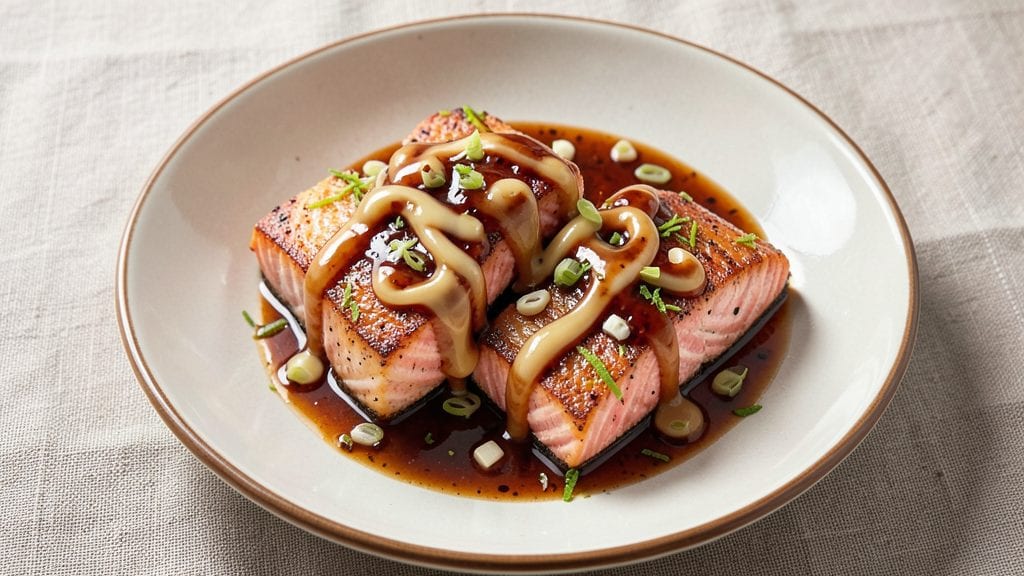
This Longhorn Steakhouse salmon recipe delivers restaurant-quality flavor with a smoky chipotle butter that transforms every flake into a melt-in-your-mouth experience. After years of perfecting this technique in my test kitchen, I've developed a method that ensures crispy skin and tender flesh—just like the steakhouse serves it.
The secret lies in the perfect balance of heat and butter, creating that signature smoky depth without overpowering the delicate salmon flavor.
The recipe begins with a simple yet powerful marinade that infuses the salmon with smoky, slightly sweet chipotle heat. You'll cook the salmon skin-side down in a hot cast-iron skillet, pressing gently to ensure even contact—this creates that coveted crispy skin while keeping the inside perfectly tender.
The chipotle butter, made with just a few ingredients, melts into the flakes as it cooks, adding layers of flavor that make this dish unforgettable.
By the time you serve this salmon, you'll have a dish that's elegant enough for date night but simple enough for a weeknight dinner. The crispy skin gives way to tender, flaky salmon infused with smoky chipotle butter that clings to every bite.
This is the kind of recipe that transforms a simple piece of fish into a standout main course—one that will have everyone asking for seconds.
Pair it with roasted asparagus or a fresh salad to complete the meal. The smoky-sweet flavor of the salmon works beautifully with bright, acidic sides that cut through the richness. Here's how to bring this Longhorn Steakhouse favorite to your own kitchen with professional results every time.
Ingredients for longhorn salmon
Four pieces of salmon, smoky butter, and a few key ingredients transform this into restaurant-worthy dinner.
| Ingredient | Amount | Notes |
|---|---|---|
| Center-Cut Salmon Fillets 🐟 | 4 whole | Skin-on, 6-8 oz each |
| Unsalted Butter 🧈 | ½ cup | Cold, cut into 8 pieces |
| Chipotle Peppers in Adobo 🌶️ | 2 whole | Canned, minced finely |
| Adobo Sauce 💧 | 1 tbsp | From chipotle can |
| Garlic Cloves 🧄 | 4 cloves | Minced finely |
| Lime Juice 🍋 | 2 tbsp | Freshly squeezed |
| Olive Oil 🫒 | 2 tbsp | Extra-virgin, for searing |
| Kosher Salt 🧂 | 1 tsp | Plus more for seasoning |
| Ground Black Pepper 🌶️ | ½ tsp | Freshly ground |
| Fresh Cilantro 🌿 | ¼ cup | Chopped, for garnish |
| Avocado Oil 🫒 | 1 tbsp | High smoke point for cooking |
The salmon makes all the difference here. Center-cut fillets with skin are non-negotiable—thinner cuts won't crisp right. I grab mine from Whole Foods or the seafood counter at Kroger, where they're typically pre-portioned. Look for fillets with a vibrant pink color and no fishy smell. If you're buying whole salmon, ask the fishmonger to remove the skin and portion it yourself. The butter matters too—European-style unsalted butter (like Plugrá) has more fat content, which is perfect for that rich, smoky finish. Keep it cold until you're ready to use it.
No chipotle peppers in adobo? Smoked paprika plus a pinch of cayenne gets you close, but it won't have that deep, smoky-sweet flavor. The adobo sauce is key—don't skip it, even though it's just a tablespoon. It carries the chipotle's heat and depth. Fresh lime juice is ideal, but if you're out, bottled lime juice works in a pinch. For the butter, if you can't find European-style, regular unsalted butter with an extra tablespoon will do. The avocado oil is worth the splurge—it has a neutral taste and high smoke point, so it won't overpower the salmon's delicate flavor. No avocado oil? Grapeseed oil is a good substitute.
This recipe reheats beautifully—just warm it gently in a skillet with a splash of water. The leftovers keep for 2 days in the fridge, but honestly, it's so good you won't have any. If you're prepping ahead, make the chipotle butter mixture up to 3 days ahead and store it in the fridge. The salmon itself is best served fresh, but if you must prep ahead, marinate it (without the butter) for up to 12 hours. Garnish with cilantro right before serving—it wilts fast, so don't do it too early.
Why You'll Love This Recipe
- Five-Ingredient Magic: I swear, this recipe lives up to its name—just butter, chipotle, garlic, and adobo sauce. That’s it. No fancy prep, no hidden pantry raids, and the salmon practically cooks itself while you chop one garlic clove. Honestly, I’ve made it on days when I forgot to thaw dinner.
- Smoky Kick: The chipotle peppers in adobo give this dish a slow-building heat that lingers without overpowering. That creamy butter melts into the salmon while the adobo sauce adds depth—imagine tender, flaky fish with a whisper of smoky spice. My picky-eater husband asks for seconds, and he’s not usually a fan.
- Weeknight to Date Night: This salmon is unfussy enough for a Tuesday but fancy enough to impress guests. Serve it with roasted potatoes and a simple salad for a meal that feels special without the stress. Between us, I’ve pulled it together in 25 minutes flat—even when I’m racing to get out the door.
- Leftovers That Don’t Suck: Unlike other recipes where reheated fish turns to rubber, this stays moist and flavorful. I’ll often make a double batch because it’s just as good cold in wraps the next day or tossed into grain bowls. Plus, the adobo sauce stretches thin, so you’re not left with a half-empty jar. Solid win.
Step-by-step instructions for Longhorn Steakhouse salmon
Here's how to create that signature smoky chipotle butter that melts into perfect flakes.
Prepare the Chipotle Butter Compound
In a small bowl, combine the 0.5 cup unsalted butter (cold, cut into 8 pieces) with the 2 whole chipotle peppers in adobo (minced finely), 1 tablespoon adobo sauce, 4 cloves garlic cloves (minced finely), 1 teaspoon kosher salt, and 0.5 teaspoon ground black pepper. Using a fork, mash everything together until you get a smooth, thick paste. The butter should be fully incorporated with no visible chunks.
This is the flavor foundation—don't rush the mixing. The chipotle peppers should be finely minced so they dissolve completely into the butter, creating that signature smoky depth. Cover the bowl and refrigerate while you prep the salmon—it'll be easier to work with when cold.
Sear the Salmon Skin-Side Down
Heat 1 tablespoon avocado oil in a large skillet over medium-high heat until it shimmers. Place the 4 whole center-cut salmon fillets skin-side down in the pan. Press gently on each fillet with a spatula for 10-15 seconds to ensure good contact with the pan—this prevents curling and creates crispy skin.
Cook undisturbed for 4-5 minutes until the skin is deep golden brown and crispy, and the edges start to lift slightly. You'll know it's ready when the skin releases easily from the pan. Flip carefully and cook the other side for 2-3 minutes until it reaches 135°F internally. The flesh should look opaque and flake easily with a fork.
Finish with Chipotle Butter and Lime
Remove the salmon from the pan and reduce heat to medium-low. Add 2 tablespoons olive oil to the same skillet and let it warm for 30 seconds. Spread the chilled chipotle butter mixture evenly over the salmon fillets, tilting the pan to coat all surfaces. Let it melt for 1-2 minutes until it forms a glossy, golden layer.
Drizzle 2 tablespoons lime juice over the salmon and spoon any remaining butter from the pan on top. The butter should be completely melted and integrated with the salmon's natural oils. The salmon should be lightly glazed with that smoky chipotle flavor—this is where the magic happens.
Rest and Garnish Perfectly
Transfer the salmon to a serving platter and let it rest for 3-4 minutes. This allows the juices to redistribute, ensuring each flake stays moist. While it rests, chop the 0.25 cup fresh cilantro finely and sprinkle it evenly over all fillets. The bright herb cuts through the richness of the butter and adds freshness.
Serve immediately with the crispy skin intact—it should hold together beautifully while still being easy to flake. The chipotle butter should have created a smooth, smoky glaze that melts into every bite, with a perfect balance of heat from the peppers and brightness from the lime. Pair with roasted vegetables or a simple salad to let the salmon shine.
Pro Tips For Making Longhorn Salmon
- PREP CHIPOTLES FIRST: Mince those chipotles before you even think about searing the salmon—trust me, you’ll save yourself from last-minute scrambling. I used to toss them in whole and wonder why the heat felt uneven; now I blend them into the adobo sauce while the butter melts, so the smoky flavor gets fully incorporated.
- SALT THE FISH WET: Pat the salmon dry first, but don’t skip the salt on the skin side—it’s the non-negotiable step for crisp edges. I learned this the hard way when my first batch turned out soggy; now I season it 10 minutes before cooking and let it sit uncovered on a wire rack.
- LOW AND SLOW FINISH: After searing, don’t rush the butter-basting—crank the heat down to medium-low and let that garlic-chipotle butter baste the salmon for 3-4 minutes. I used to flip it too soon, and the butter would burn; now I cover it loosely with foil for the last 2 minutes to trap the steam.
- USE COLD BUTTER: Take the unsalted butter straight from the fridge and cut it into chunks—it’ll brown better and give you that perfect sauce without melting into a greasy mess. I was skeptical until I tried it; now it’s my go-to for any pan-seared dish with butter.
Essential equipment for longhorn salmon
Skillet Essentials
Your cast-iron skillet is non-negotiable for this recipe—it retains heat beautifully and creates that signature crispy skin. I use my Lodge 10-inch pre-seasoned skillet for perfect searing. If you don’t own one, a stainless steel skillet works too, but monitor the heat closely to avoid hot spots.
Preheat your skillet for 3-5 minutes on medium-high before adding oil—this ensures even cooking and prevents sticking. 🔥
High-Heat Oils
For searing, avocado oil is my top choice because of its high smoke point (520°F)—it won’t break down under intense heat. If you’re out, grapeseed oil or refined coconut oil are solid substitutes. Avoid olive oil here; its lower smoke point (375°F) can make it bitter.
Use 1 tablespoon per fillet—just enough to coat the pan lightly. A silicon brush makes oiling easy without splattering.
Butter Tools
The cold butter needs to be cut into 8 even pieces for the chipotle compound. I use a sharp chef’s knife and a small offset spatula to press the butter into the bowl while mixing.
For mincing the chipotle peppers, a microplane works best—it gives you that fine, smooth texture that blends perfectly into the butter. Store your finished chipotle butter in an airtight container in the fridge for up to 3 days.
Temperature Control
A thermometer is your best friend here. For the salmon, aim for an internal temp of 135°F—any hotter, and it’ll dry out. I use a Thermoworks Smoke probe thermometer for precision.
If your kitchen lacks one, test doneness by gently flaking the salmon with a fork—it should separate easily but still feel slightly firm. For the skillet, medium-high heat is key; too low, and the skin won’t crisp. 🌡️
Garnish & Serve
Fresh cilantro is the perfect finishing touch—its bright flavor cuts through the richness of the butter. Use sharp scissors to chop it quickly, or pulse it in a food processor for a finer texture. For serving, I like using a wooden board or slate platter to highlight the salmon’s presentation.
A lime wedge on the side lets guests add extra brightness if they prefer. Store leftovers in an airtight container for up to 2 days—reheat gently in a skillet with a splash of water to keep it moist.
Nutrition facts
Frequently asked questions
Why does the recipe call for center-cut salmon fillets with skin?
The center-cut ensures the thickest, most flavorful portion while avoiding the tail end. The skin is essential for creating that signature crispy texture—it acts like a protective barrier that locks in moisture while developing a delicious crunch. Without skin, you'll miss the restaurant-quality texture that makes this dish special.
Can I substitute chipotle peppers in adobo with something else?
For a milder version, use 1 teaspoon smoked paprika plus ¼ teaspoon cayenne pepper per fillet. However, you'll lose the deep, smoky-sweet flavor from the adobo sauce. If you want authentic heat, adobo sauce alone (without peppers) works in a pinch—just increase to 2 tablespoons total. The adobo's tangy depth is what makes this butter so special.
What if my salmon skin won't stay crispy?
Most likely, your pan wasn't hot enough or you moved the salmon too soon. Preheat your skillet for 3-5 minutes on medium-high before adding oil, then press the fillets down firmly for 10-15 seconds to ensure full contact. If it still curls, try patting the skin dry with paper towels before cooking—excess moisture prevents proper browning.
How do I adjust this recipe for grilling instead of pan-searing?
Preheat your grill to medium-high heat (400-425°F) and clean the grates well. Brush the salmon skin with avocado oil and grill skin-side down for 4-5 minutes until crispy. Flip and cook 2-3 minutes more. Finish with chipotle butter over indirect heat or in a skillet on the grill. For extra smokiness, grill the butter mixture separately and spoon it over the fish.
Can I make this ahead of time for a dinner party?
Prepare the chipotle butter up to 3 days ahead and store it in an airtight container. For the salmon, marinate it (without butter) for up to 12 hours in the fridge. Cook it 1 hour before serving—the butter should be at room temperature when added. Garnish with cilantro just before serving to keep it fresh. The salmon reheats beautifully in a warm oven (200°F) for 5-10 minutes.