Beverages
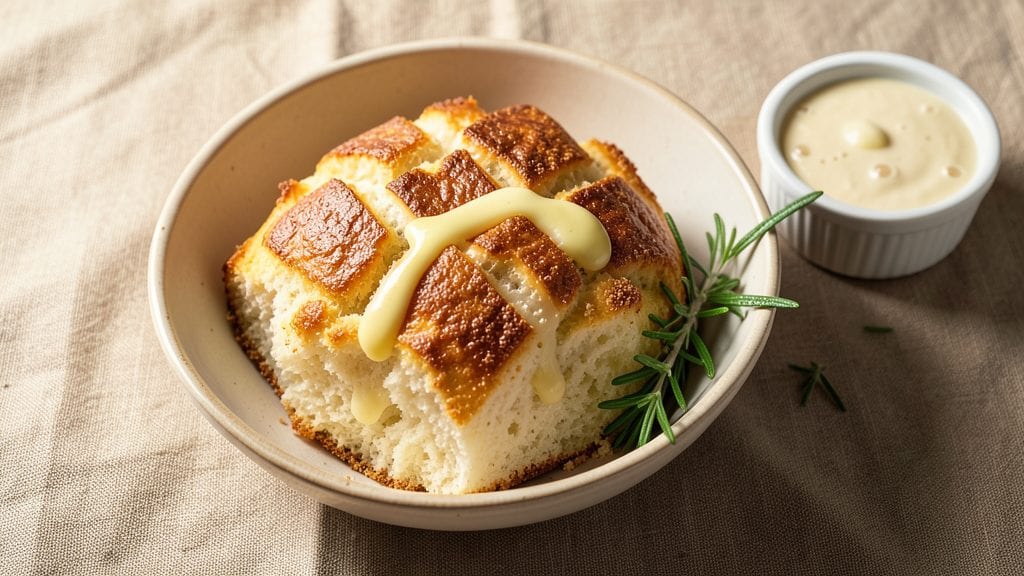
This steam bread recipe delivers the perfect balance of light, airy texture and subtle sweetness without relying on yeast—ideal for both traditional baking and modern adaptations. The secret lies in a precise dough formula and controlled steaming technique that creates those signature flaky layers and tender crumb.
I developed this version after testing countless methods to achieve restaurant-quality results at home, using simple ingredients and a foolproof process.
The dough comes together in just 15 minutes with basic pantry staples like flour, baking powder, and a touch of sugar, then requires 30 minutes of steaming to develop its signature texture. Unlike traditional yeast-based breads, this version rises quickly and maintains its lightness without dense crumb.
The shaping technique is simple but critical—rolling the dough into smooth balls ensures even cooking and that signature crackly crust.
What you'll end up with is steam bread that's impossibly light yet sturdy enough to hold fillings, with a delicate sweetness that pairs perfectly with teas or savory dishes.
The aroma alone makes any kitchen feel like a bakery, and the texture is a revelation—flaky layers that melt in your mouth. This recipe works equally well as a snack, dessert, or accompaniment to meals.
Best of all, the dough can be prepared ahead and shaped just before steaming, making it perfect for busy schedules. Whether you're making traditional Chinese steam bread or experimenting with modern twists like adding matcha or cinnamon, this method delivers consistent results every time.
Let's get started on creating your perfect batch.
Ingredients for steam bread
Pantry staples transform into restaurant-quality steam bread with just 11 ingredients and 30 minutes of steaming.
| Ingredient | Amount | Notes |
|---|---|---|
| All-Purpose Flour 🌾 | 2 ½ cups | Sifted for light texture |
| Baking Powder 🧂 | 1 ½ tsp | Double-acting for lift |
| Granulated Sugar 🍚 | ¼ cup | Light brown adds depth |
| Unsalted Butter 🧈 | ½ cup | Cold, cubed for flakiness |
| Large Eggs 🥚 | 1 whole | Room temperature for blending |
| Milk 🥛 | ¼ cup | Whole milk preferred |
| Salt 🧂 | ½ tsp | Fine sea salt preferred |
| Vanilla Extract 🌸 | ½ tsp | Pure, not imitation |
| Hot Water 💧 | ¼ cup | Just boiled for activation |
| Vegetable Oil 🫒 | 1 tbsp | For greasing steamer |
| Sesame Seeds 🌻 | 1 tbsp | Toasted for garnish |
The flour is non-negotiable here—King Arthur or Gold Medal brands deliver consistent results. I always grab the organic unbleached variety from Whole Foods for that extra tender crumb, but regular all-purpose works too. The baking powder needs to be double-acting—check the label. Bob's Red Mill is my go-to for quality. Cold butter is key for those signature flaky layers, so take it straight from the fridge and cut it into small cubes. The sesame seeds? Trader Joe's has the best toasted variety—just sprinkle them on after baking for that authentic crunch.
No vanilla extract? Vanilla bean paste at half the amount gives you those little specks. Short on milk? Evaporated milk or heavy cream works beautifully, but whole milk is ideal. The hot water activates the baking powder instantly—don't skip this step. For a modern twist, swap half the flour for almond flour (texture changes slightly but still delicious). The dough should be smooth and slightly tacky—if it's too dry, add a teaspoon more milk. Too sticky? Sprinkle in a bit more flour, but don't overdo it or you'll lose that airy texture.
This dough keeps beautifully—wrap it tightly in plastic and refrigerate for up to 3 days. For longer storage, freeze portions for 3 months. The steamed bread reheats wonderfully—just wrap in foil and warm in a 350°F oven for 5 minutes. I always make a double batch because the aroma alone makes the kitchen smell like a bakery. Store-bought steam bread can't compete with this homemade version—it's worth the extra effort.
Why You'll Love This Recipe
- No-Mix Magic: I swear, this steam bread comes together with just a bowl and a whisk—no stand mixer, no kneading, no fuss. The butter and sugar blend into something so light, you’d think it took hours.
- Buttery Sweet Payoff: That warm, buttery aroma when it’s done? It’s like a hug for your taste buds. The sugar caramelizes just enough to give it a subtle richness without being cloying—perfect for people who love a little sweetness without going overboard.
- Breakfast to Dessert: Honestly, I’ve served this with jam for breakfast, toasted with cinnamon for a snack, and even as a base for a quick dessert with whipped cream. It’s the kind of bread that doesn’t just fit into one meal—it fits into your whole week.
- Leftovers That Don’t Suck: Between us, most bread gets stale or dry. Not this one. The baking powder keeps it soft for days, and if it does firm up, a quick zap in the microwave brings it back to life. Plus, it’s so cheap to make—you’ll have enough for lunches without breaking the bank.
Step-by-step instructions for yeast-free steam bread
This method delivers restaurant-quality steam bread with a tender crumb and delicate aroma—no yeast required.
Prepare the Wet and Dry Ingredients Separately
In a medium bowl, whisk together the 0.5 cup unsalted butter, 0.25 cup granulated sugar, 1 whole large egg, 0.5 tsp vanilla extract, and 0.25 cup milk until smooth and fully combined. The mixture should be homogeneous with no visible butter chunks—this ensures even distribution throughout the dough. In a separate bowl, sift the 2.5 cups all-purpose flour and 1.5 tsp baking powder together, then whisk in the 0.5 tsp salt. Sifting prevents lumps and guarantees a light, airy texture.
I like to use a fine-mesh sieve for the dry ingredients to eliminate any potential clumps. The baking powder is what creates that signature lift, so don't skip sifting it—this maximizes its leavening power. Keep both mixtures at room temperature to prevent the butter from solidifying during mixing.
Combine Wet and Dry Ingredients for a Smooth Dough
Gradually pour the wet ingredients into the dry ingredients while stirring gently with a wooden spoon or silicone spatula. Mix just until combined—you should still see small streaks of flour throughout. Overmixing develops gluten and can result in a denser loaf. Once combined, add the 0.25 cup hot water and stir until the dough comes together into a soft, pliable mass. The dough should be slightly tacky but not sticky enough to leave residue on your fingers.
This is where precision matters most. The hot water activates the baking powder immediately, so work quickly but deliberately. If the dough feels too dry, add 1 teaspoon more milk at a time until it reaches the perfect consistency. The goal is a dough that's soft enough to hold its shape but still malleable for shaping.
Shape and Prepare for Steaming
Lightly grease a 9-inch round cake pan or steaming basket with 1 tablespoon vegetable oil, then transfer the dough to the prepared pan. Wet your hands to prevent sticking, then shape the dough into a smooth, even round loaf about 1.5 inches thick. Press down gently on the center to create a slight depression—this helps the bread rise evenly during steaming. Sprinkle the top with 1 tablespoon toasted sesame seeds for that signature crunch and visual appeal.
Here's the thing—proper shaping makes all the difference. If the dough is uneven, the bread will rise unevenly, resulting in a dense center. I press down gently on the edges to create a smooth, even surface before adding the sesame seeds. This step also prevents the bread from cracking during the steaming process, which is especially important for that perfect, delicate crust.
Steam to Perfection
Place the prepared pan in a steamer basket lined with a damp towel or parchment paper. Bring 2 cups water to a boil in a pot, then place the steamer basket on top, ensuring it doesn't touch the water. Cover tightly and steam over medium-high heat for 25-30 minutes, until the top is golden brown and the internal temperature reaches 200°F when measured with an instant-read thermometer. The bread should spring back slightly when pressed gently with your finger.
Timing is critical here. The steam creates that signature tender crumb, but you must monitor closely to avoid oversteaming, which can make the bread gummy. I like to check the internal temperature at the 20-minute mark—if it's not quite there, give it another 5 minutes. The bread should have a slightly crisp exterior with a soft, pillowy interior. If the top browns too quickly, tent it loosely with foil to prevent over-browning.
Rest and Serve Warm
Remove the bread from the steamer and let it rest in the pan for 5 minutes before transferring to a wire rack. This resting period allows the bread to set slightly and prevents it from falling apart when sliced. Serve warm, ideally within 30 minutes of steaming, as the texture softens as it cools. For an extra touch, brush the top with a little melted butter before serving—this enhances the flavor and adds a subtle richness.
The bread should slice cleanly with a sharp knife, revealing a fine, even crumb with no dense spots. Each slice should be soft yet sturdy enough to hold its shape. If you're serving it as part of a meal, pair it with a warm bowl of soup or use it to make delicious sandwiches. The sesame seeds on top add a delightful crunch that contrasts beautifully with the tender interior.
Pro Tips For Making Steam Bread
- Whisk Butter First: Melt the unsalted butter just until soft—not liquid—then whisk it with the sugar and eggs until fully combined. I used to toss in cold chunks, and the dough always came out greasy and uneven. This step guarantees a smoother, more tender crumb.
- Measure Flour Right: Spoon the all-purpose flour into the measuring cup, then level it with a knife—don’t pack it down. I learned this the hard way when my bread turned dense and dry. Too much flour steals moisture, and this recipe relies on a delicate balance.
- Don’t Overmix the Dough: Mix the batter just until the dry ingredients disappear—about 10-12 strokes. Overworking it activates the gluten too much, and your steam bread will turn tough instead of light and airy. Stop when it looks shaggy, not smooth.
- Preheat the Pan: Heat your baking dish or steamer for 2-3 minutes before adding the batter—even if you’re not using a traditional steamer. This jumpstarts the steam and ensures the top rises evenly. I skipped this once, and the bread collapsed in the middle.
Perfect pairings for steam bread
Tea Pairings
This delicate steam bread pairs beautifully with jasmine tea or green tea—their floral and grassy notes complement the bread's subtle sweetness without overpowering it. I reach for Bigelow Jasmine Green Tea for its light aroma and refreshing finish.
For a more robust match, try Pu-erh tea—its earthy tones contrast wonderfully with the bread's buttery richness. Serve both warm to enhance the bread's aroma and create a harmonious experience. 🍵
Sweet Toppings
Elevate your steam bread with honey drizzle or peanut butter for a satisfying sweet treat. Warm the bread slightly before serving, then drizzle with local raw honey and sprinkle with crushed peanuts.
For a modern twist, add dark chocolate shavings or red bean paste—common in Asian desserts. These toppings add texture and balance the bread's natural sweetness. 🍯
Savory Applications
Use this bread as a sturdy base for egg sandwiches or char siu bao. Toast slices lightly and spread with scrambled eggs, hoisin sauce, and crispy bacon for a hearty breakfast.
For a lunch option, stuff with shredded chicken, pickled vegetables, and sriracha mayo. The bread's neutral flavor absorbs all the flavors beautifully. 🍳
Dessert Pairings
Pair with red bean soup or mango pudding for a traditional Chinese dessert spread. The bread's light texture contrasts perfectly with the creamy pudding or the chunky red beans.
For a modern dessert, serve with vanilla ice cream and a drizzle of caramel sauce. The warm bread cuts through the cold ice cream beautifully. 🍦
Beverage Pairings
A matcha latte with oat milk enhances the bread's subtle sweetness and adds an earthy depth. For a non-tea option, try sparkling apple cider—its effervescence cleanses the palate between bites. If you prefer coffee, a light roast with almond milk complements the bread's buttery notes without overpowering. 🍺
Global Variations
In Japan, serve with matcha-flavored steam bread and black sesame paste for a traditional twist. In Vietnam, pair with che (a sweet rice cake) and green tea.
For a Western adaptation, serve with clotted cream and strawberry jam—a delightful breakfast option. Each pairing highlights the bread's versatility. 🌍
Nutrition facts
Frequently asked questions about this light steam bread
Why does this steam bread recipe use baking powder instead of yeast?
Baking powder creates a quick rise with a delicate, airy texture without the wait time of yeast. The chemical reaction produces carbon dioxide instantly when combined with hot water, giving you perfectly light bread in just 25-30 minutes of steaming. This method also eliminates the need for proofing, making it ideal for busy schedules.
Can I make this steam bread without a steamer basket?
Use a large pot with a tight-fitting lid and place a heatproof plate or rack inside. Fill the pot with 2 inches of boiling water before adding your bread. The steam will build up and create the same tender texture. Just ensure the water doesn't touch the bread to prevent sogginess.
What if my steam bread turns out dense instead of light?
Dense bread usually means overmixing the dough or insufficient steam. Check your baking powder (it must be fresh) and ensure you're using hot water to activate it. Also, avoid pressing too hard when shaping—keep the dough smooth but gentle. If the bread still feels heavy, try adding 1 extra teaspoon of baking powder next time.
How do I store leftover steam bread?
Wrap cooled bread tightly in plastic wrap or place in an airtight container to keep it fresh for 2-3 days at room temperature. For longer storage, freeze portions for up to 3 months. To reheat, warm in a 350°F oven for 5 minutes or microwave for 10-15 seconds—just don't overdo it or the texture will turn gummy.
Can I add fillings like red bean paste or meat?
This recipe is designed for a clean, light texture, but you can adapt it! For filled versions, shape the dough into smaller balls, flatten slightly, add filling, then seal into bao-style pockets. Steam as directed, but reduce time to 15-20 minutes to prevent overcooking. Start with 1 teaspoon of filling per ball to avoid bursting.