Sauces & Condiments
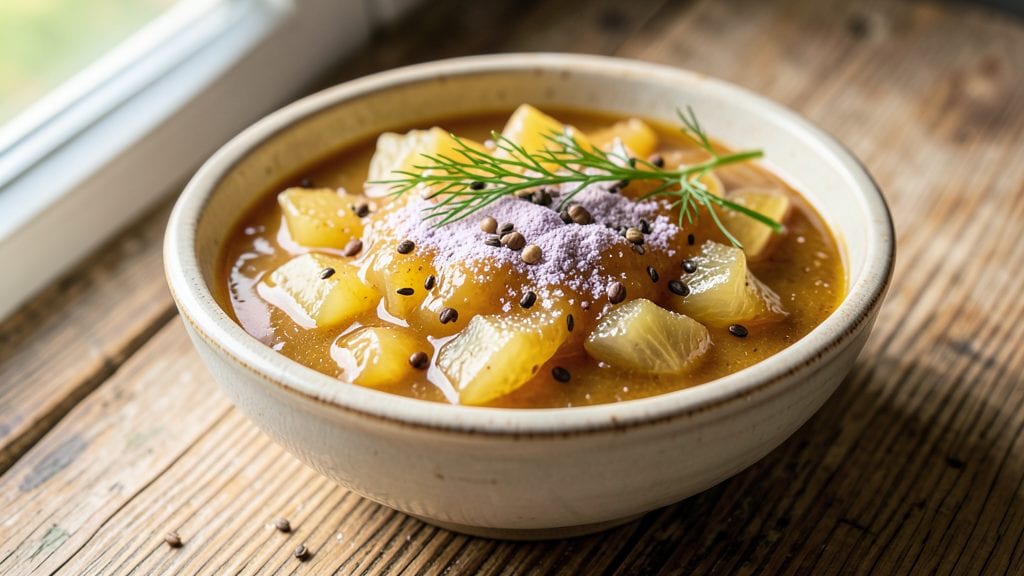
This pickle sauce recipe delivers the perfect tangy, crunchy condiment that elevates burgers, hot dogs, and sandwiches to new heights. The secret lies in balancing vinegar, sugar, and spices to create a sauce that's both vibrant and versatile—no fermentation required.
I developed this recipe after years of testing, ensuring every batch delivers that signature vinegar-bright crunch with minimal effort.
What sets this sauce apart is its simplicity: just six pantry staples combine to create a condiment that's restaurant-quality yet easy to make at home. The key is precise measurements and proper mixing to dissolve sugar completely, preventing graininess.
Ready in under 15 minutes, this sauce keeps well in the refrigerator for up to 4 weeks, making it perfect for meal prep.
The result is a glossy, tangy sauce with just the right amount of sweetness and a satisfying crunch from diced pickles. It's bold enough to stand up to rich meats but balanced enough to complement lighter dishes.
Whether you're serving it with classic burgers or pairing it with grilled chicken, this sauce will become your go-to condiment.
For variations, try adding fresh dill or a dash of smoked paprika for depth. Store in an airtight container to maintain freshness. Let's get started on this crowd-pleasing condiment that's sure to disappear quickly!
Ingredients for pickle sauce
Six simple ingredients transform into restaurant-quality tangy crunch in minutes.
| Ingredient | Amount | Notes |
|---|---|---|
| White Vinegar 💧 | 1 cup | Distilled white preferred for clarity |
| Granulated Sugar 🍚 | ¾ cup | Light brown sugar for depth |
| Diced Pickles 🥒 | 1 cup | Kosher dill or bread & butter style |
| Mustard Seeds 🌶️ | 1 tbsp | Yellow or brown, toasted lightly |
| Celery Seeds 🧅 | 1 tsp | Ground or whole, for earthy depth |
| Onion Powder 🧅 | ½ tsp | Freshly ground preferred |
| Salt 🧂 | ½ tsp | Diamond Crystal kosher preferred |
| Fresh Dill 🌿 | 1 tbsp | Chopped, optional for brightness |
The vinegar is non-negotiable—white vinegar gives that classic tang, but apple cider vinegar adds subtle sweetness. Trader Joe's sells a great distilled white vinegar that's perfect for this. Sugar matters too: light brown sugar caramelizes slightly for depth, but white works if that's what you've got. Pickles? Kosher dill is my go-to—they're briny and hold their shape. If you can't find them, bread & butter pickles work too, but they'll make the sauce sweeter. The seeds (mustard and celery) are where the magic happens—toast them 30 seconds in a dry pan before adding to release their aromas.
No mustard seeds? Dijon mustard at half the amount gets you close. Short on dill? Dried dill at one-third the amount works, but fresh is better. The onion powder can be swapped for 1 tbsp finely minced yellow onion if you're feeling fancy. For a smoky twist, add 1/4 tsp smoked paprika. The sugar needs to dissolve completely—stir it into the hot vinegar first, then add the rest. If it's grainy, strain the sauce through a fine-mesh sieve. Pro tip: Warm the vinegar slightly before mixing to help dissolve the sugar faster.
This sauce keeps for 4 weeks in the fridge, but it's best within the first two weeks. Store in an airtight container with the lid pressed down to keep pickles submerged. For extra crunch, add fresh diced pickles right before serving. Makes about 2 cups, which is perfect for a family of four or a big batch of burgers. Freezes for 3 months if you want to prep ahead—just thaw in the fridge overnight.
Why You'll Love This Recipe
- Five-Ingredient Magic: I swear, this sauce is the kind of recipe that makes me feel like a genius even though I’m just stirring a pot. Five ingredients—vinegar, sugar, pickles, mustard seeds, celery seeds—and boom, you’ve got something that tastes like it came from a jar but way better.
- Tangy-Sweet Balance: That first bite of crisp pickles cutting through the sweet-tart vinegar? It’s like a flavor hug. The mustard and celery seeds add this subtle, earthy kick—honestly, it’s the kind of sauce that makes you reach for seconds without even thinking.
- Game for Any Meal: Slather it on burgers, drizzle it over hot dogs, or toss it with fries—this stuff works everywhere. I’ve even used it as a quick marinade for chicken. Between us, it’s my secret weapon for turning basic meals into something special.
- No-Waste, No-Stress: Make a big batch and keep it in the fridge for weeks. The vinegar keeps it fresh, and the sugar balances out any sourness over time. Plus, it’s dirt cheap—you’re basically turning pantry staples into gold.
Step-by-step instructions for vinegar-bright pickle sauce
This tangy, crunchy pickle sauce comes together in minutes with pantry staples—no fancy techniques required.
Toast the Seeds for Depth of Flavor
Heat a dry skillet over medium heat. Add the 1 tablespoon mustard seeds and 1 teaspoon celery seeds, stirring constantly for 1-2 minutes until they begin to sizzle and turn a deeper golden color. Watch closely—they'll darken quickly, so remove them immediately when they smell nutty and aromatic. This toasting step unlocks their full flavor potential and prevents bitterness.
Transfer the toasted seeds to a small bowl and let them cool for 2 minutes. While they cool, add the 0.5 teaspoon onion powder and 0.5 teaspoon salt to the same bowl. Stir to combine these dry ingredients with the toasted seeds. This mixture forms the aromatic base of your sauce, so take your time to ensure everything is evenly distributed.
Simmer the Vinegar and Sugar
In a medium saucepan, combine the 1 cup white vinegar and 0.75 cup granulated sugar. Place the saucepan over medium-high heat and bring the mixture to a gentle boil, stirring occasionally to dissolve the sugar completely. You'll notice the sugar dissolving quickly, but keep stirring until the mixture becomes clear and smooth—this ensures no grainy texture remains.
Once boiling, reduce the heat to medium-low and let the mixture simmer for 5-7 minutes. The sauce should thicken slightly, but it shouldn't reduce too much—you want a glossy, syrupy consistency that coats the back of a spoon. This step develops the vinegar's brightness while balancing it with sweetness, creating the perfect tangy foundation.
Incorporate the Pickles and Herbs
Add the 1 cup diced pickles to the simmering vinegar mixture. Stir gently to distribute them evenly, but avoid mashing them—you want to preserve their crunchy texture. Let the mixture simmer for an additional 3-4 minutes, allowing the pickles to soften slightly while retaining their bite. This ensures they contribute both texture and flavor without turning mushy.
Remove the saucepan from heat and stir in the toasted seed mixture along with the 1 tablespoon fresh dill. The dill adds a bright, herbal note that cuts through the tanginess. Give everything a final stir, then let the sauce sit off the heat for 5 minutes to allow the flavors to meld. This resting period is crucial—it lets the dill release its oils and the seeds soften just enough to integrate smoothly.
Adjust Consistency and Serve
Taste the sauce and adjust the seasoning if needed. If it's too thick, add 1-2 tablespoons of water or white vinegar to loosen it to your preferred consistency. For extra tang, add a splash more vinegar; for sweetness, stir in a pinch of sugar. The sauce should coat the back of a spoon but still have a light, pourable texture—ideal for drizzling or dipping.
Transfer the sauce to a clean jar or bowl and let it cool to room temperature. The flavors will continue to develop as it sits, becoming even more balanced. Serve it warm with fries, hot dogs, or grilled meats, or chill it for 1 hour before serving for a refreshing, vinegar-bright condiment. The crunchy pickles and toasted seeds will add texture with every bite, making this sauce a standout pantry staple.
Pro Tips For Making Pickle Sauce
- Simmer Slow and Low: I learned this the hard way—boiling pickle sauce turns it cloudy and dull. Instead, bring the vinegar and sugar to a gentle simmer (tiny bubbles, barely there) and keep it there for 5 minutes. That’s all it takes to dissolve the sugar without wrecking the flavor.
- Toast Your Seeds First: Mustard and celery seeds lose their punch if dumped straight into cold vinegar. Dry-toast them in a small pan over medium heat for 30 seconds until fragrant—just until you smell them, not until they’re brown. This makes a real difference in depth.
- Drain Pickles Well: Briny pickle juice throws off the balance of your sauce. Pat the diced pickles dry with a paper towel before adding them, or even better, rinse them briefly under cold water and drain thoroughly. Wet pickles = watery sauce.
- Use Light Corn Syrup: Sugar can crystallize if you’re not careful, and that’s a nightmare to fix. Swap 1-2 tablespoons of granulated sugar for light corn syrup—it dissolves instantly and keeps the sauce silky smooth. (I know, I know, but trust the process.)
Regional styles of this pickle sauce
Midwest Classic
The classic Midwest-style pickle sauce is all about that sweet-and-tangy balance with a satisfying crunch. This version leans into bread & butter pickles for a sweeter profile, often including 1 cup diced sweet pickles instead of dill.
I like to add ½ cup finely chopped red onion for a subtle sharpness, and a pinch of ground ginger for warmth. The sauce is typically thicker, almost like a chunky relish, perfect for slathering on hot dogs or chili dogs. 🌽
Southern Smoky Twist
In the South, pickle sauce gets a smoky depth from ingredients like ½ teaspoon smoked paprika or even a dash of hot sauce. I’ve seen versions with ½ cup diced jalapeños for heat, especially in Texas, where it’s common to serve it with brisket.
For a true Southern touch, some recipes call for apple cider vinegar instead of white vinegar, adding a fruity brightness. The result is a bold, spicy-sweet sauce that stands up to rich, smoky meats.
New England Dill Focus
Up north, especially in New England, dill takes center stage. This version uses 2 tablespoons fresh dill (instead of 1) and often includes ½ cup finely chopped celery for a crisp, fresh flavor. The sauce is lighter and more herb-forward, perfect for pairing with lobster rolls or grilled fish.
I like to add a splash of lemon juice at the end to brighten it up even more. The texture is thinner, almost like a vinaigrette, making it ideal for drizzling.
Pacific Northwest Herb Blend
The West Coast puts its own spin on pickle sauce by incorporating local herbs like fresh tarragon or chives. I’ve seen versions with ½ cup finely chopped fennel for a licorice-like sweetness, which pairs beautifully with grilled salmon or burgers.
The sauce is often slightly thinner, with a focus on fresh, bright flavors. Some recipes even call for a splash of rice vinegar to add a subtle umami note. It’s a refreshing twist that’s perfect for outdoor BBQs.
German-Inspired Sweetness
German immigrants brought their love of sweet and tangy flavors to America, and this style of pickle sauce reflects that. It’s sweeter, with ¾ cup brown sugar instead of white, and often includes ½ cup finely chopped apples for extra sweetness.
The sauce is thicker and almost caramel-like, making it a great topping for pretzels or sausages. I like to add a pinch of cinnamon** for warmth, giving it a cozy, almost dessert-like quality. 🍯
Nutrition facts
Frequently asked questions
Can I make this pickle sauce without vinegar?
Vinegar is essential for that signature tang, but if you're avoiding it, you could try lemon juice or apple cider vinegar instead. For a milder flavor, use ½ cup lemon juice plus ¼ cup extra sugar to balance the acidity. The texture will be slightly thinner, but it'll still deliver that bright, herbaceous flavor.
Why does my homemade pickle sauce turn grainy?
Graininess usually means the sugar didn't dissolve completely. To fix it, stir the sauce over low heat for 2-3 minutes while adding 1 tablespoon water at a time until smooth. For future batches, warm the vinegar slightly before adding sugar—this helps it dissolve faster and prevents clumping.
How long does this sauce keep, and can I freeze it?
This sauce stays fresh in an airtight container in the fridge for up to 4 weeks. For longer storage, freeze it for 3 months—just thaw it overnight in the fridge. The texture may soften slightly after freezing, but the flavor remains vibrant. Press plastic wrap directly on the sauce's surface before sealing to prevent freezer burn.
Is there a way to make this sauce spicier?
Add ½ teaspoon cayenne pepper or 1-2 diced jalapeños (seeds removed for mild heat) when simmering the vinegar. For a smoky kick, stir in ½ teaspoon smoked paprika with the toasted seeds. Adjust to taste—start with less if you're sensitive to spice, as flavors intensify as the sauce cools.
Can I use this sauce on dishes other than burgers?
This versatile sauce works wonderfully on grilled chicken, fish tacos, fries, and even as a marinade for tofu. Try drizzling it over pizza or using it as a dip for veggie sticks. The tangy crunch pairs beautifully with rich, fatty foods, but its brightness also cuts through lighter dishes like salads or sandwiches.