
Main Courses
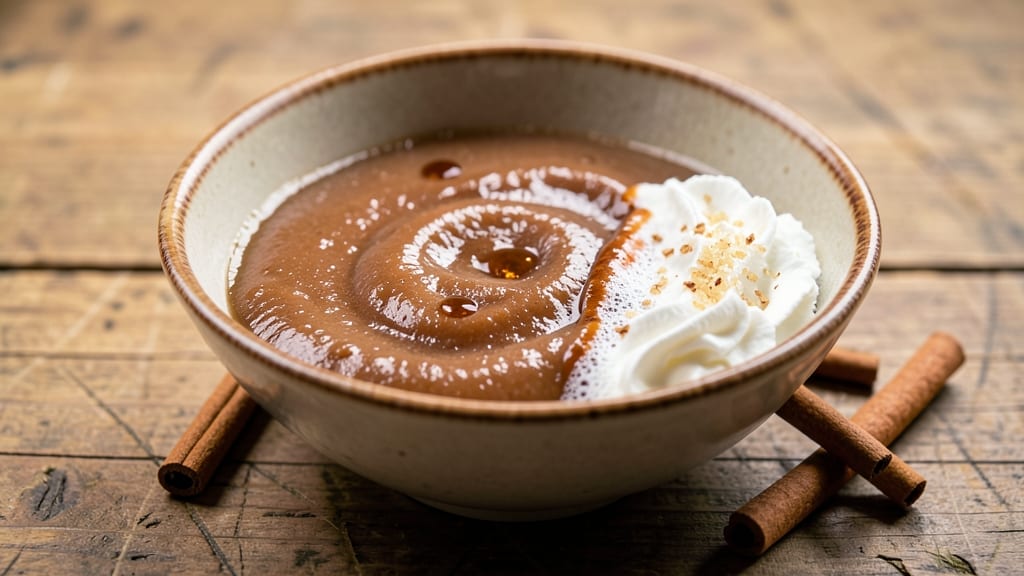
This Turkish salep recipe transforms delicate orchid tubers into a velvety, spiced drink that feels like a warm embrace on cold nights.
I first discovered salep during a trip to Istanbul, where street vendors served it steaming in small glasses—its thick, creamy texture and aromatic spices made it impossible to resist.
The process of extracting starch from orchid tubers might sound intimidating, but store-bought salep powder makes it surprisingly accessible for home cooks.
The foundation of great salep lies in its slow simmering technique, which develops its signature silky texture and deep flavor. You'll combine the salep powder with water and a touch of salt, then cook it gently until it thickens into a smooth, pudding-like consistency.
This method ensures every sip delivers that luxurious mouthfeel that makes salep so special. The key is patience—rushing the process will result in a thin, unsatisfying drink rather than the rich, creamy beverage you're aiming for.
Once perfected, this warm drink becomes a canvas for spices that elevate it from simple to extraordinary. A pinch of cinnamon adds warmth, a splash of vanilla brings depth, or even rosewater can transform it into a floral masterpiece.
The result is a beverage that's both comforting and sophisticated, perfect for sipping alongside baklava or even pairing with savory dishes like grilled meats. My kids Emma and Jack actually prefer it over hot chocolate, which tells you how versatile this drink truly is.
What makes salep particularly fascinating is its cultural significance as a traditional Turkish beverage that bridges comfort and celebration. Whether you're recreating an authentic experience or simply craving something creamy and spiced, this recipe delivers restaurant-quality results at home.
The process might take a bit of time, but the reward—a steaming glass of velvety salep—is well worth the effort. Let's get started on creating this timeless drink in your own kitchen.
Ingredients for salep
Four cups of water and one cup of orchid magic—this is all you need for velvety salep.
| Ingredient | Amount | Notes |
|---|---|---|
| Salep Powder 🌿 | ½ cup | Store-bought orchid root powder |
| Water 💧 | 4 cups | Filtered preferred for clarity |
| Granulated Sugar 🍚 | ½ cup | Adjust to taste, organic preferred |
| Ground Cinnamon 🌶️ | 1 tsp | Freshly ground for warmth |
| Pure Vanilla Extract 🍯 | 1 tsp | High-quality, no alcohol |
| Sea Salt 🧂 | ¼ tsp | Fine grain for balance |
| Rosewater 🌹 | ½ tsp | Pure, food-grade only |
| Cardamom Pods 🌿 | 4 whole | Lightly crushed for aroma |
| Heavy Cream 🥛 | ¼ cup | Full-fat for richness |
| Lemon Zest 🍋 | 1 tsp | Freshly grated for brightness |
| Ground Nutmeg 🌶️ | ¼ tsp | Freshly grated preferred |
Salep powder is the heart of this drink, so quality matters. I always grab mine from Turkish specialty stores or online vendors like TurkishDelights.com—the authentic stuff has a distinct earthy aroma. If you can't find it, agar powder or cornstarch can mimic the texture in a pinch, though the flavor won't be identical. Look for bright white powder with no clumps—any discoloration means it's old. The cinnamon and cardamom should be freshly ground; Penzeys Spices carries excellent pre-ground options if you're short on time. For rosewater, Al Wadi is my go-to brand—it's pure and potent.
No rosewater? Orange blossom water works beautifully, or skip it entirely for a simpler profile. Running low on vanilla extract? Vanilla bean paste gives you seeds for extra flavor, or just use half the amount of vanilla sugar. The heavy cream is optional but adds that restaurant-quality richness—trust me, it's worth the splurge. If you're making this for kids (like my Emma and Jack), you can reduce the spices by half and add a touch of maple syrup instead of sugar. The lemon zest brightens everything up, so don't skip it unless you're allergic—it's the secret to that authentic Turkish tang.
Salep keeps beautifully in the fridge for 5-7 days if you store it properly. Let it cool completely, then transfer to an airtight jar. The texture thickens as it chills, so you can thin it with warm water if needed. For serving, I like to reheat portions in small saucepan until just steaming—never boil, or it'll turn grainy. Freezes for 3 months if you portion it into ice cube trays first. The spices lose potency over time, so I always make a fresh batch when I'm hosting—it's that good.
Why You'll Love This Recipe
- Just Four Ingredients: I swear, this is the kind of recipe where you’ll stare at your pantry thinking, "Do I even have enough?"—and the answer is always yes. Salep powder, water, sugar, and a pinch of cinnamon? That’s it. No chopping, no peeling, no waiting for something to thaw. Honestly, I’ve made it in my dorm microwave, a campfire pot, and even a thermos on a road trip.
- Velvet-Warm Magic: The first sip is like a hug in drink form—creamy without being heavy, sweet without cloying, and that vanilla-cinnamon kiss? It’s the kind of flavor that makes you pause mid-sip. Between us, the salep powder does all the work; you just let it bloom into something rich and dreamy. (Yes, even on a Tuesday night.)
- Cold-Weather Hero: I keep this in my freezer like a secret weapon for January. It’s the drink that turns "ugh, winter" into "ah, cozy"—perfect for sipping by the fire, packing in a thermos for work, or serving to guests who ooh and ahh over how unexpectedly good it is. My kids ask for it more than hot chocolate, and that’s saying something.
- Pantry Goldmine: Here’s what sold me—this costs pennies to make. A single bag of salep powder lasts me months, and I’m not exaggerating. Plus, the leftovers? They actually improve overnight. Store it in the fridge, and the next day it’s even thicker, richer—like it’s been marinating in flavor. Budget-friendly? More like budget blessing.
Step-by-step instructions for Turkish salep recipe
Here's how to craft this velvety orchid drink with just the right balance of warmth and brightness.
Bloom the Salep Powder
In a medium saucepan, combine the 4 cups water with the 0.5 cup salep powder. Stir gently but constantly over medium-low heat for 5-7 minutes until the mixture thickens noticeably and loses its grainy texture. You'll see it transform from a cloudy liquid to a smooth, translucent pudding-like consistency.
This blooming process is crucial—it activates the starch in the orchid root. If you stir too vigorously, you'll create lumps that won't dissolve completely. The mixture should coat the back of a spoon when you lift it, but still flow like heavy cream when poured. If it's too thin, add 1-2 tablespoons water and simmer another minute. If too thick, whisk in 1 tablespoon water to adjust the texture.
Sweeten and Infuse with Spices
Once the salep has bloomed, remove the pan from heat and whisk in the 0.5 cup granulated sugar until completely dissolved. This prevents grainy spots in your finished drink. Return the pan to low heat and add the 4 lightly crushed cardamom pods, 1 tsp ground cinnamon, and 0.25 tsp ground nutmeg. Simmer gently for 3-4 minutes, stirring occasionally, until the spices release their aromatic oils.
Here's where the warmth comes through—you'll smell that toasty, slightly sweet spice profile developing. Don't let it boil, or the spices will become bitter. The mixture should maintain a gentle simmer where tiny bubbles form at the edges but don't break the surface. Taste occasionally to monitor sweetness; you can adjust with more sugar if needed, but be patient—the other flavors will develop more as it cools.
Add Brightness and Finish with Cream
Remove the pan from heat again and stir in the 1 tsp lemon zest, 0.5 tsp rosewater, and 1 tsp pure vanilla extract. Let the mixture steep for 5 minutes off the heat—this allows the rosewater's floral notes and lemon's brightness to fully infuse. Then stir in the 0.25 cup heavy cream and 0.25 tsp sea salt, mixing until the cream is fully incorporated and the texture becomes luxuriously smooth.
The salt might seem counterintuitive, but it's what makes the sweetness sing. The cream should blend seamlessly, creating that signature velvety mouthfeel. If you prefer an even richer texture, you can add 1-2 tablespoons more heavy cream at this stage. The drink should now have a beautiful golden hue with subtle marbling from the spices.
Serve Warm and Enjoy Immediately
Pour the salep into 4 warm glasses—traditionally served in tulip-shaped glasses to enhance the aroma. The drink should be creamy but pourable, with a temperature between 140°F and 160°F—hot enough to appreciate the spices but not scalding. Garnish each serving with a sprinkle of ground cinnamon or a tiny pinch of lemon zest for visual appeal.
This is where the magic happens: the contrast between the warm spices and bright citrus creates a complex flavor profile that's both comforting and refreshing. Serve immediately while still warm, as the texture will thicken as it cools. For an extra touch, you can float a small piece of lemon peel on top or add a pinch of cardamom powder for garnish. Each sip should deliver that perfect balance of creamy richness with warm, aromatic spice notes.
Pro Tips For Making Salep
- Bloom the Salep: Whisk the powder into cold water first—never hot—then heat gently. I learned this the hard way after a clumpy disaster; the starch needs to hydrate slowly to avoid lumps. Once it thickens, reduce heat immediately or it’ll turn gluey.
- Sift the Cinnamon: Freshly ground cinnamon clumps like a stubborn guest. Sift it directly into the warm salep while stirring—this distributes it evenly and avoids those annoying specks at the bottom. (Yes, even if you’re impatient like me.)
- Wait for the Bubble: Don’t rush the sugar—let it dissolve fully before adding vanilla. I used to toss it in early, and the extract would just sit there, useless. Stir until the mixture is truly clear, then add the vanilla last.
- Use Vanilla Sparingly: A single teaspoon of pure extract is enough—any more and it’ll taste like a perfume bottle. If you’re unsure, start with half and adjust. (Your future self will thank you for not overdoing it.)
Essential equipment for great salep
Medium Saucepan
You'll need a medium-sized saucepan with a thick bottom—I swear by my All-Clad stainless steel because it distributes heat evenly and prevents scorching. A 3-4 quart capacity works perfectly for this recipe, giving you enough room to stir without spills.
Avoid non-stick pans for this; the high heat and constant stirring can damage the coating over time. If you don't have a dedicated saucepan, a heavy-bottomed pot from Le Creuset will do just as well. 🌡️
Fine-Mesh Strainer
A fine-mesh strainer is essential if you're using whole orchid tubers instead of powder. I keep a 3-inch collapsible strainer from OXO in my kitchen—it's sturdy, easy to clean, and perfect for this task.
If you're using store-bought salep powder, this step is optional, but it's handy for removing any lumps or debris that might sneak into your mixture. For extra smoothness, I like to press the strained mixture through a cheesecloth-lined sieve after boiling.
Wooden Spoon
Use a wooden spoon for stirring—it won't scratch your saucepan like metal utensils can. I prefer a long-handled spoon (about 12 inches) to avoid splatters when the mixture starts to thicken.
A silicon spatula also works well if you're worried about scratches, but wood adds a touch of authenticity to the process. Stirring gently but constantly is key to avoiding lumps, so choose a spoon that feels comfortable in your hand for extended periods.
Digital Thermometer
A digital thermometer ensures your salep reaches the perfect serving temperature between 140°F and 160°F. I use a Thermoworks ThermoPop—it's fast, accurate, and easy to read. Overheating can turn your creamy salep into a grainy mess, so this tool helps you monitor the heat precisely.
If you don't have one, a simple candy thermometer works too. Just be sure to check the temperature before serving to keep that velvety texture intact. 💡
Glass Serving Pitcher
For serving, a glass pitcher (about 2-quart capacity) keeps your salep warm and makes it easy to pour. I love my Corelle stoneware pitcher—it's heat-resistant and adds an elegant touch to the presentation. If you're serving immediately, a heatproof ceramic mug with a handle works too.
Avoid metal pitchers, as they can alter the flavor over time. For a truly authentic touch, look for tulip-shaped glasses—they're designed to concentrate the aroma and enhance the drinking experience.
Spice Grinder
Freshly ground spices make all the difference in salep. A small spice grinder (like the Spiceworks Mini Grinder) ensures your cinnamon, cardamom, and nutmeg are at their peak flavor. If you don't have one, a mortar and pestle works beautifully for crushing whole spices like cardamom pods.
Pre-ground spices lose potency quickly, so grinding them fresh right before adding them to the salep maximizes their aromatic impact. This is one of those small details that elevates a good drink to a great one. 🌶️
Nutrition facts
Frequently asked questions
What exactly is salep made from?
Salep comes from the starch extracted from orchid tubers, specifically the Orchis mascula or Dactylorhiza varieties. The tubers are dried, ground into powder, and used to create this creamy drink. Store-bought salep powder makes it easy to recreate authentic Turkish salep at home without harvesting orchids yourself.
Can I make salep without salep powder?
Yes, but it requires more effort! You'd need to harvest, clean, and dry orchid tubers, then grind them into powder. For home cooks, agar powder or cornstarch can mimic the texture in a pinch, though the flavor won't be identical. The authentic orchid flavor comes from compounds found only in the tubers. If you're determined to try, look for wild orchid tubers in specialty stores or online suppliers.
Why does my salep turn grainy?
Graininess usually happens from overheating or stirring too vigorously during the blooming process. Keep the heat at medium-low and stir gently to prevent lumps. If it does happen, strain the mixture through a fine-mesh sieve or cheesecloth to remove any gritty bits. For extra smoothness, whisk in a little more warm water or heavy cream to restore the velvety texture.
How should I store leftover salep?
Store salep in an airtight container in the refrigerator for 5-7 days. The texture thickens as it cools, so you can thin it with warm water if needed. For longer storage, freeze portions in ice cube trays (up to 3 months)—just thaw overnight in the fridge before reheating gently. Never reheat directly from frozen, as this can make it grainy.
What are the best spices to pair with salep?
The classic combination is cinnamon and cardamom, but you can experiment! Try vanilla and nutmeg for warmth, rosewater or orange blossom water for floral notes, or even a pinch of clove or ginger for extra depth. My kids love a lighter version with just vanilla and cinnamon. The key is balance—start with small amounts and adjust to taste.