
Main Courses
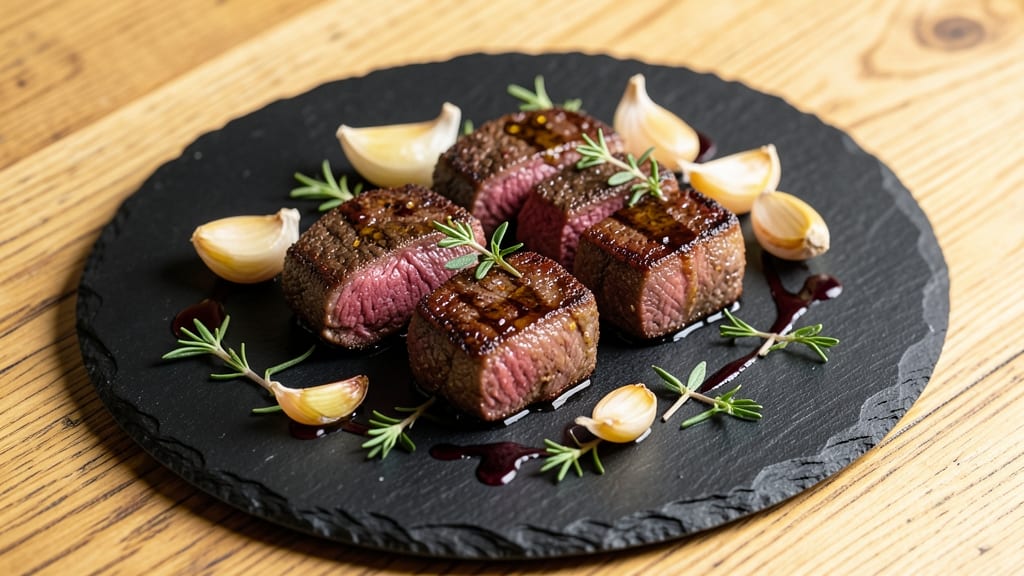
Mastering petite steak means transforming small cuts into restaurant-quality bites with a perfect crust and tender interior—something I perfected after years of experimenting with different techniques. The secret lies in precise searing and proper resting, ensuring every bite delivers that ideal balance of flavor and texture.
This method works beautifully with ribeye, filet, or sirloin cuts, making it versatile for any meal.
What sets this recipe apart is the foolproof technique that guarantees juicy results even with smaller portions. We'll use high-heat searing to create that coveted crust while keeping the inside perfectly tender. The key?
A hot pan, quality cuts, and patience during the resting phase—no guesswork, just professional results every time. Ready in just 15 minutes, this method makes gourmet dining accessible for any occasion.
By following these steps, you'll achieve perfectly juicy petite steaks with a rich, caramelized crust that holds up beautifully on the plate. The technique works equally well for individual servings or larger gatherings, and the leftovers reheat surprisingly well.
Whether you're cooking for two or preparing a platter for guests, this method delivers consistent, impressive results.
Pair these petite steaks with classic sides like roasted potatoes or a simple wine reduction for a complete meal. The recipe's flexibility makes it ideal for weeknight dinners or special occasions—all while maintaining that restaurant-quality finish. Let's get started on creating these perfect mini steaks!
Ingredients for petite steak
High-quality cuts, bold flavors, and a foolproof technique—everything you need for restaurant-worthy petite steaks at home.
| Ingredient | Amount | Notes |
|---|---|---|
| Ribeye Petite Steaks 🥩 | 1 lb | 1-inch thick, trimmed of fat |
| Kosher Salt 🧂 | 1 ½ tsp | Diamond Crystal preferred |
| Freshly Ground Black Pepper 🌶️ | 1 tsp | Coarsely ground for texture |
| Extra-Virgin Olive Oil 🫒 | 2 tbsp | High smoke point preferred |
| Garlic Cloves 🧄 | 4 cloves | Smashed, not minced |
| Fresh Thyme Leaves 🌿 | ¼ cup | Stems removed, loosely packed |
| Unsalted Butter 🧈 | 2 tbsp | Cold, cubed for basting |
| Red Wine 🍷 | ½ cup | Bold Cabernet Sauvignon |
| Beef Bone Broth 🍲 | ¼ cup | Homemade or high-quality store-bought |
| Fresh Rosemary 🌿 | 2 sprigs | For garnish and aroma |
| Flour 🌾 | 2 tbsp | All-purpose, for dredging |
| Dried Parsley 🌿 | 1 tbsp | Finely chopped for garnish |
The steaks make all the difference here. Ribeye delivers the best marbling for flavor, but sirloin or filet work too if you prefer leaner cuts. Local butchers often have petite steaks pre-cut—ask for 1-inch thickness. If buying whole, trim excess fat to avoid flare-ups. The freshness factor is critical: aim for steaks that smell clean and have a vibrant red color, not grayish edges. For the boldest flavor, Costco's Kirkland Signature or USDA Prime from Whole Foods are my go-tos, but any quality cut will work with this method.
No red wine? Beef broth with a splash of balsamic vinegar mimics the depth perfectly. The garlic and thyme are non-negotiable for aroma—fresh is non-negotiable here. If you're short on time, dried thyme at one-third the amount works, but the flavor won't be as bright. The butter should be cold and cubed—this creates the best basting sauce. For the flour, King Arthur all-purpose is my favorite, but any brand works. Pro tip: Toast the flour in the pan first for a deeper flavor before searing.
These steaks are best served immediately, but leftovers reheat beautifully. Wrap in foil and warm in a 200°F oven for 5-7 minutes—never microwave. The wine reduction keeps for 3 days in the fridge if stored in an airtight container. For a crowd, double the batch and rest the steaks on a wire rack to keep them warm. Garnish with fresh rosemary and parsley right before serving—the aroma alone will impress your guests. Freeze any unused butter-wine reduction for up to 3 months.
Why You'll Love This Recipe
- No-Chop Necessary: The petite steaks are already uniform—no butchering, no guesswork. Just pat dry, salt, pepper, and hit the pan. Honestly, I’ve made this while scrolling through emails. That’s how little effort it takes.
- Crispy-Garlic Magic: Sear those steaks in olive oil until the edges are golden, then smash a garlic clove right on top while they rest. The aroma alone makes the kitchen smell like a bistro. Between us, that’s the move that turns “dinner” into “I’ll have seconds.”
- Weeknight to Weekend: Same prep for Tuesday takeout or Saturday brunch—just adjust the sides. I’ve served these with roasted potatoes one night and a simple salad the next. Even my picky teenager doesn’t complain when they’re on the menu.
- Budget Steakhouse Feel: Petite steaks cost less than full cuts but taste just as luxurious. A single ribeye steak feeds two with leftovers, and those extras? Perfect for lunch the next day. My wallet and my lunchbox thank me every time.
Step-by-step instructions for juicy petite steaks with perfect crust
Here's how to transform petite ribeye steaks into restaurant-quality bites with flawless crust and melt-in-your-mouth tenderness.
Season and Sear the Steaks to Develop Crust
Pat the 1 lb ribeye petite steaks completely dry with paper towels—this is non-negotiable for a good crust. Season both sides generously with the 1.5 tsp kosher salt and 1 tsp freshly ground black pepper, pressing firmly so the seasoning adheres. Let them sit at room temperature for 15 minutes while you preheat your cast-iron skillet over medium-high heat.
Add the 2 tbsp extra-virgin olive oil and let it get shimmering hot—you should see small bubbles forming when you drop a steak in. Working in batches if needed, sear the steaks for exactly 2 minutes per side for medium-rare. You'll know they're ready when they develop a deep golden crust and release easily from the pan. Transfer to a plate and tent loosely with foil to keep warm.
Build the Wine-Thyme Reduction Sauce
In the same skillet (no need to wipe it clean—those browned bits are flavor gold), add the 4 smashed garlic cloves and cook for 30 seconds until fragrant but not browned. Pour in the 0.5 cup red wine and scrape up all the fond from the bottom with a wooden spoon. Let it simmer for 3 minutes until reduced by half.
Add the 0.25 cup beef bone broth and 0.25 cup fresh thyme leaves, then reduce by another third. Remove from heat and whisk in the 2 tbsp cold cubed unsalted butter until melted and incorporated. The sauce should coat the back of a spoon with a glossy sheen. If it's too thick, add 1-2 tablespoons of water to reach your desired consistency.
Create a Flour Slurry for Perfect Sauce Finish
In a small bowl, whisk together the 2 tbsp flour and 1 tbsp dried parsley to create a smooth slurry. Slowly ladle the wine-thyme reduction into the flour mixture while whisking constantly to prevent lumps. Return the entire mixture to the skillet and cook over medium heat for 2-3 minutes until thickened to a velvety consistency.
Here's the thing—this slurry technique creates an ultra-smooth sauce that clings beautifully to the steaks. If you're worried about lumps, strain the sauce through a fine-mesh sieve for a silky finish. The sauce should now have a rich, wine-forward depth with just a hint of thyme aroma.
Baste and Garnish for Restaurant-Worthy Presentation
Return the seared steaks to the skillet and spoon the finished sauce over them, basting for 30 seconds to coat evenly. The residual heat will gently warm the sauce while keeping the steaks perfectly cooked. Garnish each steak with a sprig of fresh rosemary for both aroma and visual appeal.
Serve immediately with the sauce pooled around the steaks. Each bite should deliver that perfect crust you worked so hard for, followed by juicy, pink centers and a sauce that clings beautifully to every strand. The rosemary adds a bright herbal note that cuts through the richness, while the thyme infuses the sauce with earthy depth. This is how petite steaks become an unforgettable main course!
Pro Tips For Making Petite Steak
- CRANK THE HEAT FIRST: Petite steaks are tiny—if you start with medium heat, they’ll steam instead of sear. Get your pan screaming hot (3-4 minutes on high) before adding oil, then lay those steaks down flat. I used to rush this and ended up with sad, gray edges that looked like they’d been microwaved.
- SALT THE GARLIC: Those minced garlic cloves? Toss them in a pinch of kosher salt before crushing them with the flat of your knife. It stops the garlic from turning bitter and makes the oil sing when you add it to the pan. (Yes, even if you’re in a hurry—it takes 10 seconds.)
- DON’T POKER THE STEAK: The second you stick a fork in a petite steak, all the juices shoot out the sides. Use tongs instead, and if you’re worried about doneness, cut into one after it’s rested—you’ll see the pink center before it’s overcooked. I learned this after ruining three batches of these little guys.
- REST THEM UNDER FOIL: Petite steaks finish cooking while resting, so tent them loosely with foil for 5 minutes after hitting your target temp. The residual heat carries them to perfect medium-rare without drying them out. (Pro move: Add a pat of butter and a smashed garlic clove to the foil—it turns into a pan sauce.)
Best sauces and condiments for this dish
Classic Red Wine Reduction
The bold Cabernet Sauvignon reduction in this recipe creates the perfect balance of richness and acidity to complement the steak's natural flavors. I start by deglazing the pan with wine after searing, scraping up all those caramelized bits called fond—this is where 50% of the flavor comes from.
The key is reducing it by half to concentrate those deep, fruity notes. For an extra layer of depth, I add beef bone broth and fresh thyme leaves before finishing with cold butter.
This sauce should coat the back of a spoon with a glossy sheen and have just a hint of wine's tannins. 🍷
Herb-Infused Butter Sauce
If you prefer something lighter, this herb butter sauce is my go-to alternative. Melt 2 tbsp unsalted butter in the same pan after searing, then stir in 1 tbsp chopped fresh parsley, 1 tsp minced garlic, and a pinch of smoked paprika.
Spoon this over the steaks just before serving—it melts beautifully and adds a bright, aromatic finish. For extra richness, I sometimes add a splash of heavy cream at the end. This sauce works particularly well with filet mignon petite steaks, where you want to highlight the beef's natural tenderness. 🧈
Smoky Chipotle Cream Sauce
For those who love a little heat, this chipotle cream sauce transforms petite steaks into a completely different experience. Start with the same wine reduction base, then stir in 2 tbsp sour cream, 1 tsp adobo sauce (from canned chipotles), and ½ tsp ground cumin.
Finish with a pat of cold butter for a velvety texture. The smoky chipotle adds complexity while the cream balances the heat. I like to serve this with roasted corn and avocado for a Southwestern twist. The sauce pairs especially well with sirloin petite steaks. 🌶️
Garlic-Herb Compound Butter
This garlic-herb compound butter is my secret weapon for adding texture and flavor without overwhelming the steak. Mix 4 tbsp softened butter with 2 minced garlic cloves, 1 tbsp chopped fresh thyme, 1 tbsp chopped parsley, and a pinch of kosher salt.
Shape into a log, chill until firm, and slice off pats to melt over each steak. The butter adds a luxurious mouthfeel while the herbs complement the wine reduction.
I often make a big batch ahead and store it in the fridge for up to 2 weeks—it's perfect for last-minute garnishes. 🧄
Balsamic Glaze Finish
For a quick, elegant finish, drizzle the steaks with a homemade balsamic glaze made by reducing ¼ cup balsamic vinegar with 1 tbsp honey and 1 tsp Dijon mustard over medium heat until syrupy. This glaze adds a tangy-sweet contrast that cuts through the richness of the steak.
I like to use it alongside the wine reduction or as a standalone sauce for a lighter option. The glaze works beautifully with rosemary-infused olive oil for an aromatic touch. For best results, reduce the glaze until it coats the back of a spoon. 🍯
Cheese Sauce for Extra Luxury
For a decadent touch, finish the steaks with a gruyère-cream cheese sauce. Melt 2 tbsp butter in the pan, whisk in 2 tbsp flour, then slowly add ¼ cup heavy cream and 2 oz grated gruyère.
Cook until thickened, then stir in 1 oz cream cheese for a silky texture. This sauce adds a creamy, umami-rich element that pairs perfectly with ribeye petite steaks. Garnish with extra grated cheese and a sprinkle of black pepper for a restaurant-worthy finish. 🧀
Nutrition facts
Frequently asked questions
What's the best cut for petite steaks?
For this recipe, ribeye delivers the most flavor with its marbling, but sirloin or filet mignon work beautifully too. Look for cuts that are 1-inch thick—this thickness ensures proper searing while keeping the interior tender. Local butchers often pre-cut petite steaks, or you can ask them to slice a whole steak into smaller portions.
Can I make these petite steaks ahead of time?
While the steaks are best served immediately, you can prep components ahead. Make the wine reduction sauce up to 3 days in advance and store it in an airtight container. For the steaks themselves, sear them ahead and refrigerate (uncovered) for up to 12 hours to develop a better crust, then reheat in a 200°F oven for 5-7 minutes wrapped in foil. Never microwave!
How do I adjust the recipe for a crowd?
Double or triple the recipe, but use a larger skillet to maintain proper searing temperatures. For 8 servings, use 2 lbs of steak and increase the wine and broth to 1 cup each. Keep cooked steaks warm on a wire rack in a 170°F oven while finishing the sauce in batches. The key is maintaining high heat for searing—don't overcrowd the pan.
What if my petite steaks turn out dry?
Overcooking is the most common cause. For perfect results, use a meat thermometer and aim for 125°F for medium-rare (about 2 minutes per side for 1-inch cuts). If they're slightly overdone, slice against the grain and serve with extra sauce. The wine reduction helps compensate for dryness, but prevention is better—always let steaks rest 5-10 minutes before cutting.
Can I use a different type of wine?
Yes! While Cabernet Sauvignon works best, Malbec or Syrah add similar richness. Avoid light whites or sweet wines—they won't complement the beef's depth. For non-alcoholic versions, use grape juice or beef broth with a splash of balsamic vinegar for acidity. The wine's job is to deglaze and create flavor, not to be the star.