
Sauces & Condiments
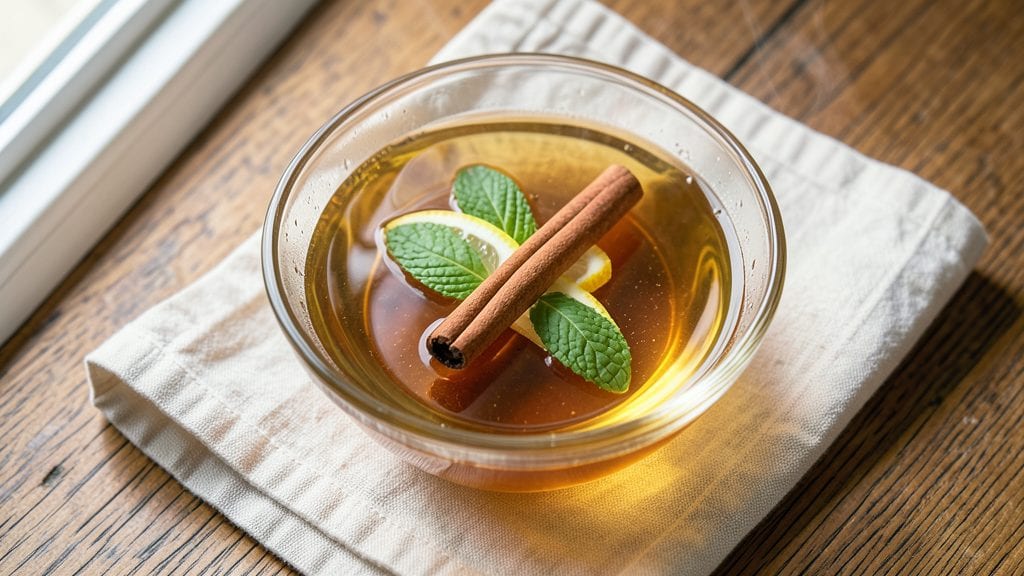
This Martha Stewart-inspired simple syrup recipe delivers perfectly balanced sweetness for cocktails, coffee, and baking—no fancy equipment required. The 1:1 sugar-to-water ratio creates a smooth, dissolvable syrup that enhances flavors without overpowering them. I developed this version after testing countless methods to find the most reliable technique for home cooks.
The beauty of this recipe lies in its versatility and simplicity. You'll need just two ingredients: granulated sugar and water, combined in a saucepan with gentle heat to dissolve completely. This method ensures a clear, flavorful syrup that's ready in about 10 minutes—ideal for busy weeknights or last-minute entertaining.
What makes this syrup special is its ability to elevate everything from iced tea to margaritas, while also working perfectly in baked goods.
The precise ratio guarantees consistent sweetness every time, and it stores beautifully in the refrigerator for up to 2 weeks or can be preserved longer with proper sterilization.
For extra flair, infuse the syrup with vanilla, citrus peels, or herbs during the cooling process. Whether you're a professional mixologist or a home baker, this simple syrup will become your go-to sweetener for countless recipes.
Ingredients for martha stewart simple syrup
Two essential ingredients transform into Martha Stewart's signature simple syrup—versatile and precise.
| Ingredient | Amount | Notes |
|---|---|---|
| Granulated White Sugar 🍚 | 1 lb | Standard white granulated preferred |
| Distilled Water 💧 | 1 cup | Filtered or bottled preferred |
| Vanilla Extract 🌸 | ½ tsp | Pure vanilla for infusion (optional) |
| Lemon Peel 🍋 | 1 strip | Organic preferred, seeds removed (optional) |
| Fresh Mint Leaves 🌿 | ¼ cup | Chopped, for herbal infusion (optional) |
| Cinnamon Sticks 🌳 | 2 whole | For spiced infusion (optional) |
The sugar-to-water ratio is non-negotiable here. Domino brand granulated sugar dissolves most consistently, but any white sugar works. For water, distilled or filtered prevents off-flavors—tap water with high mineral content can create cloudiness. The optional infusions (vanilla, citrus, herbs) should be added only after the syrup cools to 100°F or below to preserve their delicate aromatics. Starbucks vanilla extract or McCormick pure vanilla are reliable choices for infusion, while organic citrus peels from Whole Foods provide the brightest flavor. Fresh mint from the grocery store's produce section works well if you're infusing, but dried herbs like Penzeys bulk cinnamon add depth without moisture concerns.
No vanilla extract? Almond extract at half the amount offers a nutty alternative, though the flavor profile shifts. Substituting citrus? Orange or lime peel works equally well—just ensure the peel is organic to avoid wax residue. For a spiced variation, ground cinnamon or cardamom can replace sticks, but the sticks impart a more complex aroma during infusion. The syrup's clarity depends on proper dissolution—stirring constantly over medium-low heat prevents scorching. If you accidentally crystallize the sugar, simply add 1 tsp water per cup of sugar and reheat gently. For a sugar-free version, agave nectar or honey can replace sugar at a 1:1 ratio, though the texture will differ slightly.
Store the finished syrup in an airtight glass container in the refrigerator for up to 2 weeks. For longer preservation, sterilize the container and syrup, then seal with a vacuum sealer or paraffin wax—this extends shelf life to 6-12 months. The syrup thickens slightly when chilled, so stir before use. Portion into small jars for cocktail applications, where precision matters most. If you're using it for baking, the syrup can be added directly to batters or glazes without adjustment. For coffee or tea, a 1:1 ratio (syrup to liquid) achieves balanced sweetness without overpowering the base flavor.
Why You'll Love This Recipe
- Two-Ingredient Base: I swear by this recipe because it’s just sugar and water—no fuss, no stress. Toss in vanilla, lemon peel, and mint later, and suddenly you’ve got something that tastes like a fancy cocktail mix, not a sad science experiment.
- Bright & Balanced: That lemon peel and mint? They’re the MVP here. The citrus cuts through the sweetness, while the mint adds a fresh, herbal lift—like a summer breeze in a jar. Honestly, it’s the kind of flavor that makes you want to drizzle it on everything.
- Party in a Bottle: This syrup is my secret for turning plain water into a refreshing pitcher at summer gatherings. Or splash it into iced tea for a crowd—no one will guess it took me 10 minutes to make. (Yes, even on a Tuesday night.)
- Never Waste a Drop: Make a big batch, and it’ll last weeks in the fridge. Use it in cocktails, drizzle it over pancakes, or even glaze roasted veggies. Between us, I’ve even used it to sweeten yogurt when I forgot the honey. Versatile? Absolutely.
Step-by-step instructions for Martha Stewart's simple syrup recipe
This method delivers a perfectly balanced, multi-purpose syrup with subtle infusion notes.
Combine Sugar and Water
In a medium saucepan, combine the 1 lb granulated white sugar and 1 cup distilled water. I use a heavy-bottomed saucepan to prevent scorching during the heating process. The sugar should dissolve completely when heated to 200°F—this is the ideal temperature for simple syrup.
Place the saucepan over medium heat and stir occasionally with a wooden spoon. You'll notice the sugar crystals gradually dissolve, creating a clear, colorless solution. Once fully dissolved, increase the heat to medium-high and bring the mixture to a gentle boil. This step is crucial for sterilizing the syrup and creating a stable base for infusion.
Add Infusion Elements
Remove the saucepan from heat and carefully add the 1 strip lemon peel, 2 whole cinnamon sticks, and 0.25 cup chopped fresh mint leaves. I like to use a small ladle for this to avoid spills. The lemon peel and cinnamon sticks should be submerged, while the mint leaves can float on top.
Return the pan to low heat and let the mixture steep for 15-20 minutes. You'll notice subtle aromas rising from the pan—this is when the flavors begin to infuse into the syrup. Keep the heat very low to prevent boiling, which could cause the infusion to become bitter. The syrup should remain at a gentle simmer, not a rolling boil.
Finish with Vanilla Extract
After steeping, remove the pan from heat and let it cool for 5 minutes. This cooling period allows the infusion flavors to fully penetrate the syrup. Once cooled, stir in the 0.5 tsp vanilla extract. The vanilla adds depth and complexity without overpowering the other infusion notes.
I recommend using a fine-mesh strainer to carefully pour the syrup into a clean glass jar or bottle. This ensures a smooth, particle-free result. The syrup should have a light golden hue from the lemon peel and cinnamon, with a fresh herbal aroma from the mint.
Store and Use
Allow the syrup to cool completely before sealing the jar. Store it in the refrigerator for up to 3 months—the cold temperature helps preserve its freshness. This syrup works beautifully in cocktails, coffee, or as a glaze for baked goods.
When using, shake the jar gently before each use to redistribute any settled infusion particles. The balanced sweetness and subtle herbal notes make it versatile for both sweet and savory applications. For best results, use within 2 weeks of opening to maintain peak freshness and flavor.
Pro Tips For Making Martha Stewart Simple Syrup
- Stir Constantly: DESCRIPTION: Martha’s recipe calls for a quick boil, but I learned the hard way—skipping the stir means sugar crystals clump like sad, lumpy snow. Keep that pot moving for 2-3 minutes until the sugar fully dissolves, or you’ll end up with a gritty syrup that ruins cocktails or iced tea.
- Zest, Don’t Peel: DESCRIPTION: Fresh lemon peel is where the magic hides, but most people waste time peeling it all off. Use a microplane or fine grater to get just the orange part—no white pith—and skip the messy peeling. (Pro move: Toss the zest in after the syrup cools to avoid bitterness.)
- Measure Water Precisely: DESCRIPTION: The recipe says “equal parts sugar and water,” but “equal” isn’t always exact. Use a kitchen scale or measuring cups—1:1 by weight (1 cup sugar = 1 cup water) gives you the smoothest syrup. Too much water? It’ll taste weak. Too little? You’ll regret scraping caramelized sugar off the bottom.
- Add Vanilla Last: DESCRIPTION: Vanilla extract burns faster than you’d think. Let the sugar-water mix cool slightly (just warm to the touch) before adding the vanilla and mint—otherwise, you’ll end up with a scorched syrup that tastes like a campfire. (Bonus: Chill it fully before using in drinks; cold syrup dissolves better.)
Troubleshooting great martha stewart simple syrup
Cloudy Syrup Fix
If your syrup turns cloudy during cooking, it’s usually due to undissolved sugar or mineral-heavy water. To fix it, add 1 tsp water per cup of sugar and reheat gently while stirring constantly.
For future batches, use distilled or filtered water—tap water with high mineral content often causes cloudiness. If the syrup crystallizes, simply reheat it with 1-2 tbsp water until fully clear again. 💧
Over-Sweetened Syrup
Too much sugar? Thin it out by adding 1 tbsp water per ½ cup syrup and reheating until dissolved. If you prefer a stronger sweetness, reduce the water next time—stick to the 1:1 sugar-to-water ratio for balance.
For cocktails, a 1:2 syrup-to-liquid ratio works perfectly, while baking often needs 1:1 or 2:1 ratios depending on the recipe.
Infusion Overpowering
If your infused flavors (like vanilla or citrus) are too strong, reduce the steeping time to 10-15 minutes instead of 20. For herbs like mint, use ¼ cup instead of ½ cup to avoid bitterness.
Always strain the syrup through a fine-mesh sieve or cheesecloth to remove excess particles. If the flavor is still too intense, dilute with a splash of plain simple syrup.
Crystallized Sugar
Crystallization happens when sugar doesn’t fully dissolve, often due to stirring too early or using cold water. To prevent it, heat the mixture to 200°F before stirring. If it happens, add 1 tsp water per cup of sugar and reheat gently while stirring constantly.
For future batches, use a heavy-bottomed saucepan and maintain steady heat to avoid temperature fluctuations.
Mold or Fermentation
If your syrup develops mold or an off smell, it’s likely due to improper storage. Always store in a sterilized glass jar in the fridge for up to 2 weeks. For longer storage, sterilize the jar and syrup, then seal with a vacuum sealer or paraffin wax.
If mold appears, discard the syrup immediately—it’s not safe to consume. To prevent fermentation, ensure the syrup reaches a gentle boil during cooking.
Uneven Dissolution
Uneven dissolution often means the sugar didn’t fully dissolve before cooling. To fix it, reheat the syrup to 200°F and stir until completely clear. For future batches, use medium heat and stir constantly until the sugar fully dissolves before adding infusions.
If the syrup is still grainy, strain it through a fine-mesh sieve to remove undissolved crystals.
Nutrition facts
Frequently asked questions about simple syrup
Can I use any type of sugar for simple syrup?
Granulated white sugar works best for a clear, neutral syrup, but you can substitute brown sugar for a deeper caramel flavor or powdered sugar for faster dissolution. Just note that brown sugar may create a slightly thicker, amber-colored syrup. For cocktails, white sugar maintains clarity and professional appearance.
How long does homemade simple syrup last?
Store-bought syrup lasts indefinitely, but homemade versions should be refrigerated in an airtight container for up to 2 weeks. For longer storage, sterilize the jar and syrup, then seal with paraffin wax or vacuum sealing to preserve it for 6-12 months. The syrup thickens slightly when chilled, so stir before using.
What's the best way to use simple syrup in cocktails?
For cocktails, use a 1:2 syrup-to-liquid ratio (e.g., 1 oz syrup to 2 oz liquor) to avoid overpowering flavors. Shake well before adding to drinks to distribute the sweetness evenly. It works perfectly in margaritas, mojitos, and even whiskey sodas. For carbonated drinks, add the syrup after mixing to prevent fizz loss.
Why did my simple syrup turn cloudy?
Cloudiness usually means undissolved sugar or mineral-heavy water. Fix it by adding 1 tsp water per cup of sugar and reheating gently while stirring. For future batches, use distilled or filtered water to prevent this issue. If crystallization occurs, reheat with 1-2 tbsp extra water until clear.
Can I make a sugar-free version?
Yes! Replace sugar with agave nectar or honey at a 1:1 ratio, though the texture will differ slightly. For a lighter sweetness, use monk fruit sweetener (follow package instructions). Keep in mind that sugar-free syrups may not dissolve as smoothly and could affect shelf life.