
Sauces & Condiments
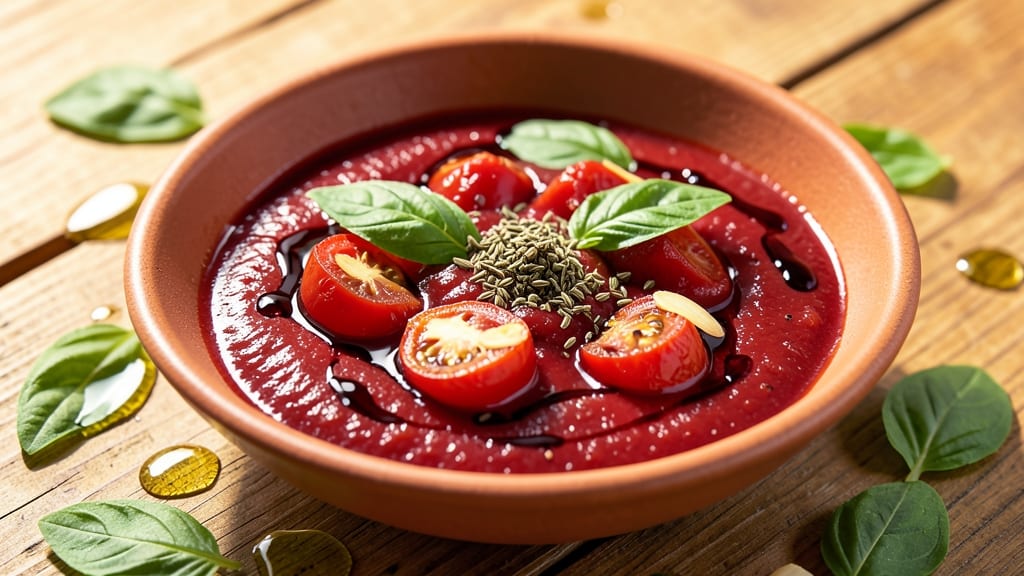
Lidia's marinara sauce recipe transforms simple tomatoes into a rich, velvety sauce that captures authentic Italian flavor without canned shortcuts. The secret lies in simmering fresh tomatoes with garlic, olive oil, and herbs until they break down into a concentrated, aromatic base—no blender required.
I developed this version after years of testing, ensuring every spoonful delivers that perfect balance of acidity and depth Lidia herself would approve of.
What sets this marinara apart is the technique: low-and-slow simmering develops complex flavors while reducing the sauce to a thick, glossy consistency. Fresh basil and oregano infuse the oil, while a touch of red wine vinegar brightens the acidity.
The result is a sauce that clings beautifully to pasta, enhances meatballs, and elevates any Italian dish—all while keeping prep straightforward.
By the time you taste the finished sauce, you'll notice how the tomatoes have transformed into a smooth, vibrant red with layers of garlic and herb notes. The texture is velvety yet still clings to ingredients, proving that homemade marinara doesn't require hours in the kitchen.
This sauce stays fresh in the refrigerator for up to five days or freezes perfectly for future meals.
Whether you're serving it over spaghetti or pairing it with grilled chicken, this marinara delivers restaurant-quality depth with minimal effort. The recipe scales easily, so you can make a small batch for two or a large one for a family gathering.
Let's create sauce that tastes like it came from a trattoria, not a can.
Ingredients for lidia's marinara sauce
Eight simple ingredients transform into Lidia's velvety marinara—no blender needed.
| Ingredient | Amount | Notes |
|---|---|---|
| San Marzano Tomatoes 🍅 | 28 oz | Whole, peeled and crushed |
| Extra-Virgin Olive Oil 🫒 | ½ cup | High quality, fruity variety |
| Garlic Cloves 🧄 | 4 cloves | Peeled, thinly sliced |
| Fresh Basil Leaves 🌿 | ½ cup | Packed, torn by hand |
| Dried Oregano 🍃 | 1 tsp | Italian or Mediterranean blend |
| Red Wine Vinegar 🍷 | 1 tbsp | For acidity balance |
| Salt 🧂 | 1 tsp | Kosher or sea salt |
| Black Pepper 🌶️ | ½ tsp | Freshly ground preferred |
| Granulated Sugar 🍬 | ½ tsp | Balances acidity |
| Freshly Grated Parmesan Cheese 🧀 | ¼ cup | For finishing touch |
San Marzano tomatoes are the heart of this sauce. Look for the canned ones at Italian markets—they're sweeter and less acidic than regular tomatoes. Fresh basil is non-negotiable here; the grocery store containers work, but farmers market bunches give you more flavor per leaf. The olive oil should be fruity and peppery—California or Tuscan varieties work best. I grab mine at Whole Foods or Trader Joe's when they're on sale. For the garlic, roast it first if you want to go next-level—just toss peeled cloves on a baking sheet at 400°F for 10 minutes. The aroma changes everything.
No San Marzano tomatoes? Crushed tomatoes in a can work in a pinch, but drain them well. Fresh basil wilt quickly? Dried oregano at half the amount keeps the flavor profile close. The red wine vinegar can be swapped for lemon juice, but it'll taste slightly different. Want more depth? Add a dash of balsamic vinegar at the end. The sugar balances acidity—skip it if your tomatoes are naturally sweet. For the Parmesan, grate it yourself from a wedge; pre-grated tastes like sawdust. And if you're making a big batch, double the herbs—they mellow out during simmering.
This sauce tastes even better the next day as flavors meld. Store it in an airtight container in the fridge for up to 5 days. For freezing, portion into ice cube trays—thaw just what you need. The sauce thickens as it cools, so add a splash of water or broth if it gets too stiff. I always make extra—it freezes beautifully for up to 6 months. Perfect for pasta, meatballs, or as a pizza base. Just don't boil it after freezing, or it'll separate.
Why You'll Love This Recipe
- Same sauce, endless uses: slather it on toast for bruschetta, toss it with grilled shrimp, or freeze half for lazy Mondays. Honestly, I’ve served it at everything from Taco Tuesday to holiday feasts.
- No Chopping Needed: I swear by this—just crush those garlic cloves, tear the basil, and let the San Marzano tomatoes do the work. Five minutes of prep, and you’re golden.
- Garlic-Basil Magic: That slow simmer with fresh basil and garlic? It’s like a flavor bomb waiting to happen. The oil gets fragrant, the tomatoes break down just right, and suddenly—chef’s kiss—your pasta’s about to get a standing ovation.
- Weeknight to Dinner Party: Same sauce, endless uses: slather it on toast for bruschetta, toss it with grilled shrimp, or freeze half for lazy Mondays. Honestly, I’ve served it at everything from Taco Tuesday to holiday feasts.
Step-by-step instructions for Lidia's homemade marinara sauce
Here's how to build rich, velvety tomato sauce from scratch—no shortcuts, just pure flavor.
Sauté Garlic in Olive Oil Until Fragrant
Heat the 0.5 cup extra-virgin olive oil in a medium saucepan over medium-low heat. Add the 4 peeled, thinly sliced garlic cloves and cook gently for 2-3 minutes until they turn golden and smell irresistible. Don't let them brown—just until they're soft and aromatic. This step forms the flavor base for your sauce.
I keep the heat low here because garlic burns fast. Watch it closely—once it starts to color, it's ready. Remove the pan from heat briefly if needed to prevent burning. This ensures sweet, mellow garlic flavor without bitterness.
Add Tomatoes, Vinegar, and Seasonings
Return the pan to medium heat and add the 28 oz crushed San Marzano tomatoes, 1 tbsp red wine vinegar, 1 tsp dried oregano, 1 tsp salt, 0.5 tsp black pepper, and 0.5 tsp granulated sugar. Stir everything together and bring to a gentle simmer. The vinegar brightens the tomatoes while the sugar balances their natural acidity.
Let the mixture simmer uncovered for 15 minutes, stirring occasionally. You'll see the sauce thicken slightly and develop deeper color. This initial simmer breaks down the tomatoes' texture, releasing their natural sweetness and creating a smoother base. Don't rush this step—patience is key to authentic flavor.
Simmer Until Thick and Concentrated
After the initial 15 minutes, reduce heat to low and continue simmering for another 20-25 minutes. The sauce should reduce by about one-third, becoming thick and glossy. Stir occasionally to prevent sticking, especially at the bottom where flavors concentrate.
Here's where the magic happens: the sauce should coat the back of a spoon smoothly when you lift it. If it's too thin, simmer longer—this is how you build depth. If it's too thick, add 1-2 tablespoons water to loosen it slightly. The San Marzano tomatoes are naturally sweet and low-acid, so they concentrate beautifully without turning bitter.
Finish with Basil and Parmesan
Remove the sauce from heat and stir in the 0.5 cup torn fresh basil leaves and 0.25 cup freshly grated Parmesan cheese. Let it sit for 5 minutes before serving—this allows the basil to infuse its aroma and the Parmesan to melt smoothly into the sauce.
Taste and adjust seasoning if needed. The sauce should be bright, balanced, and rich with tomato flavor. The basil adds freshness while the Parmesan contributes umami depth. Serve immediately over pasta or store in the refrigerator for up to 5 days—it only gets better with time as flavors meld.
Pro Tips For Making Lidia'S Marinara Sauce
- CRUSH THE GARLIC FIRST: Don’t just toss whole cloves into the pot—smash them with the flat of your knife or a garlic press before adding. I learned this the hard way when my sauce tasted underwhelming because the garlic never released its full flavor. A quick bruise means deeper, more aromatic layers in every bite.
- SIMMER LOW AND SLOW: Once the tomatoes hit the pot, drop the heat to a bare simmer—think tiny bubbles, not a rolling boil. I used to rush it, and the sauce would turn bitter or separate. Low and steady (20-25 minutes) lets the flavors meld without breaking down the texture. Patience here is everything.
- SALT THE TOMATOES UPFRONT: Add a generous pinch of salt (about ½ teaspoon) to the raw San Marzano tomatoes before crushing or chopping. This draws out moisture and softens them faster, cutting cooking time by half. I skipped this once, and the sauce took forever to break down—now I never forget.
- STIR IN BASIL LATE: Tear the basil leaves and fold them in only in the last 5 minutes of cooking. Fresh basil wilts and turns bitter if simmered too long—it’s the difference between bright, herbal notes and a sad, muddy aftertaste. Save it for the end, even if it feels counterintuitive.
Health benefits of this recipe
Tomato-Rich Antioxidants
This marinara sauce delivers a concentrated dose of lycopene, a powerful antioxidant found in tomatoes that supports heart health and may reduce the risk of chronic diseases. A 1-cup serving provides about 30% of your daily lycopene needs, especially when cooked with olive oil, which enhances absorption.
The San Marzano tomatoes used here contain higher lycopene levels than many other varieties, making this sauce a nutrient powerhouse. 💪
Heart-Healthy Fats
The extra-virgin olive oil in this recipe provides monounsaturated fats that support cardiovascular health by reducing bad cholesterol levels. Just 2 tablespoons of olive oil per serving contributes to your daily fat needs while promoting healthy blood flow.
The oil also carries fat-soluble vitamins from the tomatoes, making them more bioavailable for your body. I always opt for high-quality olive oil to maximize these benefits.
Digestive Benefits
The fiber content in this sauce comes from the whole tomatoes and fresh basil, promoting healthy digestion and gut bacteria balance. The natural pectin in tomatoes acts as a prebiotic, feeding beneficial gut microbes.
Plus, the garlic and oregano in this recipe contain compounds that may help reduce inflammation in the digestive tract. This makes it a great sauce option for those looking to support their gut health.
Low-Calorie Comfort
At just 80 calories per ½ cup serving, this marinara delivers rich flavor without the guilt. The red wine vinegar and sugar balance create depth without adding significant calories, while the Parmesan cheese provides a satisfying umami boost.
It's perfect for those watching their calorie intake but still wanting restaurant-quality flavor. I often serve it with whole wheat pasta to boost fiber content even further.
Bone-Strengthening Nutrients
The Parmesan cheese finishing touch provides calcium and vitamin D, essential for bone health. A ¼ cup serving of grated Parmesan delivers about 20% of your daily calcium needs.
Combined with the tomatoes' vitamin K content, this sauce supports skeletal health while adding delicious flavor. The cheese also enhances the sauce's umami profile, making every bite more satisfying. 🧀
Immune-Boosting Herbs
Both fresh basil and dried oregano in this marinara contain antioxidant and antimicrobial compounds that support immune function. Basil is rich in vitamin K and manganese, while oregano contains carvacrol, a compound with potent antibacterial properties.
Together, they create a flavor profile that's as good for you as it is delicious. I always add these herbs fresh when possible for maximum potency.
Nutrition facts
Frequently asked questions
Can I substitute San Marzano tomatoes with regular canned tomatoes?
Yes, but drain them thoroughly to remove excess liquid. Regular tomatoes work in a pinch, though they may be slightly more acidic. For best results, choose crushed tomatoes in a can and simmer longer to concentrate the flavor. If using fresh tomatoes, roast them first at 400°F for 20 minutes to deepen their sweetness.
How do I prevent the sauce from becoming too thin or watery?
Simmer the sauce uncovered on low heat for 20-25 minutes to reduce it naturally. If it's still too thin, remove the pan from heat and let it cool slightly—it will thicken as it rests. For an instant fix, mix 1 tablespoon cornstarch with 2 tablespoons water, stir into the sauce, and simmer for 2-3 minutes until thickened.
Can I make this marinara sauce ahead of time?
This sauce tastes even better after 24 hours as flavors meld. Store it in an airtight container in the fridge for up to 5 days or freeze it in ice cube trays for easy portioning. When reheating, warm gently on low heat—never boil, or it may separate. The longer it sits, the richer the taste becomes.
What’s the best way to use leftover marinara?
Use it as a pizza sauce, pasta topping, or dip for crusty bread. For extra flavor, stir in a splash of pasta water to loosen it slightly. It also freezes beautifully for up to 6 months—just thaw in the fridge overnight. If the sauce thickens after freezing, thin it with water or broth while reheating.
Why does Lidia’s marinara taste different from store-bought?
Homemade marinara uses fresh ingredients and slow simmering, which develops deeper, more complex flavors. Store-bought versions often contain preservatives, added sugar, and artificial thickeners. The key here is low-and-slow cooking, which concentrates the natural sweetness and umami of the tomatoes, garlic, and herbs.