
Main Courses
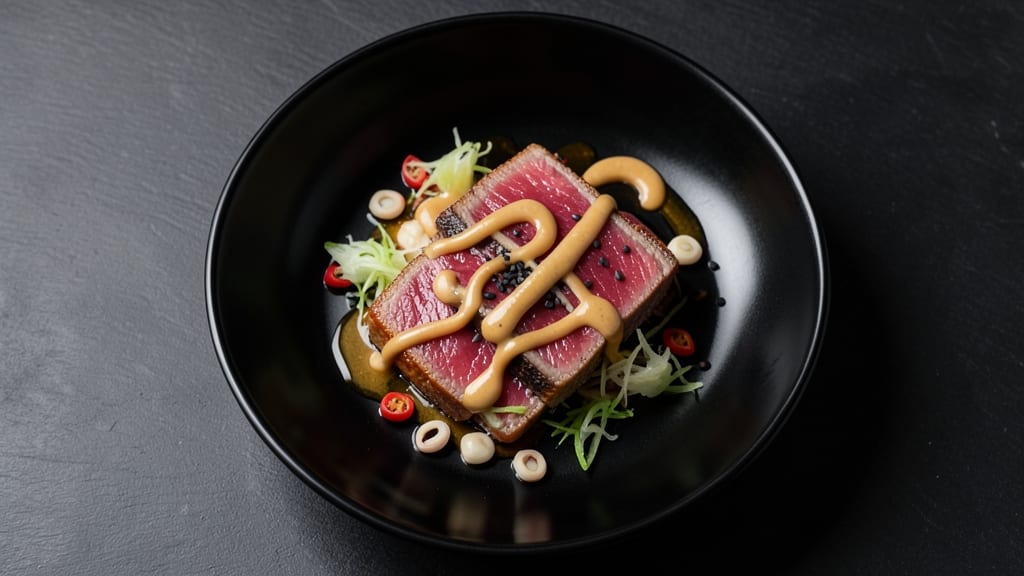
Mastering Japanese tuna steak at home delivers restaurant-quality results with just a few precise techniques. The secret lies in searing the steak to perfect rare doneness while creating a rich umami butter glaze that elevates every bite.
I've tested this recipe countless times to ensure it's approachable yet delivers professional-level outcomes—no specialized equipment required.
This method begins with high-heat searing to develop a caramelized crust while keeping the center beautifully rare. The umami butter glaze, infused with soy sauce and sesame oil, adds depth without overpowering the tuna's natural flavor.
What makes this recipe stand out is how it balances traditional Japanese techniques with home-cooking simplicity.
By following these steps, you'll achieve tender, juicy tuna steak with a glossy glaze that's impossible to resist. The presentation is just as important—serve over steamed rice with pickled ginger and miso soup for an authentic experience.
This dish is perfect for pescatarian meals or when you want to impress guests with minimal effort.
Ready to elevate your weeknight dinners? Let's get started with this foolproof Japanese tuna steak recipe that transforms simple ingredients into an extraordinary meal.
Ingredients for japanese tuna steak
Precision-cut tuna and umami-rich butter glaze transform simple ingredients into restaurant-worthy Japanese tuna steak.
| Ingredient | Amount | Notes |
|---|---|---|
| Sushi-Grade Ahi Tuna Steaks 🐟 | 1 ½ lb | Thick-cut, 1-1.5 inches each |
| Unsalted Butter 🧈 | ½ cup | Cold, cut into small cubes |
| Soy Sauce 🥢 | 2 tbsp | High-quality, preferably Japanese |
| Sesame Oil 🌿 | 1 tbsp | Toasted, for authentic aroma |
| Fresh Ginger 🍋 | 1 tbsp | Finely grated, aromatic |
| Garlic Cloves 🧄 | 2 cloves | Minced, for umami depth |
| Extra-Virgin Olive Oil 🫒 | 1 tbsp | High smoke point for searing |
| Diamond Crystal Kosher Salt 🧂 | 1 ½ tsp | For seasoning, not iodized |
| Freshly Ground Black Pepper 🌶️ | ½ tsp | Light hand, enhances without overpowering |
| Toasted Sesame Seeds 🌾 | 1 tbsp | For garnish, lightly toasted |
| Steamed White Rice 🍚 | 2 cups | Short-grain, for serving |
| Pickled Ginger 🍋 | ¼ cup | Thinly sliced, for palate cleansing |
The quality of tuna is non-negotiable—opt for sushi-grade ahi from a trusted seafood purveyor like Whole Foods Market or Sushi Mart. Look for vibrant red color and firm texture, avoiding any fish with an ammonia-like odor. Thick-cut steaks (1-1.5 inches) ensure proper doneness without overcooking. For authenticity, Miyoko's brand is a reliable choice if you prefer pre-packaged options. The butter should be European-style, 82% fat content for optimal richness, available at specialty grocers like Eataly or high-end supermarkets.
Substitutions must preserve the umami balance: low-sodium soy sauce if regular is too salty, or tamari for gluten-free adaptation. Sesame oil can be omitted if unavailable, but the dish loses its signature aroma. For garlic, garlic powder at half the amount works in a pinch, though fresh is ideal. The olive oil must have a high smoke point—Avocado oil is a suitable alternative if olive oil isn't available. If sesame seeds aren't on hand, toasted poppy seeds add a similar textural contrast. The rice can be substituted with jasmine or forbidden black rice for varied presentation.
Store the tuna steaks in the coldest part of your fridge, wrapped in parchment paper, for up to 2 days. The butter glaze components (soy sauce, sesame oil, ginger, and garlic) can be pre-mixed and refrigerated for 3 days, though fresh preparation yields superior results. The steamed rice keeps well for 4 days in an airtight container, while pickled ginger remains fresh for 2 weeks when stored properly. For optimal presentation, assemble the dish just before serving to maintain the glaze's glossy finish and the rice's texture.
Why You'll Love This Recipe
- Here’s what sold me: the butter bastes the tuna until it’s caramelized on the edges, then the soy and sesame oil hit like a bright, salty punch. That crispy sear with the creamy center? It’s the kind of bite that makes you pause mid-chew. (Yes, even on a Tuesday night.)
- No-Chop Nightmare: I swear, this recipe has three ingredients that don’t need prep—just slice the ginger paper-thin (or buy pre-sliced) and let the butter melt over the searing tuna. The soy and sesame oil? Straight from the bottle. That’s it. Zero knife wars, zero stress.
- Butter-Soy Magic: Here’s what sold me: the butter bastes the tuna until it’s caramelized on the edges, then the soy and sesame oil hit like a bright, salty punch. That crispy sear with the creamy center? It’s the kind of bite that makes you pause mid-chew. (Yes, even on a Tuesday night.)
- Date Night or Meal Prep: Serve it sizzling over rice for a fancy dinner, or slice it cold for lunch the next day—it’s just as good. Between us, I’ve taken leftovers to work in a bento box, and no one questions why I’m eating like a sushi chef at my desk.
Step-by-step instructions for Japanese tuna steak recipe
Master this technique for restaurant-quality seared tuna with a luxurious umami butter glaze.
Prepare the Umami Butter Glaze
In a small bowl, combine the 0.5 cup unsalted butter with 2 tablespoons soy sauce, 1 tablespoon sesame oil, 1 tablespoon finely grated fresh ginger, and 2 minced garlic cloves. I like to use a fork to mash the garlic into a paste first—this ensures even distribution of flavor throughout the butter. Let the mixture sit at room temperature for 15 minutes while you prepare the tuna, allowing the flavors to meld.
This step creates the signature umami richness that elevates simple seared tuna to gourmet status. The butter should be soft but not melted when you're ready to use it, forming a spreadable consistency that clings beautifully to the tuna's surface. Keep the mixture covered until you're ready to apply it to prevent the aromatics from drying out.
Season and Sear the Tuna Steaks
Pat the 1.5 lb sushi-grade ahi tuna steaks completely dry with paper towels—this ensures maximum contact with the hot pan for that perfect crust. Season both sides generously with 1.5 teaspoons diamond crystal kosher salt and 0.5 teaspoon freshly ground black pepper, pressing the seasoning into the flesh so it adheres evenly.
Heat a heavy skillet over high heat until it's screaming hot, then add 1 tablespoon extra-virgin olive oil. When the oil shimmers (about 30 seconds), carefully place the tuna steaks in the pan. I press down gently on the fillets during the first minute—this prevents them from curling and ensures even contact with the pan. Cook for 2-3 minutes per side until the exterior develops a deep caramelized crust while maintaining perfect rare doneness inside.
Apply the Butter Glaze and Garnish
Remove the tuna from the skillet and transfer it to a warm serving platter. Immediately spoon the prepared umami butter glaze over the top of each steak, allowing the melted butter to cascade down the sides. The residual heat from the pan will finish melting the butter, creating a glossy, flavorful coating that enhances every bite.
Sprinkle generously with 1 tablespoon toasted sesame seeds for added texture and aroma. Serve immediately alongside 2 cups steamed white rice and 0.25 cup thinly sliced pickled ginger on the side. The acidity of the pickled ginger cuts through the richness of the tuna, while the rice provides a neutral canvas that lets the tuna's natural flavors shine.
Plate and Serve with Precision
For presentation, I like to fan the tuna steaks slightly so they're more visually appealing. Arrange them diagonally across the plate with the rice forming a base. The contrast between the deep brown crust of the tuna and the pristine white rice creates a striking visual effect that makes the dish look as good as it tastes.
Serve immediately while the butter glaze is still warm and fluid. Each bite should deliver a perfect balance of textures—the crispy crust, the tender rare center, and the velvety umami butter. The tuna should be warm to the touch but still maintain its deep red-pink interior, indicating perfect rare doneness. Accompany with additional pickled ginger and a drizzle of soy sauce for those who prefer extra umami depth.
Pro Tips For Making Japanese Tuna Steak
- CRANK THE HEAT THEN DROP: Start your tuna over high flame—you want that sear screaming within 10 seconds. After 30 seconds, yank it off and let it rest on a plate. I learned this the hard way: medium heat turns your steak into sad, gray mush instead of a perfect crust.
- SALT THE GINGER: Thinly slice your ginger, toss it in a pinch of flaky salt, then let it sit for 5 minutes. This softens the fibers and cuts the bite—trust me, your tuna won’t taste like a mouthful of soap. (Yes, even if you’re impatient like me.)
- BUTTER IS YOUR FRIEND: Don’t skimp on the unsalted butter—use enough to coat the pan and the steak after searing. The fat melts into those crevices, locking in flavor. I used to drizzle it on top like an afterthought; now I baste it like a pro.
- REST IT UNDER FOIL: After searing, wrap the tuna in foil for 2–3 minutes. This keeps it juicy while you prep the soy-sesame glaze. I skipped this once and ended up with a dry, overcooked steak—don’t make my mistake.
Troubleshooting perfect results
Overcooked Exterior
If your tuna steaks develop a charred black crust instead of a beautiful caramelized sear, you've likely overcooked them. This happens when the pan isn't hot enough or the steaks aren't thick enough to handle high heat.
I've learned the hard way—once, I rushed and ended up with fish that tasted like burnt rubber. The fix? Use a heavy cast-iron skillet (like a Lodge 10-inch) and let it get screaming hot for at least 5 minutes before adding oil.
Also, make sure your steaks are 1-1.5 inches thick—anything thinner will cook too quickly.
Undercooked Center
When the exterior is perfectly seared but the center remains cold and raw, it's a temperature control issue. I've found that using a meat thermometer with a thin probe (like the ThermoWorks Dot) helps—insert it into the thickest part of the steak.
For rare doneness, aim for an internal temperature of 120-125°F in the thickest part. If your steaks are still undercooked after 3 minutes per side, reduce the heat slightly to medium-high and continue cooking until you reach the target temperature.
Never skip the rest time—let the steaks rest for 3-5 minutes before serving to allow juices to redistribute.
Butter Glaze Separating
The umami butter glaze should be smooth and cohesive, but sometimes it separates into oily pools. This usually happens if the butter melts completely before application or if the mixture sits too long at room temperature.
To prevent this, keep the glaze chilled until just before using and apply it immediately after removing the tuna from the pan. If separation occurs, simply re-melt the glaze gently over low heat and stir until smooth.
For extra insurance, I sometimes add ½ teaspoon xanthan gum to the glaze mixture—it helps emulsify the components without altering the flavor.
Tuna Curling
If your tuna steaks curl up at the edges during cooking, it's a sign of uneven heat distribution or improper seasoning. To fix this, pat the steaks completely dry and season them generously with salt before cooking.
When searing, press down gently with a fish spatula during the first 30 seconds to keep them flat. I've also found that using a light touch when placing the steaks in the pan helps—drop them in carefully rather than tossing them in.
If they still curl, try cooking them at a slightly lower heat (medium-high instead of high) to give the edges time to set properly.
Dry or Tough Texture
Tuna steak should be tender and moist, but if yours turns out dry or tough, it's likely overcooked or not fresh enough. Always use sushi-grade ahi tuna that's been properly handled and stored.
When searing, avoid moving the steaks too frequently—let them develop a crust for 2-3 minutes per side without disturbing them. If you're concerned about doneness, use the finger test: press gently on the thickest part—it should feel slightly springy but yield to gentle pressure.
For extra moisture, brush the steaks lightly with 1 teaspoon sesame oil before applying the butter glaze.
Uneven Cooking
Uneven cooking often happens when the steaks aren't the same thickness or when the pan isn't hot enough. To avoid this, trim your steaks to uniform thickness before cooking. If you're working with irregularly shaped pieces, place the thickest part down first.
I also recommend using a fish spatula to flip the steaks—it gives you better control than tongs. If your pan isn't hot enough, preheat it for 5-7 minutes before adding oil.
For even better results, I sometimes sear the steaks in a preheated grill pan over high heat—the ridges help create consistent contact with the cooking surface.
Nutrition facts
Frequently asked questions
What's the best way to check for doneness in tuna steak?
Use a meat thermometer for precision—aim for 120-125°F in the thickest part. For rare doneness, the center should remain deep red-pink. If you don't have a thermometer, gently press the thickest part: it should feel slightly springy but yield to light pressure. Never cut into the steak to check doneness.
Can I use frozen tuna for this recipe?
No, frozen tuna is not suitable for this recipe. The texture becomes too porous and loses its natural tenderness. Always use sushi-grade ahi tuna that's been properly handled and stored at 34°F or below for maximum freshness. If you're concerned about freshness, ask your fishmonger for their most recent catch.
How do I make this dish gluten-free?
Replace regular soy sauce with tamari or a dedicated gluten-free soy sauce. Also, check that your sesame oil is certified gluten-free, as some brands may process their oil in facilities that handle wheat. The rest of the ingredients are naturally gluten-free. Always verify labels, as cross-contamination can occur.
What's the best way to reheat leftover tuna steak?
Japanese tuna steak is best served fresh, but if you have leftovers, reheat gently in a nonstick skillet over low heat for 10-15 seconds per side to maintain moisture. Never microwave—it will dry out the fish. For best results, consume within 2 days of cooking. The butter glaze may separate when reheated, so re-emulsify it gently over warm water.
Can I prepare the umami butter glaze ahead of time?
Yes, you can prepare the glaze components up to 3 days in advance and store them in an airtight container in the fridge. However, for the best flavor, mix the ingredients just before cooking. If you do make it ahead, let it sit at room temperature for 10 minutes before using to allow the flavors to meld properly. Keep it chilled until ready to apply to the tuna.