
Main Courses
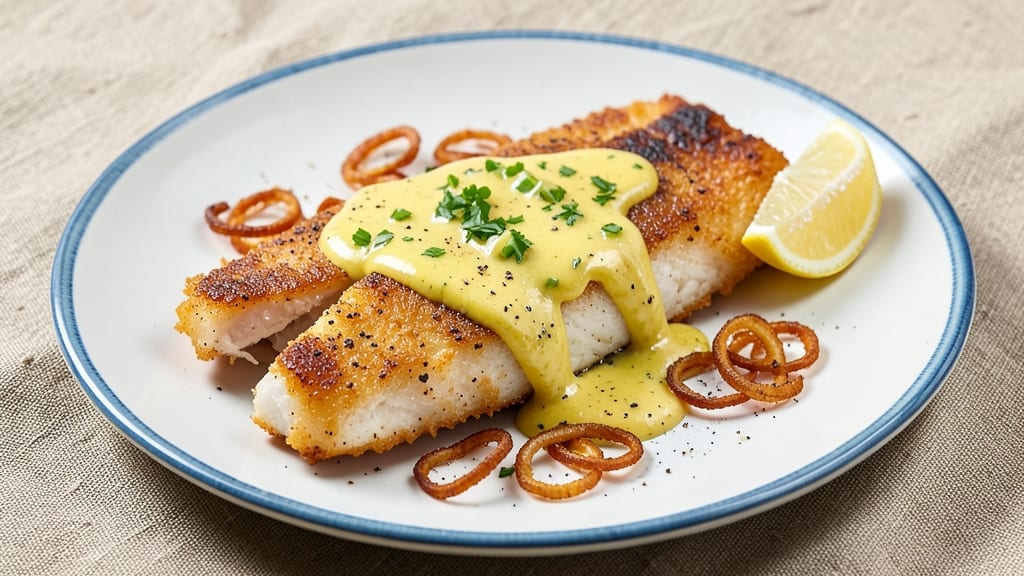
Recreating Golden Corral's signature fried fish at home delivers that same crunchy crust that stays crispy through every bite. The secret lies in precise oil temperature, a well-seasoned batter, and a frying technique that locks in that golden perfection.
I've perfected this method after years of trial and error—no more soggy fish or uneven browning. The result? Restaurant-quality fried fish with a crisp exterior and tender interior that disappears at the first bite.
This recipe captures the essence of Golden Corral's preparation: a seasoned flour coating that creates an airy, shatteringly crisp crust while keeping the fish moist inside. The key steps include properly seasoning the flour mixture, maintaining the oil at 350°F, and frying in batches to avoid overcrowding.
We'll also cover the traditional sides that complete the meal—tartar sauce and classic coleslaw—because presentation matters just as much as taste.
By the time you serve this dish, your table will be covered in golden-brown fried fish with edges that crackle at every touch. The batter clings perfectly, creating that signature crispy texture that stays crispy even after resting.
Each piece comes out of the fryer looking like it was made in a professional kitchen, with a flavor profile that's rich, savory, and impossible to resist. This is comfort food at its finest, elevated to restaurant-quality standards.
The beauty of this recipe is its versatility—serve it as a main course with sides for a family dinner, or prepare a platter for game day. The leftovers reheat beautifully in the oven, making it perfect for meal prep.
Once you master this technique, you'll never buy frozen fish again. Let's get started on creating that iconic Golden Corral experience at home.
Ingredients for golden corral fried fish
The perfect Golden Corral-style fried fish starts with these key ingredients for that signature crunchy crust.
| Ingredient | Amount | Notes |
|---|---|---|
| White Fish Fillets 🐟 | 1 ½ lb | Cod, haddock, or tilapia preferred |
| All-Purpose Flour 🌾 | 2 cups | White, bleached flour for crispiness |
| Cornstarch 🌽 | ¼ cup | For extra crunch and lightness |
| Dried Mustard 🌶️ | 1 tbsp | Yellow mustard powder |
| Ground Black Pepper 🌶️ | ½ tsp | Freshly ground for best flavor |
| Garlic Powder 🧄 | 1 tsp | Not garlic salt |
| Onion Powder 🧅 | 1 tsp | For subtle depth of flavor |
| Paprika 🌶️ | ½ tsp | Smoked variety for color |
| Vegetable Oil 🫒 | 3 cups | High smoke point, like peanut or canola |
| Table Salt 🧂 | 1 ½ tsp | Kosher or sea salt preferred |
| Lemon Wedges 🍋 | 4 whole | For serving, fresh squeezed |
| Tartar Sauce 🥛 | ½ cup | Store-bought or homemade |
| Ice ❄️ | 2 cups | For cooling fried fish |
The fish quality makes all the difference here. Look for fresh, skinless fillets at your local seafood counter—Whole Foods or Trader Joe's carry reliable options. Cod and haddock are ideal because they stay tender while developing that crispy exterior. If you're using frozen fish, thaw it overnight in the fridge—never in hot water, as that makes the flesh mushy. Pat the fillets extremely dry with paper towels before dredging, which prevents the batter from absorbing into the fish. For the flour blend, King Arthur or Bob's Red Mill all-purpose flour works best—avoid self-rising or cake flour, as they won't create the same crisp texture.
No cornstarch? Substitute an extra 2 tablespoons of flour, but expect slightly less crunch. Short on mustard powder? Dijon mustard mixed with a little water works in a pinch, though it won't be identical. The oil temperature is non-negotiable—350°F is critical. Use a deep-fry thermometer to monitor it. If you don't have one, drop a small cube of bread into the oil—it should sizzle and turn golden in 30-45 seconds. For extra flavor, add 1/2 teaspoon of cayenne pepper to the flour mix if you like a little heat. The lemon wedges should be fresh-squeezed—bottled lemon juice lacks the bright acidity needed to cut through the richness of the fried fish.
Keep the fried fish warm in a 200°F oven while you finish frying the rest of the batch. It stays crispy for up to 20 minutes this way. Store leftovers in an airtight container for 2 days, but reheat in the oven at 375°F for 5-7 minutes to restore crispiness. The batter mix keeps dry in an airtight container for 1 week, though freshly mixed always yields better results. For game day prep, double the recipe—just be sure to fry in batches to maintain the oil temperature. The tartar sauce can be made a day ahead and stored in the fridge.
Why You'll Love This Recipe
- I swear by this combo: flour, cornstarch, and a pinch of mustard. No fancy marinades, no last-minute store runs—just open the cabinet and go. That dried mustard? It’s the secret weapon for that signature Golden Corral tang without extra effort.
- Pantry-Only Magic: I swear by this combo: flour, cornstarch, and a pinch of mustard. No fancy marinades, no last-minute store runs—just open the cabinet and go. That dried mustard? It’s the secret weapon for that signature Golden Corral tang without extra effort.
- Crispy-Creamy Balance: The cornstarch gives you that addictive crunch, but the flour keeps it tender inside. Add a crack of black pepper, and suddenly your fish tastes like it came from a drive-thru—but way better. Honestly, my kids don’t even notice it’s "healthy."
- Weeknight & Potluck Star: Toss a batch in the freezer for busy nights or pack it for gatherings. It reheats like a dream (just a few minutes in the oven) and disappears faster than my willpower at a buffet. Between us, it’s my go-to for game days and lazy Sundays.
Step-by-step instructions for crispy fried fish
Here's how to achieve that signature Golden Corral crunch with a crust that stays crispy from first bite to last.
Prepare the Fish and Breading Station
Pat the 1.5 lb white fish fillets completely dry with paper towels—this is critical for maximum crispiness. The drier the surface, the better the crust will adhere. Place the fillets on a clean plate and set aside.
In a large bowl, whisk together the 2 cups all-purpose flour, 0.25 cup cornstarch, 1 tbsp dried mustard, 0.5 tsp ground black pepper, 1 tsp garlic powder, 1 tsp onion powder, 0.5 tsp paprika, and 1.5 tsp table salt. This dry mix forms the foundation of that signature crunchy crust. I like to use a whisk to break up any flour lumps before adding the fish.
Heat the Oil and Dredge the Fish
Fill a deep fryer or heavy pot with 3 cups vegetable oil and heat to 350°F—use a deep-fry thermometer for accuracy. The oil should be hot enough that a small piece of bread dropped in sizzles immediately. If you don't have a thermometer, test with a wooden chopstick: bubbles should form around it within 30 seconds.
Working quickly, dredge each fish fillet in the flour mixture, pressing gently to ensure even coating on all sides. Tap off any excess but don't shake it off completely—you want that thick, even crust. Place the coated fillets on a wire rack set over a baking sheet to keep them elevated while they fry.
Fry to Golden Perfection
Carefully lower the fish into the hot oil using a slotted spatula or tongs. Fry for 3-4 minutes per side until the crust is deep golden brown and the fish flakes easily with a fork. Don't overcrowd the fryer—cook in batches if needed to maintain oil temperature. The key is consistent heat and gentle turning to prevent breaking the crust.
As you fry each piece, transfer it to a wire rack set over the prepared baking sheet with the 2 cups ice beneath. This cooling method keeps the crust crispy instead of turning soggy from steam. The ice will melt quickly, so work efficiently to maintain the temperature difference.
Serve Immediately with Tartar Sauce
Keep the fried fish warm in a 200°F oven while you finish frying the remaining pieces. The residual heat will maintain crispiness. When ready to serve, plate each fillet with 4 whole lemon wedges and a generous dollop of 0.5 cup tartar sauce. The lemon brightens the richness of the fried fish while the tartar sauce adds that perfect tangy contrast.
Serve immediately while the crust is at its peak crispiness. Each bite should deliver that satisfying crunch followed by tender, flavorful fish. The secret to maintaining that Golden Corral-quality texture is the ice bath cooling method—it's what prevents the crust from becoming limp and greasy.
Pro Tips For Making Golden Corral Fried Fish
- Dry the Fillets Like Your Life Depends on It: Pat those fish fillets bone-dry with paper towels before dredging—wet flour doesn’t crisp, it glues. I learned this the hard way after sloppy, soggy batches. Spend the 30 seconds; the crust will thank you.
- Mix Cornstarch Last, Not First: Keep the cornstarch separate until you’re ready to dredge. Tossing it in early makes the flour gummy and ruins the light, airy texture Golden Corral’s version nails. Do it right before coating—just a quick shake in a bag or bowl.
- Don’t Rush the First Fry: Let the oil hit 375°F (190°C) and keep it there—no dipping temps. I used to rush it, and the outside burned before the inside cooked. A thermometer is worth it; if you don’t have one, watch for tiny bubbles breaking the surface before adding the fish.
- Add Mustard to the Flour, Not the Oil: The dried mustard belongs in the flour mix, not sprinkled over the hot oil. It’s easy to forget, but it’s what gives that signature tangy kick. Skip this, and you’re missing half the flavor—trust me, I’ve done it.
Make-ahead tips for this golden corral fried fish
Prep Ahead for Game Day
Double the batter mix and store it in an airtight container for up to 1 week—just whisk before use. Pre-cut lemon wedges and store them in a sealed container with a paper towel to keep them fresh.
I like to prep the tartar sauce a day ahead and refrigerate it in a small jar for easy serving. For game day, I fry the fish in batches and keep them warm in a 200°F oven while the crowd arrives. 🏈
Freezer-Friendly Fish
Fully cooked, cooled fried fish freezes beautifully for up to 3 months. Place individual portions in a single layer on a tray, freeze solid, then transfer to a freezer bag with excess air removed.
When ready to eat, reheat in a 375°F oven for 5-7 minutes—this restores the crispy texture better than the microwave. Label bags with the date to track freshness. 🧊
Batter Mix Shortcuts
Make a big batch of batter mix and store it in the fridge for quick future meals. I keep a 16-ounce mason jar of pre-mixed flour blend in my pantry—just add fresh fish and fry as needed.
For extra convenience, use Pillsbury refrigerated biscuit dough as a shortcut: roll out thin circles, cut into strips, and fry for 1 minute per side instead of using flour. It's not identical, but works in a pinch! 🍞
Make-Ahead Sides
Prepare coleslaw and tartar sauce a day ahead—they keep well in the fridge. I make a big batch of creamy coleslaw with 1/3 cup mayo, 1 tbsp vinegar, and 1 tsp sugar mixed with shredded cabbage and carrots.
Store in an airtight container for up to 3 days. The tartar sauce stays fresh for 5 days if refrigerated properly. 🥬
Efficient Frying Schedule
Plan your frying sequence carefully to avoid overcrowding. I fry 2 fillets at a time in a 3-quart deep fryer, maintaining the 350°F oil temperature between batches.
Use a timer for 3-4 minutes per side—this ensures consistent results every time. Keep a tray of ice ready to cool each batch immediately after frying. 🕒
Leftovers Strategy
Store leftover fried fish in an airtight container for 2 days at most. Reheat in a 375°F oven for 5-7 minutes to restore crispiness—microwaving makes the crust soggy.
I like to turn leftovers into fried fish tacos with tortillas and avocado the next day. The batter mix works great for frying chicken tenders too! 🌮
Nutrition facts
Frequently asked questions
What type of fish works best for Golden Corral-style fried fish?
Cod, haddock, or tilapia are ideal choices for this recipe. They have a mild flavor and firm texture that holds up well during frying. The key is using fresh, skinless fillets that are 1/2-inch thick for even cooking. Avoid delicate fish like flounder, as they tend to break apart during frying.
Why does my fried fish crust turn out soggy instead of crispy?
Soggy crusts usually happen when the fish isn't properly dried before coating or when the oil temperature drops below 350°F. Always pat fillets extremely dry with paper towels and maintain consistent oil temperature between batches. The ice bath cooling method after frying also helps preserve crispiness.
Can I use a different type of flour instead of all-purpose?
All-purpose flour is essential for that signature crispy texture, but you can substitute 1/4 cup of cornstarch for 1/2 cup of flour if needed. Avoid cake flour or self-rising flour, as they won't create the same sturdy crust. For gluten-free options, use a 1:1 gluten-free flour blend with an extra 1/2 tsp xanthan gum.
How do I maintain the oil temperature during frying?
Use a deep-fry thermometer to monitor the oil, keeping it at 350°F consistently. Fry in 2-piece batches maximum to prevent temperature drops. If your oil cools too much, let it reheat for 2-3 minutes before continuing. Never add cold fish to hot oil—let fillets sit at room temperature for 10 minutes before frying.
What's the best way to reheat leftover fried fish?
Reheat in a 375°F oven for 5-7 minutes to restore crispiness—microwaving makes the crust soggy. Place fish on a wire rack over a baking sheet to allow air circulation. For extra crunch, sprinkle with 1 tsp cornstarch before reheating. Leftovers stay best for 2 days in an airtight container.