
Main Courses
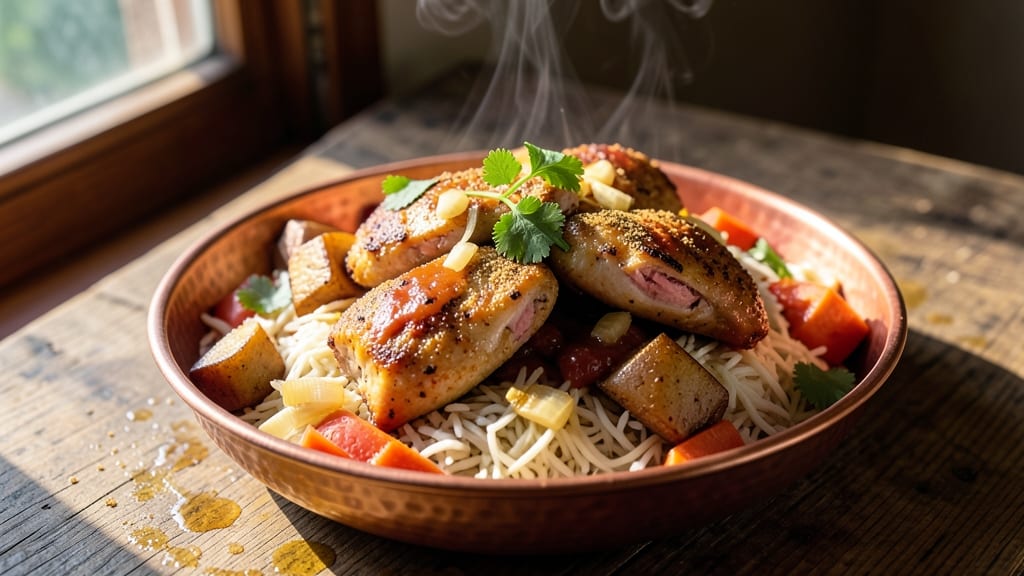
This East African pilau recipe transforms simple ingredients into a fragrant, one-pot masterpiece where tender rice and aromatic spices create a dish worthy of celebration.
Standing on a step stool in my grandmother’s kitchen in Sicily, I first learned how spices could elevate humble ingredients—now I bring that same philosophy to East African flavors.
The secret lies in parboiling the rice just enough to lock in texture while allowing it to absorb the rich, layered spices during the slow cook.
What makes this pilau special is its balance of textures and flavors: tender meat, fluffy rice, and vegetables that stay crisp yet infused with warmth from cinnamon, cardamom, and cloves.
Unlike many rice dishes, this one builds flavor in stages—first by sautéing spices until fragrant, then by slow-cooking the meat until it falls apart, and finally by letting the rice steam in its own aromatic broth.
The result is a dish that’s hearty enough for a family dinner but elegant enough for guests.
By the time you serve this pilau, your kitchen will smell like a bustling East African market, and every bite will deliver a harmony of smoky, sweet, and savory notes.
The rice emerges perfectly tender, the meat succulent, and the vegetables bright—all held together by a sauce that’s rich yet light. This is the kind of recipe that turns a simple weeknight meal into a memorable experience, proving that one pot can hold a world of flavor.
Whether you’re cooking for a crowd or treating yourself to a special meal, this pilau adapts beautifully—swap chicken for lamb, add coconut milk for extra creaminess, or include local vegetables for a regional twist.
The technique is straightforward, but the reward is a dish that feels like a hug in every bite. Let’s get cooking!
Ingredients for east african pilau
Sixteen ingredients, one pot, endless flavor—this pilau brings East African warmth to your table.
| Ingredient | Amount | Notes |
|---|---|---|
| Long-Grain Basmati Rice 🍚 | 2 cups | Uncooked, rinsed well |
| Chicken Thighs 🍗 | 2 lb | Bone-in, skin-on preferred |
| Yellow Onion 🧅 | 1 whole | Medium, finely chopped |
| Carrots 🥕 | 3 medium | Peeled, cut into chunks |
| Potatoes 🥔 | 2 medium | Yukon gold, cubed |
| Ground Cumin 🌿 | 1 ½ tbsp | Toasted for deeper flavor |
| Ground Coriander 🌿 | 1 ½ tbsp | Freshly ground preferred |
| Cinnamon Sticks 🌿 | 2 whole | Broken into pieces |
| Cardamom Pods 🌿 | 8 whole | Lightly crushed |
| Cloves 🌿 | 4 whole | Lightly crushed |
| Bay Leaves 🌿 | 2 whole | Fresh if possible |
| Vegetable Oil 🫒 | ½ cup | For sautéing |
| Chicken Broth 💧 | 3 cups | Low-sodium preferred |
| Fresh Ginger 🌿 | 1 tbsp | Grated, fresh preferred |
| Lemon Juice 🍋 | 2 tbsp | Freshly squeezed |
| Salt 🧂 | 1 ½ tsp | Adjust to taste |
| Black Pepper 🌶️ | ½ tsp | Freshly ground |
The spices are the soul of this dish, so don't skimp. Penzeys or local spice markets have the best whole spices—cardamom and cloves especially need to be fresh. Look for pods that smell vibrant, not dusty. If you're using pre-ground, toast them in a dry pan for 30 seconds first to wake up the flavors. The chicken thighs? Bone-in, skin-on stays juicier, but boneless works too. I grab mine from Costco when I'm making this for a crowd—saves time and money. For the rice, Basmati is non-negotiable—it stays separate and fragrant, unlike sticky short-grain varieties.
No cardamom pods? One teaspoon ground cardamom works in a pinch, but it won't be as aromatic. Running low on cloves? Allspice berries at half the amount add warmth. The ginger needs to be fresh—ground ginger loses its punch fast. If you must use powder, double the amount. For the broth, homemade is ideal, but Swanson or Pacific Foods low-sodium versions work fine. The potatoes can be swapped for butternut squash if you're feeling fancy—just cube them the same size. And if you're making this ahead, add the lemon juice right before serving to keep everything bright.
This pilau tastes even better the next day—double the batch and freeze half. Store leftovers in the fridge for 4-5 days, or freeze for 3 months. I like to portion it into individual containers so it's ready for quick lunches. The rice stays separate and fluffy if you let it cool completely before sealing. Reheat gently with a splash of water or broth to keep it moist. And if you've got extra spices, save them in a sealed jar for your next curry or tagine.
Why You'll Love This Recipe
- One-Pot Magic: I swear by this—just toss everything into one pot (rice, chicken, veggies, spices) and let it simmer. No fancy layers, no stress. The basmati soaks up all the flavors while the potatoes and carrots soften perfectly, no extra pots to wash.
- Spice Bomb Joy: Between the cinnamon, cardamom, and cloves, this isn’t just rice—it’s a warm, aromatic hug in a bowl. The chicken stays juicy, the rice gets that signature fragrant bite, and honestly? I’ve never met a pilau that didn’t make my taste buds dance.
- Budget Meal That Feels Fancy: Chicken thighs stretch further than breasts, potatoes and carrots bulk it up, and basmati rice is affordable but feels special. Serve it at a casual dinner or a gathering—no one will guess it’s a budget-friendly powerhouse. My wallet thanks me every time.
Step-by-step instructions for East African pilau
Here's how to make this aromatic one-pot wonder with tender rice and chicken.
Prepare the Chicken and Vegetables
Start by patting the chicken thighs dry with paper towels—this helps them brown better. Cut them into bite-sized pieces and set aside. Peel and chop the carrots into 1-inch chunks, then cube the potatoes into similar-sized pieces. Finely chop the yellow onion, making sure to get small, even pieces that will cook quickly.
Grate the fresh ginger using a fine grater or microplane. You want about 1 tablespoon of finely grated ginger—this will add bright, zesty flavor to the pilau. Keep all your prepped ingredients within easy reach so you can add them in the right order during cooking.
Bloom the Spices in Oil
Heat the 0.5 cup vegetable oil in a large, heavy-bottomed pot over medium heat. Add the broken cinnamon sticks, cardamom pods, cloves, and bay leaves. Let them sizzle gently for 1-2 minutes until you can smell their warm, earthy aroma—this is called "blooming" the spices, and it releases their full flavor.
Next, add the ground cumin and coriander. Stir them in for 30 seconds until they're fragrant and the oil begins to bubble slightly. Be careful not to let the spices burn—this can make them bitter. If they start to darken too quickly, reduce the heat slightly. This step builds the foundation of your pilau's complex flavor profile.
Sauté the Aromatics and Chicken
Add the chopped onion to the pot and cook for 3-4 minutes until it turns translucent and begins to soften. Then stir in the grated ginger and cook for another 30 seconds until it loses its raw bite and becomes fragrant.
Push the onions and spices to the sides of the pot, then add the chicken pieces in a single layer. Let them sear undisturbed for 2-3 minutes until they develop a golden-brown crust. This step is crucial for adding depth of flavor to the chicken. Once browned, stir the chicken to coat it evenly with the spices, then add the chopped carrots and potatoes. Cook everything together for 3-4 minutes, stirring occasionally, until the vegetables begin to soften slightly.
Add Rice and Broth
Pour in the 2 cups long-grain basmati rice, spreading it evenly over the chicken and vegetables. Stir everything together for 1 minute to coat the rice with the spiced oil and aromatics. Then add the 3 cups chicken broth, the 1.5 teaspoons salt, and 0.5 teaspoon black pepper. Give it one final stir to distribute everything evenly.
Bring the mixture to a gentle boil, then immediately reduce the heat to low. Cover the pot tightly with a lid and let it simmer for 20 minutes without disturbing it. This low-and-slow cooking method allows the rice to absorb the liquid gradually, resulting in perfectly tender grains with a fragrant aroma.
Finish and Rest the Pilau
After 20 minutes, carefully remove the lid and stir the pilau gently. You'll see the rice has absorbed most of the liquid but still has a slight bite to it. This is normal—it will finish cooking as it rests. Drizzle in the 2 tablespoons lemon juice and stir it in. The acidity brightens all the flavors and cuts through the richness of the spices.
Return the lid to the pot and let the pilau steam for another 5 minutes. Then turn off the heat and let it sit, covered, for 10 minutes. This resting period allows the rice to finish cooking evenly and the flavors to meld together. Fluff the pilau gently with a fork before serving, and enjoy the perfect balance of tender chicken, fragrant rice, and aromatic spices.
Pro Tips For Making East African Pilau
- Parboil Chicken First: I learned this the hard way—skipping the parboil means your chicken will either turn rubbery or stay undercooked by the time the pilau finishes. Simmer the thighs in lightly salted water for 8-10 minutes until they’re just cooked (165°F internal temp), then shock in ice water. This guarantees tender meat that stays juicy even after the long simmer with rice.
- Slice Onions Thinly: Thinly sliced onions caramelize faster and blend into the pilau without turning mushy. Use a sharp knife and cut them into paper-thin strips—about 1/8-inch thick—so they soften evenly and infuse flavor without taking over the dish. (Yes, even if you’re impatient like me, resist the urge to chop them roughly.)
- Layer Rice Last: After the chicken, onions, and veggies are cooked down, resist the urge to dump in the rice right away. Let the aromatics and spices develop for another 5 minutes—this deepens the flavor. Then, add the rice and liquid all at once, spreading it evenly. This guarantees even cooking and prevents dry spots in the center.
- Use Cold Potatoes: Sounds weird, but it works: cut the potatoes into even 1-inch chunks and toss them in cold water for 10 minutes before adding to the pot. The starch rinse keeps them from breaking apart, and the cold start means they absorb heat gradually, cooking uniformly with the rice instead of turning to mush. (Your future self will thank you.)
Pro cooking tips for this dish
Spice Bloom Mastery
The secret to deep, layered flavor in East African pilau starts with properly blooming your spices. Heat the oil over medium heat until shimmering, then add whole spices like cinnamon sticks, cardamom pods, and cloves. Let them sizzle for 1-2 minutes until fragrant—this releases their essential oils.
I swear by using Penzeys spices for this step because their whole spices are always vibrant. Once they're fragrant, add ground spices like cumin and coriander for just 30 seconds—any longer risks burning them. 🌿
Chicken Searing Technique
Don't skip the searing step! Pat the chicken pieces completely dry with paper towels, then brown them in batches if needed. The goal is a golden-brown crust on each piece, which adds incredible depth. I use bone-in, skin-on thighs because they stay juicier, but boneless works too.
After searing, push the chicken to the sides and cook the onions until translucent before combining everything. This layered cooking builds complex flavors that transform a simple pilau into something extraordinary. 🍗
Rice Cooking Precision
East African pilau rice should be tender but still hold its shape—never mushy. After adding the rice and broth, bring to a gentle boil for just 1 minute, then immediately reduce to low heat and cover tightly. The key is 20 minutes of undisturbed simmering—no peeking!
I use a heavy-bottomed Dutch oven to prevent hot spots. After the initial simmer, let it rest covered for 10 minutes before fluffing. This resting period lets the rice finish cooking evenly while absorbing all those delicious spices. 🍚
Lemon Juice Timing
Add the lemon juice only at the very end—right after the initial 20-minute simmer. This bright acidity cuts through the richness of the spices and prevents the dish from tasting flat.
I like to drizzle it in while gently stirring, then let the pilau steam for 5 more minutes before resting. The acidity also helps preserve the vibrant colors of the vegetables. Pro tip: If making ahead, add the lemon juice just before serving to keep everything fresh-tasting. 🍋
Equipment Essentials
While you can make pilau in any pot, I recommend a heavy-bottomed Dutch oven (like Le Creuset) for even heat distribution. A tight-fitting lid is crucial for trapping steam during the simmering phase.
For measuring spices precisely, I use a spice grinder to control amounts—especially important for delicate spices like cardamom. And don't forget a fine-mesh strainer for rinsing your basmati rice before cooking. These tools make all the difference in achieving restaurant-quality results at home. 🔥
Flavor Balancing Trick
If your pilau tastes too spicy, balance it with a pinch of sugar (I use 1 tsp brown sugar) or more lemon juice. For richness, stir in 2 tbsp coconut milk at the end. The key is adjusting while the dish is still hot—flavors mellow as it cools.
I always taste as I go, just like Nonna taught me. Remember, East African pilau should be aromatic, not overwhelming. The spices should sing, not shout. 💫
Nutrition facts
Frequently asked questions
What makes East African pilau different from Indian biryani?
East African pilau uses more whole spices like cinnamon sticks and cardamom pods, while biryani often includes saffron and yogurt. The cooking method is also different—pilau is typically slow-cooked in one pot with broth, while biryani layers rice and meat separately before pressure cooking. The flavor profile leans more toward warm, earthy spices rather than the floral notes in biryani.
Can I substitute chicken with another protein?
Try lamb shoulder for richer flavor or beef chuck for heartier bites. For a vegetarian version, use chickpeas or sweet potatoes instead. Just adjust cooking time—lamb and beef need longer to tenderize. The pilau technique works perfectly with any protein that benefits from slow cooking.
Why does my pilau turn out mushy?
Mushy rice usually means overcooking or insufficient broth. Use long-grain basmati (never short-grain) and follow the 20-minute simmer exactly. If your pot lacks a tight lid, steam escapes, causing uneven cooking. For extra insurance, rinse the rice first to remove excess starch that makes it gummy.
How do I make this pilau ahead of time?
Cook the pilau completely, then let it cool. Store in an airtight container in the fridge for 4-5 days or freeze for 3 months. Reheat gently with a splash of broth or water to restore moisture. Add lemon juice fresh before serving to keep flavors vibrant—it won't hold up in storage.
What's the best way to serve East African pilau?
Garnish with fresh cilantro and serve with raita (yogurt sauce) or flatbreads like chapati. For extra flair, add toasted cashews or fried onions on top. In East Africa, it's often paired with spicy chutneys or a simple cucumber salad to balance the richness. The dish tastes even better the next day!