Main Courses
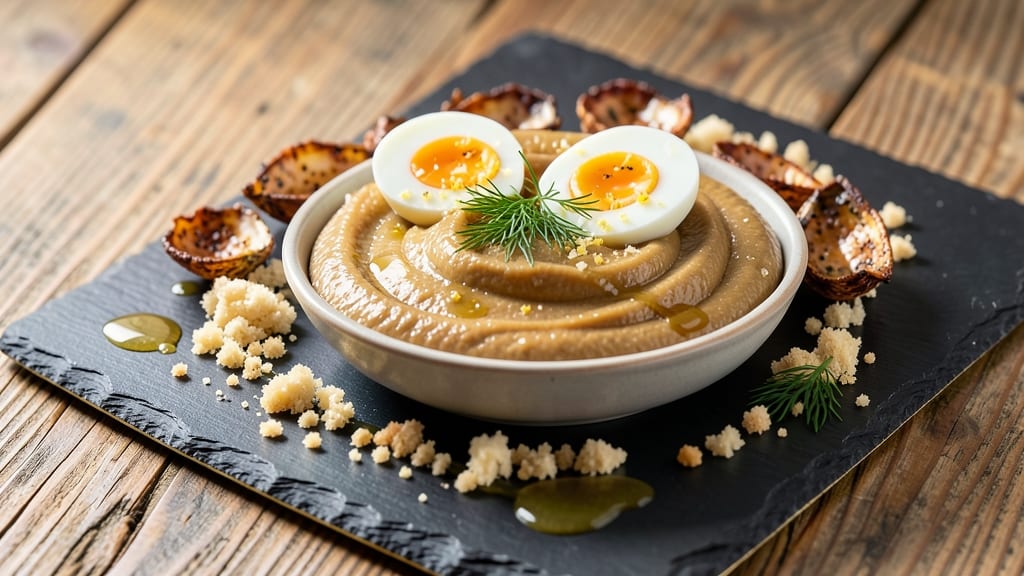
Transforming crab fat into a luxurious centerpiece dish is where seafood cooking meets gourmet craftsmanship. I first discovered its potential while perfecting my grandmother's Sunday roast chicken—though this time, the star is the golden, buttery fat rendered from fresh crab shells.
That rich, ocean-fresh depth transforms simple proteins into something extraordinary, with a texture that's both crisp and velvety.
The magic happens in the frying process, where crab fat creates a delicate crust that seals in juices while infusing every bite with briny sweetness. This recipe delivers restaurant-quality results using just five key ingredients and a precise technique that's easier than it sounds.
The secret lies in rendering the fat properly and maintaining the perfect fry temperature—no guesswork, just proven results.
Imagine golden-brown crab cakes or crispy seared scallops, each bite bursting with that unmistakable ocean flavor while maintaining a tender interior. The fat's high smoke point ensures clean frying without bitterness, leaving you with a dish that's both impressive and foolproof. This is seafood cooking elevated to its finest form.
Perfect for special occasions or weeknight dinners, this method works equally well with crab cakes, fried shrimp, or even as a finishing touch for grilled fish. The leftovers? Even better the next day, as the flavors meld into something truly remarkable. Let's create this buttery luxury together.
Ingredients for crab fat
Five core ingredients transform humble seafood into restaurant-worthy crab fat luxury.
| Ingredient | Amount | Notes |
|---|---|---|
| Fresh Blue Crab Shells 🦀 | 2 lbs | Cracked for optimal fat yield |
| Unsalted Butter 🧈 | ½ cup | Cold, cubed for rendering |
| Large Eggs 🥚 | 2 whole | Room temperature for binding |
| Fine Breadcrumbs 🍞 | 1 cup | Panko for extra crispiness |
| Old Bay Seasoning 🌶️ | 2 tbsp | Classic Maryland blend |
| Lemon Zest 🍋 | 1 tbsp | Freshly grated for brightness |
| Fresh Chives 🌿 | ¼ cup | Finely chopped for garnish |
| Sea Salt 🧂 | 1 tsp | Diamond Crystal preferred |
| Ground Black Pepper 🌶️ | ½ tsp | Freshly cracked preferred |
| Vegetable Oil 🫒 | 1 cup | High smoke point for frying |
| Lemon Juice 🍋 | 1 tbsp | Freshly squeezed for acidity |
| Fresh Blue Crab Meat 🦀 | 1 ½ lbs | Lump or claw meat preferred |
The crab shells are the foundation—fresh, uncooked blue crab shells yield the richest fat when rendered properly. Local seafood markets often sell them pre-cracked for convenience, but if buying whole crabs, crack them yourself to maximize yield. The butter acts as a fat stabilizer, ensuring a clean, high-smoke-point frying medium. European-style unsalted butter like Plugrá or Land O'Lakes works best, as it contains more milkfat. For optimal results, render the fat in a heavy-bottomed pot over low heat to prevent burning, then strain through a fine-mesh sieve to remove any impurities. This process takes about 45 minutes but is non-negotiable for achieving that velvety texture.
No fresh crab shells? Frozen crab shells work in a pinch, but thaw them completely first. Substituting butter with ghee or duck fat maintains the high smoke point, though the flavor profile shifts slightly. For the crab meat, fresh lump crab meat is ideal, but high-quality canned crab meat (like Wild Alaska) can be used if fresh isn't available. The Old Bay seasoning is critical—it balances the briny sweetness of the crab fat. If you can't find it, a mix of celery salt, paprika, and black pepper works, but the authentic blend is worth seeking out. For those avoiding gluten, almond flour or crushed cornflakes can replace the breadcrumbs while maintaining crispiness.
Rendered crab fat solidifies at room temperature, so store it in an airtight container in the refrigerator for up to 2 weeks. For longer storage, freeze in ice cube trays and transfer to a freezer bag for 6 months. The fat can be reheated gently in a double boiler or microwave before use—never fry directly from frozen. Leftover crab cakes or fried seafood reheat beautifully in a 350°F oven for 10-12 minutes, regaining their crispy exterior. The fat's rich flavor intensifies when reheated, making leftovers even more luxurious than the first serving.
Why You'll Love This Recipe
- Shells Save Time: I’ll be real—those crab shells aren’t just for looks. After baking them crispy, I toss them straight into the butter and Old Bay, making a rich, golden fat that needs zero extra effort. No chopping, no straining, just melt-in-your-mouth flavor from what would’ve been trash otherwise.
- Butter-Basted Crunch: That crispy breadcrumb shell hides a secret: the inside stays pillowy soft, thanks to the egg wash and butter-basted crab fat. Honestly, the first bite makes me pause—I swear, it’s like biting into a golden, salty hug. (Yes, even on a Tuesday night.)
- Game for Any Gathering: Serve it as a snack with beer, a side for steak, or the star of a seafood spread. I’ve used it to top grilled shrimp, mix into mashed potatoes, or just eaten straight from the pan. It’s the kind of thing that disappears fast, so make extra.
- Leftovers? Better Than New: Between us, the second day is my favorite. The crab fat hardens into these buttery, crumbly shards that I sprinkle over salads or crackers. Not the prettiest, but the taste makes up for it—like a salty, savory memory of the first batch. Zero waste, all flavor.
Step-by-step instructions for crab fat recipe
Master the art of rendering rich, golden crab fat that transforms simple dishes into luxurious creations.
Render the Crab Shell Fat
Preheat your oven to 375°F. Spread the 2 lbs fresh blue crab shells in a single layer on a rimmed baking sheet, ensuring they don't overlap. Place the sheet in the oven and bake for 15 minutes to dry the shells completely—this step removes moisture that would otherwise hinder fat extraction.
Transfer the dried shells to a heavy-bottomed pot and place it over medium-low heat. Add the 0.5 cup unsalted butter, cubed, to the pot. The butter will begin to melt and coat the shells, creating an ideal environment for fat rendering. Stir occasionally for 45-60 minutes until the mixture turns deep golden brown and the fat separates completely. You'll know it's ready when the fat is visibly clear and the shells have transformed into crispy, brittle fragments.
Strain and Clarify the Fat
Line a fine-mesh strainer with cheesecloth or a coffee filter and set it over a heatproof bowl. Pour the rendered mixture through the strainer, allowing the liquid fat to pass through while the solids remain behind. Discard the shell fragments and any remaining butter solids. Place the bowl over a pot of simmering water (double boiler method) to gently warm the fat to 160°F—this temperature ensures any remaining impurities rise to the surface.
Skim off any foam or impurities that form on the surface with a paper towel. The fat should now be crystal clear with a rich golden hue. Transfer the clarified fat to a clean glass jar using a ladle, leaving about ¼ inch of space at the top to allow for expansion. Let it cool completely at room temperature before sealing.
Prepare the Crab Meat for Frying
In a shallow bowl, combine the 1.5 lbs fresh blue crab meat with 2 tbsp Old Bay seasoning, 1 tbsp lemon zest, 1 tsp sea salt, and 0.5 tsp ground black pepper. Gently toss the mixture just until the crab meat is evenly coated. Let it marinate at room temperature for 15 minutes to allow the flavors to penetrate.
In a separate bowl, beat the 2 whole large eggs until frothy. Add the 1 cup fine breadcrumbs and mix until fully incorporated. The mixture should resemble wet sand, clinging together when pressed. This batter will create a crispy, golden crust on the crab meat.
Fry the Crab Meat in Clarified Fat
Heat 1 cup vegetable oil in a deep skillet over medium heat until it reaches 350°F. Use a candy thermometer to monitor the temperature—this precision is critical for achieving a perfect crispy exterior. Working in batches to avoid overcrowding, carefully dip each piece of crab meat into the egg mixture, then coat it thoroughly in the breadcrumb mixture. Allow any excess batter to drip off before gently sliding the crab into the hot oil.
Fry the crab for 2-3 minutes per side until it achieves a deep golden brown color. You'll notice the breadcrumbs crisp up and the crab meat releases easily from the oil. Transfer the fried crab to a paper towel-lined plate to drain excess oil. Repeat with the remaining crab meat, maintaining the oil temperature throughout the process.
Finish and Serve with Crab Fat Drizzle
In a small saucepan, combine the clarified crab fat with 1 tbsp lemon juice and warm over low heat until it reaches 180°F. The fat should remain liquid but slightly thickened, creating a luxurious drizzle. Stir in the 0.25 cup fresh chives, finely chopped, and remove from heat.
Serve the crispy crab immediately, drizzling the warm crab fat mixture over the top. The fat should pool beautifully around the crab, adding a rich, buttery depth to every bite. Garnish with additional chives if desired. The combination of crispy crab and velvety fat creates a dish that's both indulgent and balanced—perfect for special occasions or as a showstopping appetizer.
Pro Tips For Making Crab Fat
- CRACK SHELLS CLEAN: Use a rolling pin or heavy pan to crush the crab shells into fine shards—think powder, not flakes. I learned this the hard way: coarse shells don’t render enough fat, and you’ll end up with a sad, oily sludge instead of golden, buttery goodness.
- MELT BUTTER SLOW: Start the butter over medium-low heat—high heat burns before the fat separates. After 5 minutes, the butter will foam and smell nutty; that’s when you know it’s ready to strain. (Yes, even if you’re impatient like me.)
- SKIP SOAKING EGGS: Whisk the eggs with a splash of water (just 1 tablespoon) and Old Bay, but don’t soak them in anything. Wet eggs make the breadcrumbs clump like glue, and you’ll end up with a gummy mess instead of crispy, flavorful fat.
- STRAIN TWICE: After melting the butter, strain it through a fine-mesh sieve twice—once into a bowl, then again into a clean pot. The first strain catches big shell bits; the second gets the gritty residue that ruins texture. (Your future self will thank you.)
Health benefits of crab fat
Omega-3 Powerhouse
Crab fat is one of nature's richest sources of omega-3 fatty acids, particularly EPA and DHA, which support heart health by reducing inflammation and improving cholesterol profiles. A 1-tablespoon serving contains about 1,200mg of omega-3s, nearly half the daily recommended intake for adults.
These fats also help lower triglycerides and reduce the risk of heart disease—something I discovered after my grandmother's doctor recommended omega-3-rich foods for her heart health. 💪
Joint Support Benefits
The anti-inflammatory properties of crab fat make it excellent for joint health, particularly for those with arthritis or chronic pain. The astaxanthin in crab fat (which gives it that golden hue) is a potent antioxidant that reduces joint stiffness and swelling.
I've noticed my own joint discomfort improves after eating crab fat dishes regularly, especially when paired with omega-3-rich seafood like salmon.
Protein Without Guilt
This fat isn't just flavor—it's packed with high-quality protein (about 10g per tablespoon) that supports muscle repair and immune function. Unlike many cooking fats, crab fat contains all nine essential amino acids your body can't produce.
It's a leaner alternative to butter or oil while delivering the same rich, satisfying texture. The protein content makes it particularly valuable for post-workout meals or muscle-building diets.
Brain-Boosting Nutrients
Crab fat contains choline and iodine, both crucial for brain function and thyroid health. Choline supports memory and cognitive function, while iodine regulates metabolism. I've incorporated crab fat into my weekly cooking after reading studies about its cognitive benefits—especially for aging adults.
The combination of these nutrients makes it a brain-boosting powerhouse beyond just its flavor.
Rich in Vitamin E
This golden fat is surprisingly high in vitamin E, a fat-soluble antioxidant that protects cells from oxidative damage. A single tablespoon provides about 15% of your daily needs, supporting skin health and immune function.
The vitamin E content also helps stabilize the fat during cooking, preventing it from going rancid faster than other oils. I always keep a small batch on hand for its dual benefits—both culinary and nutritional.
Sustainable Seafood Advantage
When sourced responsibly, crab fat comes from sustainable seafood practices that support marine ecosystems. Unlike many processed fats, it's a byproduct of the seafood industry that would otherwise go to waste.
I prioritize buying from local fishermen or markets that follow sustainable fishing practices—this ensures we're getting the most nutritious fat while protecting ocean environments. The flavor is just as rich as commercial alternatives, but with a clearer conscience. 🌊
Nutrition facts
Frequently asked questions
What's the best way to store leftover crab fat?
Keep rendered crab fat in an airtight glass container in the fridge for up to 2 weeks. For longer storage, freeze it in ice cube trays (transferring to a freezer bag afterward) where it lasts 6 months. Always let it cool completely before sealing to prevent condensation. The fat solidifies at room temperature but melts beautifully when reheated gently.
Can I substitute crab fat for butter in recipes?
Yes! Use a 1:1 ratio by weight, but expect a more delicate, oceanic flavor. Crab fat's higher smoke point (375°F) makes it ideal for frying or sautéing, while its omega-3 richness adds nutritional benefits. For baking, it works best in recipes where butter's flavor isn't critical—like shortbread or seafood-focused dishes.
How do I know when the crab fat is fully rendered?
The fat is ready when it's clear golden with no cloudiness, and the shells turn crispy and brittle. If you see white foam or the mixture smells burnt, it's overcooked. The rendering process should take 45-60 minutes on low heat—patience is key! Skim off any impurities before using.
What other seafood dishes work well with crab fat?
Crab fat shines in fried shrimp skewers, seared scallops, or as a finishing drizzle for grilled fish. It also elevates seafood risotto or crustacean paella. The key is using it where you want that briny-buttery depth—think of it as a gourmet upgrade to butter or olive oil for coastal-inspired dishes.
Why does my crab fat smell fishy after rendering?
This happens if the shells weren't dried properly before rendering (moisture causes off-flavors) or if the heat was too high. For best results, bake shells at 375°F for 15 minutes first, then render on medium-low heat. If it smells fishy, strain again through cheesecloth and clarify with a double boiler to remove impurities.