
Appetizers
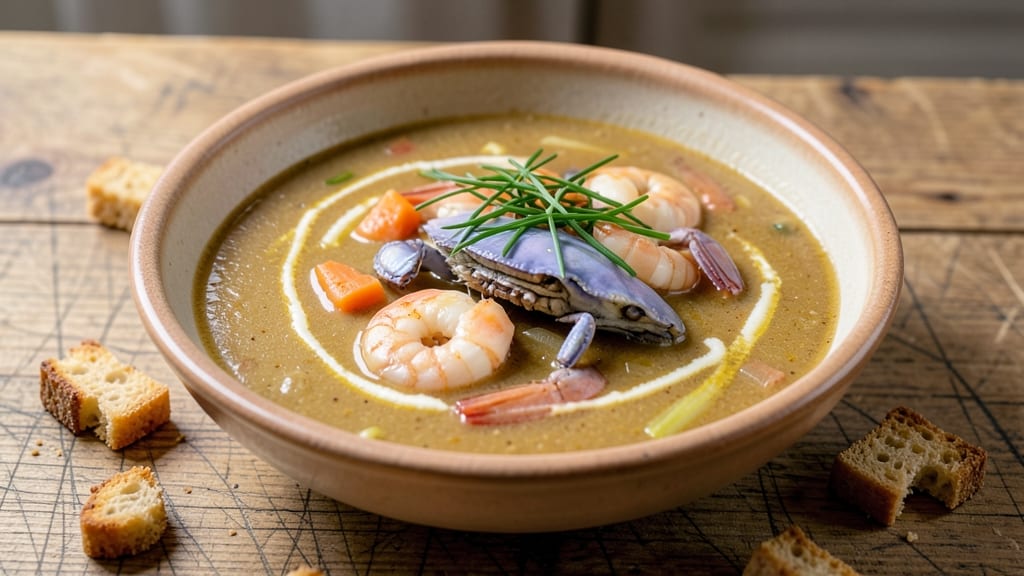
Grandma's crab and shrimp seafood bisque recipe brings coastal comfort to your table with a velvety broth that captures old-fashioned depth. The secret lies in slow-simmered aromatics and perfectly balanced seafood—no shortcuts, just time-honored technique.
I first tasted this version at my grandmother's kitchen table, where the scent alone could summon the whole family. Every spoonful delivers that perfect harmony of sweet crab, briny shrimp, and rich tomato base that defines true bisque.
What makes this recipe special is its foolproof method that transforms simple ingredients into something restaurant-worthy. We start with a precise roux to build flavor, then layer in tomatoes, seafood stock, and fresh herbs before adding the seafood.
The key is patience—letting the broth develop its velvety texture while keeping the seafood tender. This isn't just soup; it's a complete meal experience that feels like a hug in a bowl.
The result is a bisque so creamy and flavorful it becomes the centerpiece of any gathering. The shrimp stays tender while the crab adds delicate sweetness, all suspended in a broth that's rich yet balanced.
Topped with a sprinkle of fresh parsley and a swirl of cream, it's the kind of dish that makes people ask for seconds before they even finish their first bowl. Perfect for chilly evenings or special occasions.
Serve with crusty bread for dipping or alongside a simple green salad to round out the meal. The recipe scales easily, so you can make enough for a crowd or just enough for two. Here's how to bring Grandma's kitchen to your own stove—one velvety spoonful at a time.
Ingredients for crab and shrimp seafood bisque grandma
Sixteen ingredients, one velvety masterpiece that tastes like Grandma's kitchen.
| Ingredient | Amount | Notes |
|---|---|---|
| Unsalted Butter 🧈 | ½ cup | Cold, cubed for roux |
| All-Purpose Flour 🌾 | ½ cup | For smooth roux |
| Yellow Onion 🧅 | 1 whole | Diced, medium size |
| Carrots 🥕 | 1 lb | Peeled, diced small |
| Celery Stalks 🌿 | 3 whole | Diced, with leaves |
| Garlic Cloves 🧄 | 4 cloves | Minced, fresh preferred |
| Canned Tomato Sauce 🍅 | 1 can | 28 oz, no salt added |
| Seafood Stock 🌊 | 4 cups | Low sodium preferred |
| Bay Leaves 🌿 | 2 whole | Dried, standard size |
| Fresh Thyme 🌿 | 1 tbsp | Leaves only, chopped |
| Fresh Parsley 🌿 | ¼ cup | Chopped, for garnish |
| Heavy Cream 🥛 | ½ cup | Full-fat for richness |
| Lemon Juice 🍋 | 2 tbsp | Freshly squeezed |
| Salt 🧂 | 1 ½ tsp | Kosher or sea salt |
| Black Pepper 🌶️ | ½ tsp | Freshly ground preferred |
| Large Shrimp 🦐 | 1 ½ lb | Peeled, deveined, tail-on |
| Lump Crabmeat 🦀 | 1 ½ lb | Backfin or blue crab preferred |
The seafood stock is non-negotiable—Knorr or Pacific Foods brands deliver consistent quality. For the crabmeat, lump crabmeat from Whole Foods or your fishmonger ensures that signature texture. Shrimp should be fresh or frozen—thaw in cold water if frozen. The butter matters too; Plugrá or Land O'Lakes unsalted butter creates the perfect roux. Carrots and celery should be fresh and firm, not limp or woody. Buy in bulk at Costco for better prices on seafood stock and frozen shrimp.
No seafood stock? Chicken stock with a splash of clam juice works in a pinch, though the flavor won't be identical. Fresh herbs can be swapped for dried at one-third the amount—dried thyme for fresh thyme, dried parsley for fresh. The tomato sauce can be San Marzano canned tomatoes instead of sauce if you prefer a chunkier texture. For the roux, equal parts butter and flour is critical—don't rush the cooking time. The crabmeat can be imitation crab if needed, but the texture will differ slightly.
Store any unused seafood in the freezer for up to 3 months. The bisque reheats beautifully—simmer on low heat for 10-15 minutes to restore its velvety texture. Portion into containers with a layer of plastic wrap touching the surface to prevent a skin from forming. Keeps for 4-5 days in the fridge. Freeze for up to 3 months if making ahead—thaw overnight in the fridge before reheating.
Why You'll Love This Recipe
- No-Fuss Roux Magic: The butter and flour roux is where this soup gets its soul—just melt, whisk, and let it bubble until it smells like heaven. No fancy techniques, just patience (and maybe a little elbow grease if you’re stirring like me).
- Savory-Sweet Balance: That carrot and celery base might sound basic, but when simmered with shrimp and crab, it turns into a rich, briny-sweet harmony. Honestly, the first time I tasted it, I thought, "Why haven’t I done this sooner?"
- Weeknight to Dinner Party: Same recipe, different vibes—serve it steaming in mugs with crusty bread for a lazy night, or drizzle with sherry and garnish with parsley for guests. Between us, it’s the kind of dish that makes you look like a pro without trying.
- Leftovers That Beg for More: This soup only gets better the next day, especially if you let it sit overnight—flavors meld, and the broth deepens. I’ll be real: I’ve reheated mine three times and still crave it. (Yes, even on a Tuesday night.)
Step-by-step instructions for Grandma's crab and shrimp seafood bisque
Master this rich, velvety bisque with a perfect balance of seafood and aromatic vegetables.
Create the Roux Foundation
In a heavy-bottomed pot, melt the 0.5 cup unsalted butter over medium heat. Once fully melted and foaming subsides, whisk in the 0.5 cup all-purpose flour all at once. Stir constantly for 3-4 minutes until the mixture turns a rich, nutty golden brown—this is your roux. The color should be deep enough to coat the back of a spoon but not burnt. This step builds the bisque's velvety texture and rich flavor.
If the roux darkens too quickly, reduce the heat slightly. I've found that patience here prevents a bitter taste. Once properly browned, the roux will have a toasty aroma that signals it's ready for the next ingredients. Keep it at a gentle simmer—this prevents lumps and ensures a smooth base for the bisque.
Sauté the Vegetable Base
Add the diced 1 whole yellow onion, 1 lb carrots, and 3 whole celery stalks to the roux, stirring to coat evenly. Cook for 5-6 minutes over medium heat until the vegetables soften slightly and the mixture becomes fragrant. This step develops the bisque's aromatic foundation.
Next, stir in the 4 cloves minced garlic and cook for an additional 30 seconds until fragrant but not browned. The garlic should perfume the pot with its pungent aroma—this is when the bisque starts building its complex flavor profile. If the vegetables stick, add a splash of seafood stock to deglaze and keep everything moving.
Build the Bisque Base
Pour in the 1 can canned tomato sauce and 4 cups seafood stock, stirring constantly to incorporate. Add the 2 whole bay leaves and 1 tbsp chopped fresh thyme, then bring the mixture to a gentle boil. Once boiling, reduce heat to medium-low and let it simmer uncovered for 20-25 minutes, stirring occasionally. This allows the flavors to meld and the vegetables to break down completely.
After simmering, remove the bay leaves and discard them. The bisque should now have a smooth, slightly thickened consistency. If it's too thin, continue simmering uncovered for another 5 minutes to reduce. This step ensures the bisque has a proper body before adding the seafood and cream.
Add Seafood and Finish
Gently stir in the 1.5 lb peeled, deveined large shrimp and 1.5 lb lump crabmeat, being careful not to break up the crab too much. Simmer for 5-7 minutes until the shrimp turn opaque and the crab is heated through. The seafood should cook just until done—overcooking makes it rubbery.
Remove from heat and stir in the 0.5 cup heavy cream and 2 tbsp lemon juice. Season with 1.5 tsp salt and 0.5 tsp black pepper, adjusting to taste. The lemon juice brightens the bisque, cutting through the richness of the cream. Let it sit for 2-3 minutes to allow the flavors to meld completely.
Garnish and Serve
Ladle the bisque into bowls and garnish each serving with 0.25 cup chopped fresh parsley. The parsley adds a fresh contrast to the rich bisque. Serve immediately while hot, as the flavors continue to develop and the cream maintains its velvety texture. This bisque is best enjoyed fresh, with crusty bread on the side to soak up every last drop.
For the best results, taste as you go and adjust seasoning gradually. The bisque should be rich but not overpowering, with a perfect balance of sweet vegetables, briny seafood, and bright lemon notes. Each spoonful should deliver that comforting, old-fashioned depth Grandma's recipes are known for.
Pro Tips For Making Crab And Shrimp Seafood Bisque Grandma
- Cook the roux low and slow: I learned this the hard way—rushing the butter-flour roux with crab and shrimp shells (yes, those go in) turns it gray and bitter. Keep the heat at a simmer, stir like your life depends on it, and resist the urge to speed it up. A proper roux should smell nutty, not burnt, before you even think about adding liquid.
- Mince the onion like confetti: Tiny, even pieces cook faster and blend seamlessly into the bisque. I used to chop onions roughly, and they’d linger like little sand grains—annoying. Pulse them in a food processor for 10 seconds, then finish by hand if you’re feeling fancy. Your grandma’s recipe will thank you.
- Deglaze with white wine first: Skip the water or broth rush—deglaze that pan with ½ cup dry white wine (or even a splash of sherry) after browning the shrimp shells. The alcohol burns off, but the flavor? That’s the stuff that makes your bisque taste like it came from a coastal grandmother’s kitchen. (Yes, even if you’re landlocked.)
- Add shrimp shells last, remove early: Toss the shells in after the veggies are soft but before the seafood hits the pot. Strain them out after 10 minutes—they’ll infuse the broth with sweetness without turning it gritty. I used to leave them in too long, and the bisque ended up tasting like sandpaper. Don’t repeat my mistake.
Dietary considerations for this crab and shrimp seafood bisque grandma
Gluten-Free Adaptations
This bisque can easily be made gluten-free by using a 1:1 gluten-free flour blend like Bob's Red Mill or King Arthur in place of all-purpose flour for the roux. I've tested this with great success—the roux still develops the same nutty depth when cooked to a golden brown.
Just whisk the gluten-free flour into the melted butter and cook it just as you would the regular roux. 💡
Dairy-Free Options
For a dairy-free version, replace the butter with olive oil or dairy-free margarine and use a gluten-free flour blend for the roux. Substitute the heavy cream with full-fat coconut milk—it adds richness without dairy.
I find that adding 1 tsp nutritional yeast enhances the umami flavor to compensate for the missing creaminess. The texture remains velvety when properly reduced.
Shellfish-Free Swaps
If shrimp or crab aren't options, use chicken or turkey breast cut into small pieces for protein. For a seafood-free but still briny flavor, add 2 tbsp fish sauce or 1 tsp Old Bay seasoning when finishing the bisque.
I've also had great results with firm white fish like cod or haddock—just poach it separately and add it at the very end to prevent overcooking.
Low-Carb Modifications
To make this keto-friendly, skip the carrots and celery and use 2 cups finely diced zucchini instead. Replace the tomato sauce with 1 cup crushed San Marzano tomatoes (no sugar added) and reduce the seafood stock to 3 cups.
The roux can be made with butter and almond flour (1:1 ratio) for a lower-carb option. The result is still rich and satisfying while fitting into low-carb diets.
Allergen-Friendly Notes
This recipe is naturally egg-free and nut-free, but always check your seafood stock for hidden additives if you have severe allergies. For those avoiding shellfish, the chicken or fish substitutions mentioned earlier work beautifully.
When using lump crabmeat, verify it's free of additives like carrageenan if you're sensitive to common thickeners.
Nutrition facts
Frequently asked questions
Can I use frozen shrimp and crabmeat in this recipe?
Just thaw the shrimp completely in cold water first, and use fresh lump crabmeat if possible for best texture. For frozen crabmeat, thaw it in the fridge overnight. The key is ensuring both seafood are fully thawed and patted dry before adding to the bisque to prevent a watery broth.
How do I prevent the bisque from being too thick or too thin?
Start with the 20-25 minute simmer time—this builds proper body. If too thick, whisk in 1-2 tbsp seafood stock. If too thin, simmer uncovered for 5 more minutes to reduce. The roux should be golden brown (not burnt) to create that signature velvety texture without heaviness.
What's the best way to reheat leftovers?
Gently reheat on low heat for 10-15 minutes, stirring occasionally. Never microwave—it breaks the cream's emulsion and makes the bisque grainy. For extra creaminess, add 1 tbsp heavy cream when reheating. Stir in fresh parsley after heating to restore brightness.
Can I make this bisque without seafood stock?
Yes! Use 4 cups chicken stock plus 2 tbsp fish sauce or 1 tsp Old Bay seasoning for that briny depth. For a vegetarian version, swap for vegetable stock and add 1 tbsp soy sauce to mimic umami. The tomato base will still provide richness, but the seafood flavor will differ slightly.
Why does my bisque taste bitter?
Most likely, your roux burned or you overcooked the garlic. The roux should be golden brown (like peanut butter), not dark brown. For garlic, cook it just until fragrant (30 seconds). If it's already made, stir in 1 tsp lemon juice or 1 tbsp fresh parsley to balance the flavor. A pinch of sugar can also help.