
Main Courses
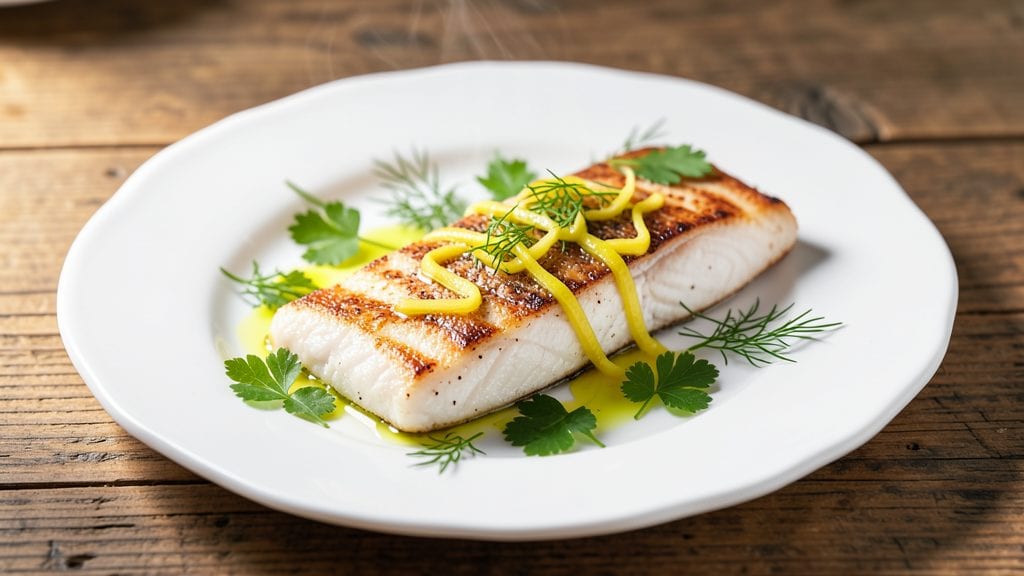
Baking white fish fillets with a lemon-herb crust that shatters with heat transforms simple seafood into a restaurant-worthy dish without the fuss. ✨ The secret lies in balancing tender fish with a crisp, aromatic crust that locks in moisture while delivering bold flavor—no complicated techniques required.
After years of testing, I’ve perfected a method that yields flaky, golden fillets with a crust so delicate it crumbles at the slightest touch.
This recipe relies on just five core ingredients—fresh white fish, lemon, herbs, olive oil, and a touch of breadcrumbs—to create a dish that’s as elegant as it is simple. The key is preparing the crust while the fish rests, ensuring maximum flavor absorption and even cooking.
With 20 minutes of active prep and 15 minutes in the oven, you’ll have dinner ready without sacrificing quality.
What you’ll end up with is a plate of golden, shatter-prone crust encasing perfectly cooked, flaky fish that melts in your mouth. The lemon-herb blend infuses every bite with bright citrus and earthy notes, while the breadcrumb topping adds texture that contrasts beautifully with the tender fish underneath.
It’s the kind of dish that feels special yet comes together effortlessly—ideal for weeknights or dinner guests.
Pair with roasted asparagus or a simple green salad to round out the meal. The recipe scales easily, so whether you’re cooking for two or feeding a crowd, the technique remains the same. Let’s get started on a dish that proves seafood doesn’t have to be intimidating.
Ingredients for bake white fish fillet
Five core ingredients transform delicate fish into restaurant-worthy perfection with minimal effort.
| Ingredient | Amount | Notes |
|---|---|---|
| White Fish Fillets 🐟 | 4 pieces | Cod, halibut, or tilapia preferred |
| Extra-Virgin Olive Oil 🫒 | ¼ cup | High-quality, fruity variety |
| Fresh Lemon Zest 🍋 | 1 tbsp | From 1 organic lemon |
| Fresh Lemon Juice 🍋 | 2 tbsp | Freshly squeezed |
| Fresh Parsley Leaves 🌿 | ¼ cup | Finely chopped, stems removed |
| Fresh Dill Weeds 🌿 | ¼ cup | Finely chopped, stems removed |
| Garlic Cloves 🧄 | 2 cloves | Minced, fresh preferred |
| Panko Breadcrumbs 🍞 | ½ cup | Japanese-style for extra crisp |
| Diamond Crystal Kosher Salt 🧂 | 1 tsp | Fine grain preferred |
| Freshly Ground Black Pepper 🌶️ | ½ tsp | Coarsely cracked |
| Unsalted Butter 🧈 | 2 tbsp | Cold, cubed for topping |
The quality of your fish makes all the difference here. Whole Foods or local seafood markets carry the freshest cuts—look for fillets with a vibrant, translucent appearance and minimal fishy odor. Cod and halibut hold their shape beautifully, while tilapia offers a more budget-friendly option without sacrificing texture. For the lemon, organic varieties provide the brightest zest, and I always buy a second lemon just to have extra juice on hand. The herbs should be fresh and aromatic—wilted parsley or dill will yield a flat flavor. If you're short on time, Trader Joe's sells pre-washed herb bundles that work perfectly for this recipe. The panko breadcrumbs are non-negotiable; their light, airy texture creates that signature shatter-prone crust. Store your fish in the coldest part of the fridge, and use within 2 days for optimal results.
No fresh dill? Substitute with 1 tablespoon dried dill, but reduce the amount by half since dried herbs are more concentrated. Running out of panko? Regular breadcrumbs work in a pinch, though the crust won't be quite as crisp. For the lemon, if you've only got bottled juice, add 1 teaspoon of lemon extract to mimic the zest's brightness. The olive oil should be extra-virgin—anything less will compromise the dish's delicate balance of flavors. If you're using frozen fish, thaw it in the fridge overnight rather than at room temperature to preserve texture. For a more robust flavor profile, consider adding 1 teaspoon of capers or 1/4 teaspoon of red pepper flakes to the crust mixture.
This dish reheats beautifully—simply cover with foil and warm in a 350°F oven for 8-10 minutes. The crust will soften slightly but still maintain its golden hue. For meal prep, portion the baked fillets into airtight containers and store in the fridge for up to 3 days. The crust loses its crispness over time, so it's best enjoyed fresh. Freezing isn't recommended as the texture changes dramatically. To elevate presentation, garnish with an extra sprinkle of lemon zest and a few fresh herbs before serving. The dish pairs wonderfully with roasted asparagus or a simple arugula salad—both complement the bright citrus notes without overpowering the delicate fish.
Why You'll Love This Recipe
- Foolproof Simplicity: I swear by this—just pat the fillets dry, drizzle them with olive oil, and let the oven do the work. No flouring, no frying, no stress. That lemon zest? Sprinkle it on like confetti. Done.
- Bright & Crispy Magic: The moment the fish hits 375°F, the olive oil turns golden, and that lemon juice? It brightens every bite like sunshine. The parsley leaves add this fresh, herby punch that makes it taste like a fancy dinner, not a weeknight hack.
- Weeknight & Meal Prep Hero: Between us, this is my go-to for busy nights—it bakes while I chop veggies or toss a salad. And here’s the kicker: leftovers reheat like a dream. Pack it for lunch or serve it cold in wraps the next day. No one will complain.
- Budget-Friendly Protein Win: White fish is affordable, and this method uses just enough olive oil to keep costs low. Honestly, I buy it in bulk and freeze portions—no waste, no guilt. Plus, the lemon and parsley stretch the flavor so it never feels basic.
Step-by-step instructions for baked white fish fillet with lemon-herb crust
Here's how to create a restaurant-quality crust that crackles with every bite while keeping the fish perfectly moist.
👨🍳 Step 1: Prepare the Herb-Lemon Crust Mixture
In a medium bowl, combine the 0.5 cup panko breadcrumbs, 1 tbsp fresh lemon zest, 0.25 cup fresh parsley leaves, 0.25 cup fresh dill weeds, 2 cloves minced garlic cloves, 1 tsp diamond crystal kosher salt, and 0.5 tsp freshly ground black pepper. Mix thoroughly with your fingers until the herbs are evenly distributed throughout the breadcrumbs.
Next, add the 0.25 cup extra-virgin olive oil and 2 tbsp fresh lemon juice to the bowl. Using your hands, gently work the liquid into the dry ingredients until everything clumps together. The mixture should hold its shape when pressed but still be crumbly. If it feels too dry, add 1 tsp more olive oil—this ensures a crispy crust that won't crumble away during baking.
🔥 Step 2: Season and Prep the Fish Fillets
Preheat your oven to 400°F and position a rack in the center position. Pat the 4 pieces white fish fillets completely dry with paper towels—this is crucial for achieving that perfect crust. Season both sides generously with additional diamond crystal kosher salt and freshly ground black pepper if needed, ensuring even coverage.
Line a baking sheet with parchment paper and arrange the fish fillets in a single layer. The crust mixture should be ready to use immediately, so have it within arm's reach. I like to work quickly at this stage to prevent the fish from drying out while I prepare the topping.
🥘 Step 3: Assemble and Bake the Crust
Divide the herb mixture evenly among the fish fillets, pressing it firmly onto each piece so it adheres completely. The crust should cover about ¾ of each fillet, leaving the top edge exposed for visual appeal. Place 2 tbsp cold cubed unsalted butter on top of each fillet, distributing the cubes evenly across the exposed surface.
Transfer the baking sheet to the preheated oven and bake for 12-15 minutes until the crust turns a beautiful golden brown and the butter melts into a glossy sheen. The fish should be just opaque in the center when done—it will continue cooking slightly as it rests. Real talk: don't overbake, or the crust will lose its crisp texture and the fish will dry out.
🍽️ Step 4: Rest and Serve with Confidence
Remove the fish from the oven and let it rest on the baking sheet for 2-3 minutes before serving. This brief resting period allows the juices to redistribute, ensuring each bite is perfectly moist. The crust should be shatteringly crisp—if it's still soft, return it to the oven for 1-2 minutes to finish browning.
Serve immediately with a squeeze of additional fresh lemon juice and a sprinkle of fresh parsley leaves for brightness. The contrast between the crispy herb crust and tender fish is what makes this dish truly special. Each fillet should yield to gentle pressure with a fork, releasing its juices and that aromatic crust in perfect harmony.
Pro Tips For Making Bake White Fish Fillet
- Preheat 10 Minutes Longer: Your oven’s thermometer lies—especially if it’s older than your first apartment. Crank it to 400°F (200°C) and let it scream for 10 minutes before sliding in the fish. Cold pans steal heat, and white fish turns to sad, rubbery paste when it fights for temperature. Trust me, the extra wait keeps your fillets tender and the crust crisp where it matters.
- Pat Dry Like It’s Your Job: Wet fish equals steam bath, not sear. Grab paper towels and press the heck out of those fillets—all sides—until they’re shiny-dry. I used to skip this, and my lemon-olive oil magic would just pool instead of caramelizing. A dry surface = flavor clinging to the fish, not your baking sheet.
- Zest First, Juice Last: Toss that lemon zest directly onto the fillets while they’re still raw—it clings like a second skin and bakes right in. Save the juice for after, drizzled over the finished dish. Zest loses potency when soaked, and you want that bright, citrusy punch, not sad, watered-down lemon flavor.
- Foil Tent for 5 Minutes: The moment your fish hits 145°F (63°C) internal temp, yank it from the oven and tent it loosely with foil. Let it rest—yes, even if you’re starving—so all that juicy goodness redistributes instead of leaking onto your plate. I learned this the hard way after serving a pool of fish water with a sad, dry fillet on top.
Common mistakes when making great bake white fish fillet
Overcooking the Fish
White fish cooks in a flash, and once it hits 145°F internal temperature, it’s done. I’ve ruined more fillets than I’d admit by leaving them in the oven too long, watching the crust turn dark instead of golden.
The fish will continue cooking slightly as it rests, so pull it out when the crust is just set and the center is still translucent. A quick check with a meat thermometer ensures you nail the perfect doneness every time. 🌡️
Skipping the Dry
Pat those fillets bone-dry before seasoning—this is non-negotiable. Wet surfaces prevent the crust from adhering properly, and you’ll end up with a sad, soggy topping instead of that shatter-prone texture.
Use two layers of paper towels and press firmly to absorb all moisture. I’ve learned this the hard way: a damp fillet means a failed crust every single time.
Uneven Crust Distribution
Press the crust mixture firmly onto the fish, but don’t go overboard—too much pressure can break the fillets. I like to use the back of a spoon to gently pat the crust into place, ensuring it covers ¾ of the fillet without overlapping edges.
If the crust is too thick, it’ll burn before the fish cooks through. For even coverage, divide the mixture into 4 equal portions and work quickly.
Ignoring the Rest
That 2-3 minute rest after baking is where the magic happens. Skipping it means dry, crumbly fish and a crust that falls apart at the first touch. The residual heat finishes cooking the center while allowing juices to redistribute.
Trust me, the extra 2 minutes of waiting prevent a 10-minute disaster of overcooked, sad fish.
Wrong Fish Selection
Not all white fish are created equal. Delicate fillets like sole or flounder will fall apart under the crust’s weight, while denser fish like cod or halibut hold up beautifully. Tilapia works in a pinch, but it’s more prone to drying out.
Always choose fillets with even thickness—about 1-inch thick—so they cook uniformly. If your fish varies in thickness, bake the thinner pieces first.
Overcrowding the Pan
Give those fillets space to breathe! Crowding them on the baking sheet causes uneven cooking and steam buildup, which weakens the crust. Arrange them with ½ inch of space between each fillet.
If you’re baking more than four, use a second sheet and rotate the pans halfway through baking for even browning. A busy pan equals a busy, uneven result. 🔥
Nutrition facts
Frequently asked questions
Can I use frozen white fish fillets for this recipe?
Fresh fish yields the best results, but you can use frozen fillets if thawed properly. Place them in the fridge overnight in their original packaging, then pat completely dry before seasoning. Never thaw at room temperature, as this can promote bacterial growth. For extra insurance, submerge the sealed package in cold water for 30 minutes before transferring to the fridge.
How do I know when the fish is fully cooked?
The fish is done when it reaches an internal temperature of 145°F and becomes opaque all the way through. The crust should be golden brown and shatter when gently pressed. A quick check with a meat thermometer ensures perfect doneness without overcooking. The fish will continue cooking slightly as it rests, so pull it out when the crust is just set.
Can I make this recipe ahead of time?
For best results, bake the fillets fresh, but you can prep components ahead. Mix the herb crust up to 24 hours in advance and store in an airtight container in the fridge. Assemble the fillets just before baking. If you must reheat, cover with foil and warm in a 350°F oven for 8-10 minutes—the crust will soften slightly but still maintain flavor.
What's the best way to store leftovers?
Store baked fillets in an airtight container in the fridge for up to 3 days. The crust loses its crispness over time, so enjoy fresh if possible. For longer storage, portion into single servings before refrigerating. Never freeze—this changes the texture dramatically. Reheat gently to preserve moisture, and add a squeeze of lemon before serving to revive flavors.
What are good side dishes for this recipe?
This dish pairs beautifully with bright, citrusy sides like lemon-herb roasted asparagus or a simple arugula salad with lemon vinaigrette. For a heartier meal, try roasted potatoes or garlic sautéed green beans. The acidity in the sides complements the lemon-herb crust without overpowering the delicate fish. Keep portions balanced—this is a light yet satisfying main course.