
Main Courses
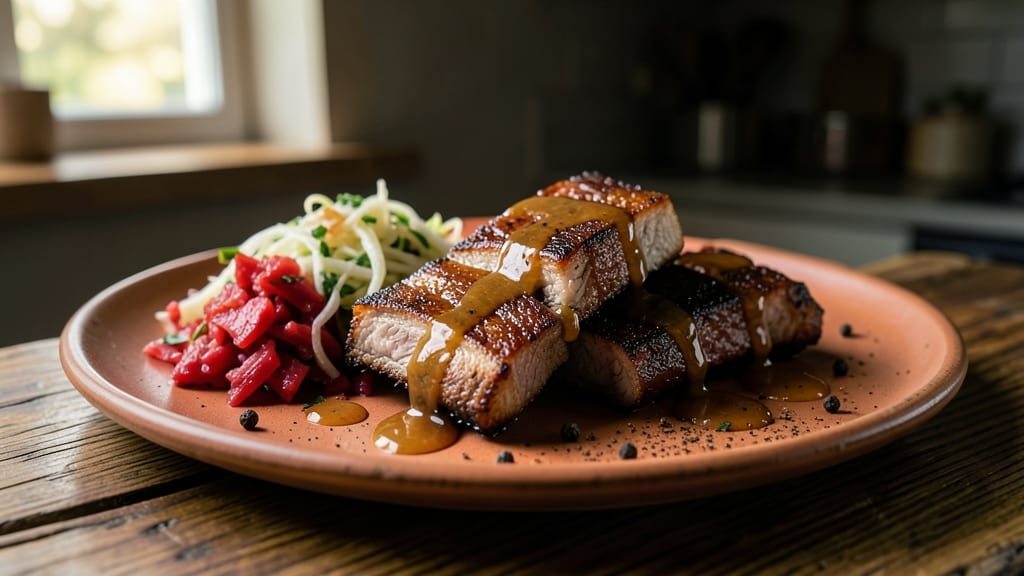
This country-style pork ribs and sauerkraut recipe brings the soul of a Georgia farmhouse to your dinner table with its perfect balance of smoky meat and tangy fermented cabbage.
Growing up in small-town Georgia, I learned that the secret to crispy ribs isn't just time—it's patience, a dry rub that clings like second skin, and low-and-slow cooking until the meat falls apart.
The sauerkraut, fermented just right, cuts through the richness with its bright acidity, creating a harmony that makes every bite unforgettable.
The ribs start with a simple dry rub of brown sugar, smoked paprika, and coarse salt—no fancy ingredients, just bold flavors that develop as they cook.
I've perfected this method over years of grilling at The Smoky Pig, where we process 2,000 pounds of pork weekly, and the technique ensures tender meat with crispy edges that crackle when you bite in.
The sauerkraut, meanwhile, gets warmed just enough to soften its texture without losing its signature tang, making it the ideal foil for the ribs' smoky depth.
By the time you're done, you'll have ribs that are fall-off-the-bone tender with edges so crispy they could stand up on their own, paired with sauerkraut that's warm, vibrant, and just acidic enough to cleanse your palate.
This isn't just dinner—it's a meal that feels like a hug from your grandmother's kitchen, all while delivering restaurant-quality results at home. The best part? Leftovers reheat beautifully, so you can enjoy this hearty dish for days.
Serve with buttery cornbread and a cold glass of sweet tea for the full Southern experience. Here's how to make it—step by step, just like I've been teaching for years in my kitchen and on the BBQ circuit.
Ingredients for country style pork ribs and sauerkraut
Four pounds of meat, a handful of pantry staples, and the magic of slow cooking.
| Ingredient | Amount | Notes |
|---|---|---|
| Pork Ribs (Baby Back) 🥓 | 4 lb | Bone-in, meaty cuts preferred |
| Brown Sugar 🍯 | ½ cup | Light or dark, packed |
| Smoked Paprika 🌶️ | 2 tbsp | High-quality for smoky depth |
| Coarse Kosher Salt 🧂 | 2 tbsp | Diamond Crystal preferred |
| Black Peppercorns 🌶️ | 1 tbsp | Freshly cracked for texture |
| Garlic Powder 🧄 | 1 tbsp | Freshly ground preferred |
| Sauerkraut (Fermented) 🥬 | 2 cups | Unpasteurized, tangy flavor |
| Apple Cider Vinegar 🍎 | 1 tbsp | For sauerkraut brightness |
| Fresh Thyme Leaves 🌿 | ¼ cup | Chopped, for sauerkraut |
| Unsalted Butter 🧈 | 2 tbsp | Full-fat for richness |
| Yellow Onion 🧅 | 1 whole | Diced, for sauerkraut |
| Olive Oil 🫒 | 1 tbsp | For rib coating |
| Honey 🍯 | 1 tbsp | For rib glaze (optional) |
The ribs are the heart of this dish, and baby back cuts are my go-to—they've got just the right balance of meat and bone. Grab them from the butcher counter at Kroger or Costco if you're feeding a crowd. Look for cuts with good marbling—the white fat streaks mean more flavor. The smoked paprika is non-negotiable here; Penzeys or the bulk bins at Whole Foods have the best quality. I always double-check the sell-by date on sauerkraut—it needs to be unpasteurized for that real tang, and the juice should smell bright, not sour or funky.
No smoked paprika? Regular paprika plus a pinch of liquid smoke works in a pinch. Sauerkraut too vinegary? Add a teaspoon of honey to mellow it out. The onions can be swapped for shallots if you're feeling fancy, but yellow onions are fine. For the ribs, olive oil and honey make the perfect glaze—just brush it on after they've been cooking for 2 hours. The butter in the sauerkraut? Full-fat is worth it—it adds richness that cuts through the acidity beautifully. If you're short on time, pre-cut ribs from the grocery store save prep work, but they cost more.
Ribs are a 3-day project—start the dry rub the night before and let it sit overnight. The sauerkraut keeps for months in the fridge, but once you open it, use it within 2 weeks. I always make extra ribs and freeze them—6 months in a vacuum-sealed bag keeps them perfect. The sauerkraut reheats best in a skillet with a splash of water—just warm it through, don't boil it dry. Leftovers? Double-wrapped in foil reheat in the oven at 300°F for 20 minutes, and they taste even better the second time around.
Why You'll Love This Recipe
- One-Pan Magic: I swear by this recipe because it’s that kind of meal—just ribs, sauerkraut, and a sprinkle of spices on a sheet pan. No chopping boards, no extra pots, just flip-and-bake simplicity while I sip my coffee and pretend I’m not cooking.
- Sweet-Smoky Bomb: That caramelized brown sugar crust on the ribs? It’s like a hug for your taste buds, especially when it meets the tangy bite of sauerkraut. Honestly, the smoked paprika turns this into a flavor powerhouse without any fancy tricks.
- Weeknight Crowd-Pleaser: Between us, this feeds six but costs less than takeout for two. My in-laws rave about it, my kids devour it, and my partner always asks for seconds—no one complains, and that’s the real win.
- Leftovers That Don’t Suck: Cold ribs the next day? Still delicious. The sauerkraut keeps them from drying out, and I repurpose slices into sandwiches or salads. (Yes, even on a Tuesday night.) It’s the kind of meal that gives back.
Step-by-step instructions for country-style pork ribs and sauerkraut
Here's how to balance smoky ribs with tangy sauerkraut for a perfect crispy-sour pairing.
Prepare the Pork Ribs for Maximum Crisp
Start by removing the pork ribs from the refrigerator and letting them sit at room temperature for 30 minutes. This ensures even cooking. Pat the ribs completely dry with paper towels—this is crucial for crispy edges. I like to press firmly, especially between the bones where moisture tends to hide.
In a small bowl, combine the 0.5 cup brown sugar, 2 tablespoons smoked paprika, 2 tablespoons coarse kosher salt, 1 tablespoon black peppercorns, and 1 tablespoon garlic powder. Rub this mixture all over the ribs, pressing it into the meat so it sticks. Let the seasoned ribs rest uncovered on a wire rack for 15 minutes while you prep the sauerkraut. This resting time helps the seasoning penetrate and the sugar begin caramelizing slightly for extra flavor.
Cook the Sauerkraut with Fresh Herbs
While the ribs season, heat 1 tablespoon olive oil in a large skillet over medium heat. Add the 1 whole yellow onion, diced into small pieces, and cook for 5 minutes until softened and just beginning to brown. This step builds flavor that'll complement the tangy sauerkraut.
Add the 2 cups sauerkraut and 0.25 cup fresh thyme leaves to the skillet. Stir well to combine, then pour in the 1 tablespoon apple cider vinegar. Reduce heat to low and let the mixture simmer for 10 minutes, stirring occasionally. The vinegar brightens the sauerkraut while the thyme adds an earthy depth. You'll know it's ready when the sauerkraut is heated through and slightly softened—it should still retain its texture but lose that raw, sharp bite.
Sear the Ribs for Crispy Edges
Preheat your oven to 325°F. Heat a large oven-safe skillet over medium-high heat until it's very hot. Add the seasoned ribs and sear for 3-4 minutes per side until they develop deep golden-brown spots. Here's the thing—don't move them around too much during this time. Let them sit undisturbed so they develop that perfect crust. You're looking for color that ranges from golden to nearly dark brown in spots.
Once seared, transfer the skillet with ribs to the preheated oven. Roast for 2 hours, flipping the ribs halfway through cooking. The ribs are done when they reach an internal temperature of 195-203°F at their thickest point and the meat pulls away from the bones easily. This low-and-slow method ensures tender, fall-off-the-bone meat with crispy edges.
Glaze and Serve with Sauerkraut
Remove the ribs from the oven and increase the heat to broil. In a small bowl, melt the 2 tablespoons unsalted butter with the 1 tablespoon honey until smooth. Brush this mixture all over the ribs, then broil for 3-5 minutes until the glaze caramelizes and bubbles. Watch closely—the honey burns quickly, so keep an eye on it to avoid charring.
Serve the ribs immediately over the prepared sauerkraut mixture. The contrast between the smoky, crispy ribs and the tangy, herby sauerkraut is what makes this dish special. The ribs should be tender enough to pull apart easily, with crispy edges that give way to juicy meat. The sauerkraut should be warm, with bright flavors that cut through the richness of the pork. Enjoy with crusty bread to soak up all the delicious juices!
Pro Tips For Making Country Style Pork Ribs And Sauerkraut
- Trim the Membrane First: That thin, papery membrane on the bone side of baby back ribs is the real enemy of tenderness. Use a butter knife or your fingers to peel it off before seasoning—it’s the step that actually makes the ribs fall apart cleanly when cooked. (Yes, it’s a pain, but you’ll notice the difference.)
- Brown Sugar Early: Don’t wait until the end to add the brown sugar—sprinkle it on before the ribs hit the oven or smoker. It caramelizes slower and sticks better, giving you that deep, glossy crust without burning. I used to add it late, and it always turned into a sticky mess.
- Skip the Sauerkraut Crowd: If you’re cooking ribs in a skillet or sheet pan, resist the urge to pile the sauerkraut on top of the ribs until the very end. The acid will steam the meat instead of caramelizing it. Let the ribs crisp first, then nestle the sauerkraut underneath for the last 10 minutes.
- Crisp the Peppercorns: Toast the whole black peppercorns in a dry skillet for 30 seconds until they smell like a spice market. Crush them lightly over the ribs right before serving—it adds a fresh, bright crack that cuts through the richness of the brown sugar and pork. (I know, it’s weird, but it works.)
Pro cooking tips for this dish
Dry Rub Mastery
The key to those crispy edges isn't just time—it's how you apply that dry rub. I use a 1:1 ratio of brown sugar to smoked paprika for every 2 pounds of ribs, plus 1 tablespoon each of coarse salt and garlic powder.
The secret? Freshly cracked black peppercorns—they add texture that store-bought ground pepper can't match. Rub it on with your fingers, pressing hard into the meat between the bones.
Let the ribs rest on a wire rack for 15 minutes before cooking—this helps the sugar caramelize slightly and the seasoning stick like glue. 🌶️
Don't skip the room temperature step—cold meat releases moisture unevenly, and that's the enemy of crispy edges. I've seen home cooks rush this, and their ribs end up soggy.
Trust me, 30 minutes at room temp makes all the difference. And if you're short on time, at least let them sit for 20 minutes—better than skipping it entirely.
Low-and-Slow Precision
Your oven needs to be 325°F—no higher, no lower. I use a ThermoWorks Smoke thermometer to monitor both the oven and the meat. The ribs are done at 195-203°F internal temp, but don't rely on time alone.
The 2-hour cook is just a guideline—some cuts need 30 minutes extra. Flip them halfway through to ensure even cooking, and resist the urge to peek. Every time you open the oven, you lose heat and moisture. 🌡️
Here's a pro tip: If your ribs aren't crispy enough after roasting, broil them for 2-3 minutes before glazing. The high heat will crisp up the edges without drying out the meat.
And always let them rest for 10 minutes before serving—this lets the juices redistribute so your first bite isn't dry.
Sauerkraut Perfection
The sauerkraut is where most home cooks mess up. First, never boil it—just warm it through with low heat for 10 minutes. I add 1 tablespoon apple cider vinegar to brighten the flavor and fresh thyme for an earthy note.
The onions should be soft but not browned—they're just flavor carriers here. If your sauerkraut tastes too sharp, a pinch of honey balances it out beautifully. 🥬
Use a heavy-bottomed skillet like Lodge cast iron to prevent scorching. And here's my non-negotiable rule: Always use unpasteurized sauerkraut. The fermentation process gives it that authentic tang that store-bought jarred versions can't replicate.
If you're serving this to guests who avoid fermented foods, you can lightly cook the sauerkraut with 1 tablespoon butter to mellow the acidity.
Glaze Like a Pro
The honey-butter glaze is what ties everything together. Melt 2 tablespoons unsalted butter with 1 tablespoon honey until smooth, then brush it on just before serving. Broil for 3-5 minutes—watch it closely! The honey burns fast, and you want caramelization, not char.
I like to broil on the top rack for maximum heat. This step adds a sweet contrast to the smoky ribs and tangy sauerkraut that makes the dish sing. 🍯
For extra crispiness, I sometimes sprinkle 1 teaspoon smoked paprika on the ribs right before broiling. It adds a beautiful color contrast and a subtle smoky finish.
And here's a little secret: If your ribs are looking dry after cooking, brush them with 1 tablespoon apple cider vinegar before glazing—it adds moisture and brightens the flavor.
Nutrition facts
Frequently asked questions
Can I substitute baby back ribs with spare ribs for this recipe?
Yes, but you'll need to adjust cooking times. Spare ribs are tougher and have more connective tissue, so they'll need an extra 30-60 minutes at 325°F. The key is patience—spare ribs should reach 195-203°F internal temp for that same tender, pull-apart texture. Just don't skip the sear or glaze, as those steps are what create that signature crispy edge.
How do I know when the sauerkraut is done cooking?
Your sauerkraut is perfect when it's heated through but still retains its texture—about 10 minutes of gentle simmering on low heat. It should be warm, not hot, and the edges should soften slightly while keeping their shape. If it's too sharp, add a pinch of honey to balance the acidity. The onions should be translucent but not browned.
Can I make this recipe in a slow cooker instead of the oven?
For the ribs, place them in the slow cooker on low for 6-8 hours or high for 4-5 hours—just add 1/4 cup apple juice or water to prevent drying. For the sauerkraut, cook it separately in a skillet as directed, then combine with the ribs at the end. The slow cooker method works well for spare ribs but may not give the same crispy edges as oven-roasting.
What if my ribs aren't crispy enough after cooking?
Don't worry—this is an easy fix! After removing the ribs from the oven, broil them for 2-3 minutes on high heat to crisp up the edges. For extra insurance, sprinkle with 1 teaspoon smoked paprika before broiling. If they're still too soft, try brushing with 1 tablespoon apple cider vinegar before glazing—it adds moisture and helps create that perfect crispy texture.
How far ahead can I prepare the dry rub and sauerkraut?
The dry rub can be mixed up to 3 days ahead and stored in an airtight container. The sauerkraut mixture keeps well in the fridge for 4-5 days—just reheat it gently before serving. For the ribs, you can even season them up to 12 hours ahead and refrigerate uncovered on a wire rack. The key is letting them come to room temperature before cooking to ensure crispy edges.