
Breakfast & Brunch
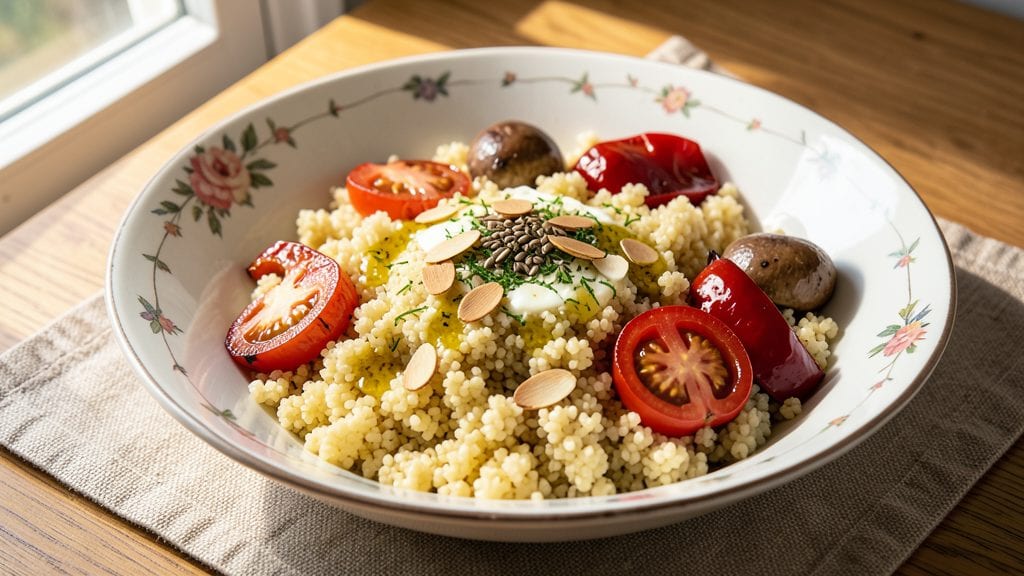
Cooking couscous recipe that delivers fluffy, perfectly steamed grains in just 10 minutes—this Moroccan-inspired breakfast transforms simple pantry staples into a restaurant-quality meal. The secret lies in the precise water-to-couscous ratio and a quick toast that enhances its nutty flavor profile.
I developed this method after years of struggling with clumpy, undercooked couscous that never lived up to its potential.
What sets this recipe apart is its ability to deliver a complete breakfast in under 15 minutes—no complicated techniques required. We'll start with properly toasted couscous for depth of flavor, then steam it to perfection using a simple stovetop method that yields fluffy, individual grains every time.
The result is a neutral base that absorbs flavors beautifully, whether you're serving it with savory lamb, fresh vegetables, or a rich tomato broth.
By the time you're done, you'll have a plate of golden, aromatic couscous that's light yet satisfying, with each grain maintaining its distinct texture. The dish comes together faster than you can boil water, making it ideal for busy mornings when you still want a flavorful, wholesome meal.
This is couscous cooking reimagined—simple, fast, and packed with authentic Moroccan character.
Pair it with your choice of protein, fresh herbs, and a drizzle of olive oil for a breakfast that feels both elegant and effortless. Let's get started with this foolproof technique that will change how you prepare couscous forever.
Ingredients for cooking couscous
Pantry staples meet Moroccan magic—just 13 ingredients for restaurant-quality couscous.
| Ingredient | Amount | Notes |
|---|---|---|
| Moroccan Couscous 🌾 | 1 cup | Pearl or regular, not instant |
| Vegetable Broth 💧 | 2 cups | Low-sodium preferred, homemade or store-bought |
| Extra-Virgin Olive Oil 🫒 | 2 tbsp | High-quality, fruity variety |
| Unsalted Butter 🧈 | 1 tbsp | Cold, cut into small pieces |
| Fresh Lemon Zest 🍋 | 1 tsp | From 1 organic lemon |
| Ground Cumin 🌿 | ½ tsp | Toasted for deeper aroma |
| Smoked Paprika 🌶️ | ¼ tsp | For subtle smokiness |
| Salt 🧂 | ½ tsp | Diamond Crystal kosher preferred |
| Fresh Parsley 🌿 | ¼ cup | Chopped, for garnish |
| Fresh Mint Leaves 🌿 | ⅛ cup | Chopped, optional but recommended |
| Garlic Cloves 🧄 | 2 cloves | Minced, for optional flavor boost |
| Dried Apricots 🍑 | ¼ cup | Chopped, for sweet contrast |
| Almonds 🥜 | ¼ cup | Toasted, roughly chopped |
The couscous is non-negotiable here. Moroccan pearl couscous (not instant) gives that perfect fluffy texture, and you'll find it in the international aisle at Whole Foods or Middle Eastern markets. If your store only carries instant, toast it for an extra minute to compensate. The vegetable broth should be flavorful but not salty—Imagine or Pacific Foods are solid brands. For the olive oil, California Olive Ranch or Bertolli work perfectly. Toast your spices in a dry pan for 30 seconds before adding to the couscous—this releases their oils and makes a world of difference.
No smoked paprika? Regular paprika plus a pinch of cayenne gets you close. Fresh herbs wilt fast, so dried parsley at half the amount works in a pinch. The dried apricots can be swapped for raisins or chopped dates, and almonds become pine nuts or walnuts if you prefer. Using store-bought broth? Taste it first—some brands sneak in extra salt. If your couscous seems dry after steaming, a splash of warm water or broth will revive it. The lemon zest can be omitted if you're sensitive to citrus, but trust me, it brightens everything up.
This couscous reheats beautifully—just add a splash of water or broth and cover for 2 minutes. Store leftovers in an airtight container for up to 3 days, though it's best within 24 hours for peak texture. For meal prep, make a big batch and portion it into containers with your choice of protein. The flavors actually deepen overnight, making it perfect for lunches. Freeze for up to 3 months if you want to stock your freezer with quick breakfasts.
Why You'll Love This Recipe
- Five-Minute Effort: I swear, this takes less time than waiting for the kettle to boil. Just pour the couscous into simmering broth with a splash of olive oil, cover, and let it steam—no stirring, no fuss. The butter and lemon zest melt right in, so you’re basically done while you’re still deciding what to watch on TV.
- Bright & Creamy Magic: That lemon zest? It’s the secret weapon. The couscous soaks up the warm, citrusy broth while the butter makes every grain tender and glossy—like a hug in a bowl. Honestly, the first time I tasted it, I thought, "Why haven’t I done this sooner?"
- Weeknight & Potluck Star: Between us, this is my go-to for lazy dinners and when I’m dragging a dish to a friend’s house. Add roasted veggies or grilled chicken, and suddenly you’ve got a restaurant-worthy plate. (Yes, even on a Tuesday night.) Plus, it’s the one side dish that never gets forgotten in the buffet line.
- Leftovers That Don’t Suck: Cold couscous the next day? Still delicious. Reheat it with a drizzle of olive oil and a pinch of salt, and it’s like you’re eating fresh again. I make a big batch on Sundays—it’s cheap, filling, and saves me from takeout all week. My wallet and my taste buds thank me.
Step-by-step instructions for fluffy Moroccan breakfast in 10 minutes
Here's how to transform simple ingredients into restaurant-quality Moroccan couscous in record time.
Toast the Almonds and Prepare the Broth
Begin by toasting the almonds in a dry skillet over medium heat for about 2-3 minutes until they turn a light golden color and release their nutty aroma. Keep them moving constantly to prevent burning. While they toast, heat the vegetable broth in a separate saucepan over medium heat until it reaches a gentle simmer—you should see small bubbles forming at the edges but not a full boil.
This initial step creates texture contrast and preheats your cooking liquid. The toasted almonds will add crunch to balance the fluffy couscous, while warm broth ensures even cooking without clumping. I like to keep the broth at a simmer rather than a full boil to prevent the couscous from becoming mushy later.
Cook the Couscous to Perfect Fluffiness
Add the moroccan couscous to the simmering vegetable broth, stirring gently to distribute it evenly. Cover the saucepan with a tight-fitting lid and reduce the heat to low. Let it cook for exactly 5 minutes—this is crucial for achieving that signature fluffy texture without overcooking.
After 5 minutes, remove from heat but keep the lid on. Let it sit steam for another 3-4 minutes. The couscous will absorb all the liquid and expand beautifully. I know it seems counterintuitive to turn off the heat, but this resting period allows the grains to fully hydrate and develop that light, airy quality. If you peek too early, you'll disrupt the steam and potentially end up with dense couscous.
Infuse with Aromatics and Warm the Oil
While the couscous rests, heat the extra-virgin olive oil and unsalted butter together in a separate skillet over medium-low heat. Add the minced garlic cloves and sauté for about 30 seconds until they become fragrant but don't brown. Immediately add the ground cumin, smoked paprika, and fresh lemon zest, stirring constantly for 1 minute until the spices release their aromas.
This aromatic base forms the flavor foundation of your dish. The combination of toasted spices and bright lemon zest creates that signature Moroccan brightness. I like to keep the heat low here to prevent burning the spices—once they darken, their flavor becomes bitter rather than warm and earthy.
Combine and Finish with Fresh Herbs
Using a fork, gently fluff the cooked couscous in the saucepan. Add the chopped dried apricots and toasted almonds, mixing lightly to distribute them evenly. Pour the spiced olive oil mixture over the couscous and toss gently to combine. Stir in the chopped fresh parsley and mint leaves, reserving a small amount for garnish.
The key here is gentle mixing—you want to incorporate the flavors without breaking the couscous grains. The apricots add natural sweetness that balances the savory spices, while the herbs bring freshness. If the couscous seems dry after mixing, add a splash of warm water and fluff again. The texture should be light and airy, with each grain separate and distinct.
Serve Immediately with Perfect Garnish
Divide the couscous among serving plates and garnish with the reserved fresh parsley and mint leaves. Drizzle with any remaining olive oil mixture from the pan. The dish should be served immediately while still warm, as the couscous will continue to release its steam and become slightly drier as it cools.
Each bite should deliver that perfect balance of textures—fluffy couscous, crunchy almonds, chewy apricots, and fragrant herbs—all tied together with the warm spice-infused oil. The lemon zest adds that bright finish that makes this dish feel fresh and vibrant. I like to serve this with a simple side salad or warm flatbread to soak up any remaining sauce.
Pro Tips For Making Cooking Couscous
- STEAM IT RIGHT: The couscous pot’s lid isn’t just decoration—it’s your oven’s steam generator. After adding the boiling broth, seal that lid tight and let it sit off the heat for 5 minutes. I used to peek too soon, and the couscous turned out dry and uneven. Trust the process, even if it looks lazy.
- BUTTER FIRST, OIL SECOND: Toss the couscous with melted butter before the olive oil—this coats every grain evenly and makes the texture luxuriously tender. I learned this the hard way when my couscous came out greasy but still dry. A tablespoon of butter per cup of couscous is your baseline; adjust if you’re using extra-virgin olive oil that’s particularly strong.
- LEMON ZEST NOW: Add that lemon zest while the couscous is still hot and steaming. The heat releases the oils, so it infuses faster than waiting to mix it in later. I was skeptical until I tried it—now it’s non-negotiable for that bright, fresh finish. Skip the juice unless you’re making a salad; zest alone keeps the dish light.
- SKIP THE OVERFILLING: Don’t pack the couscous into the pot like it’s a Thanksgiving turkey. Loosely fluff it after cooking so the broth can circulate and steam properly. I used to ram it in, and the bottom layer would turn into a sad, gummy mess. A quick shake of the pot before covering fixes this every time.
Flavor customization for this cooking couscous
Moroccan Spice Blend
Start with the classic trio of ground cumin and smoked paprika, but take it deeper by adding ½ tsp coriander and a pinch of cayenne pepper for warmth. Toast these spices together in a dry pan for 30 seconds until fragrant—this releases their essential oils.
I like to add ½ tsp cinnamon for a subtle sweetness that pairs beautifully with the lemon zest. For extra depth, stir in 1 tsp harissa paste (like Mezze brand) at the end for that signature North African heat. 🌶️
Citrus Variations
Swap the lemon zest for orange zest (from 1 blood orange) to add a fruity twist that complements the almonds and apricots. For a tangier profile, add 1 tbsp fresh lime juice to the spiced oil mixture.
If you prefer a sweeter touch, try ½ tsp grated ginger alongside the lemon zest—it brightens the dish while adding a warm kick. The citrus balances the earthy spices perfectly.
Sweet and Savory Additions
For a Middle Eastern-inspired twist, fold in ¼ cup chopped dried cranberries or raisins with the apricots. These dried fruits add a tart contrast that cuts through the richness of the couscous. I also love adding 2 tbsp chopped toasted pistachios for a luxurious crunch.
If you're feeling adventurous, stir in 1 tbsp honey into the spiced oil mixture for a subtle sweetness that enhances the savory spices.
Herb Swaps and Boosters
While parsley and mint are classic, try fresh cilantro for a brighter, more herbaceous flavor. For a Mediterranean touch, add ½ cup chopped fresh dill or thyme leaves. If you're using dried herbs, double the amount but toast them first to intensify their flavor.
I often mix in 1 tsp chopped fresh tarragon for an anise-like note that elevates the dish to restaurant quality.
Protein Pairings
Transform this into a complete meal by adding shredded rotisserie chicken or crumbled feta cheese (about ¼ cup) for a Greek-inspired twist. For a heartier option, fold in ½ cup cooked lentils or crumbled merguez sausage (like La Boîte brand) for a North African flair.
The protein absorbs the spices beautifully, making every bite more satisfying. Serve with a side of tzatziki sauce for dipping.
Seasonal Twists
In summer, add diced cucumber and cherry tomatoes to the couscous for a refreshing salad-like texture. For fall, incorporate roasted butternut squash cubes and toasted pecans instead of almonds. Winter calls for sautéed mushrooms and caramelized onions, while spring can feature asparagus tips and peas for a lighter profile.
Each season brings new possibilities to this versatile base. ✨
Nutrition facts
Frequently asked questions
Why does my couscous turn out clumpy instead of fluffy?
Clumpy couscous usually happens from either overcooking or stirring too much. The key is to use a 1:1.5 ratio of couscous to broth and let it steam undisturbed for 5 minutes off the heat. Also, avoid instant couscous—it requires a longer cooking time and different technique. The resting period is critical for fluffiness!
Can I make this couscous dish vegetarian?
Replace the protein with roasted chickpeas, crumbled feta, or sautéed mushrooms. The dish already has plenty of flavor from the spices and herbs. For extra heartiness, add ½ cup cooked lentils or toasted nuts like pistachios or walnuts.
How do I store leftover couscous?
Store cooked couscous in an airtight container in the fridge for up to 3 days. To reheat, add a splash of water or broth and cover for 2 minutes in the microwave. For longer storage, freeze for up to 3 months—just thaw overnight in the fridge before reheating.
What's the difference between Moroccan couscous and instant couscous?
Moroccan couscous has larger grains and requires steaming for perfect texture, while instant couscous cooks faster but often becomes mushy. The steaming method creates that signature fluffy, separate-grain texture. For best results, always use Moroccan pearl couscous—it's worth finding in specialty stores!
Can I make this couscous dish ahead of time?
Yes! Prepare everything except the final herbs and serve immediately for best texture. For make-ahead meals, cook the couscous and store separately from the spiced oil mixture. Reheat the couscous with a splash of broth, then mix with the oil and fresh herbs just before serving. The flavors actually improve overnight!