
Main Courses
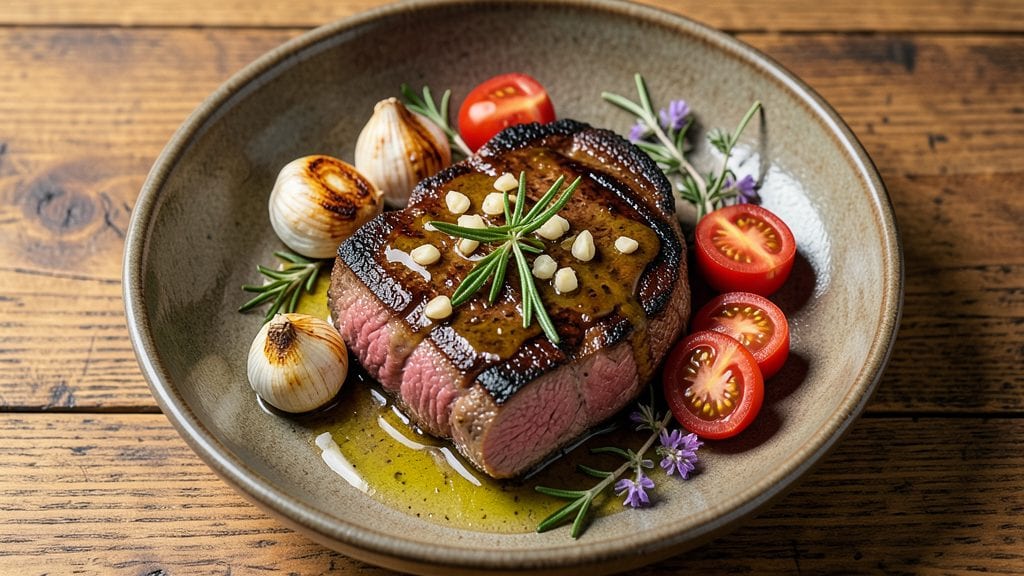
Mastering the art of cava steak means unlocking the secrets of a perfectly charred crust and tender interior that Portuguese grills have perfected for generations. This recipe delivers restaurant-quality results with a focus on traditional charcoal techniques, though modern adaptations for home ovens work just as well.
The key lies in the right cut of beef—thick, flavorful, and ready to absorb the smoky essence of grilling.
What sets this cava steak apart is the balance between bold flavors and technique: a simple marinade of garlic, white wine, and herbs infuses the meat, while high-heat grilling creates that signature crust.
Whether you're using a charcoal grill, gas grill, or cast-iron skillet, the method remains the same—precision in timing and temperature ensures every bite is juicy and full of depth. This dish pairs beautifully with traditional sides like garlic rice, roasted potatoes, or a fresh green salad.
The result is a steak with a deeply charred exterior that gives way to a tender, flavorful interior—each slice carrying the essence of smoky grill mastery. The aroma alone will draw everyone to the table, and the first bite delivers that perfect harmony of texture and taste.
This is the kind of steak that turns a simple dinner into a memorable experience, whether you're cooking for family or impressing guests.
Ready to elevate your grilling game? Let’s break down the steps to achieve that restaurant-quality crust every time, from marinating to final plating. The secrets are in the details—stay with me for a method that’s been perfected over generations.
Ingredients for cava steak
Thick-cut beef, aromatic herbs, and smoky charcoal create this Portuguese grill masterpiece.
| Ingredient | Amount | Notes |
|---|---|---|
| Cava Steak Cut (Ribeye or Sirloin) 🥩 | 1 ½ lb | Thick-cut, 1.5-inch minimum |
| Extra-Virgin Olive Oil 🫒 | ½ cup | High-quality, fruity variety |
| Garlic Cloves 🧄 | 8 cloves | Fresh, peeled, minced |
| Dry White Wine 🍷 | ½ cup | Verdelho or Vinho Verde |
| Fresh Rosemary 🌿 | ¼ cup | Finely chopped, stems removed |
| Fresh Thyme 🌿 | ¼ cup | Leaves only, finely chopped |
| Kosher Salt 🧂 | 2 tbsp | Diamond Crystal preferred |
| Freshly Ground Black Pepper 🌶️ | 1 tbsp | Cracked peppercorns preferred |
| Charcoal Briquettes or Lump Charcoal 🔥 | 2 lb | Binchotan preferred for authenticity |
| Hardwood Charcoal Chunks 🌳 | 1 lb | Oak or chestnut preferred |
| Wood Chips (Optional) 🌳 | ½ cup | Hickory or oak, soaked 30 mins |
| Vegetable Oil 🫒 | 2 tbsp | For grill preheating |
| Fresh Parsley 🌿 | ¼ cup | Chopped, for garnish |
The cava steak cut is non-negotiable—ribeye or sirloin with 1.5-inch thickness delivers that signature tender interior. Local butchers or specialty markets often carry the ideal cuts, but most grocery stores stock sirloin steaks that work well. Look for bright red color and good marbling—this ensures both tenderness and flavor. For authentic results, Binchotan charcoal from Japanese markets creates the perfect smoky crust, though standard lump charcoal works beautifully. The white wine should be dry and crisp—Verdelho or Vinho Verde are traditional choices, but any dry white will suffice. Fresh herbs are essential: rosemary and thyme from the grocery store's produce section should be vibrant green with no wilting. If using dried herbs, reduce to one-third the amount.
No Binchotan charcoal? Oak or hickory lump charcoal delivers excellent smoky flavor. Substituting wine? Dry sherry or apple cider vinegar at the same amount works in a pinch. Fresh herbs unavailable? Dried rosemary and thyme at one-third the quantity maintain the flavor profile. For the olive oil, avoid light or refined varieties—the flavor must complement the beef. The wood chips (if using) should be soaked for 30 minutes to prevent flare-ups. Want extra smokiness? Add 1/4 cup of soaked wood chips to your charcoal. The steak's crust relies on high heat, so ensure your grill reaches 450°F (230°C) before cooking.
Marinated steaks should be refrigerated for up to 24 hours for maximum flavor infusion. Charcoal burns at optimal temperature for 2-3 hours—prep your grill ahead of time. Leftover steaks reheat best in a cast-iron skillet over medium heat for 2-3 minutes per side. Store cooked steaks in an airtight container for 3-4 days or freeze for up to 3 months. For presentation, garnish with fresh parsley just before serving—it adds a pop of color and freshness. The charred crust is best enjoyed immediately, but the tender meat holds up well for leftovers.
Why You'll Love This Recipe
- One-Pan Magic: I swear by this recipe when I need zero cleanup. Just sear the steak, deglaze with wine and garlic, and let the rosemary weave its magic—no extra bowls, no fuss.
- Wine-Infused Perfection: That splash of dry white wine? It’s not just for show—it tenderizes the steak while adding a bright, herby depth that makes every bite feel like a little celebration. (Yes, even on a Tuesday night.)
- Leftovers That Shine: Between us, the second day of this steak is better than the first. Slice it thin, toss it in salads, or pile it into wraps—it’s the kind of meal that keeps giving without losing its charm.
- Budget-Friendly Luxury: You’re getting ribeye-level flavor without the restaurant price tag. A few simple ingredients stretch to feed four, and the rosemary and garlic make it taste like you spent hours (when you really didn’t).
Step-by-step instructions for cava steak recipe
Master this technique and you'll achieve an authentic charred crust with deep smoky flavors every time.
Prepare the Cava Steak and Herb Marinade
Begin by patting the 1.5 lb cava steak cut completely dry with paper towels, removing any excess moisture that would prevent proper searing. This drying step is critical for developing that coveted crust. In a small bowl, combine the 0.5 cup extra-virgin olive oil, 0.25 cup finely chopped fresh rosemary, 0.25 cup finely chopped fresh thyme, 2 tbsp kosher salt, and 1 tbsp freshly ground black pepper. Whisk vigorously until emulsified into a smooth marinade.
Generously coat both sides of the steak with this herb oil mixture, pressing it into the meat to ensure even distribution. Place the steak on a plate, cover with plastic wrap, and refrigerate for at least 4 hours or overnight. This resting period allows the herbs to penetrate deeply while the oil tenderizes the meat. The steak should reach room temperature before grilling, so remove it from the refrigerator 1 hour before cooking.
Set Up the Two-Zone Charcoal Fire
While the steak marinates, prepare your grill for indirect heat cooking. Arrange the 2 lb charcoal briquettes or lump charcoal and 1 lb hardwood charcoal chunks in a pyramid shape on one side of the grill, leaving the opposite side empty. If using the optional 0.5 cup wood chips, soak them in water for 30 minutes before adding them to the hot coals to create smoke. Allow the coals to burn until they're covered with a thin layer of white ash, which indicates they're ready for cooking.
Spread the 2 tbsp vegetable oil evenly over the grill grates using a folded paper towel. This prevents sticking and creates a non-stick surface for the steak. Maintain a temperature of 450°F on the hot side and 350°F on the cool side by adjusting the vents. The two-zone setup allows you to sear the steak over direct heat and finish it with indirect heat for even cooking.
Sear the Steak Over Direct Heat
Place the marinated steak on the hot side of the grill, positioning it perpendicular to the grill lines. Close the lid and sear for 4 minutes without moving it, allowing a deep crust to form. Flip the steak and sear the opposite side for another 4 minutes. During this time, the 8 cloves minced garlic will release their aroma, complementing the developing crust.
After searing both sides, move the steak to the indirect heat zone. Pour the 0.5 cup dry white wine over the hot coals to create a smoky atmosphere. This step infuses the steak with subtle wine aromatics while maintaining the internal temperature. Continue grilling for 12-15 minutes for medium-rare doneness, checking the internal temperature with a meat thermometer. The steak is ready when it reaches 130-135°F internally.
Rest and Garnish for Presentation
Transfer the steak to a cutting board and tent loosely with aluminum foil. Let it rest for 10-15 minutes before slicing. This resting period allows the juices to redistribute throughout the meat, ensuring each bite remains tender and flavorful. The crust should remain intact during this time, maintaining its smoky aroma and crisp texture.
While the steak rests, prepare the garnish by finely chopping the 0.25 cup fresh parsley. Arrange the sliced steak on a warm platter, drizzling any accumulated juices over the top. Sprinkle the chopped parsley evenly across the surface, adding a fresh contrast to the smoky, charred flavors. Serve immediately with accompanying sides to enjoy the full experience of this authentic cava steak preparation.
Pro Tips For Making Cava Steak
- Sear First, Deglaze Fast: Hit the steak with high heat in olive oil until it’s got a deep crust—about 2-3 minutes per side—before pulling it out. Then, immediately pour in that white wine and garlic while the pan’s still screaming hot; the residual heat will turn it into a silky sauce in seconds, not a sad, watery glaze.
- Smash That Rosemary: Don’t just toss in whole sprigs—give that rosemary a rough chop or even a few hard smashes with the flat of your knife. Fresh rosemary releases its oils better when it’s bruised, and your steak will taste like it was seasoned in a Provençal garden, not just sprinkled with leaves.
- Skip the Wine Sub: If you’re out of dry white, resist the urge to swap in chicken broth or even red wine. The acidity and body of white wine cut through the richness of the steak and balance the garlic’s sharpness—nothing else does it justice. A splash of apple cider vinegar in a pinch won’t ruin it, but it won’t be the same.
- Rest Before Slicing: I used to cut into the steak the second it hit the plate, and it’d either be dry or greasy. Give it a solid 5-10 minutes under foil, tented loosely—yes, even if you’re starving. The juices redistribute, and your first bite won’t be a sad, stringy letdown. (Your future self will thank you.)
Perfect pairings for these flavors
Portuguese Sides
Complete your cava steak with traditional Portuguese sides like garlic rice (arroz de alho), which soaks up the steak's juices beautifully. Cook 1 cup white rice with 4 cups water, 4 minced garlic cloves, and 2 tbsp olive oil until tender.
For extra richness, stir in 1 tbsp butter and 1 tbsp chopped parsley at the end. 🌾
Roasted potatoes (batatas assadas) are another must—toss 2 lbs baby potatoes with 3 tbsp olive oil, 1 tsp smoked paprika, and 1 tsp salt. Roast at 425°F for 40 minutes until crispy. The smoky paprika enhances the steak's charred flavors.
Fresh Green Salad
A simple mixed greens salad with a tangy vinaigrette cuts through the richness. Toss 6 cups arugula and romaine with 2 tbsp olive oil, 1 tbsp red wine vinegar, 1 tsp Dijon mustard, and 1 tsp honey.
Add ½ cup sliced radishes and ¼ cup toasted pine nuts for crunch. The peppery greens balance the steak’s bold flavors. 🥗
Beverage Pairings
Portuguese red wine like Alentejo or Douro complements the steak’s smoky, charred crust. Their earthy notes mirror the grill’s aroma, while their acidity cleanses the palate. For a lighter option, Vinho Verde (a crisp white) pairs beautifully with the herb-infused marinade. 🍷
If you prefer beer, a Portuguese lager like Sagres or Super Bock offers a refreshing contrast. The steak’s richness pairs well with the beer’s subtle maltiness, creating a balanced dining experience.
Modern Adaptations
Swap traditional sides for grilled asparagus—toss 1 bunch asparagus with 1 tbsp olive oil and ½ tsp sea salt, then grill for 8-10 minutes. The charred edges echo the steak’s crust, while the bright flavor refreshes your palate. 🌿
For a fusion twist, serve with creamy polenta—cook 1 cup polenta in 4 cups broth until thick, then stir in 2 tbsp butter and ¼ cup grated Parmesan. The creamy texture contrasts the steak’s smoky bite, making every bite unforgettable.
Nutrition facts
Frequently asked questions
What cut of beef works best for this cava steak?
For authentic results, use a 1.5-inch thick ribeye or sirloin—these cuts balance tenderness and flavor. Look for well-marbled beef with a bright red color. Thickness is key to prevent overcooking while creating that signature charred crust.
Can I make this steak without a charcoal grill?
Use a gas grill with two heat zones or even a cast-iron skillet on the stovetop. For the skillet method, heat it over high heat until smoking hot, then sear the steak for 4 minutes per side before finishing in a 350°F (175°C) oven for 10-12 minutes for medium-rare. The smoky flavor comes from wood chips—add them to the grill or pan for extra aroma.
How do I know when the steak is fully cooked?
Use a meat thermometer for precision: 130-135°F (54-57°C) for medium-rare, 140-145°F (60-63°C) for medium. For no-thermometer cooks, press the steak gently—it should feel slightly springy in the center. Let it rest 10-15 minutes before slicing to retain juices.
What if my steak comes out dry?
Overcooking is the usual culprit—steak loses moisture when exposed to heat too long. Remove it 5°F below your target temp (e.g., 125°F for medium-rare) and let it rest. For extra moisture, brine the steak for 30 minutes before marinating (use 1/4 cup kosher salt per 4 cups water). Never skip the rest—juices redistribute during this time.
Can I substitute the white wine in the marinade?
Yes! Use dry sherry or apple cider vinegar (same amount) for a similar acidity. For a non-alcoholic option, try white grape juice or lemon juice. The wine’s purpose is to tenderize and add depth—just ensure the substitute is acidic and flavorful. Avoid sweet wines like Moscato.