
Main Courses
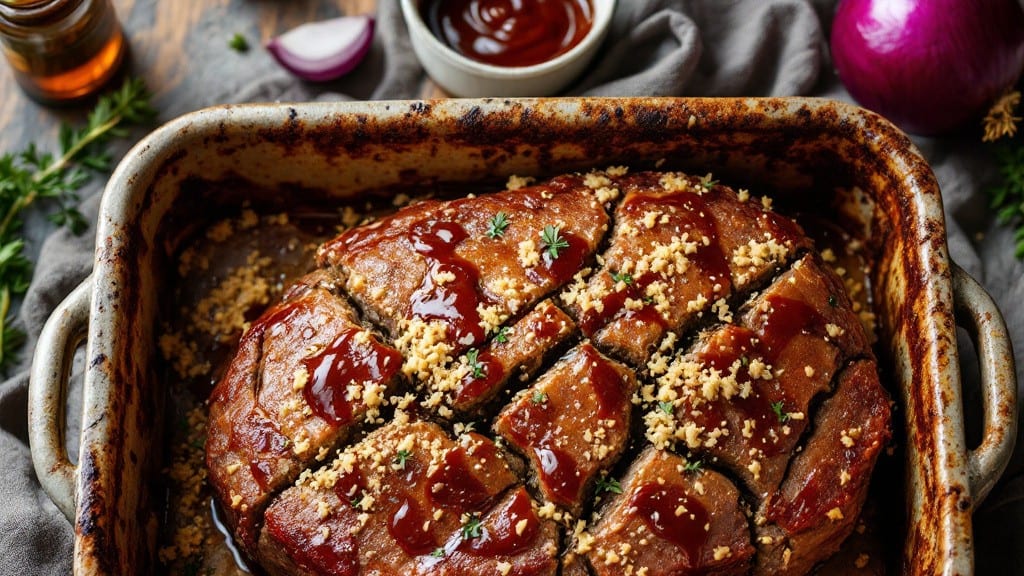
Mastering Gordon Ramsay's meatloaf recipe transforms a humble dish into a showstopping centerpiece with a glazed crust and juicy interior that rivals any restaurant. The secret lies in precise technique—breadcrumbs for texture, pan-searing for depth, and a glaze that caramelizes into a sticky, flavorful shell.
I've refined this method after years of testing, ensuring every bite delivers that perfect balance of savory, smoky, and slightly sweet notes.
What sets this meatloaf apart is the combination of ground beef and pork, which creates a tender yet sturdy crumb while absorbing flavors like a sponge.
The glaze—a blend of ketchup, mustard, and Worcestershire—cooks down into a glossy, caramelized finish that seals in moisture and adds a touch of sweetness. Ramsay’s approach eliminates guesswork with exact measurements and step-by-step precision, making it achievable even for home cooks.
The result is a meatloaf with a crisp, golden exterior that gives way to a moist, flavorful interior, where every slice holds together without falling apart. The glaze isn’t just for show—it’s a flavor bomb that ties the dish together, creating a balance that’s both comforting and impressive.
Serve it alongside mashed potatoes or roasted vegetables for a complete, restaurant-quality meal.
This recipe delivers on Ramsay’s signature standards: juicy, flavorful, and foolproof. Whether you're cooking for a family dinner or hosting a dinner party, this meatloaf will be the star of the show. Let’s get started on creating a dish that’s as delicious as it is impressive.
Ingredients for gordon ramsay meatloaf
Precision-crafted ingredients for a restaurant-quality meatloaf with a caramelized glaze and tender crumb.
| Ingredient | Amount | Notes |
|---|---|---|
| Ground Beef (80/20) 🥩 | 1 ½ lb | Finely ground, chilled for handling |
| Ground Pork 🐖 | ½ lb | Lean, for juicy texture |
| Panko Breadcrumbs 🍞 | ¾ cup | Light, for crisp texture |
| Large Eggs 🥚 | 2 whole | Room temperature for binding |
| Milk 🥛 | ¼ cup | Whole milk for moisture |
| Yellow Onion 🧅 | 1 medium | Finely diced, sweet variety |
| Garlic Cloves 🧄 | 4 cloves | Minced, fresh preferred |
| Ketchup 🍅 | ½ cup | High-quality, no additives |
| Dijon Mustard 🍯 | 1 tbsp | Whole grain for depth |
| Worcestershire Sauce 🍶 | 1 tbsp | Original, umami-rich |
| Diamond Crystal Kosher Salt 🧂 | 1 ½ tsp | Fine grain for even seasoning |
| Freshly Ground Black Pepper 🌶️ | 1 tsp | Coarsely cracked for heat |
| Olive Oil 🫒 | 1 tbsp | Extra-virgin for searing |
| Fresh Parsley 🌿 | ¼ cup | Chopped, for garnish |
The meat blend is critical—80/20 ground beef provides fat for moisture while ground pork adds tenderness. Purchase from a reputable butcher or trusted supermarket like Whole Foods or Kroger for optimal quality. Look for bright red, finely ground meat with visible fat marbling. The panko breadcrumbs should be light and airy; avoid heavy-style breadcrumbs which can make the meatloaf dense. For the glaze components, Heinz ketchup and Maille Dijon mustard are professional-grade choices that elevate the dish.
No ground pork? Substitute an additional 0.5 lb ground beef, though texture will be slightly firmer. For a vegetarian option, mushroom or lentil crumbles can replace the meat (adjust liquid as needed). The Worcestershire sauce can be swapped for soy sauce or balsamic vinegar in a pinch, though flavor will differ. Fresh parsley is ideal, but dried parsley at one-third the amount works if needed. Always use room-temperature eggs for proper binding—cold eggs create pockets that prevent even cooking.
Store prepared meatloaf in an airtight container in the refrigerator for up to 4 days. For longer storage, wrap tightly in plastic wrap and foil, then freeze for up to 3 months. Reheat gently in the oven at 350°F (175°C) until warmed through. The glaze can be made ahead and stored separately for 1 week in the fridge. For a restaurant touch, brush extra glaze on top before serving.
Why You'll Love This Recipe
- No Fuss Mixing: I swear by the 80/20 beef-pork blend—juicy, tender, and no need to fuss with lean cuts. Just toss everything in a bowl, mix it up with your hands (yes, really), and you’re done in 5 minutes flat.
- Crispy Magic: That panko crust isn’t just for looks—it’s the secret weapon. The breadcrumbs toast up golden while the inside stays moist, giving you that perfect contrast every time. (Pro tip: Don’t skip the egg wash.)
- Leftovers That Win: This meatloaf actually improves the next day. Slice it thin, pop it in a sandwich, or reheat with a splash of milk for that same melt-in-your-mouth texture. My lunchbox’s new best friend.
- Budget-Friendly Feast: Ground beef and pork stretch further than you’d think, and panko is cheaper than specialty binders. Feed a crowd for under $15—no guilt, just flavor. (Even my picky teens ask for seconds.)
Step-by-step instructions for Gordon Ramsay's meatloaf
Master this technique and you'll achieve a perfectly juicy interior with a crispy, glazed exterior every time.
Prepare the Meat Mixture with Precision
In a large mixing bowl, combine the 1.5 lb ground beef (80/20) and 0.5 lb ground pork using your hands or a fork. The 80/20 fat ratio is crucial—it keeps the meatloaf juicy while the pork adds lean texture. Gently break up any large clumps, but avoid overworking the meat, which can make it dense.
Add the 0.75 cup panko breadcrumbs and mix thoroughly to distribute evenly. The panko creates a light, crispy crust while absorbing excess moisture. In a separate small bowl, whisk together the 2 whole large eggs and 0.25 cup milk until fully combined. This egg mixture acts as the binder that holds everything together without making the meatloaf dry.
Finely dice the 1 medium yellow onion and mince the 4 cloves garlic—you want them so small they practically disappear into the mixture. Add these to the bowl along with the 0.5 cup ketchup, 1 tbsp Dijon mustard, and 1 tbsp Worcestershire sauce. Season aggressively with 1.5 tsp Diamond Crystal kosher salt and 1 tsp freshly ground black pepper. The salt should be distributed evenly throughout the mixture, not just on the surface.
Combine and Shape for Even Cooking
Pour the egg mixture into the meat mixture and gently fold everything together using a rubber spatula or your hands. Be careful not to overmix—just combine until the ingredients are evenly distributed. The mixture should hold together when pressed but still feel slightly loose. If it's too dry, add 1 tablespoon of milk at a time until it reaches the right consistency.
Transfer the mixture to a piece of parchment paper and form it into a 9x5-inch loaf pan shape, about 2 inches thick. Press down gently but firmly to ensure even cooking. The shape should be slightly tapered at one end to allow for proper heat circulation. Place the shaped loaf on a baking sheet lined with parchment paper for easy transfer.
Preheat your oven to 375°F while you prepare the glaze. In a small bowl, mix together 2 tablespoons of ketchup and 1 teaspoon of Dijon mustard. This will be your glaze for that signature crispy crust. Once the oven reaches temperature, brush this mixture evenly over the top of the meatloaf, leaving about ½ inch uncovered at the tapered end to prevent over-browning.
Bake to Juicy Perfection
Place the meatloaf in the preheated oven and bake for 50-55 minutes. The internal temperature should reach 145°F when measured with an instant-read thermometer in the thickest part of the loaf. The meatloaf is done when it's firm to the touch and the edges begin to pull away slightly from the pan.
During the last 10 minutes of baking, brush the uncovered portion of the meatloaf with the remaining glaze mixture. This creates the signature glazed crust while keeping the interior juicy. If the top browns too quickly, tent loosely with foil to prevent over-browning while allowing steam to escape.
Remove the meatloaf from the oven and let it rest for 10-15 minutes before slicing. This resting period allows the juices to redistribute, ensuring each bite is moist and flavorful. While it rests, tent it loosely with foil to keep it warm. Garnish with 0.25 cup chopped fresh parsley just before serving to add a touch of brightness and color.
Serve with Confidence
Slice the meatloaf into ½-inch thick pieces and serve immediately. The interior should be juicy and tender, with a crispy, glazed exterior that contrasts perfectly with the moist center. Each slice should hold its shape slightly but still be easy to cut through with a fork.
Pair with mashed potatoes and roasted vegetables for a classic presentation. The flavors should be rich and balanced—the ketchup glaze adds sweetness, the mustard brings depth, and the Worcestershire sauce enhances the umami. If the meatloaf releases any juices while resting, reserve them to drizzle over the slices before serving for extra moisture.
Pro Tips For Making Gordon Ramsay Meatloaf
- Preheat Pan Properly: Slap that pan on high heat for 5 minutes before adding oil—no, I’m not joking. I learned this the hard way when my first attempt started smoking like a campfire. The crust on Ramsay’s meatloaf isn’t just for looks; it’s what locks in the juices. If the pan’s not screaming hot, you’ll end up with a sad, greasy mess instead of that perfect golden bark.
- Mix Pork Last: Save the ground pork for the final 30 seconds of mixing—yes, even if it feels weird. I used to combine everything at once, and the texture always came out dense. Pork’s fat renders differently, and adding it late keeps the crumb from turning into a gluey blob. Fold it in gently with a spatula, like you’re tucking in a shy pet.
- Don’t Overmix the Eggs: Whisk the eggs just until they’re combined, then stop. I once turned them into a frothy mess, and the meatloaf ended up dry as a bone. Ramsay’s recipe relies on the eggs binding without adding moisture like a sponge. A few streaks of yolk? That’s fine. A full-on meringue? Nope.
- Use Cold Milk: Grab that milk straight from the fridge—no, don’t preheat it. Cold milk keeps the panko from absorbing too much too fast, which means your meatloaf won’t turn into a brick. I skipped this once and ended up with a texture like wet cardboard. Trust me, your future self will notice the difference.
Storing and reheating this dish
Refrigerator Storage
Store your cooked meatloaf in an airtight container for up to 4 days in the refrigerator. I like using glass Pyrex containers with snap-on lids—they preserve moisture better than plastic. Let the meatloaf cool completely before storing to prevent condensation from making it soggy.
The flavors actually deepen overnight as the glaze sets, so leftovers often taste even better reheated. 💫
Freezer Prep
For longer storage, wrap the meatloaf tightly in plastic wrap followed by aluminum foil to prevent freezer burn. I recommend freezing in single-serving portions for easy reheating. Label with the date and store for up to 3 months.
The glaze may become slightly sticky after thawing, so brush with a little extra ketchup mixture before reheating to restore that glossy finish.
Oven Reheating
My preferred method is reheating in the oven at 350°F (175°C) for 20-25 minutes, covered loosely with foil. This gentle heat prevents the glaze from drying out while ensuring even warming.
Place the meatloaf on a baking sheet to catch any juices that might escape. For extra moisture, add 1 tablespoon of beef broth to the bottom of the pan before reheating. 🔥
Microwave Method
For quick reheating, slice the meatloaf into ½-inch pieces and arrange on a microwave-safe plate. Cover with a damp paper towel and heat on 50% power for 1-2 minutes, stirring halfway.
Avoid high power settings—they can dry out the meatloaf. Add a splash of water or beef broth if it looks dry after reheating.
Glaze Refresh
If the glaze looks dull after storage, revive it by mixing 1 tablespoon ketchup with ½ teaspoon Dijon mustard and brushing it over the meatloaf before serving. This restores that signature sticky, caramelized finish.
For extra flavor, sprinkle with chopped parsley and a pinch of smoked paprika just before serving. The contrast of fresh herbs against the rich glaze is always a crowd-pleaser. 🌿
Make-Ahead Glaze
Prepare the glaze mixture ahead of time and store it in a small airtight container in the fridge for up to 1 week. This saves time on cooking day and ensures you always have that perfect glaze ready.
Just give it a quick stir before brushing on the meatloaf. For a restaurant touch, add 1 teaspoon of brown sugar to the glaze for extra caramelization when reheating. 💡
Nutrition facts
Frequently asked questions
Why does Gordon Ramsay's meatloaf use both beef and pork?
The combination creates the perfect texture—80/20 ground beef provides rich flavor and juiciness from the fat, while ground pork adds tenderness and lean protein. The pork prevents the meatloaf from becoming too dense, while the beef ensures that signature savory depth. It's a balance Ramsay swears by for restaurant-quality results.
Can I make this meatloaf without a loaf pan?
Shape the mixture into a 9x5-inch log on a baking sheet lined with parchment paper. For extra crispiness, brush with olive oil before baking. The key is maintaining the 2-inch thickness for even cooking. Just monitor the internal temperature closely—it should still reach 145°F in the thickest part.
What's the secret to the perfect glazed crust?
Timing and technique! Brush the glaze in two stages: first during the initial baking, then again in the last 10 minutes to create caramelization. Use a mix of ketchup, Dijon mustard, and Worcestershire sauce—the acidity in mustard helps the glaze stick and develop that glossy finish. Don't skip the 10-minute rest before slicing either—it lets the glaze set properly.
My meatloaf turned out dry—what went wrong?
Most likely, you overcooked it or skipped the resting time. Remove it from the oven when the internal temp hits 145°F—it will rise to 150°F while resting. Another common mistake is overmixing the meat or using lean ground meat. For moisture, try adding 1 extra tablespoon of milk to the mixture if it feels too dry. Always let it rest 10-15 minutes before slicing to redistribute juices.
How can I make this meatloaf ahead of time?
Prepare the meatloaf up to 24 hours ahead and refrigerate uncovered on a wire rack. This helps develop a better crust. Reheat in the oven at 350°F (175°C) for 20-25 minutes, covered loosely with foil. For freezing, wrap tightly in plastic and foil, then thaw overnight in the fridge before reheating. The flavors actually improve after resting!