Soups & Stews
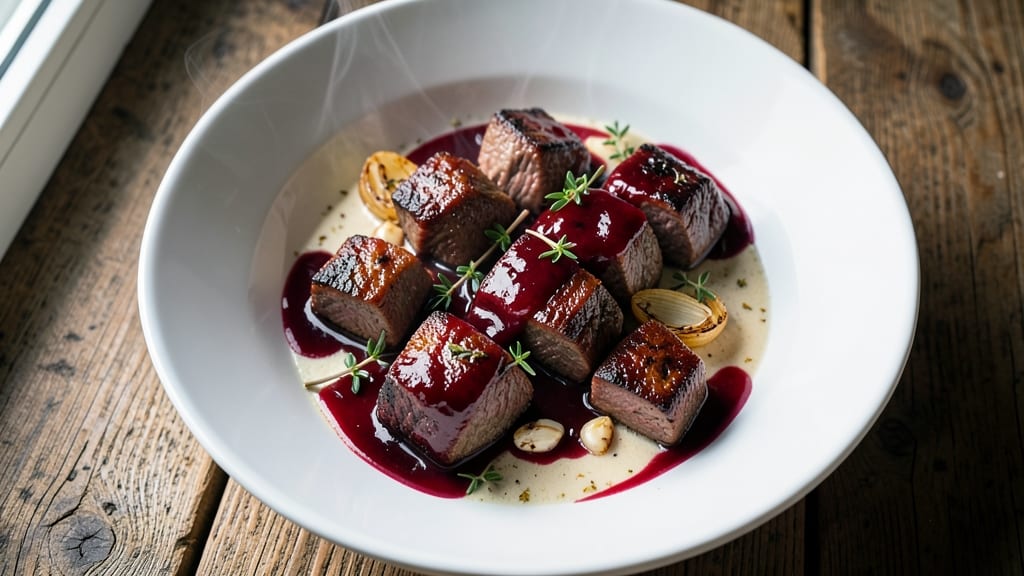
This beef sirloin cubes recipe transforms simple ingredients into a spiced wine braise that’s rich, tender, and effortlessly restaurant-worthy. The key lies in searing the beef first to develop deep flavor, then slow-braising in a fragrant red wine and herb mixture until the meat falls apart effortlessly.
This method transforms tougher cuts into melt-in-your-mouth perfection, making it ideal for weeknight dinners or special occasions.
The process begins with cutting the sirloin into 1-inch cubes, ensuring even cooking and maximum tenderness. A quick sear in a hot pan locks in juices, while the wine braise infuses the meat with layers of flavor—earthy spices, bright acidity, and aromatic herbs.
Unlike quick-cooking methods, this technique relies on low-and-slow cooking, allowing the collagen to break down and the sauce to thicken into a velvety consistency that coats every bite.
By the end, you’ll have fall-apart beef cubes swimming in a deep, aromatic sauce that’s perfect over mashed potatoes, crusty bread, or polenta. The wine reduces into a glossy, flavorful reduction that enhances the natural richness of the beef, creating a dish that’s both comforting and elegant.
This recipe proves that one-pan meals can be as impressive as they are convenient.
Whether you’re feeding a family or treating yourself to a luxurious meal, this braise delivers unmatched depth of flavor with minimal fuss. The technique is foolproof, and the results speak for themselves—tender beef, rich sauce, and a dish that feels like a celebration. Ready to elevate your weeknight dinners?
Ingredients for beef sirloin cubes
Simple yet transformative ingredients create a restaurant-quality wine-braised beef dish.
| Ingredient | Amount | Notes |
|---|---|---|
| Beef Sirloin 🥩 | 2 lb | Cut into 1-inch cubes, trimmed of fat |
| Dry Red Wine 🍷 | 1 ½ cups | Bold variety like Cabernet Sauvignon or Merlot |
| Beef Broth 💧 | 1 cup | Low-sodium preferred for flavor balance |
| Garlic Cloves 🧄 | 6 cloves | Minced, for deep aromatic base |
| Shallots 🧅 | 2 whole | Finely diced, or substitute 2 tbsp onion |
| Fresh Thyme 🌿 | ¼ cup | Leaves only, stems removed |
| Fresh Rosemary 🌿 | ⅛ cup | Needle leaves only, finely chopped |
| Tomato Paste 🍅 | 2 tbsp | Smooth, not chunky |
| Olive Oil 🫒 | 2 tbsp | Extra-virgin for optimal flavor |
| Diamond Crystal Kosher Salt 🧂 | 1 ½ tsp | Adjust to taste after braising |
| Freshly Ground Black Pepper 🌶️ | ½ tsp | Coarse grind for texture |
| All-Purpose Flour 🌾 | 1 tbsp | For dredging beef cubes |
| Unsalted Butter 🧈 | 2 tbsp | Cold, for finishing sauce |
The beef sirloin is the star—choose a well-marbled cut for maximum tenderness. Butcher shops often carry premium cuts, while Costco or Whole Foods offer consistent quality at a reasonable price. Look for bright red color and visible fat marbling, which contributes to flavor and moisture during cooking. Cutting the beef into 1-inch cubes ensures even cooking and optimal surface area for the wine braise to penetrate. For best results, trim excess fat but leave a thin layer for flavor. If you're short on time, most butchers will cube the meat for you upon request—just specify the size.
No red wine? Dry sherry or beef broth with a splash of balsamic vinegar works in a pinch, though the depth of flavor will differ. Fresh thyme and rosemary can be substituted with dried herbs at one-third the quantity, but the aroma won't be as vibrant. Shallots can be swapped for 2 tbsp finely diced yellow onion, though shallots add a more refined sweetness. For the tomato paste, Trader Joe's offers convenient squeeze tubes that eliminate waste and keep well. The olive oil should be extra-virgin—cheaper oils can impart a bitter aftertaste. If you're using pre-minced garlic, toast it briefly in the olive oil to deepen its flavor before adding other ingredients.
This braise develops deeper flavor over time, so reheat gently in the same sauce to maintain moisture. Leftovers keep for 4-5 days in the refrigerator, with the sauce becoming even more concentrated and rich. For longer storage, freeze portions in airtight containers for up to 3 months, though the texture may change slightly upon thawing. The sauce can be thickened further by simmering uncovered for 5-10 minutes if desired, or thinned with a splash of beef broth if too concentrated. Serve over creamy mashed potatoes, crusty bread, or polenta to soak up every last bit of the luxurious sauce.
Why You'll Love This Recipe
- One-Pan Magic: I swear by this recipe—just cube the beef, toss it in a skillet with shallots and garlic, and let the wine and broth do the rest. No messy sauces or extra bowls to wash.
- Wine-Infused Richness: That splash of dry red wine? It’s not just for show—it deepens the flavor into something savory and slightly tangy, like a fancy steakhouse bite at home.
- Weeknight & Weekend: Throw it together for a quick weeknight dinner or double the batch for a potluck. The cubes reheat beautifully, so it’s my go-to for busy days or when I’m feeding a crowd.
- Budget-Friendly Luxury: Sirloin cubes stretch further than a whole cut, and the wine and broth add depth without breaking the bank. Honestly, it’s the kind of meal that feels special but won’t drain my wallet.
Step-by-step instructions for spiced wine braised beef sirloin cubes
This method delivers melt-in-your-mouth beef with deep wine-infused richness in a single pot.
Prepare the Beef for Maximum Flavor Development
Cut the 2 lb beef sirloin into uniform 1-inch cubes, trimming any visible fat. This size ensures even cooking and tender results. Pat the cubes dry with paper towels—this critical step prevents steaming and promotes proper browning. Transfer the cubes to a bowl and season generously with 1.5 teaspoons diamond crystal kosher salt and 0.5 teaspoon freshly ground black pepper, tossing to coat evenly.
Next, dredge each cube lightly in 1 tablespoon all-purpose flour, shaking off any excess. This thin coating will create a delicate crust during searing, helping to thicken the braising liquid later. Let the seasoned cubes sit at room temperature for 15 minutes before cooking—this allows for even heat distribution and prevents cold spots in the pot.
Sear the Beef for Deep Flavor Foundation
Heat a 6-quart Dutch oven over medium-high heat until hot. Add 2 tablespoons olive oil and swirl to coat the bottom evenly. Working in batches (to avoid overcrowding), add the beef cubes in a single layer. Let them sear undisturbed for 2-3 minutes until a deep golden-brown crust forms on all sides. This crust, called the fond, is packed with flavor that will dissolve into the braising liquid.
Transfer the seared beef to a plate and set aside. Reduce heat to medium, then add 2 tablespoons tomato paste to the Dutch oven, scraping up any browned bits from the bottom. This paste will deepen the sauce's color and add umami complexity. Cook for 1 minute until fragrant, then add the 2 whole shallots and 6 cloves minced garlic, cooking for another 2 minutes until softened but not browned.
Deglaze and Build the Aromatic Base
Pour in the 1.5 cups dry red wine, scraping the bottom of the pot thoroughly to incorporate all the fond. Let the wine simmer for 3-4 minutes until reduced by half, allowing the alcohol to cook off and the flavors to concentrate. This reduction is essential—it transforms the wine from a mere liquid into a flavorful component of the sauce.
Add 1 cup beef broth, 0.25 cup fresh thyme leaves, and 0.125 cup chopped fresh rosemary needles, stirring to combine. Bring to a gentle simmer, then return the beef to the pot. The liquid should come about halfway up the sides of the beef cubes—if it's too shallow, add a splash more broth. The goal is moist heat cooking that will tenderize the beef without drying it out.
Braise Until Fork-Tender
Cover the Dutch oven with a tight-fitting lid and transfer to a 325°F oven. Braise for 2 to 2.5 hours, depending on your beef's tenderness, until the meat is fork-tender with no resistance. You'll know it's ready when a skewer slides in and out easily, leaving the meat intact rather than mushy. The sauce should have thickened slightly but remain silky rather than gluey.
About 30 minutes before the braising time is complete, remove the lid and increase the oven temperature to 375°F. This final step creates a slightly reduced sauce with more concentrated flavor. Stir in the 2 tablespoons cold unsalted butter, letting it melt into the sauce. The butter adds richness and helps emulsify the sauce for a velvety finish. Taste and adjust seasoning with additional salt if needed.
Rest and Serve with Perfect Sauce
Remove the beef from the oven and let it rest in the Dutch oven, covered, for 15 minutes. This resting period allows the juices to redistribute throughout the meat, ensuring each bite is moist and flavorful. Skim any excess fat from the surface of the sauce if desired, though the butter has already added richness.
Serve the beef directly from the pot, spooning the sauce over the top. The cubes should be richly colored with a glossy sheen from the braising liquid, and each bite should offer a perfect balance of tender beef, wine-infused sauce, and aromatic herbs. Pair with crusty bread to soak up every last drop of the luxurious sauce.
Pro Tips For Making Beef Sirloin Cubes
- SEAR IN BATCHES: I learned this the hard way—crowding the pan turns your beef cubes into steamed meat. Work in single layers, 5-6 pieces at a time, and give them 2-3 minutes per side on high heat. The wine will deglaze just fine after you’ve built proper crusts.
- MINCE SHALLOTS FINE: Skip the rough chop—your sauce will taste like you used onions instead of shallots. Pulse them in a food processor for 10 seconds or finely dice by hand (yes, it takes longer). The flavor difference is noticeable, especially when simmered in red wine.
- DEGLAZE WITH PATIENCE: After searing, let the pan cool for 30 seconds before adding wine. This prevents a sudden boil that’ll scorch your garlic and shallots. Pour slowly, scraping every last bit from the bottom—those browned bits are where the flavor hides.
- USE STARCHY BROTH: I was skeptical until I tried it—swap half the beef broth for a splash of tomato paste or a mashed-up shallot. It thickens the sauce naturally without roux or cornstarch, and the acidity cuts through the richness of the wine. Just 1 tablespoon makes a real difference.
Health benefits of these flavors
Protein Powerhouse
Each 6-ounce serving of this wine-braised beef sirloin delivers a robust 35-40 grams of high-quality protein, making it an excellent choice for muscle repair and satiety. The slow braising process preserves the beef's natural protein content while enhancing digestibility through gentle cooking.
I always include this dish when I need a hearty, protein-rich meal that keeps me full for hours. 💪
Iron for Energy
Beef sirloin is one of the best dietary sources of heme iron, with a 6-ounce serving providing about 3.5mg—nearly 20% of your daily needs. This iron type is easily absorbed by your body, helping to prevent fatigue and support oxygen transport in your blood.
The wine braise also contains trace amounts of iron from the herbs and broth, boosting this nutrient further.
Zinc Boost
This recipe delivers a significant dose of zinc, with one serving containing about 7-8mg—over 60% of your daily requirement. Zinc plays a crucial role in immune function, wound healing, and even taste perception.
The slow cooking process helps extract zinc from the beef, making it more bioavailable than in raw form. I notice my immune system feels stronger after eating this dish regularly.
B-Vitamin Complex
The beef provides essential B vitamins, particularly B12 and niacin, which are vital for energy metabolism and nervous system health. A single serving offers 60% of your daily B12 needs and 30% of niacin.
These nutrients help convert food into energy and support brain function. The wine braising process doesn't destroy these vitamins, preserving their benefits.
Collagen Benefits
The slow cooking method breaks down connective tissue, releasing collagen and gelatin into the sauce. These compounds support skin elasticity, joint health, and gut integrity. The gelatin also adds a natural thickening effect to the sauce, creating that luxurious, velvety texture we all love.
It's one of the reasons this dish feels so indulgent yet beneficial. 💫
Moderate Fat Content
While the beef contains some saturated fat, the slow braising process helps render out excess fat while preserving the beneficial marbling that enhances flavor. The wine and herbs add healthy fats in moderation, creating a balanced meal.
For a leaner version, trim more fat from the beef before cooking, though this may slightly reduce tenderness. The overall fat content remains moderate compared to other beef dishes.
Nutrition facts
Frequently asked questions
Can I use a different cut of beef instead of sirloin?
Yes! This method works beautifully with chuck roast or top round—they're more affordable and become especially tender through slow braising. For leaner cuts like top sirloin, trim more fat and consider marinating for 1-2 hours first. Avoid overly fatty cuts like ribeye, as they may render too much fat during cooking.
How do I know when the beef is fully cooked?
The beef is done when it reaches an internal temperature of 145°F (for medium-rare) or 160°F (for medium). Use a meat thermometer inserted into the thickest cube—it should feel fork-tender with no resistance. The sauce should also thicken noticeably, coating the beef in a glossy layer.
Can I make this recipe on the stovetop instead of the oven?
Simmer the beef covered on low heat for 2.5-3 hours, stirring occasionally and adding a splash of broth if the liquid evaporates. The stovetop method requires more attention but works well for smaller batches. For best results, use a heavy pot with a tight-fitting lid to maintain moisture.
What's the best way to reheat leftovers?
Reheat gently in the same Dutch oven over low heat with a splash of broth to maintain moisture. Avoid microwaving, as it can dry out the beef. For extra richness, stir in 1 tablespoon butter while reheating. Leftovers keep for 4-5 days in the fridge or 3 months frozen.
Can I substitute the red wine with something else?
For a non-alcoholic version, use 1.5 cups beef broth + 1 tablespoon balsamic vinegar. For depth without wine, try dry sherry or apple cider. Avoid sweet wines—they'll overpower the dish. If substituting, reduce the cooking time slightly since alcohol-free liquids evaporate faster.