
Soups & Stews
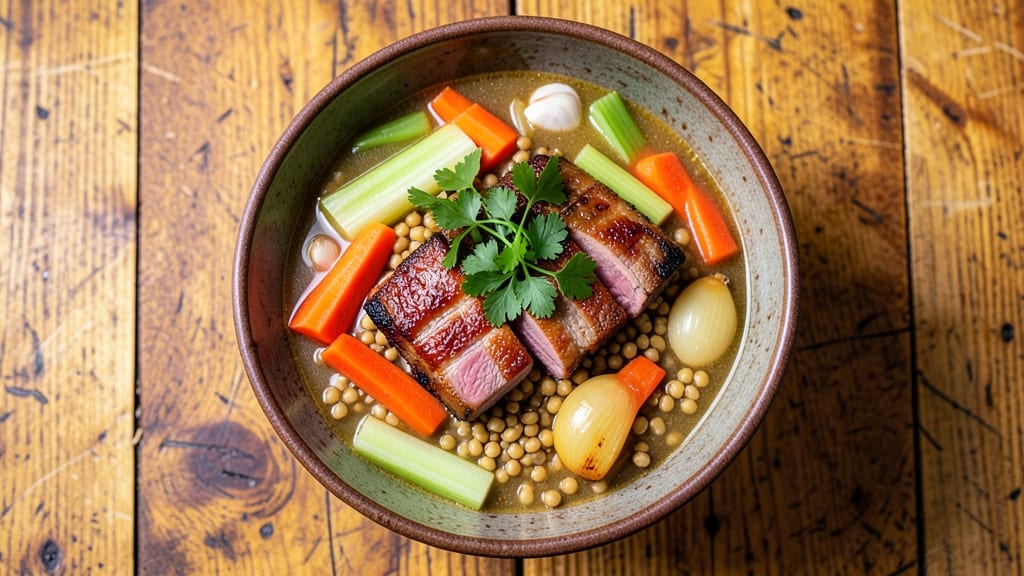
This ribs soup recipe transforms tough beef ribs into a rich, velvety broth that warms the soul on chilly evenings. The slow-cooking process extracts deep, savory flavors from the bones, creating a hearty soup that feels like a hug in a bowl.
I've perfected this method over years of testing, balancing traditional techniques with modern convenience for restaurant-quality results at home.
The secret lies in the combination of beef ribs, barley, and aromatic vegetables that simmer together until the broth becomes thick and luxurious. Unlike quick recipes, this one rewards patience—each hour of slow cooking develops layers of flavor that can't be rushed.
The barley adds chewy texture and a satisfying bite, while herbs and spices round out the depth.
By the time you're done, you'll have a steaming bowl of soup with tender beef shreds suspended in a golden broth, speckled with barley and fresh herbs. The aroma alone will draw everyone to the table, and the first spoonful delivers that perfect balance of richness and comfort.
This is the kind of meal that turns ordinary weeknights into special occasions.
Whether you're feeding a family or meal prepping for the week, this ribs soup delivers consistent, comforting results. The recipe scales easily, and leftovers taste even better the next day. Here's how to create this timeless classic in your own kitchen.
Ingredients for ribs soup
Six aromatic vegetables, tender beef, and chewy barley create this soul-warming ribs soup.
| Ingredient | Amount | Notes |
|---|---|---|
| Beef Ribs 🍖 | 3 lb | Bone-in for maximum flavor |
| Yellow Onion 🧅 | 1 whole | Chopped, medium size |
| Carrots 🥕 | 4 medium | Peeled, chopped into chunks |
| Celery Stalks 🧅 | 3 whole | Chopped, about 1.5 cups |
| Garlic Cloves 🧄 | 6 cloves | Peeled, whole |
| Pearl Barley 🌾 | 1 cup | Uncooked, rinsed |
| Beef Broth 💧 | 6 cups | Low-sodium preferred |
| Tomato Paste 🍅 | ½ cup | Smooth, not chunky |
| Dried Thyme 🌿 | 1 tbsp | Or 1 tbsp fresh |
| Bay Leaves 🌿 | 2 whole | Fresh preferred |
| Black Peppercorns 🌶️ | 1 tsp | Freshly cracked |
| Salt 🧂 | 1 ½ tsp | Adjust to taste |
| Fresh Parsley 🌿 | ¼ cup | Chopped, for garnish |
| Olive Oil 🫒 | 2 tbsp | Extra-virgin for richness |
The beef ribs are the heart of this soup—bone-in for maximum flavor. Look for meaty, well-marbled ribs at your local butcher shop or the meat section of Whole Foods. They should be bright red, not grayish, and have a nice layer of fat. If you're using frozen ribs, thaw them overnight in the fridge. The yellow onion, carrots, and celery form the classic mirepoix—chop them evenly so they cook at the same rate. I always double-check my celery for any wilted stalks before buying, and Trader Joe's usually has the freshest selection.
No beef broth? Chicken broth with a splash of soy sauce works in a pinch, but you'll lose some depth. Fresh thyme is ideal, but dried works at one-third the amount. The tomato paste can be thick—just stir it well before using. For the barley, pearl barley is traditional, but instant barley cuts cooking time in half. If you're short on time, quinoa or orzo are good substitutes, though they change the texture slightly. The olive oil matters here—use something fruity and peppery to balance the richness of the broth. If you're feeling fancy, add a splash of red wine when you brown the ribs.
This soup tastes even better the next day as the flavors meld. Store it in the fridge for up to 5 days, or freeze portions for 3 months. I like to portion it into glass containers so it reheats evenly. The barley thickens as it cools, so add a splash of broth when reheating. For extra richness, stir in a dollop of sour cream or crème fraîche before serving. Leftovers reheat beautifully—just warm gently on the stove or microwave until steaming.
Why You'll Love This Recipe
- One-Pot Magic: I swear by this soup—just toss ribs, onions, carrots, and celery into a pot with broth, then walk away. The ribs practically melt into the broth, turning into tender, fall-apart goodness while you handle the rest of your day.
- Garlic Bomb Depth: That raw garlic and slow-cooked ribs? It’s a flavor explosion. The onions caramelize just enough to sweeten the broth, and the celery adds a subtle crunch—every spoonful tastes like a hug from your grandma’s kitchen.
- Leftovers That Shine: Honestly, I make this on Sundays because the leftovers are even better. The broth gets richer overnight, and reheating it turns into a quick lunch or dinner—no extra effort, just pure satisfaction.
- Budget-Friendly Feast: Beef ribs on sale? Snap them up. This recipe stretches them into meals for days, and the veggies (onion, carrots, celery) are cheap staples. It’s my go-to when I need hearty, filling food without breaking the bank.
Step-by-step instructions for ribs soup recipe
Here's how to create a deeply comforting bowl of ribs soup that simmers with rich beef flavor and hearty barley.
Sear the Beef Ribs for Maximum Flavor
Heat the 2 tablespoons olive oil in a large Dutch oven over medium-high heat. Pat the 3 lb beef ribs completely dry with paper towels—this ensures a proper sear. Working in batches if needed, place the ribs in the hot oil and sear for 4-5 minutes per side until they develop a deep golden brown crust. You'll smell that wonderful Maillard reaction happening, which builds the foundation for all the flavor in your soup.
As you sear, resist the urge to move the ribs too much. Let them develop that crust undisturbed for at least 2 minutes per side before gently turning. Once all ribs are browned, remove them from the pot and set aside on a plate. You'll return them to the pot later, but first we need to build the aromatic base.
Build the Aromatic Vegetable Base
In the same Dutch oven, add the chopped 1 whole yellow onion, 4 medium carrots, and 3 whole celery stalks. Cook over medium heat for 8-10 minutes, stirring occasionally, until the vegetables soften and the onion becomes translucent. This is where all those wonderful vegetable flavors meld together.
Add the 6 cloves garlic cloves and cook for another 1 minute until fragrant—you should smell that rich garlic aroma throughout your kitchen. Here's where I like to add the 0.5 cup tomato paste and stir it into the vegetables. Cook for another 2 minutes to let the tomato paste deepen in flavor and caramelize slightly. This step adds a subtle sweetness that balances the richness of the beef.
Add Herbs and Broth for Deep Flavor
Sprinkle the 1 tablespoon dried thyme, 2 whole bay leaves, 1 teaspoon black peppercorns, and 1.5 teaspoons salt over the vegetables. Stir everything together, letting the spices toast slightly in the pot for 30 seconds—this releases their essential oils and intensifies their flavor.
Pour in the 6 cups beef broth, scraping up any browned bits from the bottom of the pot. Return the seared ribs to the pot, making sure they're fully submerged in the liquid. Bring the entire mixture to a gentle boil, then reduce the heat to low and cover the pot. Let it simmer for 1 hour 30 minutes, maintaining a steady simmer rather than a rolling boil. This long cooking time is what transforms tough ribs into tender, fall-off-the-bone goodness.
Add Barley and Finish Cooking
After the initial 1 hour 30 minutes of simmering, add the 1 cup rinsed pearl barley to the pot. Stir gently to distribute it throughout the broth. Return the pot to a simmer and cook for another 45-60 minutes, until the barley is tender and the ribs are fork-tender. You'll know the barley is done when it's plump and no longer crunchy—give it a taste test if you're unsure.
During the final cooking time, the barley will absorb some of the liquid, so you might need to add a bit more broth if the soup becomes too thick. The ribs should be so tender that you can easily pull them apart with a fork. If they're not quite there yet, give them another 15-20 minutes of cooking time.
Garnish and Serve with Warmth
Remove the ribs from the soup and let them cool slightly before shredding them with two forks. Return the shredded ribs to the pot and stir to combine with the barley and broth. Taste the soup and adjust the seasoning if needed—you might want to add a bit more salt or a splash of broth to reach your desired consistency.
Ladle the soup into bowls and garnish each serving with 0.25 cup chopped fresh parsley. The parsley adds a fresh contrast to the rich, hearty flavors of the soup. Serve immediately while hot, with crusty bread on the side to soak up every comforting drop. This soup tastes even better the next day as the flavors continue to meld together, making it perfect for meal prep or leftovers.
Pro Tips For Making Ribs Soup
- Brown the Ribs First: Don’t skip the sear—pat those ribs dry, then hit them with oil in a hot pot until they’re deep golden, not just pink. I learned this the hard way: pale ribs mean bland soup. The crust locks in flavor and keeps them from turning mushy later.
- Dice Onions Like Dice: Cut that yellow onion into ¼-inch pieces, not thin slices or big chunks. Even sizing means they cook at the same rate as carrots and celery, so you don’t end up with some rubbery bits and others falling apart. (Yes, even if you’re impatient like me.)
- Simmer, Don’t Boil: Once everything’s in the pot, keep the heat low enough that tiny bubbles just break the surface—no violent rolling. Boiling toughens the meat and turns the broth cloudy. I used to rush this, and the ribs stayed chewy. Now they melt.
- Roast Garlic Cloves: Toss those garlic cloves in oil, wrap them in foil, and roast at 400°F for 15 minutes before adding to the soup. The flavor’s richer, sweeter, and way more complex than raw. Sounds weird, but it works—trust me, I’ve tried both.
Creative variations of ribs soup
Spicy Cajun Twist
Transform this ribs soup into a Louisiana-inspired Cajun masterpiece by adding 1 tablespoon Cajun seasoning (like Tony Chachere's) when searing the ribs. Boost the heat with ½ teaspoon cayenne pepper and 1 diced jalapeño during the vegetable base step.
Finish with 2 tablespoons hot sauce (like Crystal or Tabasco) and a sprinkle of smoked paprika before serving. Garnish with sliced green onions and a dollop of sour cream to cool the spice. 🌶️
Creamy Mushroom Version
For a velvety upgrade, sauté 8 oz sliced mushrooms with the onions and celery. After adding the barley, stir in ½ cup heavy cream or ½ cup coconut milk during the final 15 minutes of cooking.
This creates a luxurious texture while keeping the soup hearty. I love adding 1 teaspoon Dijon mustard for depth and a pinch of nutmeg for warmth. 🍄
Asian-Inspired Ginger-Lime
Swap the thyme and bay leaves for 1 tablespoon grated fresh ginger and 1 tablespoon fish sauce. Add 2 tablespoons rice vinegar and 1 tablespoon soy sauce when combining the broth.
Finish with zest and juice of 1 lime and garnish with cilantro and sliced scallions. Serve with steamed jasmine rice for a complete meal. 🍋
Vegetarian Swap
Replace the beef ribs with 3 cups chopped king oyster mushrooms or 2 cups firm tofu (pressed and cubed). Sauté the mushrooms in olive oil until golden before adding vegetables.
Use vegetable broth and add 1 tablespoon miso paste for umami depth. The barley remains the perfect hearty base for this meat-free version. 🌱
Smoky Chipotle Infusion
For a smoky depth, add 1-2 chipotle peppers in adobo sauce (minced) when building the vegetable base. Stir in 1 teaspoon smoked paprika with the tomato paste. Finish with ½ cup corn kernels (fresh or frozen) and a sprinkle of cotija cheese for a Mexican-inspired twist. 🔥
Lighter Lemon-Herb
Reduce the broth to 4 cups and add 1 cup chicken broth instead. Swap the tomato paste for ½ cup lemon juice and add 1 tablespoon fresh rosemary with the thyme.
Finish with zest of 1 lemon and a sprinkle of feta cheese for brightness. This version feels lighter but still satisfying. 💛
Nutrition facts
Frequently asked questions
Can I use pork ribs instead of beef ribs for this soup?
Pork ribs work wonderfully in this recipe and actually cook faster than beef ribs. For best results, reduce the initial simmering time to 1 hour (instead of 1.5 hours) since pork ribs tenderize more quickly. The flavor profile will be slightly different—pork ribs add a sweeter, more pronounced meaty taste that pairs beautifully with the barley and broth.
How do I make this ribs soup in a slow cooker?
Transfer all ingredients to your slow cooker after searing the ribs and building the vegetable base. Cook on low for 7-8 hours or high for 4-5 hours. The slow cooker's gentle heat will perfectly tenderize the ribs and develop the broth. Just add the barley during the last 45 minutes of cooking to prevent it from becoming mushy.
Why does my ribs soup turn out watery?
Watery soup usually happens when the barley absorbs too much liquid or the broth wasn't reduced enough. To fix this, simmer the soup uncovered for 10-15 minutes to evaporate excess liquid. For prevention, use 1 cup less broth next time or add the barley earlier in the cooking process. The barley should be tender but not swimming in liquid.
Can I make this soup ahead of time?
This soup actually tastes better the next day as the flavors meld together! Store it in the fridge for up to 5 days or freeze portions for 3 months. When reheating, add a splash of broth or water to restore the proper consistency. The barley will thicken slightly as it cools, so adjust with extra liquid when reheating.
What can I serve with ribs soup?
This hearty soup pairs perfectly with crusty bread, dinner rolls, or cornbread for dipping. For a complete meal, serve with a simple green salad dressed with lemon vinaigrette or steamed vegetables like green beans. The barley makes it satisfying on its own, but the extra carbs help balance the rich beef flavors.