
Soups & Stews
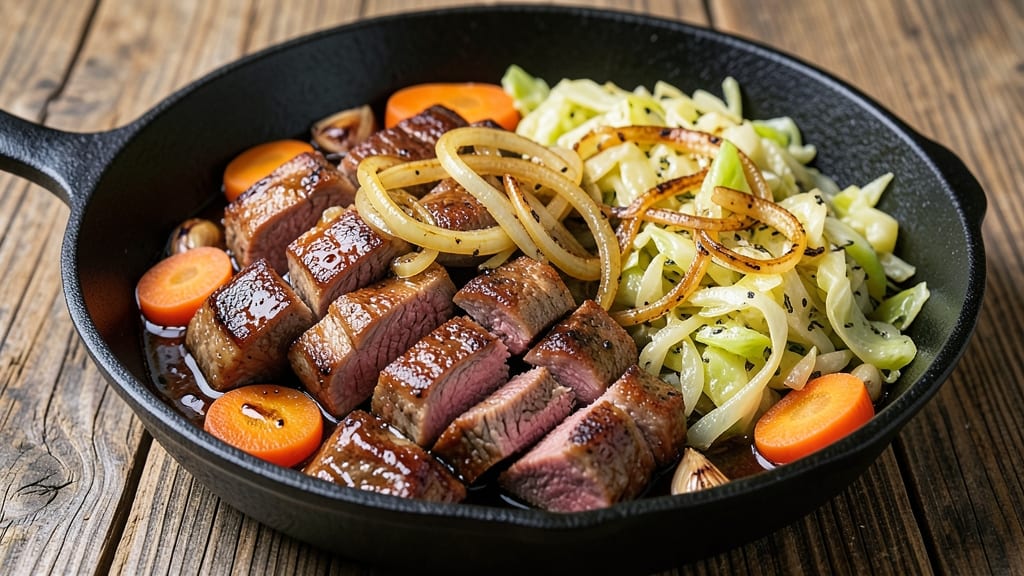
This beef sauerkraut recipe transforms humble ingredients into a hearty stew that balances rich beef with tangy, crunchy sauerkraut—perfect for chilly evenings when comfort food is in demand.
The secret lies in slow-braising the beef until fork-tender while preserving the sauerkraut's signature sharpness and texture, creating a dish that's both rustic and refined. I've perfected this technique over years of testing, ensuring the flavors meld without losing their individual character.
What sets this recipe apart is its ability to deliver restaurant-quality results with minimal effort—just 30 minutes of active prep followed by hands-off braising. The beef develops deep, caramelized flavors from the slow cooking, while the sauerkraut adds a bright acidity that cuts through the richness.
This isn't just a stew; it's a complete meal with bold flavors that satisfy even the most discerning palates.
By the time you serve this dish, you'll have perfectly tender beef chunks swimming in a rich, slightly thickened broth, all topped with sauerkraut that retains its satisfying crunch.
The aroma alone will draw everyone to the table, and the first bite delivers a harmonious balance of savory, tangy, and slightly sweet notes. Pair it with crusty bread or buttered noodles to soak up every last drop of that flavorful sauce.
This recipe works equally well as a weeknight dinner or a centerpiece for holiday gatherings—just scale the ingredients accordingly. The leftovers reheat beautifully, making it an ideal make-ahead option for busy schedules. Let's get cooking and create a stew that feels like a warm hug in a bowl.
Ingredients for beef sauerkraut
Sixteen ingredients crafting a rustic yet refined beef sauerkraut stew with perfect balance.
| Ingredient | Amount | Notes |
|---|---|---|
| Chuck Roast 🥩 | 2 lb | Cut into 1.5-inch cubes for even cooking |
| Sauerkraut 🥬 | 2 cups | Drained, rinsed if too acidic |
| Yellow Onion 🧅 | 1 whole | Chopped into 0.5-inch dice |
| Carrots | 4 medium | Peeled, cut into 0.5-inch chunks |
| Carrots 🥕 | 4 pieces | Peeled, cut into 0.5-inch chunks |
| Garlic Cloves 🧄 | 4 cloves | Minced for aromatic depth |
| Beef Broth 💧 | 2 cups | Low-sodium preferred for balance |
| Apple Cider Vinegar 🍎 | 2 tbsp | Enhances sauerkraut tanginess |
| Apples | 1 medium | Peeled, cored, diced for sweetness |
| Apples 🍎 | 1 whole | Peeled, cored, diced for sweetness |
| Bay Leaves 🍃 | 2 whole | Fresh for optimal flavor |
| Black Peppercorns 🌶️ | 1 tsp | Freshly cracked for intensity |
| Thyme Sprigs 🌿 | 2 whole | Fresh thyme preferred |
| Olive Oil 🫒 | 2 tbsp | Extra-virgin for richness |
| All-Purpose Flour 🌾 | 1 tbsp | For thickening the sauce |
| Salt 🧂 | 1 ½ tsp | Diamond Crystal kosher preferred |
The chuck roast forms the stew's heart—its marbled fat renders during braising, creating a rich sauce. Look for well-marbled cuts at specialty butchers or premium grocery sections like Whole Foods or Costco. Fresh sauerkraut is ideal, but quality jarred brands like Bubbies work well. The apples should be tart varieties like Granny Smith to complement the sauerkraut's acidity without overwhelming. For optimal flavor, use organic apples when possible to avoid wax coatings that can interfere with browning.
No chuck roast? Beef short ribs or chuck steak work as substitutes, though cooking times may vary. Substitute apple cider vinegar with white wine vinegar at equal measure, though the flavor profile will differ slightly. Fresh thyme unavailable? Dried thyme at one-third the amount suffices, but fresh provides superior aroma. The carrots can be swapped for parsnips or celery root for variation. For a deeper umami profile, add 1 tbsp soy sauce to the braising liquid. Prefer less acidity? Reduce the apple cider vinegar to 1 tbsp and add 1 tbsp honey or maple syrup instead.
This stew develops richer flavors with time—braise for 3-4 hours for optimal tenderness. Store leftovers in airtight containers in the refrigerator for up to 5 days, though the flavors continue developing. For longer storage, freeze portions for up to 3 months. Reheat gently on the stove with a splash of broth to maintain moisture. The sauce thickens as it cools, so adding a splash of water when reheating ensures proper consistency.
Why You'll Love This Recipe
- One-Pot Magic: I swear by this recipe because it’s literally one pan—no chopping boards, no extra dishes. Toss in the chuck roast, sauerkraut, onions, and carrots, let it simmer, and boom. Done. (My lazy Sundays thank me.)
- Leftovers That Win: This dish begs for seconds—and thirds. The flavors only deepen overnight, so I make it on Sundays and eat it all week. (Yes, even on a Tuesday night, because priorities.)
- Budget Beef Powerhouse: Chuck roast is cheap, sauerkraut lasts forever, and you’re using basic veggies. Feed four people for the price of takeout, and you’ll still have leftovers. My wallet and my family both approve.
Step-by-step instructions for braised beef sauerkraut stew
This method delivers tender beef with perfectly balanced tangy-sweet flavors and crisp vegetables every time.
Prepare the Chuck Roast and Vegetables
Cut the 2 lb chuck roast into 1.5-inch cubes using a sharp chef's knife. This size ensures even cooking and maximum tenderness. Pat the cubes dry with paper towels—this step is crucial for developing that beautiful browned crust later.
In a large mixing bowl, combine the 2 cups sauerkraut (drained and rinsed if overly acidic), 1 whole yellow onion chopped into 0.5-inch dice, 4 medium carrots and 4 pieces carrots (peeled and cut into 0.5-inch chunks), 1 medium apple and 1 whole apple (peeled, cored, and diced), 4 cloves garlic (minced), 2 whole bay leaves, and 2 whole thyme sprigs. Toss gently to distribute all ingredients evenly. This preparation ensures every bite will have balanced flavors and textures.
Sear the Beef for Depth of Flavor
Heat 2 tablespoons olive oil in a large Dutch oven over medium-high heat until shimmering. Working in batches if needed, add the chuck roast cubes and sear for 2-3 minutes per side until deeply browned. This caramelization builds the foundation of the stew's rich flavor profile.
Remove the seared beef and set aside. In the same Dutch oven, reduce heat to medium and add the prepared vegetable mixture. Cook for 5 minutes, stirring occasionally, until the onions become translucent and the carrots begin to soften slightly. This step develops their natural sweetness and removes any raw taste from the vegetables.
Build the Braising Liquid
Return the browned beef to the Dutch oven. Sprinkle with 1.5 teaspoons salt and 1 teaspoon freshly cracked black peppercorns, then stir to coat evenly. Add 2 tablespoons apple cider vinegar and scrape up any browned bits from the bottom of the pot—these contain concentrated flavor.
Pour in the 2 cups beef broth, ensuring all ingredients are submerged. Bring the mixture to a gentle simmer, then reduce heat to low. Cover with a tight-fitting lid and transfer to a preheated 325°F oven. This low-and-slow approach ensures the beef becomes fork-tender while maintaining its moisture and flavor.
Braise Until Perfectly Tender
Braise for 2.5 to 3 hours, until the beef is fork-tender and easily pulls apart. The vegetables should be soft but still hold their shape. Check periodically and add 2-4 tablespoons water if the liquid reduces too much—you want enough liquid to keep everything moist but not so much that it dilutes the flavors.
About 30 minutes before the stew is done, remove the bay leaves and thyme sprigs. Stir in 1 tablespoon all-purpose flour and cook uncovered for 10 minutes to thicken the sauce slightly. This step creates a more cohesive texture without making the stew gluey. Taste and adjust seasoning if needed, adding a pinch more salt or pepper as necessary.
Serve with Crisp Vegetables
Ladle the stew into serving bowls, ensuring each portion includes tender beef, sauerkraut, and vegetables. The stew should have a rich, tangy-sweet sauce that coats every bite. Serve immediately with crusty bread to soak up the delicious juices.
This braised beef sauerkraut stew delivers hearty, comforting flavors with just the right balance of tangy, sweet, and savory notes. The slow cooking process transforms tough chuck roast into melt-in-your-mouth tenderness, making it perfect for chilly evenings or family gatherings.
Pro Tips For Making Beef Sauerkraut
- Sear the Chuck First: Hit that roast with a screaming-hot pan—no rushing—until it’s deep brown in spots. I learned this the hard way: skipping the sear means bland, gray beef that fights the sauerkraut’s tang instead of marrying it.
- Rinse, Don’t Drain: Dump the sauerkraut into a colander and rinse it briefly under cold water—just enough to mellow the harshest acid. Draining it dry kills the flavor; leaving it soggy makes the dish taste like a science experiment gone wrong.
- Carrots First, Onions Last: Toss the chopped carrots in first when you’re sautéing the veggies—they’re tougher and need the extra time to soften. Add the onions later so they caramelize instead of turning to mush.
- Deglaze Aggressively: After the beef browns, don’t just splash in liquid—scrape every last bit of stuck-on fond from the pan with a wooden spoon. That stuff is pure flavor, and ignoring it is like skipping the best part of a movie.
Creative variations of this recipe
German-Inspired Sauerkraut Twist
For a true German Kasseler influence, swap the chuck roast for ½ lb smoked pork shoulder (like Oscar Mayer or Hormel brands) and add 1 tbsp caraway seeds to the braising liquid.
The smokiness pairs beautifully with sauerkraut's tang, while caraway adds an earthy depth. Serve with buttered potato dumplings for an authentic feel. 🌍
Spicy Cajun Kick
Transform this stew into a Louisiana-inspired dish by adding 1 tbsp Cajun seasoning (like Tony Chachere's) to the beef while searing, plus 1 tsp smoked paprika to the braising liquid.
Stir in ½ cup diced bell peppers with the vegetables. Garnish with green onions and a squeeze of lemon for brightness. 🌶️
Mushroom & Thyme Upgrade
Elevate the dish by adding 1 lb cremini mushrooms (sliced) with the onions. Boost the thyme to 3 sprigs and add 1 tsp dried marjoram for herbal complexity.
The mushrooms absorb the rich sauce while adding umami depth. This version feels more restaurant-worthy but keeps the same hands-off braising method. 🍄
Sweet Potato Swap
Replace half the carrots with 1 cup diced sweet potato for natural sweetness that complements the sauerkraut. Add ½ tsp cinnamon to the braising liquid for warmth. The sweet potatoes soften during braising, creating a velvety texture that contrasts with the sauerkraut's crunch. Perfect for fall gatherings! 🍠
Creamy Mustard Finish
For a tangy-sweet contrast, stir in 2 tbsp Dijon mustard with the flour at the end of cooking. The mustard brightens the flavors while adding subtle heat.
Garnish with chopped parsley and a drizzle of crème fraîche for a luxurious touch. This variation works especially well with crusty baguette slices. 🧈
Slow-Cooker Adaptation
For a set-it-and-forget-it version, follow the same steps but transfer everything to a 6-quart slow cooker after searing. Cook on low for 8 hours or high for 5 hours. The slow cooker's gentle heat enhances the beef's tenderness while keeping the sauerkraut's texture intact. Ideal for busy weeknights! ⏳
Nutrition facts
Frequently asked questions
Why does my sauerkraut taste too sharp in the stew?
Sauerkraut's acidity can overpower when not balanced properly. Rinse it thoroughly before adding to reduce sharpness, then toss with 1 tablespoon apple cider vinegar and let sit for 10 minutes before cooking. For extra balance, add ½ cup diced apples or 1 teaspoon honey during braising to mellow the tang.
Can I make this recipe without a Dutch oven?
Use a heavy pot with a tight-fitting lid, like a 6-quart stockpot. For best results, sear the beef in a skillet first, then transfer everything to the pot for braising. If your pot isn't deep enough, cover with foil sealed tightly with water to create a steam lock. The key is maintaining moisture and low heat.
How do I keep the sauerkraut crunchy instead of mushy?
Add the sauerkraut in the last 30 minutes of cooking to preserve its texture. For extra crunch, stir in 1 cup fresh sauerkraut just before serving. Avoid overcrowding the pot—cook in batches if needed—and resist the urge to stir frequently, which breaks down the cabbage's structure.
What's the best way to reheat leftovers without drying them out?
Reheat gently on the stove over low heat with 2-3 tablespoons beef broth or water. Cover and simmer for 10-15 minutes, stirring occasionally. For microwave reheating, cover with a damp paper towel and heat in 30-second intervals until warmed through. Never reheat to boiling—this toughens the beef and evaporates the sauce.
Can I substitute regular cabbage for sauerkraut?
Yes, but the flavor will be milder. Use 2 cups shredded green cabbage and add 1 tablespoon apple cider vinegar plus ½ teaspoon caraway seeds (optional) to mimic sauerkraut's tang. For texture, add cabbage in the last 20 minutes of cooking. Fermented flavors are irreplaceable, but this works in a pinch!