
Main Courses
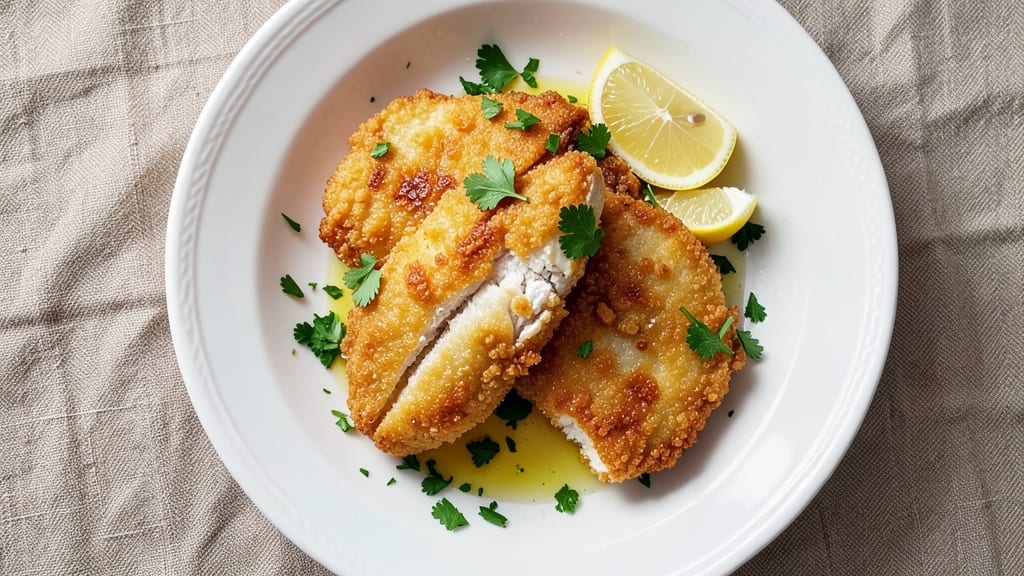
Creating a battered fried fish recipe with a crunchy gold crust and flaky white fish inside is all about mastering the perfect balance between texture and technique—something I perfected after years of trial and error in my kitchen.
The secret lies in a light, airy batter that clings perfectly while frying at the right temperature to ensure the fish stays tender beneath that irresistible crunch. This method works equally well with classic beer batters or modern gluten-free adaptations, giving you versatility without sacrificing flavor.
The foundation of a great batter starts with the right ratio of flour to liquid—too thick, and you lose crispiness; too thin, and it won’t hold.
I use a mix of all-purpose flour, a touch of cornstarch for extra crunch, and a leavening agent like baking powder or beer for that signature lightness. The fish itself should be patted dry and seasoned before dredging, ensuring every bite delivers both texture and flavor harmony.
Frying at 350°F in peanut or vegetable oil keeps the crust golden while maintaining the fish’s delicate interior.
What you’ll achieve is a dish that’s crispy on the outside, tender on the inside, and impossible to resist—each piece glistening with golden batter that shatters at the first bite. The aroma alone will have everyone gathering around the table, and the contrast of textures makes every forkful a standout.
Serve with classic sides like tartar sauce, lemon wedges, or a simple green salad to complete the meal. Whether you’re frying cod, haddock, or tilapia, this method guarantees restaurant-quality results at home.
For those looking to adapt, a gluten-free flour blend or air-fryer method (using a light coating of oil spray) can deliver similar results with fewer calories. The key is patience—don’t rush the frying process, and always keep the oil at the right temperature.
Once you master this technique, you’ll never buy frozen fish sticks again. Let’s get started on creating your perfect batch!
Ingredients for battered fried fish
Four ingredients make the batter, three more bring the magic to your table.
| Ingredient | Amount | Notes |
|---|---|---|
| White Fish Fillets 🐟 | 1 ½ lb | Cod, haddock, or tilapia preferred |
| All-Purpose Flour 🌾 | 1 ½ cups | For light, crispy batter |
| Cornstarch 🌾 | ¼ cup | Extra crunch factor |
| Baking Powder 🧂 | 1 tbsp | Lightens the batter |
| Salt 🧂 | 1 ½ tsp | Kosher or sea salt |
| Black Pepper 🌶️ | ½ tsp | Freshly ground preferred |
| Paprika 🌶️ | ½ tsp | Smoked or sweet variety |
| Light Beer 🍺 | 1 cup | Lager or pale ale works best |
| Vegetable Oil 🫒 | 3 cups | For deep frying (350°F) |
| Lemon Wedges 🍋 | 4 whole | For serving |
| Tartar Sauce 🥣 | ½ cup | Store-bought or homemade |
| Ice Cold Water 💧 | ½ cup | For thinning batter |
The fish matters most here—freshness is non-negotiable. Grab cod or haddock from Whole Foods or your local seafood counter (look for bright, translucent fillets with no fishy smell). Trader Joe's often has pre-portioned fillets that save time. If using frozen, thaw overnight in the fridge, wrapped in paper towels to dry. The batter won't stick to dry fish, so pat those fillets thoroughly with paper towels before dredging. For extra flakiness, pound thicker fillets gently with a rolling pin—just 3-4 times is enough. The cornstarch is key for that signature crunch, so don't skip it (even if you're using gluten-free flour later).
No beer? Sparkling water with a splash of lemon juice works in a pinch, though the flavor won't be quite the same. Running short on cornstarch? Arrowroot powder at the same amount gives similar texture. For a gluten-free version, swap the all-purpose flour for a 1:1 gluten-free blend like Bob's Red Mill (just add an extra 0.5 tsp xanthan gum if your blend doesn't include it). The paprika adds color—smoked gives a deeper hue, while sweet keeps it classic. Pro tip: Keep your beer ice cold when mixing the batter, or it'll get too thin too fast. And if you're feeling fancy, add a pinch of cayenne to the batter for a subtle kick.
This batter is best made fresh, but you can prep it 1 hour ahead if you cover it tightly and refrigerate. The fish itself? Keep it covered on a plate in the fridge until ready to fry. Fry in batches—don't overcrowd the pan, or the oil temp will drop and your crust will turn greasy instead of golden. Use a candy thermometer to monitor that 350°F temp like a hawk. Once fried, keep the finished fish warm in a 200°F oven while you work through the batch. The batter stays crispy for about 15 minutes after frying, so serve immediately with lemon wedges—squeeze them over each piece right before eating for maximum brightness.
Why You'll Love This Recipe
- Crispy in Minutes: I swear, the cornstarch and baking powder combo gives you that perfect golden crust in just 5 minutes of frying. No waiting for breading to soak—just pat the fillets dry, dip, and cook.
- No-Fuss Flavor Bomb: Honestly, the salt in the batter isn’t just seasoning—it’s the secret to that addictive crunch and savory punch. The flour and cornstarch mix makes it taste like a diner classic without the fuss.
- Lunchbox Hero: Between us, this is my go-to for packing lunches. Fry a big batch, let it cool, and it stays crispy for days—perfect for sandwiches, salads, or even a quick fried fish wrap.
- Budget-Friendly Feast: White fish is cheap, and this recipe stretches it far. A single fillet costs pennies, and the flour mix is already in my pantry. Leftovers? Reheat in the oven for crispy seconds.
Step-by-step instructions for crispy gold crust fried fish
Here's how to create that perfect balance of flaky fish and ultra-crispy batter every time.
Prepare the Batter for Maximum Crunch
In a large bowl, whisk together the 1.5 cups all-purpose flour, 0.25 cup cornstarch, 1 tablespoon baking powder, 1.5 teaspoons salt, 0.5 teaspoon black pepper, and 0.5 teaspoon paprika. The cornstarch is what creates that extra crunch you're after, so don't skip it. Whisk everything until there are no lumps remaining - you want a smooth, fine powder texture.
Next, pour in the 1 cup light beer and 0.5 cup ice cold water. The beer adds subtle flavor while keeping the batter light, and the ice cold water prevents the batter from cooking before it hits the hot oil. Whisk vigorously for about 2 minutes until you have a smooth, slightly thick batter that coats the back of a spoon. It should be thin enough to drip slowly when you lift the whisk, but not so thin it runs like water.
Prep the Fish for Perfect Crispiness
Pat the 1.5 pounds white fish fillets completely dry with paper towels - this is absolutely critical for getting that crispy crust. Any moisture left on the fish will create steam when it hits the hot oil, making the batter soggy instead of crispy. I like to work with cod or haddock for this recipe as they stay particularly flaky when cooked properly.
Cut each fillet into 4 equal portions if they're large, so you have 4 even-sized pieces that will cook uniformly. The fish should be about ½-inch thick - if yours are thicker, gently pound them with a meat mallet to ensure even cooking. Season the fish lightly with a pinch of salt and pepper on both sides, but don't overdo it as the batter already contains plenty of seasoning.
Heat the Oil to the Perfect Temperature
Fill a deep fryer or heavy pot with 3 cups vegetable oil and heat it to 350°F. This is your target temperature - use a deep-fry thermometer to monitor it carefully. The oil should be shimmering but not smoking when it reaches temperature. If you don't have a thermometer, test with a small piece of bread - it should sizzle and turn golden in about 30 seconds.
Here's a pro tip: keep the oil at 350°F throughout cooking. If it gets too hot, the outside will burn before the inside cooks through. If it's too cool, you'll get greasy fish instead of crispy. Maintaining this exact temperature is what gives you that perfect golden crust and flaky interior.
Fry the Fish in Batches for Even Cooking
Working in batches to avoid overcrowding, dip each fish portion into the batter, letting any excess drip off before gently placing it into the hot oil. The batter should cling to the fish without being too thick. Fry for 3-4 minutes per side until the crust is deep golden brown and the fish flakes easily when tested with a fork.
Don't flip too soon - you'll know it's ready when the crust releases easily from the fish and the underlying fish appears opaque. The fish should reach an internal temperature of 145°F when done. Transfer the fried fish to a wire rack or paper towel-lined plate to drain excess oil. Keep the oil at 350°F for the next batch while you work.
Serve Immediately with Classic Accompaniments
Serve the crispy fried fish immediately with the 4 whole lemon wedges and 0.5 cup tartar sauce. The lemon cuts through the richness of the fried fish while adding a bright contrast, and the tartar sauce provides that perfect creamy, tangy complement. Each piece should have a golden, crackly crust that gives way to flaky, moist fish inside.
This dish is best enjoyed right away while the crust is at its crispiest. If you need to hold it for a few minutes, tent loosely with foil to keep it warm. The contrast of temperatures - the hot, crispy exterior with the cool, creamy sauce - makes every bite unforgettable. Enjoy immediately for that restaurant-quality experience at home!
Pro Tips For Making Battered Fried Fish
- Pat Dry First: I learned this the hard way—wet fish absorbs batter like a sponge and turns to mush. Grab paper towels and press firmly for 30 seconds on both sides. The extra effort guarantees a crisp crust instead of a soggy mess.
- Mix Cold Water: Room-temperature water makes a gummy batter. Use ice water (yes, even in summer) and stir just until combined—lumps are fine. The cold shock keeps the flour from over-developing, so your coating stays light and crispy.
- Skip the Overcrowding: Three pieces in the oil at once? That’s how you get greasy, unevenly cooked fish. Work in batches—your pan’s temperature drops when you add too much, and suddenly you’re frying in lukewarm oil. Patience here makes all the difference.
- Test the Oil: A wooden chopstick dropped in should sizzle immediately with small bubbles. If it bubbles lazily or floats, your oil’s too cool—heat it up another 20 seconds. Too hot? The batter burns before the fish cooks through. Find that middle ground, and your crust will be golden, not black.
Serving suggestions for this dish
Classic Tartar Sauce
My go-to tartar sauce uses ½ cup mayonnaise, 1 tbsp Dijon mustard, 1 tbsp lemon juice, 1 tbsp finely chopped capers, 1 tbsp chopped fresh dill, 1 tbsp chopped red onion, and a pinch of celery salt.
Mix everything in a bowl and chill for 30 minutes before serving to let flavors meld. The capers add briny depth while the dill brightens the creamy base. 🥣
Zesty Lemon Aioli
For a lighter option, whip ½ cup aioli (store-bought or homemade) with 1 tbsp lemon zest and 2 tbsp fresh lemon juice. Thin with 1 tsp water if needed, then drizzle over the fried fish tableside.
The citrus cuts through the richness beautifully while adding a vibrant pop of color. I like to serve this in a small bowl with a squeeze bottle for easy drizzling. 🍋
Crispy Slaw Contrast
Shred 2 cups green cabbage and 1 cup carrots finely, then toss with ¼ cup mayonnaise, 2 tbsp apple cider vinegar, 1 tbsp honey, 1 tsp celery seeds, and 1 tbsp chopped parsley.
The crunchy texture and tangy dressing provide perfect contrast to the crispy fish. Serve chilled alongside the fried pieces. 🥬
Spicy Remoulade
For heat lovers, blend ½ cup mayonnaise, 1 tbsp hot sauce (like Crystal or Tabasco), 1 tbsp Worcestershire sauce, 1 tsp smoked paprika, 1 tbsp chopped pickles, and 1 tbsp chopped jalapeños.
The smoky-spicy kick elevates the fried fish to new heights. Serve with extra lemon wedges to balance the heat. 🌶️
Warm Potato Wedges
Cut 2 large russet potatoes into wedges, toss with 2 tbsp olive oil, 1 tsp garlic powder, 1 tsp paprika, and ½ tsp salt.
Bake at 425°F for 25-30 minutes until crispy. The warm, salty wedges soak up any extra tartar sauce beautifully while complementing the fried fish's richness. 🥔
Fresh Herb Garnishes
Finish each plate with a sprinkle of chopped fresh parsley or dill for vibrant color and freshness. The herbs add a bright, clean note that cuts through the fried richness. For extra flair, add a few edible flowers like nasturtiums—they're peppery and add a stunning visual touch. ✨
Nutrition facts
Frequently asked questions about crispy fried fish
Can I use any type of fish for this recipe?
White fish like cod, haddock, or tilapia work best because they stay flaky when cooked. Avoid fatty fish like salmon or mackerel—they can make the batter greasy. For thicker fillets, pound them gently to ½-inch thickness for even cooking.
What if I don’t have beer for the batter?
No problem! Substitute with 1 cup ice-cold sparkling water or ½ cup milk + ½ cup water. For extra flavor, add 1 teaspoon lemon juice or ½ teaspoon vinegar. The key is keeping the liquid cold to maintain a crispy crust.
Why did my batter turn out too thick or too thin?
Too thick? Add 1-2 tablespoons ice water to loosen it. Too thin? Stir in 1 tablespoon flour at a time until it clings to the whisk. Always whisk vigorously for 2 minutes—this incorporates air for a lighter texture. The batter should drip slowly, not pool.
How do I keep the fish from getting soggy?
Pat the fish bone-dry with paper towels before dredging—moisture is the enemy of crispiness. Fry in batches to avoid crowding the pan, and keep the oil at a steady 350°F. Serve immediately on a wire rack (not paper towels) to drain excess oil while staying crisp.
Can I make this gluten-free or air-fryer friendly?
For gluten-free, replace flour with a 1:1 gluten-free blend (add ½ teaspoon xanthan gum if needed). For air-frying, lightly coat the fish in batter, then spray with oil and air-fry at 400°F for 8-10 minutes, flipping halfway. The texture won’t be as crispy, but it’s a lighter option.