
Main Courses
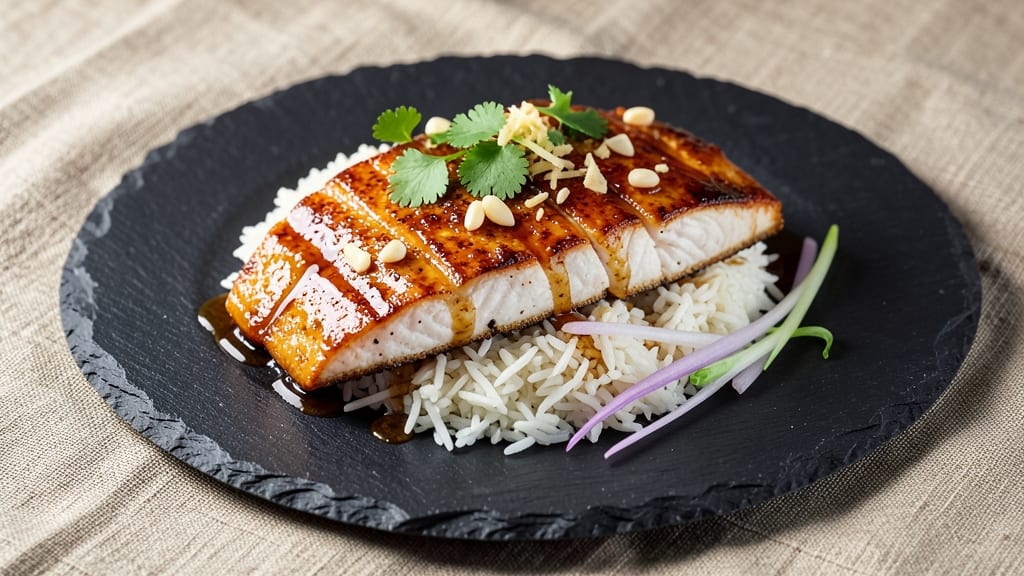
This baked teriyaki fish recipe delivers restaurant-quality results with just a few simple ingredients and a foolproof technique. The secret lies in marinating the fish for maximum flavor absorption before baking, creating a caramelized crust that balances sweet and savory notes perfectly.
I've perfected this method over countless test batches, ensuring tender fish with a glossy, sticky glaze every time.
The process starts with homemade teriyaki sauce—sweet, tangy, and packed with umami from soy sauce, honey, and garlic. This sauce doubles as both marinade and glaze, infusing the fish while creating that signature caramelized crust during baking.
The recipe works beautifully with firm white fish like cod or snapper, but salmon adds rich depth that pairs wonderfully with the teriyaki flavors.
By the time you pull this dish from the oven, you'll have perfectly cooked fish with a glossy, slightly crispy crust that clings to every bite. The sauce caramelizes just enough to add complexity while maintaining balance, creating a dish that's elegant yet approachable for weeknight dinners.
Serve it over steamed jasmine rice or with roasted vegetables for a complete meal.
This recipe builds on professional techniques without requiring advanced skills—just precise timing and attention to detail. The teriyaki glaze adds visual appeal while enhancing the fish's natural sweetness, making it a dish that's as impressive to serve as it is delicious to eat.
Let's get started with this foolproof method that delivers consistent, restaurant-quality results at home.
Ingredients for baked teriyaki fish
Restaurant-quality teriyaki glaze meets tender fish fillets in this elegant yet approachable baked dish.
| Ingredient | Amount | Notes |
|---|---|---|
| Fresh White Fish Fillets 🐟 | 4 pieces | Cod, snapper, or salmon preferred |
| Extra-Virgin Olive Oil 🫒 | 2 tbsp | For marinade and crust development |
| Soy Sauce 🥄 | ½ cup | Low-sodium preferred for balance |
| Honey 🍯 | ¼ cup | Wildflower for floral depth |
| Garlic Cloves 🧄 | 4 cloves | Freshly minced for aromatic punch |
| Fresh Ginger 🌿 | 1 tbsp | Finely grated, aromatic base |
| Rice Vinegar 🍶 | 1 tbsp | For tangy brightness |
| Sesame Oil 🌰 | 1 tsp | Toasted sesame for nutty aroma |
| Diamond Crystal Kosher Salt 🧂 | 1 tsp | For seasoning and crust formation |
| Ground Black Pepper 🌶️ | ½ tsp | Freshly cracked for heat |
| Cornstarch 🌾 | 1 tbsp | For glaze thickening |
| Jasmine Rice 🍚 | 1 ½ cups | Uncooked, for serving |
| Sesame Seeds 🌰 | 1 tbsp | Toasted, for garnish |
The fish selection is critical—firm white fish like cod or snapper hold their shape during baking while absorbing flavors beautifully. Salmon adds luxurious richness if you prefer. Purchase fillets from the seafood counter (not frozen sections) for optimal texture. Look for bright, translucent flesh with minimal bruising—this indicates freshness. If using salmon, opt for wild-caught for superior flavor. The fillets should be even thickness (about 1-inch) for uniform cooking; pound thicker sections gently with a mallet if needed. Whole Foods or local fish markets often carry premium cuts, but standard grocery store seafood counters provide adequate quality for this recipe.
No soy sauce? Coconut aminos provide a comparable umami profile, though with slightly different sweetness. Substitute honey with maple syrup if needed, though the floral notes differ. Fresh ginger can be swapped for 1 tsp ground ginger, though texture will vary. Sesame oil is non-negotiable for authentic aroma—toasted sesame adds depth that regular sesame oil lacks. For the cornstarch glaze, arrowroot powder works equally well. The teriyaki sauce can be made 24 hours ahead and stored in the refrigerator; reheat gently before using to preserve texture. For a lighter version, reduce honey to 2 tbsp and add 1 tbsp mirin for brightness. Trader Joe's carries excellent pre-minced garlic and ginger if fresh isn't available.
Marinated fish keeps up to 24 hours in the refrigerator, though flavor absorption peaks at 4-6 hours. Store in a sealed container with sauce covering the fillets completely. The teriyaki sauce itself remains fresh for 1 week refrigerated or 3 months frozen. For make-ahead convenience, assemble the dish on a parchment-lined baking sheet, cover with foil, and refrigerate. Bake directly from cold (add 10 minutes to cooking time) for foolproof results. Leftover fish reheats beautifully—wrap tightly in foil and bake at 350°F for 5-7 minutes until warmed through. The jasmine rice should be steamed separately and served alongside for optimal texture contrast.
Why You'll Love This Recipe
- Foolproof Glaze: The honey-soy mix caramelizes into something sticky-sweet with just 15 minutes in the oven—no fancy techniques, just a whisk and patience. Honestly, even if you burn the edges (which I’ve done), the flavor’s so rich you’ll still eat it.
- Weeknight Hero: Throw it together while the rice cooks—no defrosting, no last-minute panic. My husband’s a "make it fancy" guy, but this? He’ll ask for it on Tuesdays.
- Leftovers That Shine: The baked fish stays tender for days, and the teriyaki sauce turns even better after chilling. I’ll pack it in lunches or toss it into a salad—no one guesses it’s yesterday’s dinner.
- Budget Bright Spot: White fish is affordable, and this recipe stretches it further than pan-searing ever could. Between us, I’ve fed four people for under $15 with this—plus, the leftovers fund my coffee habit.
Step-by-step instructions for baked teriyaki fish with glazed crust
Master this technique for restaurant-quality fish with perfect caramelization and tender texture.
Prepare the Teriyaki Glaze and Marinate the Fish
In a small saucepan, combine the 0.5 cup soy sauce, 0.25 cup honey, 1 tbsp rice vinegar, 1 tsp sesame oil, 1 tbsp finely grated fresh ginger, and 4 cloves minced garlic cloves. Bring to a gentle simmer over medium heat and reduce by half—approximately 5-7 minutes—until the mixture thickens slightly and coats the back of a spoon. This reduction concentrates the flavors and creates a glossy finish.
While the glaze simmers, pat the 4 pieces fresh white fish fillets completely dry with paper towels. This step is critical for developing a proper crust. Season both sides generously with 1 tsp diamond crystal kosher salt and 0.5 tsp freshly cracked ground black pepper. Transfer the fillets to a shallow dish and pour the reduced teriyaki glaze evenly over them, ensuring complete coverage. Let them marinate for 10-15 minutes at room temperature while you prepare the remaining elements.
Create the Crust and Assemble the Baking Setup
In a small bowl, whisk together 1 tbsp cornstarch and 1 tbsp toasted sesame seeds. This mixture will form the crispy crust on top of the fish. Lightly brush the marinated fillets with 1 tbsp extra-virgin olive oil, then sprinkle the cornstarch-sesame seed mixture evenly over each fillet, pressing gently to adhere. The oil helps the crust develop while the cornstarch creates a delicate, crispy texture.
Preheat your oven to 400°F. Line a baking sheet with parchment paper and arrange the coated fillets in a single layer, leaving about 1 inch of space between each piece. This spacing allows for even browning and prevents steaming. Place the baking sheet on the middle rack of your oven to ensure consistent heat distribution.
Bake to Perfect Doneness and Glaze
Bake the fish for 12-15 minutes, or until the edges are golden brown and the fish flakes easily when tested with a fork at the thickest point. The cornstarch crust should be crisp and slightly caramelized, while the interior remains tender. Avoid overbaking—the fish will continue cooking slightly as it rests.
During the last 2 minutes of baking, increase the oven temperature to 425°F (broil setting) to intensify the caramelization of the crust. Watch closely to prevent burning. When the fish is done, remove it from the oven and let it rest for 3-5 minutes before serving. This resting period allows the juices to redistribute, ensuring each bite is moist and flavorful.
Serve with Jasmine Rice and Garnish
Cook the 1.5 cups jasmine rice according to package instructions until tender and fluffy. The rice should be perfectly cooked—neither mushy nor underdone—to complement the rich flavors of the fish.
To serve, spoon the jasmine rice onto plates and place the baked fish fillets on top. Drizzle any remaining pan juices from the baking sheet over the fish for added flavor. Garnish each fillet with an additional sprinkle of toasted sesame seeds and a few drops of sesame oil for a final touch of aroma. The combination of the crispy crust, sweet-savory glaze, and fragrant rice creates a harmonious balance of textures and flavors.
Pro Tips For Making Baked Teriyaki Fish
- Pat the Fish Dry: Wet fish steams instead of browning—this teriyaki glaze won’t stick worth a damn if you skip this. Grab paper towels and press firmly, even if it feels tedious. The extra 30 seconds saves you from soggy, flavorless fillets that taste like they were boiled in sadness.
- Marinate the Fish, Not the Pan: I used to brush the teriyaki mix directly onto raw fish, thinking it’d caramelize better. Wrong. Toss the fillets in half the sauce first, let them sit 10 minutes—this keeps them moist while the glaze builds flavor. Save the rest for basting later.
- Bake at 375°, Not 400°: High heat turns teriyaki into a sticky mess that burns before the fish cooks. 375° gives you a slow, even glaze that clings without scorching—like a golden blanket, not a charred disaster. Use a thermometer if you’re skeptical; 145° internal is your target.
- Add Cornstarch to the Glaze: Honey and soy sauce love to pool. Mix 1 teaspoon cornstarch into your teriyaki before brushing—it thickens the sauce just enough to stay put, so you’re not mopping up drips every 5 minutes. (Yes, even if you’re impatient like me.)
Essential equipment for perfect results
Oven Essentials
Your oven is the heart of this recipe, so I recommend using a high-quality baking sheet like the Nordic Ware Natural Aluminum Half-Sheet Pan—it distributes heat evenly and prevents hot spots.
Preheat your oven to 400°F for consistent results, then switch to 425°F for the final 2 minutes to caramelize the crust. A digital oven thermometer (like the Thermoworks Oven Thermometer) ensures accuracy, as home ovens can vary by 25°F or more. 🌡️
Crust Creation Tools
The crispy cornstarch-sesame crust requires precise application. Use a fine-mesh sieve (like the OXO Good Grips) to evenly distribute the cornstarch-sesame mixture over the fish. A silicon pastry brush (such as OXO Good Grips) helps apply the olive oil evenly before adding the crust.
For extra crispiness, I like to press the mixture gently with the back of a spoon to ensure full adhesion. 🍳
Marination Station
A shallow glass dish (like a Pyrex baking dish) works best for marinating the fish—it allows the sauce to coat the fillets evenly. Use paper towels to pat the fish completely dry before seasoning; I recommend Bounty for its ultra-absorbent texture.
A small saucepan with sloped sides (like All-Clad Stainless Steel) makes reducing the teriyaki glaze easier, as it prevents spills during the simmering process. 🥄
Garnish & Serve
For professional plating, use tweezers (like KitchenCraft Stainless Steel) to place toasted sesame seeds precisely on the fish. A small squeeze bottle (such as OXO Good Grips) makes drizzling sesame oil effortless.
For serving, I prefer rectangular ceramic plates (like Le Creuset) to showcase the dish elegantly. A rice steamer (such as Bamboo Rice Steamer) ensures perfectly fluffy jasmine rice every time. ✨
Budget-Friendly Swaps
No fancy tools? No problem. Use a spoon instead of a pastry brush for oil application, and a fork to press the crust mixture. A stainless steel skillet works fine for reducing the glaze if you don’t have a saucepan.
For rice, a heavy-bottomed pot with a tight-fitting lid suffices. The key is attention to detail—even basic tools can deliver restaurant-quality results with the right technique. 💡
Nutrition facts
Frequently asked questions
What's the best fish for this baked teriyaki recipe?
Firm white fish like cod, snapper, or halibut work best—they hold their shape during baking. For richer flavor, try wild-caught salmon. Avoid delicate fish like flounder, which can break apart when baked. Look for fillets with bright, translucent flesh and minimal bruising for optimal texture.
Can I use store-bought teriyaki sauce instead of making my own?
Yes, but homemade sauce delivers deeper flavor. If using store-bought, choose a low-sodium version and reduce it by half (simmer 5 minutes) to concentrate the flavors. Add 1 tsp sesame oil and 1 tsp grated ginger to mimic the homemade version's complexity.
Why did my crust turn out soggy instead of crispy?
Soggy crusts usually happen from excess moisture or underbaking. Pat fish fillets completely dry before seasoning, and ensure the cornstarch-sesame mixture adheres evenly. Bake at 400°F for 12-15 minutes—don't skip the final 2 minutes at 425°F for caramelization.
How do I adjust this recipe for air fryer cooking?
Preheat air fryer to 375°F and cook fish for 8-10 minutes (flip halfway). Skip the broiling step—air fryers caramelize naturally. Reduce teriyaki sauce by 10 minutes (until syrupy) and brush it on fish before air frying. Serve with steamed rice to balance the crispy texture.
What sides pair best with this dish?
Jasmine rice is ideal, but also try steamed bok choy, roasted asparagus, or miso-glazed eggplant. For a complete meal, add a simple cucumber salad with rice vinegar and sesame seeds. The light, fresh sides balance the rich teriyaki flavors beautifully.