
Sauces & Condiments
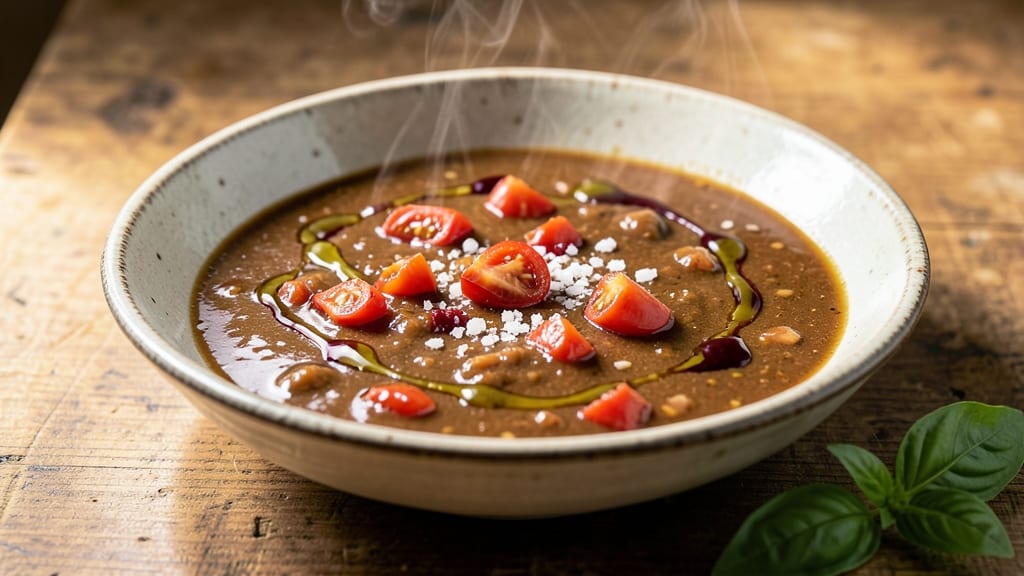
This authentic sugo recipe captures the deep, velvety richness of traditional Italian tomato sauce—simmered slowly with pantry staples to create a sauce that transforms simple pasta into a restaurant-worthy meal. The secret lies in balancing acidity and sweetness, letting flavors develop over time rather than rushing through a quick cook.
I’ve perfected this version after years of testing, ensuring every spoonful delivers that unmistakable Italian comfort.
The beauty of sugo is its versatility—it starts with humble ingredients like canned tomatoes, onions, and garlic but evolves into something complex through careful simmering.
A splash of red wine and a pinch of dried herbs (oregano, basil) elevate it beyond basic marinara, while a touch of sugar balances the acidity. The result? A sauce that’s rich, slightly sweet, and deeply aromatic, perfect for tossing with al dente pasta or slathering over grilled meats.
What makes this recipe truly authentic is the technique: low-and-slow simmering allows the flavors to meld, creating a sauce that’s smooth yet textured, with just the right consistency to cling to every strand of pasta.
Unlike quick sauces, sugo develops depth over time, making it ideal for meal prep—it tastes even better the next day as the flavors continue to unfold. Store it in the fridge for up to five days or freeze for months.
Serve this sugo over tagliatelle or pappardelle for a classic Italian experience, or drizzle it generously over polenta or grilled chicken for a hearty meal. The possibilities are endless, but the foundation—this simple, authentic sauce—remains the same. Let’s get started!
Ingredients for authentic sugo
Pantry staples transformed into restaurant-quality richness through slow simmering technique.
| Ingredient | Amount | Notes |
|---|---|---|
| San Marzano Whole Canned Tomatoes 🍅 | 28 oz | Crushed by hand for texture |
| Yellow Onion 🧅 | 1 whole | Finely diced, not minced |
| Garlic Cloves 🧄 | 4 cloves | Peeled, thinly sliced |
| Dry Red Wine 🍷 | ½ cup | Bold variety like Chianti |
| Extra-Virgin Olive Oil 🫒 | ¼ cup | High-quality, fruity |
| Granulated Sugar 🍚 | 1 tbsp | Balances acidity |
| Dried Oregano 🌿 | 1 tsp | Italian variety preferred |
| Dried Basil 🌿 | 1 tsp | Or 1 tbsp fresh |
| Diamond Crystal Kosher Salt 🧂 | 1 tsp | Adjust to taste |
| Freshly Ground Black Pepper 🌶️ | ½ tsp | For finishing |
The tomatoes anchor this sauce, so San Marzano is non-negotiable—their natural sweetness and low acidity create the perfect base. Whole canned tomatoes yield better texture than crushed, and crushing them by hand releases more flavor than store-bought versions. For the wine, Chianti or Sangiovese add depth, but any dry red works. The olive oil should be fruity and peppery—avoid the cheap supermarket kind. If you're using fresh basil, double the amount and add it at the very end to preserve its aroma.
No red wine? Substitute with 0.5 cup beef or vegetable broth plus 1 tbsp balsamic vinegar for complexity. Short on dried oregano? Thyme works at the same ratio, but it lacks that distinct Italian profile. For sugar, honey or maple syrup can replace it one-to-one, though sugar dissolves more cleanly. The onions should be sweated until translucent—this removes their sharpness and builds flavor. If you're making a large batch, double the garlic for deeper aroma, but don’t exceed 6 cloves or it’ll overpower.
This sauce improves with time—reheat gently on the stove with a splash of water or wine to restore consistency. Store in glass jars in the fridge for up to 5 days, or freeze for 6 months in airtight containers. For meal prep, freeze in portion-sized batches—thaw overnight in the fridge before reheating. The sauce thickens as it cools, so add a splash of water or broth if it becomes too stiff after refrigeration.
Why You'll Love This Recipe
- Pantry Magic: I swear by the San Marzano tomatoes—no fresh peeling or chopping, just one slash and dump. That’s it. The onions caramelize while I sip coffee, and the garlic? I brown it slow, just until it smells like heaven.
- Wine-Infused Depth: Between us, that splash of dry red wine doesn’t just cook off—it transforms. The acidity cuts through the richness, and the olive oil ties it all together with a velvety finish. It’s the kind of sauce that makes you pause mid-bite.
- Weeknight Workhorse: This is my go-to for pasta, grilled chicken, or even toasted bread. Honestly, I’ve used it in everything from lasagna to stuffed peppers. The leftovers? They’re my secret weapon for lazy mornings.
- Budget-Friendly Luxury: A single can of tomatoes and a bottle of wine stretch for weeks. I’ll be real: my grocery bill dropped when I started making this. Plus, the flavor feels fancy without the price tag—my nonna would approve.
Step-by-step instructions for authentic Italian sugo
Master this classic sauce with traditional techniques and pantry staples.
Prepare the Base with San Marzano Tomatoes
Begin by crushing the 28 oz San Marzano whole canned tomatoes by hand using your fingers or a wooden spoon inside the can. This gentle crushing preserves the tomato's natural texture and prevents the sauce from becoming overly smooth. Transfer the crushed tomatoes to a large, heavy-bottomed pot—preferably one with a tight-fitting lid.
Place the pot over medium-high heat and bring the tomatoes to a gentle simmer. As they heat, you'll notice the tomatoes release their juices and begin to break down. Let them cook undisturbed for 10-12 minutes, stirring occasionally, until the mixture reduces slightly and the raw tomato flavor begins to soften. This initial reduction is crucial for building depth in the finished sauce.
Sauté Aromatics in Extra-Virgin Olive Oil
While the tomatoes simmer, reduce the heat to medium and add the 0.25 cup extra-virgin olive oil to the pot. Once the oil is shimmering but not smoking, add the finely diced 1 whole yellow onion. Cook the onions for 5-6 minutes, stirring frequently, until they become translucent and begin to caramelize slightly at the edges.
Add the 4 cloves peeled, thinly sliced garlic cloves and cook for an additional 1-2 minutes until the garlic is fragrant but not browned. The key here is to avoid burning the garlic, as it will impart a bitter taste to the sauce. If the onions begin to stick, add a splash of water or the 0.5 cup dry red wine to deglaze the pot.
Deglaze with Red Wine and Add Herbs
Pour in the 0.5 cup dry red wine and increase the heat to medium-high to bring the mixture to a boil. Allow the wine to reduce by half, which should take about 3-4 minutes, scraping the bottom of the pot with a wooden spoon to release any browned bits—these contain concentrated flavor. This deglazing step is essential for creating a rich, layered taste in the sugo.
Once the wine has reduced, stir in the 1 tbsp granulated sugar, 1 tsp dried oregano, and 1 tsp dried basil. The sugar helps balance the acidity of the tomatoes, while the herbs infuse the sauce with authentic Italian flavor. Let the mixture simmer gently for 5 minutes, allowing the herbs to bloom and the sugar to dissolve completely.
Simmer and Season to Perfection
Return the pot to a gentle simmer and add the 1 tsp diamond crystal kosher salt. Reduce the heat to low and let the sugo cook uncovered for 45-60 minutes, stirring occasionally. The sauce should thicken gradually, coating the back of a spoon and developing a deep, rich color. If the sauce reduces too quickly, add a splash of water or reserved tomato juice to maintain consistency.
Taste the sugo and adjust the seasoning as needed. If it requires more acidity, add a pinch of diamond crystal kosher salt or a splash of dry red wine. For a finishing touch, stir in the 0.5 tsp freshly ground black pepper just before removing from heat. The sauce is ready when it reaches a velvety consistency with a balance of sweetness, acidity, and herbal notes.
Rest and Serve for Maximum Flavor
Once the sugo reaches the desired consistency, remove it from heat and let it rest for 10-15 minutes. This resting period allows the flavors to meld and the sauce to thicken further. The sugo should be glossy and coat the back of a spoon smoothly, with a deep, complex flavor profile that reflects its authentic origins.
Serve the sugo immediately over al dente pasta, such as spaghetti or pappardelle, or use it as a base for dishes like lasagna or ravioli. The sauce will continue to improve as it sits, so if you're preparing it ahead of time, reheat it gently over low heat and adjust the seasoning if necessary. This sugo embodies the heart of Italian cooking—simple ingredients transformed into something extraordinary.
Pro Tips For Making Authentic Sugo
- CRUSH THE TOMATOES: Don’t just dump whole San Marzano tomatoes into the pot—cut them in half, crush them with your hands (or a wooden spoon), and scrape in the juices. This breaks down the skins and releases flavor faster, giving you a smoother, richer base instead of a chunky, watery mess.
- SWEAT THE ONIONS LOW: Start onions in olive oil over low heat until they’re translucent and just beginning to caramelize—about 10 minutes, stirring occasionally. Rushing this step burns them, leaving a bitter aftertaste that cuts through the wine’s acidity. (Yes, even if you’re impatient like me.)
- DEGLAZE WITH WINE IMMEDIATELY: As soon as you remove the onions, pour in the red wine right away while the pan is still hot. Let it reduce by half before adding tomatoes—this concentrates the alcohol’s depth and prevents a flat, boozy finish. Skipping this step turns your sugo into a watered-down sauce.
- SALT THE TOMATO JUICE: After crushing the tomatoes, sprinkle a pinch of salt directly into the juice before adding it to the pot. This seasons the sauce at its core, not just the surface, and balances the acidity of the wine. (I learned this the hard way after making a batch that tasted dull.)
Storing and reheating your leftovers
Refrigerator Storage
Store your freshly made sugo in an airtight glass container—I prefer Ball mason jars—and let it cool completely before sealing. The sauce will thicken as it chills, so leave about ½ inch headspace to prevent overflow.
Keep it refrigerated at 40°F or below for up to 5 days, though I find it tastes even better after 24 hours as flavors meld. The texture will be thicker when cold, so stir in 1-2 tablespoons of water or reserved tomato juice before reheating if needed. 🥫
Freezer Storage
For long-term storage, portion the sugo into freezer-safe glass jars or silicone ice cube trays (perfect for single servings). Leave 1-inch headspace to account for expansion, then seal tightly. Label with the date—this sauce stays delicious for up to 6 months in the freezer.
When ready to use, thaw overnight in the fridge for even reheating. Avoid microwave thawing to prevent texture breakdown. ❄️
Reheating on Stovetop
My preferred method is stovetop reheating over low heat to preserve texture. Pour the chilled sauce into a saucepan and warm gently, stirring occasionally. If it’s too thick, add 1-2 tablespoons of water, broth, or reserved tomato juice.
Simmer for 5-10 minutes until heated through (165°F internal temp). Taste and adjust seasoning—it often needs a pinch of salt or a splash of red wine to brighten flavors. 🔥
Microwave Reheating
For quick reheating, transfer 1-2 servings to a microwave-safe bowl and cover loosely with a damp paper towel. Heat on medium power (50%) in 1-minute intervals, stirring between each, until hot (165°F).
Avoid full power to prevent splitting the sauce. If it separates, whisk in 1 teaspoon of olive oil to restore emulsification. This method works best for small batches. ⏱️
Reviving Thickened Sauce
If your sugo thickens too much after refrigeration, don’t toss it! Stir in 1-2 tablespoons of warm water, broth, or reserved tomato juice while reheating. For extra richness, add a pat of butter or a drizzle of olive oil to restore that velvety texture.
The sauce should coat the back of a spoon smoothly—this is the hallmark of a well-made sugo. 💫
Meal Prep Tips
Make a double batch of sugo for easy weeknight meals. Freeze half in portion-sized jars (like 1-cup servings) for quick pasta dinners. Thaw overnight in the fridge, then reheat as needed.
I also like to prep pasta ahead (like tagliatelle) and store separately—just toss with warmed sugo when ready. This sauce keeps well, so you’ll always have a restaurant-quality base on hand. 📅
Nutrition facts
Frequently asked questions
Can I make sugo without red wine?
Replace the 0.5 cup dry red wine with 0.5 cup beef or vegetable broth plus 1 tablespoon balsamic vinegar for depth. The acidity from the vinegar mimics wine's brightening effect, while the broth adds richness. For extra umami, add 1 teaspoon soy sauce or a pinch of Worcestershire sauce.
Why does my sugo taste too acidic?
Acidity builds during simmering, especially with tomatoes. Balance it by adding 1 teaspoon sugar or ½ teaspoon honey while cooking, or a pinch of salt to enhance sweetness. If it's still sharp, stir in 1 tablespoon tomato paste (mixed with water) to round out the flavor. Let it simmer 5 more minutes to meld.
What’s the best pasta to serve with sugo?
Traditional choices are tagliatelle or pappardelle—their wide, flat shapes hold the sauce beautifully. For a rustic touch, try bucatini or rigatoni. Avoid thin strands like spaghetti, as they can overwhelm the sauce. Pro tip: Toss pasta with a splash of pasta water to loosen the sugo.
How do I fix sugo that’s too thin?
Simmer uncovered for 10-15 extra minutes to reduce naturally. If it’s still watery, mash 1-2 tablespoons tomato paste into the sauce and cook 5 more minutes. For instant thickening, mix 1 teaspoon cornstarch with 1 tablespoon water, stir in, and simmer until glossy. Never use flour—it’ll make the sauce grainy.
Can I make sugo in a slow cooker?
Yes! Follow the same steps but transfer everything to the slow cooker after deglazing. Cook on low for 6-8 hours or high for 3-4 hours, stirring occasionally. The texture will be looser—reduce it further on the stovetop before serving. Add a splash of red wine or broth if it gets too thick.