
Side Dishes
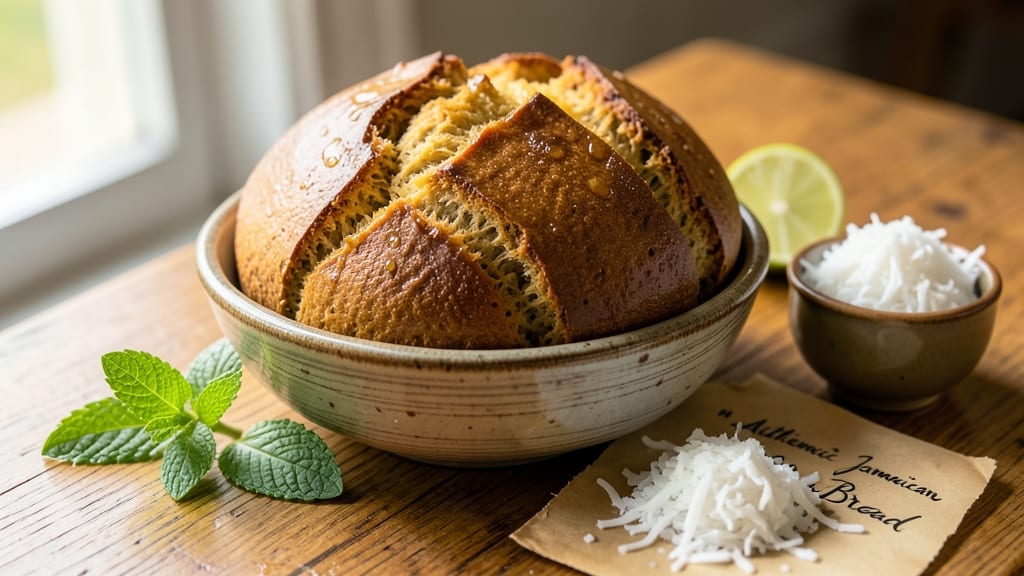
This authentic Jamaican coco bread recipe delivers the spiced rum-infused sweetness that makes it a Caribbean staple—moist, fluffy, and perfectly golden. The secret lies in properly grated coconut and a precise balance of warm spices like cinnamon and nutmeg, which create that signature Jamaican flavor.
I’ve perfected this recipe over years of baking, ensuring a no-fail rise and tender crumb that pairs beautifully with tea or coffee.
The beauty of coco bread is its simplicity—just a handful of ingredients, no yeast required, and a baking time of under an hour. The grated coconut adds texture and richness, while the rum (or rum extract) infuses the bread with depth and warmth.
This recipe stays true to tradition while being accessible for home bakers, with step-by-step instructions to guarantee success every time.
By the time it emerges from the oven, you’ll have a loaf with a fragrant aroma, a tender crumb, and just the right amount of sweetness. The edges will be golden and slightly crisp, while the inside remains soft and inviting.
This bread is more than just a side—it’s a taste of Jamaica in every bite, perfect for breakfast or as a sweet treat with your afternoon cup of tea.
Serve it warm with butter, or pair it with a steaming cup of Jamaican coffee for the full experience. The versatility of coco bread makes it ideal for brunch, dessert, or even a gift-worthy treat. Let’s get baking!
Ingredients for authentic jamaican coco bread
Eight simple ingredients transform into Jamaica's fragrant coconut bread—moist, spiced, and perfectly golden.
| Ingredient | Amount | Notes |
|---|---|---|
| Unsalted Butter 🧈 | ½ cup | Cold, cubed for even mixing |
| Granulated Sugar 🍚 | ¾ cup | Light brown preferred for depth |
| Light Brown Sugar 🍚 | ¾ cup | Packed firmly for accuracy |
| Shredded Sweetened Coconut 🥥 | 2 cups | Freshly grated preferred |
| Large Eggs 🥚 | 2 whole | Room temperature for blending |
| All-Purpose Flour 🌾 | 2 ½ cups | Sifted for light texture |
| Baking Powder 🍞 | 2 tsp | Freshly opened for lift |
| Ground Cinnamon 🌿 | 2 tsp | Ceylon preferred for warmth |
| Ground Nutmeg 🌿 | 1 tsp | Freshly grated for potency |
| Ground Allspice 🌶️ | 1 tsp | Jamaican preferred for authenticity |
| Salt 🧂 | 1 tsp | Fine sea salt preferred |
| Dark Rum 🍹 | ½ cup | Or 1 tbsp rum extract |
| Vanilla Extract 🌸 | 1 tsp | Pure Madagascar preferred |
| Milk 🥛 | ½ cup | Whole milk for richness |
The coconut is non-negotiable here—freshly grated from a frozen block delivers that authentic texture and flavor. Trader Joe's sells pre-grated, but it lacks the freshness of homemade. For the rum, Appleton Estate or Hampden Estate are ideal, but any good dark rum works. The spices? Penzeys Spices or your local Caribbean market will have the best Ceylon cinnamon and Jamaican allspice. These spices lose potency quickly, so buy small amounts and store in airtight containers away from light. The nutmeg should be freshly grated—pre-ground loses its punch after a few months.
No rum on hand? Rum extract at 1 tbsp works perfectly, but add it to the wet ingredients last to preserve flavor. Short on brown sugar? White sugar plus 1 tsp molasses mimics the depth. The coconut can be toasted lightly in a dry pan for 3-4 minutes before mixing—this enhances its aroma. For a less sweet version, reduce the sugar by 2 tbsp and add 1 tbsp more milk. The baking powder must be fresh—if it's over a year old, test it by mixing with water; if it doesn't bubble, replace it. For gluten-free, substitute the flour with a 1:1 gluten-free blend, but expect a denser crumb.
This bread keeps well at room temperature for 3-4 days in an airtight container, but it's best enjoyed fresh. Wrap tightly in plastic wrap and store in a cool, dark place. For longer storage, freeze portions for up to 3 months. To reheat, wrap in foil and warm at 300°F for 10 minutes. The loaf reheats beautifully—almost as good as fresh-baked. For gifting, slice and package in cellophane bags tied with twine. The aroma alone makes it irresistible, and it pairs perfectly with Jamaican coffee or tea.
Why You'll Love This Recipe
- No Mixer Needed: I swear by this recipe because it’s literally one bowl, one spatula, and a 9x13 pan. The butter and sugars melt together so smoothly—no standing over a hot stove for hours. Honestly, I’ve made it while chatting on the phone, and it still turns out golden and tender.
- Coconut Caramel Magic: That combo of brown sugar and shredded coconut? It’s like biting into a tropical hug. The edges get this buttery, almost fudgy crust, while the inside stays soft—perfect for soaking up coffee or tea. (Yes, even on a Tuesday night.)
- Breakfast or Dessert: I keep this on hand for everything—crumbled over yogurt in the morning, sliced with jam for guests, or even as a quick dessert with a scoop of ice cream. The eggs bind it just enough to hold up to whatever you throw at it.
- Lasts a Week: Between us, this bread gets better as it sits. The coconut flavor deepens, and it’s still moist by day five. I freeze slices too—just pop them in the toaster for a fast breakfast. Plus, the ingredients are cheap, so you’re not breaking the bank for something this satisfying.
Step-by-step instructions for authentic Jamaican coco bread
This traditional recipe delivers a tender crumb and rich coconut flavor with a perfect rise every time.
Cream Butter and Sugars for Maximum Fluffiness
In a stand mixer fitted with the paddle attachment, combine the 0.5 cup unsalted butter with the 0.75 cup granulated sugar and 0.75 cup light brown sugar. Beat on medium speed for 3-4 minutes until light and fluffy. You'll notice the mixture nearly doubles in volume and becomes pale, which indicates proper aeration for a tender crumb.
I like to press down on the butter mixture with a spatula occasionally to ensure all the sugar crystals are fully incorporated. This step is crucial for creating that signature Jamaican coco bread texture—light yet dense enough to hold its shape. If using cold butter, let it sit at room temperature for 30 minutes beforehand to ensure even blending.
Incorporate Wet Ingredients and Infuse with Rum
Add the 2 whole large eggs, 0.5 cup dark rum, 1 tsp vanilla extract, and 0.5 cup milk to the butter mixture. Beat on low speed until just combined, about 1 minute. The rum adds depth of flavor and helps create that signature moist texture, while the vanilla enhances the coconut's natural sweetness.
Here's a pro tip: I always measure the rum after shaking the bottle to ensure proper distribution of the spices. The mixture should be smooth but still slightly thick. If it looks too thin, add 1 tablespoon of the all-purpose flour to help stabilize the batter for baking.
Combine Dry Ingredients for Perfect Leavening
In a separate bowl, whisk together the 2.5 cups all-purpose flour, 2 tsp baking powder, 2 tsp ground cinnamon, 1 tsp ground nutmeg, 1 tsp ground allspice, and 1 tsp salt. Sift the dry ingredients directly into the wet mixture to prevent lumps from forming. Use a spatula to gently fold everything together until just combined—you should still see some flour streaks.
Overmixing at this stage develops gluten, which can make the bread dense rather than tender. The spices should be evenly distributed throughout the batter. I like to press down on the batter with my spatula to ensure the coconut shreds are fully incorporated and the mixture is uniform.
Fold in Coconut and Prepare the Batter
Gently fold in the 2 cups shredded sweetened coconut using a silicone spatula. The coconut should be evenly distributed, with no large clumps remaining. The batter will be thick and slightly sticky, which is ideal for achieving that moist, tender crumb. If the batter appears too thick, add 1-2 tablespoons of milk to reach a consistency similar to thick cake batter.
This is where the authentic Jamaican flavor comes through. The combination of the spices and coconut creates a unique aroma that fills your kitchen. Let the batter rest for 10 minutes at room temperature while you prepare your baking pan. This brief rest allows the flour to fully hydrate and the spices to meld with the other ingredients.
Bake for a Perfect Rise and Golden Crust
Preheat your oven to 350°F and grease a 9-inch round cake pan with butter or line it with parchment paper for easy removal. Pour the batter into the prepared pan and smooth the top with a spatula. Bake for 45-50 minutes, or until a toothpick inserted into the center comes out clean and the top is golden brown.
I recommend checking the bread at the 40-minute mark—every oven runs slightly differently. The bread is done when it springs back gently when pressed in the center and has developed a beautiful golden-brown crust. Remove from the oven and let it cool in the pan for 10 minutes before transferring to a wire rack to cool completely.
Serve Warm for Maximum Flavor
Jamaican coco bread is best served warm, straight from the oven. The warm temperature enhances the flavors of the rum, spices, and coconut. Slice into 8 equal wedges and serve with a dollop of whipped cream, a scoop of vanilla ice cream, or a warm cup of Jamaican coffee for an authentic experience.
This bread keeps well at room temperature for 2-3 days in an airtight container, but I find it's best enjoyed fresh. If you have leftovers, you can reheat slices in the oven at 300°F for 5-10 minutes to restore that warm, tender texture. The rum-infused flavor becomes even more pronounced as the bread sits, making it a perfect dessert for any occasion.
Pro Tips For Making Authentic Jamaican Coco Bread
- Cream Butter Slowly: I learned this the hard way—dumping cold butter into warm sugar makes a greasy mess. Melt the butter first, then let it cool just until it’s no longer liquid before mixing it into the sugars. This keeps the dough smooth and prevents lumps that turn into dry spots in your bread.
- Toast the Coconut: Skip the pre-packaged sweetened coconut—it’s often stale or overly processed. Lightly toast your own shredded coconut in a dry pan over medium heat for 3-4 minutes until it smells nutty and deepens in color. This adds real flavor and prevents a bland, gummy texture in the bread.
- Don’t Overmix the Dough: After combining the wet and dry ingredients, fold just until the coconut is evenly distributed. Overmixing develops gluten, which makes the bread dense instead of light and tender. Think "gentle swirls," not "beating like a baker on a deadline."
- Bake in Two Stages: Start your bread at 350°F (175°C) for the first 15 minutes to let the edges set, then crank the heat to 375°F (190°C) for the final 15-20 minutes. This guarantees a crisp exterior while keeping the center moist—no more underbaked, gummy centers or burnt edges. (Yes, even if you’re impatient like me.)
Wine and beer pairings for this authentic jamaican coco bread
Jamaican Rum Pairings
Pairing coco bread with Jamaican rum is a must for authenticity. I recommend Appleton Estate 12-Year-Old Rum—its caramel and vanilla notes complement the bread’s coconut and spice profile beautifully. For a lighter option, Hampden Estate 7-Year-Old balances the richness with citrus brightness.
Serve rum neat, on the rocks, or in a classic Jamaican rum punch with pineapple and lime. 🍹
Coffee Synergy
Jamaican Blue Mountain coffee is the ultimate match—its mild acidity and nutty undertones harmonize perfectly with the bread’s sweetness. Brew a medium-dark roast and pour over warm slices for a traditional pairing.
For extra richness, add a dash of Jamaican nutmeg to the coffee grounds before brewing. Locally, Devon House or Mandeville brands are excellent choices.
Fruit-Infused Liqueurs
For a refreshing twist, try pairing coco bread with Jamaican sorrel liqueur or ginger beer. The tartness of sorrel cuts through the bread’s sweetness, while ginger beer adds a spicy kick.
I love Clarendon Fine Rum infused with passionfruit or guava for a tropical contrast. Serve chilled in small glasses alongside the bread for a festive touch.
Beer Contrast
If you prefer beer, opt for a Jamaican stout like Red Stripe—its roasted malt and caramel notes stand up to the bread’s coconut and rum. For a lighter option, Brewers Pride Pale Ale offers a crisp, citrusy balance.
Avoid heavy IPAs, as their bitterness can overpower the delicate flavors. A cold beer pairs best when the bread is still warm. 🍺
Non-Alcoholic Options
Skip the alcohol? Jamaican ginger tea or hibiscus iced tea are fantastic alternatives. The ginger’s spice mirrors the bread’s allspice, while hibiscus adds a tart contrast. For a creamy option, serve with coconut milk or vanilla custard to enhance the tropical theme. These pairings keep the experience vibrant and inclusive.
Dessert Wine Balance
For a sophisticated touch, pair coco bread with a Jamaican dessert wine like Mount Gay Rum’s wine or a Port-style wine from the island. The wine’s fruitiness and slight sweetness elevate the bread’s flavors without overpowering them. Serve at room temperature for the best experience. 🍷
Nutrition facts
Frequently asked questions about Jamaican coco bread
Why does authentic Jamaican coco bread need rum?
The rum isn't just for flavor—it's essential for that signature moist texture and warm spice depth. The alcohol evaporates during baking, leaving behind rich caramelized notes that balance the coconut sweetness. For a non-alcoholic version, substitute with 1 tbsp vanilla extract + 1 tbsp molasses for similar depth.
Can I make this bread without a mixer?
Use a sturdy wooden spoon or whisk to cream the butter and sugars by hand—just work it vigorously for 5-7 minutes until light and fluffy. The key is patience; stop when the mixture looks pale and holds its shape when pressed. For the wet ingredients, fold gently to avoid overmixing the flour.
What's the secret to preventing a dense crumb?
Don't overmix after adding flour—just combine until no dry spots remain. Sifting the dry ingredients first prevents lumps, and letting the batter rest for 10 minutes before baking helps the flour hydrate properly. Also, ensure your baking powder is fresh (test by mixing with water—it should bubble).
How do I store leftover coco bread?
Wrap tightly in plastic wrap and store at room temperature for 3-4 days in an airtight container. For longer storage, freeze slices wrapped individually for up to 3 months. To reheat, wrap in foil and warm at 300°F for 5-10 minutes—this restores that fresh-baked aroma and tenderness.
Can I substitute fresh coconut for sweetened shredded?
Yes, but adjust the sweetness. Use 2 cups unsweetened fresh coconut and add 2 tbsp extra brown sugar to compensate. Toast the coconut lightly in a dry pan for 3-4 minutes before mixing to enhance its natural flavor. The texture will be slightly firmer but still delicious.