
Side Dishes
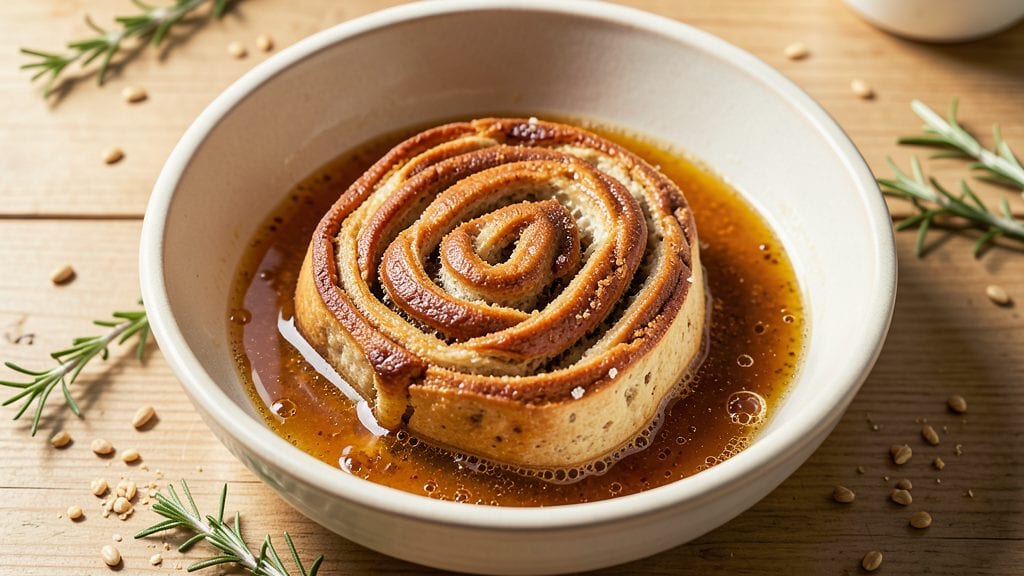
This Amish sourdough cinnamon bread recipe brings the heart of Pennsylvania farmhouse kitchens to your oven, where slow fermentation meets warm cinnamon swirls for a crust that cracks just enough to reveal tender, spiced layers.
The secret lies in a well-fed sourdough starter—active and bubbly—working overnight to develop that signature tang and open crumb structure. I’ve perfected this method over years of baking, balancing traditional techniques with modern shortcuts like Dutch oven baking for a foolproof homestyle loaf.
The dough comes together with simple ingredients—flour, milk, butter, and a touch of honey—but the magic happens during the proofing. Letting it rise slowly at room temperature (or overnight in the fridge for deeper flavor) creates that signature Amish texture: a crisp, golden crust with a soft, airy interior.
The cinnamon swirl isn’t just decoration; it’s the soul of the bread, caramelizing slightly as it bakes for a sweet, aromatic finish that’ll have everyone reaching for seconds.
By the time it emerges from the oven, you’ll have a loaf that smells like childhood memories—warm, buttery, and spiced just right. The crust develops a beautiful crackle, while the cinnamon swirl peeks through in golden strands, promising a melt-in-your-mouth bite with every slice.
This bread is perfect for breakfast, dessert, or as a centerpiece for holiday gatherings, proving that homestyle baking doesn’t require shortcuts—just patience and a little care.
For those short on time, I’ve included a quick-start method using store-bought sourdough starter, but the real reward comes from building your own culture over weeks. Whether you go traditional or take the shortcut, the result is the same: a loaf that tastes like home. Let’s get baking!
Ingredients for amish sourdough cinnamon bread
Simple pantry staples transform into a rustic loaf with crackling crust and spiced swirls.
| Ingredient | Amount | Notes |
|---|---|---|
| Active Sourdough Starter 🍞 | ½ cup | Well-fed, bubbly culture |
| All-Purpose Flour 🌾 | 5 cups | White flour, sifted preferred |
| Unsalted Butter 🧈 | ½ cup | Cold, cubed for dough |
| Whole Milk 🥛 | 1 cup | Room temperature preferred |
| Granulated Sugar 🍚 | ¼ cup | For dough and swirl |
| Large Eggs 🥚 | 2 whole | Room temperature for mixing |
| Ground Cinnamon 🌶️ | ½ cup | Freshly ground preferred |
| Light Brown Sugar 🍚 | ½ cup | Packed, for swirl |
| Coarse Salt 🧂 | 1 ½ tsp | Diamond Crystal preferred |
| Pure Honey 🍯 | 1 tbsp | For dough sweetness |
| Vanilla Extract 🌿 | 1 tsp | Pure vanilla preferred |
| Allspice 🌶️ | ¼ tsp | Optional, for depth |
| Heavy Cream 🥛 | ¼ cup | For brushing crust |
The sourdough starter is the heart of this recipe—look for a well-fed culture with visible bubbles and a slightly tangy aroma. If you're using a store-bought starter, check the package for feeding instructions (usually 1:1:1 ratio of starter:flour:water). For the flour, King Arthur or Bob's Red Mill are my go-tos—they hold up better during long fermentation. The butter should be cold and cubed when mixing, so it creates those signature flaky layers. I always grab European-style butter from Whole Foods or Trader Joe's for extra richness, but regular unsalted butter works too. The cinnamon? Penzeys or McCormick have the best ground varieties—avoid the pre-ground stuff at the grocery store if you can.
No active sourdough starter? Instant yeast at half the amount (1/4 tsp) works in a pinch, but the flavor won't be quite the same. Swapping whole milk for buttermilk or evaporated milk adds tang without altering the dough structure. Running short on brown sugar? Substitute white sugar plus a dash of molasses for that caramel depth. The vanilla extract can be imitation if needed, but pure vanilla is worth the splurge here. For the allspice, ground nutmeg at half the amount gives a similar warmth. If you're baking in a hot kitchen, chill the dough for 30 minutes before shaping to prevent early rising—trust me on this.
This dough keeps beautifully—cover tightly and refrigerate for up to 3 days before baking. For the cinnamon swirl, mix the dry ingredients first, then cut in the butter until crumbly. The loaf reheats wonderfully: wrap in foil and warm at 300°F for 10 minutes. Leftovers? Toast slices for breakfast or use them to make French toast. The crust stays crisp for about 2 days if stored in an airtight container, but the swirl softens after the first day—eat it fresh if you can.
Why You'll Love This Recipe
- No-Fuss Sourdough: I swear by this—just fold in your starter, mix in the milk and butter, and let the dough rise while you sip coffee. No kneading, no fuss, just that rich sourdough tang with a whisper of cinnamon warmth.
- Cinnamon Butter Magic: That swirl of melted butter and sugar? It’s the star. The crust gets crisp, the crumb stays soft, and every slice tastes like a hug from your grandma’s kitchen—especially when toasted with a little extra brown sugar.
- Breakfast or Snack: Honestly, this bread is my go-to for lazy mornings or after-school pick-me-ups. Serve it warm with jam, or cut into thick slices for French toast that’ll make you question why you ever bought store-bought.
- Leftovers That Last: Between us, this keeps for days in the fridge—perfect for quick toast or sandwiches. And if you freeze a loaf? You’ve just saved yourself a weekend morning when you’re too tired to bake. (Yes, even on a Tuesday night.)
Step-by-step instructions for Amish sourdough cinnamon bread
This method delivers a tender crumb with rich cinnamon swirls and a golden, crackly crust every time.
Prepare the Dough Base
In a large mixing bowl, combine the 0.5 cup active sourdough starter, 1 cup whole milk, 0.25 cup granulated sugar, 1 tbsp pure honey, and 1 tsp vanilla extract. Whisk until the sugar and honey dissolve completely, creating a smooth, slightly bubbly mixture. This liquid base activates the starter and creates a tender crumb foundation.
In a separate bowl, whisk together 5 cups all-purpose flour, 1.5 tsp coarse salt, and 0.25 tsp allspice. Sift the dry ingredients directly into the wet mixture, then gently stir with a wooden spoon until just combined—you should still see some flour streaks. This prevents overdevelopment of gluten, which would make the bread tough. Add the 2 whole large eggs and mix until fully incorporated.
Cut the 0.5 cup unsalted butter into small cubes and work them into the dough using your fingers. The butter should be cold enough to resist melting immediately but soft enough to incorporate smoothly. Once fully mixed, turn the dough onto a lightly floured surface and knead gently for 3-4 minutes until it forms a smooth, slightly tacky ball. The dough should be soft but not sticky—if it sticks to your hands, add a little more flour.
Create the Cinnamon Swirl Filling
In a small bowl, mix together 0.5 cup ground cinnamon, 0.5 cup light brown sugar, and 1 tbsp pure honey until evenly combined. This spiced mixture will create the signature swirls that make this bread irresistible. The combination of ground cinnamon and light brown sugar gives it a deep, aromatic flavor that pairs perfectly with the tangy sourdough.
Roll the dough into a 12x18-inch rectangle on a lightly floured surface, about ¼-inch thick. Spread the cinnamon mixture evenly over the dough, leaving a ½-inch border around the edges. This border prevents the filling from leaking out during baking and ensures a clean swirl pattern. Roll the dough tightly into a log starting from the long side, pinching the seam to seal.
Shape and Proof the Dough
Place the sealed log seam-side down on a parchment-lined baking sheet. Use a sharp knife to make 3-4 diagonal cuts about ½-inch deep across the top of the log. This creates a rustic, Amish-style appearance while allowing the bread to expand slightly during baking. Cover the baking sheet loosely with plastic wrap and let the dough proof at room temperature for 1-1.5 hours, or until it has risen by about 50%. The dough should look slightly puffy and feel springy to the touch when pressed gently.
While the dough proofs, preheat your oven to 375°F. Brush the risen dough generously with the 0.25 cup heavy cream, focusing on the top and sides. The cream adds moisture and creates a beautiful golden-brown crust. Bake for 35-40 minutes, until the bread is deeply golden and the internal temperature reaches 190°F. The crust should be crackly and firm to the touch, with the cinnamon swirls peeking through in places.
Cool and Serve
Remove the bread from the oven and let it cool on the baking sheet for 10 minutes. This resting period allows the bread to set slightly and makes it easier to slice without falling apart. Transfer it to a wire rack to cool completely before serving. The bread will continue to develop its flavors as it cools, with the cinnamon swirls releasing their warm, spiced aroma.
Slice the bread into 8 even pieces and serve warm for the best experience. The contrast between the tender, slightly tangy sourdough and the sweet, spiced cinnamon swirls is what makes this recipe a classic. Store any leftovers in an airtight container at room temperature for up to 3 days, or freeze for longer storage. The bread reheats beautifully in a 350°F oven for 5-7 minutes to restore its freshness.
Pro Tips For Making Amish Sourdough Cinnamon Bread
- Use Cold Butter: I learned this the hard way—cutting the unsalted butter straight from the fridge and mixing it into the dough at room temperature makes the bread denser. Instead, grate or finely dice it (no need to melt) and fold it in last, letting the dough’s warmth just soften it. The result? A lighter crumb with those signature flaky pockets.
- Test Starter Twice: Your sourdough starter should float in water like a buoy, but don’t trust that alone. After the initial float test, mix a spoonful into a little warm water and flour—if it bubbles vigorously within 5 minutes, it’s ready. Overproofed starter kills the rise; underproofed makes the bread taste flat. No guesswork.
- Scald the Milk: Heating the whole milk to just under boiling (180°F) before mixing it into the dough kills bacteria and prevents a sour taste later. Yes, it’s an extra step, but your bread will taste fresher, not funky. Pour it into the bowl, let it cool to lukewarm, then proceed—no waiting around.
- Shape Tightly, Twice: The Amish version relies on a dense, uniform crumb, so don’t skimp on shaping. After the first bulk fermentation, fold the dough into thirds like a letter—then let it rest 20 minutes. Reshape it into a tight log or loaf before final proofing. The extra effort keeps the cinnamon-sugar swirl from leaking out during baking.
Creative variations of this amish sourdough cinnamon bread
Amish-Style Swirl Variations
For a more rustic look, try the "Amish crack" technique: after shaping the log, use a sharp knife to make deep diagonal cuts (about ¾-inch deep) across the top before proofing. This creates dramatic, irregular cracks that expose the cinnamon swirls beautifully.
I’ve seen bakers use a serrated knife for cleaner lines, but the traditional method with a chef’s knife gives that authentic farmhouse charm. 🌟
Apple Cider Twist
Swap out half the cinnamon for 1 tsp ground nutmeg and fold in ½ cup finely chopped dried apple pieces into the swirl mixture. The apples caramelize during baking, adding a tangy-sweet contrast to the bread’s tang.
I like to use Braeburn or Granny Smith apples dried in the oven at 200°F for 2 hours until chewy but not mushy. This variation works especially well in fall when fresh apples are abundant.
Spiced Rum Infusion
Add 1 tbsp spiced rum (like Captain Morgan Original) to the wet ingredients when mixing the dough base. The alcohol enhances the cinnamon flavor while adding a subtle warmth.
For extra depth, reduce the honey to ½ tbsp and let the dough proof for an additional 30 minutes to allow the rum to mellow. This twist pairs perfectly with coffee or apple cider. 💫
Nutty Crunch Topping
Before baking, sprinkle ½ cup chopped pecans or walnuts (toasted at 350°F for 5 minutes) on top of the brushed cream. The nuts toast during baking, creating a delightful crunch that contrasts with the soft cinnamon swirl.
I recommend raw pecans from Texas or Georgia for their rich, buttery flavor. For a sweeter touch, toss the nuts with 1 tsp cinnamon before sprinkling.
Herbal Tea Enhancement
Replace the vanilla extract with 1 tbsp strong brewed chai tea (cooled) when mixing the dough. The warm spices in chai—like cardamom and ginger—complement the cinnamon beautifully.
I use Bigelow Chai for consistency, but homemade blends work too. This variation adds an unexpected depth that surprises even the most experienced bakers.
Gluten-Free Adaptation
For a gluten-free version, replace the all-purpose flour with a 1:1 gluten-free flour blend (like Bob’s Red Mill 1-to-1) and reduce the milk to ¾ cup. Add ½ tsp xanthan gum to the dry ingredients to improve texture.
The dough will be slightly stickier, so use a bench scraper to handle it. Proofing time may increase by 30-45 minutes due to the lack of gluten structure. 💪
Nutrition facts
Frequently asked questions
Can I use store-bought sourdough starter instead of making my own?
Yes, absolutely! Store-bought starters work perfectly for this recipe. Just follow the package instructions to activate it first (usually a 1:1:1 ratio of starter:flour:water, fed twice daily for 2-3 days). The flavor won't be exactly the same as a homemade culture, but it'll still give you that signature tangy sourdough base. For best results, use a starter that's at least 24 hours old and bubbly when you mix the dough.
Why does my dough keep sticking to my hands?
This happens when the dough has too much moisture or isn't properly kneaded. First, check your butter—it should be cold but not rock-hard. If the dough is too sticky, sprinkle a little more flour (about 1 tablespoon at a time) while kneading. Work it in gently until just combined. Remember, the dough should be soft but not gluey—this bread relies on a tender crumb, not a tight gluten structure. If it's still sticky after adding flour, let it rest for 10 minutes before handling again.
How do I get that perfect crackly crust?
The secret is in the brushing and baking technique. After proofing, generously brush the dough with heavy cream (or melted butter) and bake at 375°F for the full 35-40 minutes. For extra crackle, try this: after baking for 20 minutes, reduce heat to 350°F and bake another 15-20 minutes. This slows the cooking process, allowing the crust to develop that signature snap. A Dutch oven also works wonders—place the proofed loaf inside with a cup of water on the rack for steam during the first 15 minutes of baking.
Can I make this bread without a cinnamon swirl?
The cinnamon swirl is what makes it special, but you can easily turn this into a classic sourdough loaf. Simply omit the cinnamon filling and shape the dough into a round or oval loaf. For extra flavor, add 1 teaspoon cinnamon directly to the dough when mixing the dry ingredients. The result will still have that warm spice aroma without the sweet swirls. This version works perfectly as a savory bread when served with butter or jam.
How long can I keep this bread fresh?
At room temperature, this bread stays fresh for 2-3 days when stored in an airtight container. For longer storage, wrap individual slices in plastic wrap or freeze the whole loaf for up to 3 months. To reheat, wrap slices in foil and warm at 350°F for 5-7 minutes or toast in a toaster oven. The crust stays crisp for about 2 days, but the cinnamon filling softens after the first day—enjoy it fresh when possible for the best texture!