
Side Dishes
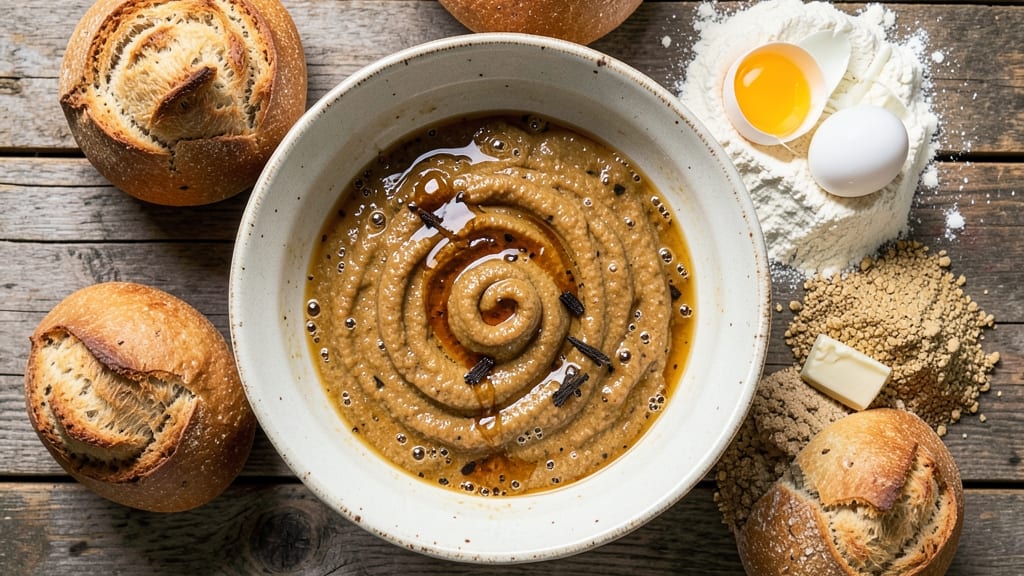
Creating an Amish friendship bread with a homemade sourdough starter transforms a simple loaf into a cherished tradition—its tangy-sweet flavor and rustic texture make every slice unforgettable. The secret lies in patience: nurturing the starter for days before baking yields that signature depth.
I’ve perfected this method over years, ensuring even beginners can achieve bakery-quality results without shortcuts.
The process begins with a wild yeast culture—no commercial starters here—fermented in flour and water until bubbly and active. This starter forms the heart of the bread, giving it that unmistakable tang and open crumb.
Once established, the dough requires minimal handling: a simple mix, overnight rise, and a slow bake in a Dutch oven for that iconic crackly crust.
What you’ll end up with is a loaf so fragrant it fills the kitchen, with a crisp exterior and tender crumb that’s perfect for slicing thick. Serve it warm with honey, jam, or butter—it’s the kind of bread that disappears faster than you can say "friendship."
The best part? Every batch improves as your starter matures, deepening in flavor with each use.
Whether you’re baking for a gathering or treating yourself, this recipe delivers a loaf that tastes like home. Let’s get started with the starter—your first step toward homemade tradition.
Ingredients for amish friendship bread sourdough starter
Four cups flour, two eggs, and patience—this is how tradition meets tangy-sweet perfection.
| Ingredient | Amount | Notes |
|---|---|---|
| Unbleached All-Purpose Flour 🌾 | 4 cups | High-protein for chewy texture |
| Organic Whole Wheat Flour 🌾 | 1 cup | For rustic flavor and nutrition |
| Active Sourdough Starter 🍞 | 1 ½ cups | 100% hydration, bubbly and active |
| Granulated Sugar 🍚 | ¼ cup | Light brown sugar for depth |
| Unsalted Butter 🧈 | ½ cup | Cold, cubed for flavor |
| Large Eggs 🥚 | 2 whole | Room temperature for even mixing |
| Diamond Crystal Kosher Salt 🧂 | 1 ½ tsp | Fine grain for even distribution |
| Instant Yeast 🍞 | ¼ tsp | Optional for extra rise |
| Pure Vanilla Extract 🍯 | 1 tsp | High-quality for authentic flavor |
| Pure Honey 🍯 | 2 tbsp | Wildflower for floral notes |
| Warm Water 💧 | 1 cup | 105°F for optimal hydration |
| Cornmeal 🌽 | ¼ cup | For dusting Dutch oven |
The sourdough starter is non-negotiable here. King Arthur or Bob’s Red Mill flours work best—their high protein gives that signature chew. For the starter, I feed mine with organic whole wheat flour and filtered water daily until it doubles in 4-6 hours. Trader Joe’s has great pre-ground whole wheat, but if you’re buying bulk, check for freshness—it should smell faintly sweet, not stale. The butter matters too: Plugrá or Land O’Lakes unsalted stay cold longer when cubed. Keep everything cold until mixing to prevent overdevelopment.
No sourdough starter? Commercial sourdough discard from a trusted bakery works in a pinch—just double the amount. Whole wheat flour unavailable? Substitute spelt flour at the same ratio. The honey can be swapped for maple syrup, but wildflower honey adds that subtle floral note that’s key. For the Dutch oven, Lodge or Le Creuset brands create that perfect steam environment. If you don’t have one, a heavy oven-safe pot with a lid works—just preheat it alongside the oven for 30 minutes to mimic the steam. The vanilla extract? McCormick Pure is my go-to—it’s affordable and potent.
This dough improves overnight. Shape and refrigerate for 12-16 hours before baking—the longer it rests, the deeper the flavor. Wrap tightly in plastic wrap, then a kitchen towel to prevent drying. Baked loaves keep 3-4 days at room temperature in a bread box, or 1 week frozen in slices. For reheating, wrap slices in a damp towel and warm in a 350°F oven for 5 minutes—nothing beats that fresh-from-the-oven aroma. Portion extra dough into 1-ounce balls before freezing for quick future loaves.
Why You'll Love This Recipe
- No-Fuss Mixing: I swear by this combo of all-purpose and whole wheat—just toss the flours, fold in the starter, and let the butter do the work. Honestly, the dough comes together faster than my coffee brews.
- Sweet & Tangy Magic: That sugar-butter balance? It’s what makes this bread dangerously shareable. The sourdough starter gives it a bright tang, while the butter keeps it rich—like a hug in bread form.
- Weeknight & Holiday Star: Pack it for lunches, slice it for breakfast toast, or serve it warm with jam at a potluck. Between us, it’s my go-to for when I need something effortless but impressive.
- Starter Leftovers Save Money: Use up your sourdough starter without waste—this recipe actually uses it up efficiently. Plus, the whole wheat cuts costs while adding fiber, so you’re feeding your family and your wallet.
Step-by-step instructions for Amish friendship bread
This recipe transforms your active sourdough starter into a tender, tangy-sweet loaf with a crackly crust—just like Amish bakeries make.
Mix the Dough with Wet and Dry Ingredients
In a large mixing bowl, combine the 1.5 cups active sourdough starter, 1 cup warm water, 2 tbsp pure honey, and 1 tsp pure vanilla extract. Stir until the honey dissolves completely and the mixture is smooth. This creates your flavor base—don't skip the vanilla, as it enhances the bread's signature warmth.
In a separate bowl, whisk together the 4 cups unbleached all-purpose flour, 1 cup organic whole wheat flour, 1.5 tsp diamond crystal kosher salt, and 0.25 tsp instant yeast. Gradually add this dry mixture to the wet ingredients while stirring with a wooden spoon or dough whisk. The dough will be sticky but manageable—this is normal with sourdough. Mix until just combined, about 3-4 minutes, ensuring no dry spots remain.
Incorporate Butter and Knead Briefly
Cut the 0.5 cup unsalted butter into small cubes and add them to the dough. Use your hands to work the butter into the dough until fully incorporated. This step is critical for that rich, tender texture Amish friendship bread is known for. The butter should melt slightly but still retain some shape.
Lightly flour a clean surface and turn out the dough. Knead gently for 2-3 minutes—just enough to develop the gluten slightly without overworking it. The dough should be soft, slightly tacky, and cohesive. If it feels too sticky, wet your hands slightly to prevent sticking. Cover the bowl with a damp towel and let it rest for 30 minutes at room temperature. This rest period allows the gluten to relax and the flavors to meld.
Shape and Proof the Dough
After the rest, divide the dough into 4 equal portions, each weighing about 12 ounces. Roll each portion into a smooth, round ball, then flatten slightly into a disc shape. Fold the edges toward the center to create a rustic, slightly irregular shape—this mimics the traditional Amish technique. Place the shaped dough onto a baking sheet lined with parchment paper, spacing them about 2 inches apart. Cover loosely with a damp towel and let them proof for 1.5-2 hours or until they've nearly doubled in size.
Here's the thing—proofing is where the magic happens. The dough should rise until it's puffy and jiggly when gently shaken. If your kitchen is cold, extend the proofing time slightly. Avoid overproofing, though; the dough should still feel firm to the touch. Once proofed, preheat your oven to 375°F and dust a Dutch oven with 0.25 cup cornmeal—this prevents sticking and adds a subtle crunch.
Bake for a Crispy Crust and Tangy Crumb
Carefully transfer the proofed dough balls into the preheated Dutch oven, spacing them evenly. Bake uncovered for 25-30 minutes until the tops are golden brown and the crust is crackly. The internal temperature should reach 190-195°F when checked with an instant-read thermometer. This baking time ensures a crisp exterior while keeping the interior soft and pillowy.
Remove the bread from the oven and let it cool on a wire rack for at least 1 hour before slicing. This resting period allows the bread to set and the flavors to fully develop. The crust should be firm and slightly crisp, while the interior should be tender with a subtle tang from the sourdough starter. Serve warm with butter or jam for the ultimate Amish-inspired experience.
Pro Tips For Making Amish Friendship Bread Sourdough Starter
- Weigh Your Flours: I learned this the hard way—using volume measurements for whole wheat and all-purpose flour in this recipe leads to a dense, gummy mess. The whole wheat absorbs moisture differently, so grab a kitchen scale and measure those flours by weight (typically 1:1 ratio works, but your starter’s strength may tweak it). A 1% difference in hydration can turn your bread from tender to brick-like.
- Feed Starter First: Your sourdough starter should be at its peak—doubled and bubbly—when you mix it into the dough. If it’s sluggish or underproofed, the whole batch will taste flat and underdeveloped. Feed it 1:1:1 (flour:water:starter) by weight 4–6 hours before using, and check for volume and activity right before adding it to the dough.
- Chill the Dough: Skipping the cold proof isn’t lazy—it’s a game-changer for texture. After the first bulk fermentation, refrigerate the dough (wrapped in plastic) for 12–24 hours. The cold slows yeast activity, deepens flavor, and makes shaping easier. Pull it out 1–2 hours before baking to let it warm up and rise slightly—this guarantees a lighter crumb.
- Butter Last, Not Early: Adding the butter too soon (like during the initial mix) weakens gluten development, leaving you with a tough, uneven crumb. Fold it in during the final 10 minutes of kneeting or the last lamination step. Cold butter creates pockets for that signature Amish flakiness—just handle it gently to avoid overworking the dough.
Creative variations of this recipe
Sweet Honey Variations
Swap the 2 tbsp honey for 2 tbsp maple syrup to create a deeper, earthier flavor profile—this works especially well in colder months when honey’s floral notes feel too bright.
For a caramelized twist, replace half the honey with 1 tbsp brown sugar and bake the loaves for an extra 5 minutes—this adds a subtle molasses richness. I’ve also experimented with agave nectar (2 tbsp) for a neutral sweetness that lets the sourdough tang shine. 🍯
Spiced Amish Twist
Infuse the dough with warmth by adding 1 tsp ground cinnamon and ½ tsp nutmeg to the dry ingredients. For a bolder kick, fold in ¼ cup chopped crystallized ginger during the final knead—this mirrors the spiced breads you’d find in Amish bakeries during harvest season.
If you love cardamom, add ½ tsp ground cardamom to the wet ingredients for a Scandinavian-Amish fusion that’s unexpectedly delicious. 🌶️
Whole Grain Boost
Replace ½ cup of the all-purpose flour with ½ cup oat flour or ½ cup spelt flour for a nuttier, heartier loaf. The oat flour adds a subtle chewiness, while spelt brings a slightly sweeter, wheat-like depth.
For extra texture, stir in ¼ cup toasted wheat berries or chopped walnuts before shaping—just be sure to proof the dough an additional 30 minutes since whole grains absorb moisture differently. 🌾
Herb-Infused Crust
Brush the baked loaves with a mixture of 1 tbsp melted butter and 1 tsp finely chopped fresh rosemary or thyme while still warm. This creates a fragrant, aromatic crust that pairs beautifully with savory cheeses or charcuterie boards.
For a citrusy twist, mix 1 tsp lemon zest into the butter wash—it brightens the bread’s natural sweetness. I’ve also tried a garlic-herb butter (minced garlic + parsley) for a savory option that’s perfect with soups. 🌿
Dairy-Free Adaptation
For a vegan version, replace the ½ cup butter with ½ cup coconut oil (solid) or ½ cup vegan butter like Miyoko’s. To maintain moisture, add 1 tbsp ground flaxseed mixed with 3 tbsp water to the dough—this acts as a binder.
The flavor stays rich, though the crust will be slightly less crisp. For extra richness, stir in 2 tbsp tahini during mixing—it adds a nutty depth that balances the sourdough tang. 🥥
Mini Loaves for Sharing
Divide the dough into 8 small portions (about 6 ounces each) instead of 4 large ones. Shape into mini boules or pull-apart rolls, then bake in a 9x13-inch baking dish lined with parchment. These are perfect for potlucks or holiday gatherings—everyone gets their own loaf!
For extra flair, sprinkle the tops with coarse sea salt or everything bagel seasoning before baking. The smaller size bakes faster (20-25 minutes), making it ideal for weeknight baking. 🧁
Nutrition facts
Frequently asked questions
Why does Amish friendship bread need a sourdough starter?
The sourdough starter creates that signature tangy-sweet flavor and open crumb. Unlike commercial yeast, wild fermentation develops complex flavors over time—giving the bread its rustic character. Without it, you’d miss the depth that makes this bread special.
Can I skip the overnight proofing?
While possible, skipping the 12-16 hour cold proof will result in a less flavorful loaf. The extended rest deepens the sourdough tang and improves texture. If short on time, proof at room temperature for 3-4 hours instead, but expect a milder taste.
What if my sourdough starter isn’t bubbly?
Feed it daily with equal parts whole wheat flour and water for 5-7 days until it doubles in 4-6 hours. If it smells sour or has hooch (liquid), stir it in or pour it off before feeding. A sluggish starter often means it’s too cold—keep it in a 75-80°F spot.
How do I store extra dough?
Portion into 1-ounce balls, wrap tightly in plastic, and freeze for up to 3 months. Thaw overnight in the fridge before baking. For short-term storage (3-4 days), refrigerate wrapped dough in an airtight container—bring to room temp before shaping.
Can I use this recipe for a gift?
Shape the dough into mini loaves or pull-apart rolls for easy sharing. Wrap in parchment paper, tie with twine, and add a jar of homemade jam. Label with the bake date—it keeps 5 days at room temperature or 1 week frozen.