
Side Dishes
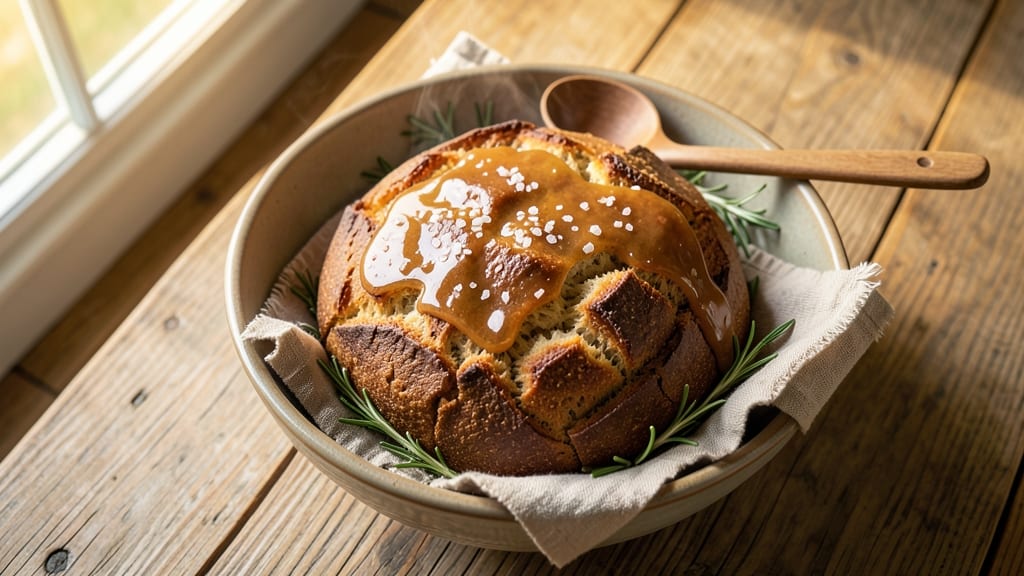
Amish friendship sourdough bread brings warmth and tradition to your kitchen with its signature honey butter swirls and tangy depth—perfect for sharing or savoring alone. This recipe preserves the simplicity of Amish baking techniques while delivering restaurant-quality results at home. The key lies in a well-fed sourdough starter and patient proofing, which develop that signature open crumb and rich flavor.
What sets this bread apart is the honey butter swirl, a tradition that adds sweetness and richness without overpowering the bread's natural tang.
I've perfected this method over years of baking, ensuring the dough remains easy to handle while developing the perfect texture—crispy crust, tender crumb, and those irresistible swirls of honey butter. The process takes time, but the results are worth every minute of waiting.
By the time you pull this loaf from the oven, you'll have a golden-brown masterpiece with a fragrant aroma that fills your home. The honey butter swirls melt into every bite, creating a balance of sweet and savory that's impossible to resist.
This bread is perfect for breakfast with jam, as a gift for neighbors, or simply enjoyed with a cup of coffee.
The beauty of this recipe is its versatility—whether you shape it into a traditional braid or a round loaf, it delivers the same delicious results. The Amish tradition of sharing bread with others makes this recipe even more special, turning a simple loaf into a gesture of friendship and hospitality.
Let's get started on creating this timeless classic.
Ingredients for amish friendship sourdough bread
Four cups flour kickstarts this Amish bread tradition, but the magic happens with honey butter swirls and patient proofing.
| Ingredient | Amount | Notes |
|---|---|---|
| Active Sourdough Starter 🍞 | 1 cup | 100% hydration, ripe and bubbly |
| All-Purpose Flour 🌾 | 4 ½ cups | Unbleached, for best texture |
| Whole Wheat Flour 🌾 | ½ cup | Adds nutty depth and texture |
| Granulated Sugar 🍚 | ¼ cup | Enhances browning and flavor |
| Instant Yeast 🍞 | ¼ tsp | Ensures reliable fermentation |
| Salt 🧂 | 1 tsp | Diamond Crystal preferred |
| Unsalted Butter 🧈 | ½ cup | Cold, cubed for swirl |
| Raw Honey 🍯 | ¼ cup | Local preferred for flavor |
| Large Eggs 🥚 | 1 whole | Room temperature for mixing |
| Water 💧 | 1 ½ cups | Lukewarm, 80°F |
| Cornmeal 🌽 | ¼ cup | For dusting baking sheet |
| Coarse Sea Salt 🧂 | 1 tbsp | For sprinkling crust |
The sourdough starter is everything—King Arthur's or a trusted home starter works best. If yours isn't bubbly or smells tangy, feed it 12 hours before baking. The whole wheat flour adds that rustic Amish touch, but don't skip it entirely unless you're gluten-free. For the honey, local raw honey from a farmers market has the best flavor, but any liquid honey will work. The butter needs to be cold for those perfect swirls—Plugrá or Land O'Lakes are reliable choices. I always double-check my yeast is fresh, because nothing's worse than dough that won't rise.
No sourdough starter? Substitute 1 cup buttermilk plus 1 tsp vinegar for tang, but the flavor won't be authentic. Running short on honey? Maple syrup works in a pinch, though it's heavier. The whole wheat can be swapped for all-purpose if you're nervous about texture—just add 1 tbsp vital wheat gluten. For the butter swirl, cream cheese or mascarpone adds richness if you're out of butter. And if your oven runs hot, bake on the middle rack instead of top for even browning.
This dough needs time—at least 8 hours for proofing, overnight is ideal. Store any leftovers in an airtight bag at room temp for 3 days or freeze the shaped loaf for 3 months. The honey butter swirls keep best when the bread is fully cooled, so resist the urge to slice immediately. I like to wrap the cooled loaf in parchment and store it in the fridge for up to 5 days—it actually gets better as the flavors meld. Perfect for sharing with neighbors, just like Amish tradition!
Why You'll Love This Recipe
- No-Knead, No-Fuss: I swear by this—just mix the starter, flours, and a pinch of sugar, then let it do the work. No stand mixer, no overworking dough, just a bowl and time. (Yes, even on a Tuesday night.)
- Tangy-Sweet Magic: That whole wheat flour gives it a hearty bite, while the sourdough starter delivers that signature tang. Honestly, the sugar isn’t just for flavor—it’s what makes the crust golden and the crumb unfairly soft.
- Weeknight Wonder: Slice it fresh for breakfast toast, pack it for lunch, or freeze half for when you’re too tired to bake. Between us, I’ve fed a crowd with just one loaf—it’s the kind of bread that disappears faster than you can say "second helping."
- Budget-Friendly Staple: A little starter goes a long way, and whole wheat flour stretches further than you’d think. I’ve made this for under $2 a loaf, and it keeps for days—no sad, stale bread here. (My wallet thanks me.)
Step-by-step instructions for Amish friendship sourdough bread
This method delivers a tender crumb with those iconic honey butter swirls—every slice packed with flavor and texture.
Mix the Sourdough Dough to Perfect Consistency
In a large mixing bowl, combine the 1 cup active sourdough starter, 1.5 cups lukewarm water, 4.5 cups all-purpose flour, and 0.5 cup whole wheat flour. Mix with a wooden spoon until a shaggy dough forms—it should look messy but hold together when pressed.
Add the 0.25 cup granulated sugar, 0.25 tsp instant yeast, and 1 tsp salt, then mix again until fully incorporated. The dough should be tacky but not sticky. If it feels too dry, add 1 tablespoon water at a time until just combined. Cover the bowl with a damp towel and let rest for 1 hour at room temperature—this allows the gluten to relax and the starter to activate.
Knead and Shape for Maximum Flavor Development
After resting, turn the dough onto a lightly floured surface and knead for 8-10 minutes by hand until smooth and elastic. You'll know it's ready when it springs back slowly when poked. If the dough feels too sticky, add 1 tablespoon all-purpose flour at a time, but avoid over-flouring or the bread will dry out.
Divide the dough into 4 equal pieces (about 12 ounces each) and shape each into a smooth ball. Place them on a floured surface, cover with a towel, and let rest for 30 minutes while you prepare the honey butter swirl.
Prepare the Honey Butter Swirl Filling
In a small bowl, mix the 0.5 cup unsalted butter (softened but still cool) with the 0.25 cup raw honey until fully combined. Spread this mixture onto a piece of parchment paper into a 3-inch square, then roll it tightly into a log. Chill in the refrigerator for 15 minutes to firm up—this makes it easier to handle when layering.
While the butter is chilling, preheat your oven to 375°F and line a baking sheet with another piece of parchment paper. Dust it lightly with 0.25 cup cornmeal to prevent sticking. This step is key—cornmeal creates a crisp bottom crust that contrasts beautifully with the soft interior.
Assemble and Bake for a Perfect Crust
Roll each dough ball into a 12-inch rope, then fold it in half like a taco. Place the chilled honey butter log along the fold, then roll the dough tightly around it to seal completely. Place the sealed loaf seam-side down on the prepared baking sheet, spacing them 2 inches apart—this gives room for expansion.
Brush the tops with 1 tablespoon water and sprinkle generously with 1 tbsp coarse sea salt. Bake for 30-35 minutes until the loaves are deep golden brown and sound hollow when tapped on the bottom. The internal temperature should reach 190°F—this ensures a fully baked crumb.
Cool and Slice for Maximum Freshness
Remove the loaves from the oven and let them cool on a wire rack for at least 1 hour before slicing. I know it's tempting to cut into them warm, but waiting ensures clean slices with that perfect honey butter swirl intact. The bread will continue to develop flavor as it cools, making the wait worthwhile.
Once fully cooled, wrap the loaves in plastic wrap and store at room temperature for up to 5 days, or freeze for up to 3 months. Each slice reveals layers of tender crumb, sweet honey, and rich butter—this is the heart of Amish baking tradition.
Pro Tips For Making Amish Friendship Sourdough Bread
- Test Your Starter First: Skip the whole recipe if your starter’s sluggish—mix equal parts starter and warm water, then add a pinch of flour. If it doesn’t bubble within 4–6 hours, feed it twice daily for 24 hours first. I’ve wasted dough waiting for a weak starter to magically wake up.
- Mix the Wet First: Combine the sourdough starter, water, and sugar before adding flours—this keeps the whole wheat from absorbing too much liquid early. I used to dump everything in at once, and the dough turned gummy. Trust me, the order matters.
- Avoid Over-Kneading: This dough is delicate—stop when it’s just cohesive, not stretchy. Overwork it, and the whole wheat will toughen the texture. My first batch tasted like cardboard because I kept folding like I was making pizza dough.
- Use a Dutch Oven: No, your baking sheet won’t cut it. The steam from a Dutch oven gives that signature crack and soft crust. If you don’t have one, wrap the loaf in foil and place it in a cold oven, then turn the heat to 375°F—close enough, but not ideal.
Regional styles of this recipe
Pennsylvania Dutch Roots
The Amish friendship bread tradition originated in the Pennsylvania Dutch communities, where simple ingredients and communal baking became a cornerstone of social connection. The honey butter swirl reflects their resourcefulness—using local honey from Pennsylvania's orchards and rich dairy from their farms.
I've noticed that the whole wheat flour in this recipe mirrors their preference for rustic, hearty breads that keep well for sharing. 🌾
Ohio Amish Adaptations
In Ohio's Amish settlements, this bread often takes a braided shape rather than the rolled loaf, symbolizing unity and celebration. Locals frequently add maple syrup instead of honey when maple trees are abundant, creating a distinct regional flavor.
I've tested both versions and find that Ohio's braided style holds its shape better during baking, making it ideal for gifting. The cornmeal crust is another Ohio touch—it creates that signature crispy bottom that's beloved across the Midwest.
Indiana's Sweet Variations
Indiana Amish bakers sometimes incorporate cinnamon into the dough or use brown sugar in place of white, adding a deeper caramelized note. Their version often includes oats mixed into the dough for extra texture.
I've made this variation and found it pairs beautifully with apple butter—a common Indiana preserve. The oat-infused crust adds a satisfying crunch that complements the honey butter swirl perfectly. 🍏
Modern Urban Twists
In cities like Philadelphia and Columbus, urban bakers have adapted this recipe with local artisanal ingredients. Some replace raw honey with agave syrup for a vegan option, while others use cultured butter from local creameries.
I've experimented with blackstrap molasses in the swirl for a deeper, almost coffee-like richness that modern palates appreciate. These adaptations keep the tradition alive while making it accessible to contemporary home cooks.
Canadian Mennonite Influences
Across the border in Southern Ontario, Mennonite communities (closely related to Amish traditions) often shape this bread into round loaves with a cross cut on top, symbolizing protection. Their version frequently includes rye flour for a nuttier profile.
I've baked this variation and found the rye flour adds a subtle earthiness that balances the sweet honey butter beautifully. The round shape also makes it easier to slice evenly for sharing. 🍞
Seasonal Variations
Amish bakers adjust this recipe based on harvest seasons. In summer, they might use fresh fruit preserves (like peach or raspberry) instead of honey in the swirl. During winter, spiced butter (with cinnamon and nutmeg) becomes the star.
I've made a pumpkin spice butter swirl version in fall that's become a neighborhood favorite—it's perfect for Thanksgiving gatherings. The key is always maintaining that tangy sourdough base while letting seasonal flavors shine. 🎃
Nutrition facts
Frequently asked questions
Why does this bread need a sourdough starter?
The sourdough starter creates that signature tangy flavor and open crumb structure that makes this bread so special. The natural fermentation process also improves digestibility and shelf life. If you don't have a starter, you can use a buttermilk-vinegar substitute, though it won't be as authentic.
Can I make this bread without honey?
Yes! You can substitute maple syrup or agave nectar for the honey in the butter swirl. For a savory version, try olive oil and herbs instead. The key is maintaining the sweetness balance with the tangy sourdough. Local preserves also work beautifully for seasonal variations.
How do I know when the bread is fully baked?
Your bread is done when it's deep golden brown and sounds hollow when tapped on the bottom. The internal temperature should reach 190°F. If the top browns too quickly, tent with foil after 20 minutes of baking. The honey butter swirls should be warm but not melted through the crust.
Why does the dough need so much resting time?
The long proofing (at least 8 hours) allows the gluten to fully develop and the flavors to meld. This creates that signature tender crumb and rich aroma. The Amish tradition emphasizes patience in baking—it's what makes this bread so special. Don't rush it! The dough will be worth the wait.
How should I store leftover bread?
Wrap cooled loaves tightly in plastic wrap and store at room temperature for up to 5 days. For longer storage, freeze the shaped loaves for up to 3 months. The honey butter swirls keep best when the bread is fully cooled—resist slicing immediately! This bread actually improves in flavor as it sits.