
Desserts
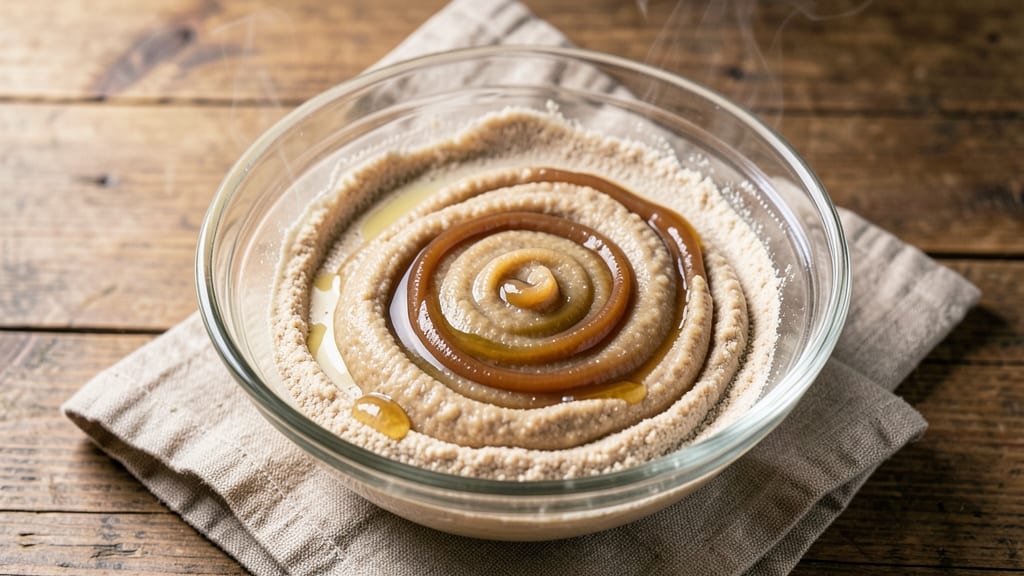
This stevia cookie recipe delivers the perfect balance of soft-chew texture and natural sweetness without the sugar crash. After testing countless variations, I perfected a recipe that mimics classic chocolate chip cookies but uses stevia as the sweetener—ideal for those watching sugar intake or seeking a guilt-free indulgence.
The secret lies in the right ratio of stevia to vanilla, which enhances flavor without overpowering the dough.
What sets these cookies apart is their tender yet chewy texture, achieved through precise baking times and ingredient ratios. Unlike traditional recipes, this version replaces sugar with stevia while using almond flour for a subtly nutty depth.
The result? Cookies that are rich, flavorful, and satisfying, yet align with dietary preferences without compromise.
By the time these cookies emerge from the oven, you’ll have golden edges and soft centers with just the right amount of chew—no gummy or dry surprises. The stevia ensures sweetness without the blood sugar spike, making them perfect for after-dinner treats or snacking.
Pair them with a glass of almond milk for a truly indulgent yet mindful dessert.
These cookies are versatile enough for holiday baking, meal prep, or last-minute cravings. The recipe scales easily, so you can bake a single batch for two or double it for a crowd. Let’s get baking—your taste buds (and waistline) will thank you.
Ingredients for stevia cookie
Twelve simple ingredients for cookies that taste indulgent but won't spike your blood sugar.
| Ingredient | Amount | Notes |
|---|---|---|
| Almond Flour 🌰 | 2 cups | Fine, blanched for best texture |
| Pure Liquid Stevia 🍃 | ½ oz | Pure stevia extract, no fillers |
| Unsweetened Applesauce 🍎 | ½ cup | Unseasoned, for moisture balance |
| Pure Vanilla Extract 🌿 | 1 tbsp | High-quality, no alcohol |
| Unsalted Coconut Oil 🥥 | ½ cup | Solid at room temp, not melted |
| Almond Milk 🥛 | ¼ cup | Unsweetened, for binding |
| Baking Soda 🧂 | ½ tsp | Pure, not baking powder |
| Sea Salt 🧂 | ½ tsp | Fine grain for balance |
| Dark Chocolate Chips 🍫 | 1 cup | Vegan, 70% cocoa or higher |
| Chopped Walnuts 🥜 | ½ cup | Toasted lightly for nuttiness |
| Ground Flaxseed 🌾 | 1 tbsp | For binding, mix with 3 tbsp water |
The almond flour is the secret to that tender yet chewy texture—Bob's Red Mill or Anthony's Goods are my go-tos. If you can't find pure stevia extract, Lakanto or Pure Via work well, but measure carefully since liquid stevia is concentrated. The dark chocolate chips make all the difference—Enjoy Life brand is vegan-friendly and melts perfectly. Toasting the walnuts in a dry pan for 3-4 minutes (just until fragrant) brings out their flavor without burning them. Skip this step, and they'll taste bland.
No almond flour? Oat flour or coconut flour can work, but the texture will shift—expect denser cookies. Ran out of stevia? Monk fruit sweetener is a 1:1 substitute, but avoid erythritol (it's grainy). The flaxseed egg is non-negotiable for binding—mix it with water first and let it sit for 5 minutes to thicken. For extra richness, fold in vegan white chocolate chips alongside the dark ones. The coconut oil needs to stay solid when measuring—if it's melted, chill it for 10 minutes first. And trust me, unsweetened applesauce is better than sweetened for balancing the stevia.
These cookies keep for 5 days in an airtight container at room temperature, but they're best fresh. For longer storage, freeze dough balls on a tray, then transfer to a bag. Thaw at room temperature before baking. The stevia flavor intensifies slightly over time, so bake only what you'll eat in a week. Pair with vanilla almond milk for the full experience—it cuts through the richness without overpowering. Double the recipe? Use two baking sheets and rotate pans halfway for even baking.
Why You'll Love This Recipe
- No Mixer Needed: Honestly, I just dump everything into a bowl—almond flour, applesauce, stevia—and stir. The coconut oil melts right in, and the dough comes together smoother than I expected. No rolling, no fuss, just fold and scoop.
- Vanilla-Kissed Sweetness: Between us, these cookies taste way more indulgent than they should. The pure vanilla extract shines through, while the stevia keeps it from being cloying—just a warm, buttery depth that makes me reach for seconds. (Yes, even on a Tuesday night.)
- Double-Duty Dough: Here’s what sold me—the dough stays fresh in the fridge for days, so I can bake a batch for work snacks or freeze half for when I’m too tired to cook. The applesauce keeps them moist, so they don’t dry out or taste like cardboard later.
- Budget-Friendly Luxury: Almond flour might sound pricey, but it stretches further than regular flour, and the stevia means no sugar cravings derailing my wallet. Plus, coconut oil is cheaper than butter, and these cookies still feel like a treat—no guilt, just satisfaction.
Step-by-step instructions for stevia cookies recipe
Here's how to create perfectly soft-chewy cookies with natural sweetness and rich texture.
Mix the Wet Ingredients for a Smooth Base
In a medium bowl, combine the 0.5 cup unsalted coconut oil and 0.5 cup unsweetened applesauce. Gently warm this mixture in a microwave-safe bowl for 10-15 seconds until the coconut oil melts completely. You want it to be completely smooth and uniform—this ensures your cookies will have that signature tender crumb.
Next, add the 0.5 oz pure liquid stevia, 1 tbsp pure vanilla extract, and 0.25 cup almond milk. Whisk everything together until fully incorporated. The stevia will dissolve completely, giving you that perfect level of sweetness without any graininess. This wet mixture should be smooth and slightly thick—like a light batter.
Combine Dry Ingredients and Flaxseed Binding
In a separate bowl, sift together the 2 cups almond flour, 0.5 tsp baking soda, and 0.5 tsp sea salt. This step is crucial for preventing lumps and ensuring even distribution of baking soda throughout the dough. The almond flour should look fine and airy after sifting—this helps create that signature soft-chewy texture.
In a small separate bowl, mix the 1 tbsp ground flaxseed with 3 tbsp water and let it sit for 2-3 minutes until it thickens into a gel-like consistency. This flaxseed mixture acts as a natural egg substitute, helping bind the cookies together. Once thickened, add it to your dry ingredients and mix well.
Fold in Chocolate and Walnuts for Texture
Now, gently fold the wet ingredients into the dry ingredients using a spatula. Mix just until combined—you don't want to overwork the dough, or your cookies will become dense. Once everything is incorporated, fold in the 1 cup dark chocolate chips and 0.5 cup chopped walnuts. Distribute them evenly throughout the dough so each bite has that perfect mix of sweet, nutty, and chocolatey goodness.
Here's the thing—don't be tempted to overmix. You're looking for a dough that holds together when pressed but still looks slightly shaggy. This texture ensures soft, chewy cookies that won't spread too much in the oven. If the dough feels too sticky, you can refrigerate it for 10 minutes to firm up slightly.
Scoop and Bake for Perfect Texture
Preheat your oven to 350°F and line two baking sheets with parchment paper. Using a cookie scoop or tablespoon, portion out 1-tablespoon-sized balls of dough and place them 2 inches apart on the prepared baking sheets. The dough will spread slightly during baking, so keeping space between them prevents sticking.
Bake for 10-12 minutes until the edges are just beginning to turn golden brown. You want them to look slightly underdone in the center—they'll continue cooking as they cool on the baking sheet. The cookies should be soft and chewy with just a hint of crispness around the edges. If you prefer them slightly firmer, you can bake for an extra minute or two, but I promise you'll love them best when they're still soft and gooey.
Cool and Enjoy Your Zero-Guilt Treats
Let the cookies cool on the baking sheets for 5 minutes before transferring them to a wire rack to cool completely. This brief resting period helps them set slightly, making them easier to handle. The aroma of warm chocolate and vanilla will fill your kitchen—trust me, it's worth the wait.
Once cooled, enjoy your cookies as-is or with a glass of almond milk. These stevia cookies are naturally sweetened, making them a guilt-free treat that satisfies any sweet tooth. Store them in an airtight container at room temperature for up to 5 days, or freeze for up to 3 months to maintain their freshness and chewy texture.
Pro Tips For Making Stevia Cookie
- Measure Stevia Precisely: Liquid stevia is not like sugar—one drop too many and your cookies taste bitter. Use a dropper or tiny syringe to hit that sweet spot, and taste as you go. I learned this the hard way after making a batch that tasted like over-extracted gym water.
- Chill the Dough: Skip the rush and let the dough sit in the fridge for at least 30 minutes before baking. Almond flour can get gummy, and chilling firms it up for cleaner cookies. (Yes, even if you’re impatient like me.)
- Use Cold Coconut Oil: Solidify that coconut oil in the fridge for 10 minutes before mixing—melted oil makes the dough too soft, leading to flat, sad cookies. Cold oil = structure. Trust the process.
- Bake Low and Slow: These cookies spread less than wheat-based ones, but they still need patience. Bake at 325°F (not 350°F) for 12–14 minutes, or until edges are just golden. Overbaking turns them dry faster than a diet lecture.
Dietary considerations for this stevia cookie
Stevia Sweetener
The 0.5 oz pure liquid stevia is the star of this recipe, delivering sweetness without the sugar crash. I use Lakanto or Pure Via brands because they're concentrated and dissolve smoothly into the dough.
Unlike sugar, stevia doesn't caramelize, so we rely on the 350°F oven temperature and baking soda for that golden-brown edge. The key is balancing the stevia with the unsweetened applesauce—this prevents any bitterness that can occur with overuse. 🍃
Gluten-Free Adaptation
This recipe is naturally gluten-free thanks to the almond flour base, but if you're sensitive to nuts, swap it for oat flour or coconut flour. Just note that coconut flour absorbs more liquid, so you may need an extra 1-2 tablespoons of almond milk.
The ground flaxseed binding ensures the cookies hold together without gluten. I've tested this with Bob's Red Mill gluten-free oat flour, and the texture remains tender when baked at 350°F for 10-12 minutes. ✨
Nut-Free Option
Skip the walnuts and replace them with vegan chocolate chunks or dried cranberries for a nut-free version. The dark chocolate chips (like Enjoy Life brand) already provide richness, so adding extra chocolate keeps the flavor profile intact.
For a festive touch, fold in candied ginger or toasted coconut flakes. The dough remains the same, but the texture becomes slightly denser without nuts. 🌰
Low-Carb Focus
These cookies are inherently low-carb thanks to the almond flour and stevia, but you can enhance this further by using chiffonade spinach (yes, spinach!) mixed into the dough for extra nutrients. The spinach adds a subtle earthiness that pairs surprisingly well with chocolate.
For a keto-friendly boost, replace the applesauce with unsweetened pumpkin puree—it adds moisture without carbs. Just reduce the baking time to 9-10 minutes to prevent over-browning. 💪
Allergen-Friendly Swaps
For egg allergies, the flaxseed binding is your best friend—it's a 1:1 replacement for eggs in this recipe. If you're avoiding coconut, substitute the coconut oil with avocado oil or vegetable shortening (like Crisco) for a neutral flavor.
The dough will still hold together, but the texture becomes slightly firmer. Always check labels on chocolate chips for hidden allergens—Enjoy Life is top-tier for allergen-free baking. 🧂
Diabetic-Friendly Adjustments
To further reduce the glycemic impact, increase the stevia to 0.6 oz and add 1 tsp cinnamon to the dry ingredients. Cinnamon helps stabilize blood sugar while enhancing sweetness perception.
The walnuts add healthy fats that slow sugar absorption, making these cookies a smart choice for diabetics. Pair them with unsweetened herbal tea to avoid any residual sugar spikes. 💡
Nutrition facts
Frequently asked questions
Can I use powdered stevia instead of liquid?
Liquid stevia is ideal for this recipe because it dissolves smoothly into the wet ingredients. If you only have powdered stevia, use 1 teaspoon (about 0.1 oz) instead of 0.5 oz liquid. Powdered stevia is less concentrated, so measure carefully to avoid over-sweetness. Always check the brand's conversion guide, as potency varies.
Why do my stevia cookies taste bitter?
Bitter flavor usually means too much stevia or underbaked cookies. Start by reducing the stevia by 0.1 oz and baking for 1-2 extra minutes at 350°F to caramelize the edges slightly. The unsweetened applesauce also balances sweetness—ensure it's fresh and unsweetened. If bitterness persists, try adding 0.25 tsp cinnamon to mask it naturally.
How do I make these cookies crispier?
For crispier cookies, bake them 1-2 minutes longer at 350°F until the edges are fully set. Let them cool on the baking sheet for 10 minutes instead of transferring to a rack. Replace 0.25 cup almond milk with 0.25 cup water to reduce moisture, and chill the dough for 30 minutes before baking to prevent spreading.
Can I substitute stevia with monk fruit sweetener?
Yes, you can use monk fruit sweetener as a 1:1 substitute for liquid stevia in this recipe. Brands like Lakanto or Swerve work well, but measure carefully since monk fruit is highly concentrated. Avoid erythritol—it has a grainy texture that doesn't blend smoothly into the dough. Adjust the amount gradually if needed, as monk fruit can have a slightly different sweetness profile.
Will these cookies spread too much in the oven?
These cookies are designed to hold their shape with minimal spreading, but if your oven runs hot, chill the dough for 20-30 minutes before baking. Use a cookie scoop to portion dough balls and place them 2 inches apart on the baking sheet. If spreading is still an issue, reduce the coconut oil by 1 tablespoon or increase the almond flour by 0.25 cup.