Main Courses
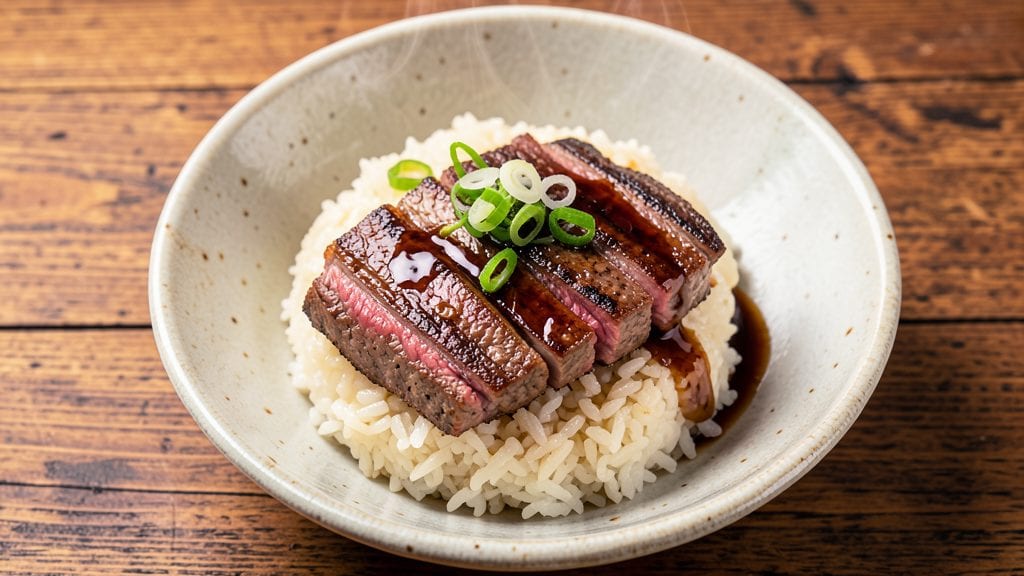
This steak donburi recipe delivers the perfect balance of tender beef, fluffy rice, and rich butter magic—just like Japan’s most beloved comfort dish. After perfecting this recipe through countless iterations, I’ve cracked the code for achieving that signature melt-in-your-mouth texture while keeping the process straightforward for home cooks.
The secret lies in thinly slicing the steak against the grain and searing it just enough to lock in juices before finishing with a generous pat of butter.
What sets this dish apart is the harmony of textures and flavors: short-grain rice that stays tender, perfectly seared steak slices, and a drizzle of melted butter that transforms the bowl into something truly indulgent.
I’ve included traditional garnishes like pickled vegetables and fried onions, but feel free to adapt with your favorite toppings—this recipe is designed to be both authentic and flexible. The plating technique is simple yet visually striking, ensuring every bite feels like a restaurant-quality experience.
By the time you’re done, you’ll have a steaming bowl of Japanese-style beef donburi that’s rich, savory, and deeply satisfying. The aroma of seared beef and melted butter will fill your kitchen, while the combination of textures—tender rice, crisp onions, and juicy steak—creates a meal that’s impossible to resist.
This is the kind of dish that turns a simple weeknight dinner into a memorable experience.
Whether you’re serving it as a main course for a special occasion or a comforting meal for yourself, this recipe delivers restaurant-quality results with minimal effort. Let’s get started on creating your perfect steak donburi.
Ingredients for steak donburi
Japanese rice, perfectly seared ribeye, and rich butter transform into this restaurant-quality donburi.
| Ingredient | Amount | Notes |
|---|---|---|
| Short-Grain Japanese Rice 🍚 | 2 cups | Uncooked, like Koshihikari or sushi rice |
| Ribeye Steak 🥩 | 1 ½ lb | Thinly sliced against grain, boneless |
| Unsalted Butter 🧈 | 4 tbsp | European-style, cold for searing |
| Japanese Soy Sauce 🥫 | 3 tbsp | Kikkoman or similar, for marinade |
| Mirin 🍶 | 2 tbsp | Sweet cooking rice wine |
| Sake 🍶 | 1 tbsp | Dry, for marinade depth |
| Garlic Cloves 🧄 | 4 cloves | Minced, for butter sauce |
| Green Onions 🧅 | ½ cup | Thinly sliced, white and green parts |
| Pickled Red Ginger 🍓 | ¼ cup | Thinly sliced, for garnish |
| Sesame Seeds 🌾 | 1 tbsp | Toasted, for finishing |
| Neutral Oil 🫒 | 2 tbsp | Vegetable or canola for searing |
| Diamond Crystal Kosher Salt 🧂 | 1 tsp | For rice seasoning |
| Ground Black Pepper 🌶️ | ½ tsp | Freshly cracked |
The rice is non-negotiable—Koshihikari or sushi rice from Japanese specialty stores or the Asian market delivers that signature stickiness. If you're stuck with long-grain, soak it extra long, but trust me, it won't be the same. For the steak, ribeye with good marbling is ideal—Costco or Whole Foods carry excellent cuts. Thinly slice it against the grain before cooking, or you'll end up with chewy bites. The butter matters too: European-style unsalted melts cleaner than American butter. Grab a block at Whole Foods if you can—it's worth the splurge for this dish.
No mirin? Substitute equal parts sugar and dry white wine, but the authentic version adds that perfect balance of sweetness. Running low on sake? Dry sherry works in a pinch, though purists will notice the difference. The garlic in the butter sauce can be roasted for a mellower flavor—just toss whole cloves in the oven at 375°F for 10 minutes before mincing. For the pickled ginger, store-bought is fine, but if you're feeling ambitious, Japanese red ginger from an Asian market pickled in vinegar and sugar is a game-changer. The green onions? Fresh is best, but frozen chopped works in a bind—just drain well before adding.
This dish reheats beautifully—better, even. The rice stays tender, and the butter sauce gets even richer. Store leftovers in an airtight container for up to 3 days in the fridge. For freezing, portion the rice and steak separately—the butter sauce doesn't play well with long-term freezing. When reheating, add a splash of water to the rice to restore moisture. The garnishes like pickled ginger and sesame seeds can be added fresh when serving, so they stay vibrant. This is one of those rare dishes that actually tastes better the next day.
Why You'll Love This Recipe
- Two-Pan Magic: I swear by this trick—cook the rice and sear the steak simultaneously. While the rice steams, that ribeye gets a perfect crust in the same pan, then melts into the butter-soy-mirin glaze. No juggling, no stress.
- Umami Bomb: That Japanese soy sauce and mirin combo? It’s like a flavor grenade. The sauce clings to the steak, turning every bite into rich, caramelized perfection—no heavy sauces, just deep, savory satisfaction.
- Date Night Ready: Honestly, this feels fancy but takes less effort than takeout. Serve it on a plate with a fried egg on top (if you’re feeling extra), and suddenly you’re feeding your partner like a Michelin-starred chef—without the hours in the kitchen.
- Leftovers Win: The rice stays fluffy for days, and the steak? Even better reheated with a splash of water. I make double portions because it’s my go-to when I’m too tired to cook—just grab and go, no fuss.
Step-by-step instructions for steak donburi recipe
Here's how to create this rich, comforting bowl where perfectly seared ribeye meets buttery, aromatic rice.
Prepare the Japanese Rice Foundation
Rinse the 2 cups of short-grain Japanese rice under cold water until the water runs clear. This removes excess starch that would make the rice gummy. Drain thoroughly in a fine-mesh strainer and return to the pot.
Combine the rice with 2 cups fresh water and bring to a boil over medium-high heat. Once boiling vigorously, reduce heat to low, cover tightly with a lid, and simmer for exactly 15 minutes. I use a rice cooker for this step—it maintains perfect even heat and prevents burning. The rice should be tender but still slightly firm in the center when done.
After cooking, let the rice steam covered for an additional 10 minutes. This resting period allows the steam to distribute evenly, resulting in perfectly fluffy grains. Fluff the rice gently with a fork before proceeding—this prevents clumping and makes it easier to serve.
Create the Flavorful Marinade and Sear the Ribeye
In a small bowl, whisk together the 3 tablespoons of Japanese soy sauce, 2 tablespoons of mirin, and 1 tablespoon of sake. This marinade should be smooth and well-combined. I like to let it sit for 5 minutes before using it—this allows the flavors to meld slightly and enhances the beef's absorption.
Slice the 1.5 lb ribeye steak thinly against the grain into strips about ¼-inch thick. Place the beef in a shallow dish and pour the marinade over it, making sure each piece is well-coated. Let it marinate for at least 15 minutes at room temperature—this ensures even cooking and maximum flavor penetration.
Heat 1 tablespoon of the neutral oil in a large skillet over medium-high heat until shimmering. Add half of the marinated beef in a single layer, being careful not to overcrowd the pan. Sear for 2-3 minutes per side until the steak develops a deep golden-brown crust. Transfer the cooked beef to a plate and repeat with the remaining steak.
Build the Signature Butter Sauce
Reduce the heat to medium and add the remaining 1 tablespoon of neutral oil to the same skillet. Add the 4 minced garlic cloves and sauté for 30 seconds until fragrant—don't let them brown or they'll become bitter. Remove the skillet from heat and immediately add the 4 tablespoons of cold unsalted butter.
Let the butter melt completely, then return the skillet to low heat. Stir constantly with a wooden spoon until the butter transforms into a glossy, golden sauce. This should take about 2-3 minutes. The sauce should coat the back of a spoon and have a rich, nutty aroma. If it separates, whisk vigorously to re-emulsify.
Return the seared beef to the skillet and toss gently to coat in the butter sauce. The heat from the beef will help melt any remaining butter and create a luxurious coating. Keep the beef warm while you prepare the remaining components.
Assemble and Garnish the Steak Donburi
Divide the fluffy Japanese rice evenly among 4 bowls. I like to use wide, shallow bowls to showcase the presentation. Arrange the seared ribeye strips artfully over the rice, fanning them out slightly for an attractive presentation.
Drizzle the beef and rice with any remaining butter sauce from the skillet. Sprinkle the 0.5 cup of thinly sliced green onions evenly over each bowl, followed by the 0.25 cup of pickled red ginger slices. Finally, toast the 1 tablespoon of sesame seeds in a dry skillet over medium heat for 1-2 minutes until fragrant, then sprinkle them over the top.
Season and Serve Immediately
Taste the rice and adjust seasoning if needed. The 1 teaspoon of Diamond Crystal kosher salt and 0.5 teaspoon of freshly cracked ground black pepper should be sufficient, but don't hesitate to add more if your rice tastes bland. The key is balance—the soy sauce from the marinade provides saltiness, while the butter sauce adds richness.
Serve the steak donburi immediately while the rice is still warm and the butter sauce is at its most luxurious. Each bite should deliver perfectly tender beef with a crispy crust, buttery richness, and the aromatic complexity of the Japanese rice. The pickled red ginger adds a bright, tangy contrast that cuts through the richness.
Pro Tips For Making Steak Donburi
- Sear the Steak First: Hit that ribeye with a screaming-hot pan—no butter yet—until you get deep brown crusts. I used to skip this and wondered why my donburi sauce never had that rich, caramelized depth. The crust melts into the sauce later, making every bite better.
- Use Cold Butter: Scoop the unsalted butter straight from the fridge and let it sit in chunks while you sear the steak. It’ll melt slower, coat the pan evenly, and create a glossy, buttery sauce instead of a greasy mess. (Yes, even if you’re impatient like me.)
- Don’t Overcrowd the Rice: Pile that steak and sauce onto the rice after it’s cooked, not while it’s steaming. I learned this the hard way—mashing hot rice into a bowl turns it mushy. Let it settle first, then dig in.
- Reduce the Sauce Fast: After deglazing with soy and mirin, crank the heat to high and let it bubble like crazy for 2-3 minutes. The alcohol burns off, and the sauce thickens into a glossy glaze instead of a watery drizzle. (Your future self will thank you.)
Pro cooking tips for great steak donburi
Perfect Slice Technique
Slice your ribeye against the grain at a ¼-inch thickness using a sharp Japanese knife like a Gyuto or Santoku. I recommend freezing the steak for 15 minutes first—this makes slicing easier and keeps the pieces more uniform.
For extra tenderness, slice the beef while still slightly chilled after searing. 🔪
Butter Magic Secrets
Use European-style unsalted butter (like Plugrá or Kerrygold) for the best flavor—it has a higher fat content that creates a richer sauce. Let the butter melt off-heat first to prevent burning, then return to low heat while stirring constantly.
If the sauce separates, whisk vigorously or add ½ teaspoon of soy sauce to help re-emulsify it. 🧈
Rice Texture Control
For fluffy, separate grains, rinse the rice until the water runs clear—this removes excess starch. Use a rice cooker if possible, but if cooking on the stovetop, maintain a gentle simmer after boiling.
After cooking, let the rice steam covered for 10 minutes—this resting period is crucial for even texture. Fluff with a fork once only to avoid crushing the grains. 🍚
Marinade Timing
Let the marinade sit for 5 minutes before applying to the beef—this allows the flavors to meld. For best results, marinate the steak for 15-30 minutes at room temperature.
If using a thicker cut like sirloin, increase marinating time to 45 minutes for deeper flavor penetration. Never marinate in the fridge—cold temperatures slow flavor absorption. ⏱️
Heat Management
Sear the beef over medium-high heat until you see a deep golden crust (about 2-3 minutes per side). If your pan isn’t hot enough, the butter sauce will steam instead of glaze.
After searing, reduce heat to medium-low when adding the butter to prevent burning. A cast-iron skillet retains heat best for this dish. 🔥
Garnish Placement
Arrange toppings in a specific order for visual appeal: Start with green onions, then pickled ginger, and finish with toasted sesame seeds. The ginger should be placed near the top edge of the bowl to contrast with the rich beef.
For extra presentation, use a small offset spatula to create a fan shape with the beef slices. 🌟
Nutrition facts
Frequently asked questions
Can I use regular long-grain rice instead of Japanese short-grain?
While you can use long-grain rice, it won't have the same sticky, fluffy texture that's key to authentic donburi. For the best results, use Koshihikari or sushi rice—they absorb flavors better and maintain their shape. If you're short on time, try jasmine rice as a compromise, but expect slightly firmer grains.
What's the best steak cut for this recipe?
Ribeye is ideal for its marbling and rich flavor, but sirloin or filet mignon work well too. Avoid lean cuts like flank steak—they won't have enough fat to create that luxurious butter sauce. For extra tenderness, choose a cut with good marbling or marinate longer (up to 45 minutes).
How do I fix butter sauce that separates?
If your butter sauce breaks, whisk vigorously to re-emulsify or add ½ teaspoon of soy sauce to help bind it. For prevention, use European-style butter (like Plugrá) and melt it off-heat first before returning to low heat. The key is constant stirring—never let it boil. A splash of warm water can also help if it's stubborn.
Can I make this ahead of time?
Yes! Reheat leftovers in the microwave for 1-2 minutes, adding a splash of water to restore moisture. Store components separately for up to 3 days—keep the rice and beef separate from the butter sauce. The rice reheats best, while the beef can be warmed gently in a skillet. Garnishes like pickled ginger should be added fresh when serving.
What if I don't have mirin or sake?
No mirin? Substitute equal parts sugar and dry white wine. No sake? Use dry sherry or extra mirin substitute. The marinade will still work, though the depth of flavor may differ slightly. For best results, try to source these ingredients at an Asian market—they're essential for authentic umami.