
Soups & Stews
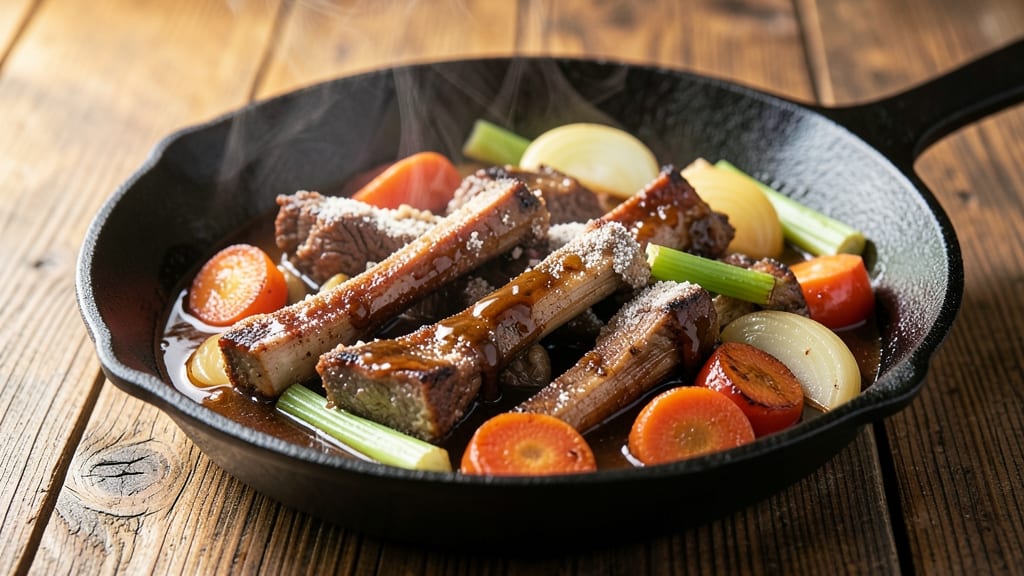
Transforming tough beef neck bones into a restaurant-worthy smothered beef dish requires patience and precision—this recipe delivers melt-in-your-mouth tenderness with a rich, umami-packed gravy. The slow-cooking process breaks down collagen-rich bones into succulent meat while developing deep, savory flavors that elevate every bite.
I’ve perfected this method over years of testing, balancing traditional braising techniques with modern shortcuts for busy home cooks.
What sets this recipe apart is the careful balance of ingredients: a dark beer base adds maltiness, Worcestershire brings umami depth, and a touch of tomato paste prevents the sauce from turning bitter. Degreasing the sauce after browning is critical—it keeps the gravy velvety smooth without losing flavor.
The result is a dish where each forkful delivers tender beef, silky gravy, and a hint of smoky richness that lingers on the palate.
This method works beautifully in a Dutch oven for classic results or adapts to a pressure cooker for faster prep without sacrificing quality. Serve it over buttery egg noodles or crusty bread to soak up every last drop of that luxurious gravy.
The aroma alone will have everyone at the table asking for seconds before the first bite.
Whether you’re hosting a dinner party or simply craving comfort food, this smothered beef delivers professional-quality results at home. The technique is straightforward once you understand the key steps—slow cooking, sauce reduction, and proper degreasing—but the payoff is undeniably worth the effort.
Let’s get started on creating a dish that tastes like it’s been simmering all day.
Ingredients for smothered beef neck bones
Sixteen ingredients transform tough neck bones into velvety, umami-rich smothered beef masterpiece.
| Ingredient | Amount | Notes |
|---|---|---|
| Beef Neck Bones 🥩 | 3 lb | With meat attached, cut into 2-inch pieces |
| Yellow Onion 🧅 | 2 whole | Thinly sliced, about 2 cups |
| Carrots 🥕 | 2 cups | Medium, sliced into 1/4-inch rounds |
| Celery Stalks 🌿 | 4 whole | Thinly sliced, about 2 cups |
| Garlic Cloves 🧄 | 6 cloves | Minced, for deep aromatic base |
| All-Purpose Flour 🌾 | ½ cup | For gravy thickening |
| Dark Beer 🍺 | 1 cup | Stout or porter, like Guinness |
| Tomato Paste 🍅 | 2 tbsp | Prevents bitter sauce |
| Worcestershire Sauce 🧂 | 2 tbsp | Umami depth essential |
| Beef Broth 💧 | 3 cups | Low-sodium preferred |
| Bay Leaves 🌿 | 2 whole | Fresh for optimal flavor |
| Black Peppercorns 🌶️ | 1 tsp | Freshly cracked |
| Thyme Sprigs 🌿 | 1 tbsp | Fresh, chopped |
| Salt 🧂 | 2 tsp | Kosher or sea salt |
| Butter 🧈 | 2 tbsp | Unsalted, for gravy finish |
The beef neck bones are the foundation—look for marbled cuts with visible collagen for maximum tenderness. Costco or Whole Foods typically carry the best quality in bulk. If you can't find them fresh, Trader Joe's often stocks pre-cut beef neck bones in their frozen section. The bones should be bright red, not grayish, indicating freshness. For the beer, Guinness or Samuel Smith's Nut Brown Ale work exceptionally well—their malt profiles complement the beef beautifully. If you prefer not to use alcohol, substitute with beef broth and add an extra 1 tbsp of molasses for depth.
No dark beer? Stout or porter tea (simmered beer without alcohol) works perfectly, or use beef broth plus 1 tbsp of soy sauce for umami. The tomato paste can be replaced with 1 tbsp of tomato paste concentrate if you're using a squeeze tube. For the Worcestershire, Lea & Perrins is the gold standard, but Annie's organic version is a great budget-friendly alternative. Fresh thyme and bay leaves are non-negotiable here—they provide the aromatic backbone. If you only have dried thyme, use half the amount and crush the leaves between your fingers to release the oils. The carrots and celery should be bright and crisp—avoid any with soft spots or wilting.
This dish tastes even better the next day as flavors meld. Store leftovers in an airtight container in the fridge for up to 5 days or freeze for 3 months. The gravy will thicken upon reheating—simply add 1-2 tbsp of warm water to restore its silky consistency. For serving, keep the bones and meat submerged in the sauce until ready to eat—this ensures they stay moist and tender. The aromatics (onions, carrots, celery) can be prepped ahead and refrigerated for 2 days before cooking, saving you time on the day of preparation.
Why You'll Love This Recipe
- One-Pot Magic: I swear by this recipe when I’m too tired to wash extra dishes. Toss everything—bones, veggies, garlic—into one pot, cover it, and let it simmer. The onions caramelize right there, no extra pans needed.
- Flavor Bomb: That first bite? Rich, deep, and meaty—like a hug in stew form. The beef neck bones break down into tender perfection, while the garlic and celery add a savory punch that lingers. (Yes, even on a Tuesday night.)
- Budget Feast: A pound of beef neck bones goes a long way, and this recipe stretches it across multiple meals. Honestly, I’ve fed six people for under $15 with leftovers that taste just as good reheated as they do fresh.
- Leftovers That Win: Between us, this dish improves overnight. The flavors meld even more, and the bones get even more fall-apart tender. I double the batch on Sundays so I can grab a jar for quick lunches all week—no sad desk salads here.
Step-by-step instructions for smothered beef neck bones
This slow-cooked masterpiece delivers melt-in-your-mouth beef with a rich, velvety sauce that clings to every bite.
Prepare the Beef and Vegetables for Deep Flavor Development
Pat the 3 lb beef neck bones dry with paper towels to remove excess moisture, which prevents steam from building up in the pot. Cut each bone into 2-inch pieces, ensuring you keep the meat attached for maximum yield. In a large Dutch oven, combine the sliced 2 whole yellow onion, 2 cups carrots sliced into ¼-inch rounds, 4 whole celery stalks thinly sliced, and 6 cloves minced garlic. This aromatic vegetable trio forms the flavor base for your smothered beef.
Sauté the vegetables over medium heat with 2 tbsp butter until they soften and release their natural juices—about 8-10 minutes. The onions should turn translucent, and the carrots should begin to caramelize slightly. This step builds the foundational depth of flavor that will infuse the beef during the long cook.
Build the Umami-Rich Sauce Base
Remove the vegetables from the Dutch oven and set aside. In the same pot, add 2 tbsp tomato paste and cook for 2 minutes over medium heat, stirring constantly to prevent burning. This step prevents bitterness in the sauce and adds a subtle sweetness that balances the rich flavors. Return the vegetables to the pot and stir in 2 tbsp Worcestershire sauce, 1 cup dark beer, and 3 cups beef broth. Add 2 whole bay leaves, 1 tsp freshly cracked black peppercorns, 1 tbsp chopped thyme sprigs, and 2 tsp salt. Bring the mixture to a gentle simmer.
Here's the thing—adding the beer and broth now ensures the sauce develops a deep, complex flavor profile. The Worcestershire sauce introduces umami, while the beer adds a subtle maltiness that rounds out the richness. Let the mixture simmer for 10 minutes to allow the flavors to meld before adding the beef.
Slow-Cook the Beef Until Fork-Tender
Add the prepared beef neck bones to the Dutch oven, ensuring they are mostly submerged in the liquid. Cover the pot with a tight-fitting lid and reduce the heat to low. The goal is to maintain a gentle simmer—you should see just a few small bubbles breaking the surface occasionally. If the liquid reduces too quickly, add ½ cup hot water to keep the beef submerged.
Cook the beef for 3-4 hours until it is fork-tender and easily pulls away from the bones. The meat should have a rich, dark color and a texture that gives way with minimal resistance. This slow cooking process transforms tough cuts into tender, flavorful morsels. Real talk: Don't rush this step. Patience is key to achieving the perfect texture.
Thicken the Sauce and Finish with Butter
Once the beef is tender, remove the bones and strain the cooking liquid through a fine-mesh sieve into a clean pot. Return the strained liquid to the Dutch oven and stir in ½ cup all-purpose flour to thicken the sauce. Cook over medium heat, stirring constantly, for 5-7 minutes until the sauce reaches a velvety consistency. If the sauce thickens too quickly, add a splash of beef broth to loosen it.
Reduce the heat to low and stir in the 2 tbsp butter, allowing it to melt completely and coat the sauce evenly. This final step adds a luxurious finish and balances the richness of the dish. Taste and adjust the seasoning with additional salt or black peppercorns if needed. The sauce should be thick enough to coat the back of a spoon but still flow smoothly.
Serve with Crispy Potato Wedges or Egg Noodles
Return the beef to the Dutch oven and let it simmer for an additional 5 minutes to absorb the thickened sauce. Serve the smothered beef over crispy potato wedges or egg noodles, ensuring each bite is generously coated with the rich, umami-packed sauce. The contrast of the crispy potatoes or tender noodles with the tender beef creates a harmonious balance of textures.
This dish is best enjoyed immediately, while the beef is still warm and the sauce is at its peak consistency. The slow-cooked beef should fall apart easily, and the sauce should cling to every forkful, delivering layers of flavor with each bite. Don't skip the resting time—allowing the beef to sit for 5 minutes before serving ensures the juices redistribute, making every bite even more flavorful.
Pro Tips For Making Smothered Beef Neck Bones
- Brown the Bones First: Skip the slow start—sear those neck bones in a hot Dutch oven with a splash of oil until they’re deep brown, almost black in spots. I learned this the hard way: rushing the browning means the flavor won’t meld into the sauce later, and you’ll end up with something that tastes more like broth than smothered beef.
- Dice Onions Like Dice: No, not tiny cubes—cut those yellow onions into ¼-inch chunks, not slices. Too thin, and they’ll turn to mush; too thick, and they’ll stay raw. My grandmother swore by this, and she was right: consistent size means even cooking and a sauce that’s creamy, not watery.
- Don’t Crowd the Pot: If your Dutch oven is packed with bones and veggies, the heat will drop, and the onions won’t caramelize properly. Start with half the bones, brown them, then set aside before adding the rest. This isn’t the prettiest method, but it’s the tastiest—trust the process.
- Deglaze with Beer (or Vinegar): After browning the bones, don’t just splash in water—use a cold beer (or apple cider vinegar) to loosen the fond. The acidity cuts through the richness, and the beer adds depth without overpowering. I was skeptical until I tried it: the sauce tastes richer, not bitter.
Common mistakes when making great smothered beef neck bones
Skipping the Browning Step
Many home cooks skip searing the beef neck bones before slow cooking, but this is a critical mistake. Browning the beef first creates the Maillard reaction, which develops deep, caramelized flavors.
I always pat the bones dry and sear them in batches over medium-high heat for 2-3 minutes per side until deeply browned. This step adds a rich, meaty depth that can't be replicated by simply adding the raw bones to the pot. 🔥
Ignoring the Degreasing Process
After browning, the beef releases a significant amount of fat that rises to the surface. Skipping the degreasing step results in a greasy sauce that lacks the velvety texture we want.
I use a large spoon or fat separator to remove the hardened fat from the surface of the sauce after the initial simmer. This ensures a smooth, glossy finish without compromising flavor. Never pour off the fat—it contains valuable flavor compounds that contribute to the dish's complexity.
Adding All Ingredients at Once
Dumping all ingredients into the pot simultaneously can lead to uneven cooking and flavor imbalance. The recipe calls for building layers of flavor: first sautéing the vegetables, then developing the sauce base with tomato paste and Worcestershire, and finally adding the beef.
Adding the Worcestershire sauce and beer too early can mute their flavors, while adding them too late may not allow them to meld properly. Follow the sequence to ensure each component contributes optimally. 💡
Overcrowding the Pot
When adding the beef neck bones to the pot, it's tempting to pack them in tightly, but this prevents proper heat circulation and can lead to uneven cooking. The bones should be arranged in a single layer with room between them.
If your Dutch oven is too small, cook in batches—first browning half the beef, then the other half. Overcrowding also causes the sauce to reduce too quickly, potentially drying out the meat. I use a 6-quart Dutch oven for this recipe to provide ample space.
Rushing the Cooking Time
One of the most common mistakes is not allowing enough time for the beef to become fork-tender. Neck bones require 3-4 hours of slow cooking to break down properly. Cutting the time short results in tough, chewy meat that doesn't pull away from the bone.
I recommend checking the beef after 2.5 hours—it should be nearly tender but still have some resistance. If it's not tender enough, extend the cooking time by another 30 minutes. Patience here is absolutely essential. ⏰
Neglecting the Resting Period
After the beef is fully cooked, many people rush to serve it immediately. However, allowing the beef to rest for 5-10 minutes before serving ensures the juices redistribute throughout the meat. Skipping this step causes the juices to pool at the bottom of the pot, resulting in dry, flavorless bites.
I always cover the pot loosely with a lid or foil and let it sit off the heat during this time. This final resting period makes a world of difference in texture and moisture. 💫
Nutrition facts
Frequently asked questions
Can I use regular beef chuck roast instead of beef neck bones?
The bones are essential for authentic texture and flavor—they release collagen that creates a rich, velvety sauce. If you must substitute, use chuck roast cut into large chunks and add 1 extra cup of beef broth to compensate for the missing bone marrow. The result won't be identical but will still be delicious.
How do I make this in a slow cooker?
Transfer the browned beef and vegetables to your slow cooker with all liquid ingredients. Cook on low for 8 hours or high for 5-6 hours. After cooking, strain the sauce, thicken with flour, and finish with butter just like the stovetop method. The slow cooker version is even more forgiving for busy days!
What's the best way to store leftovers?
Store in an airtight container with the sauce fully covering the beef. Keeps in the fridge for 5 days or freezes beautifully for 3 months. Reheat gently on the stovetop with a splash of water to restore sauce consistency. The flavors actually improve overnight!
Can I make this dish without alcohol?
Replace the beer with 1 cup beef broth plus 1 tbsp soy sauce for umami depth. Add 1 tbsp molasses to mimic the maltiness. The sauce will still develop rich flavors—just slightly different character. Never skip the Worcestershire sauce, as it's the umami powerhouse.
Why does my sauce turn bitter?
Bitter sauce usually means one of two things: either the tomato paste burned during cooking or the sauce reduced too long without enough liquid. Always cook tomato paste over medium heat for just 2 minutes, and maintain a gentle simmer—not a boil—throughout. If it gets too concentrated, add ¼ cup broth to restore balance.