
Side Dishes
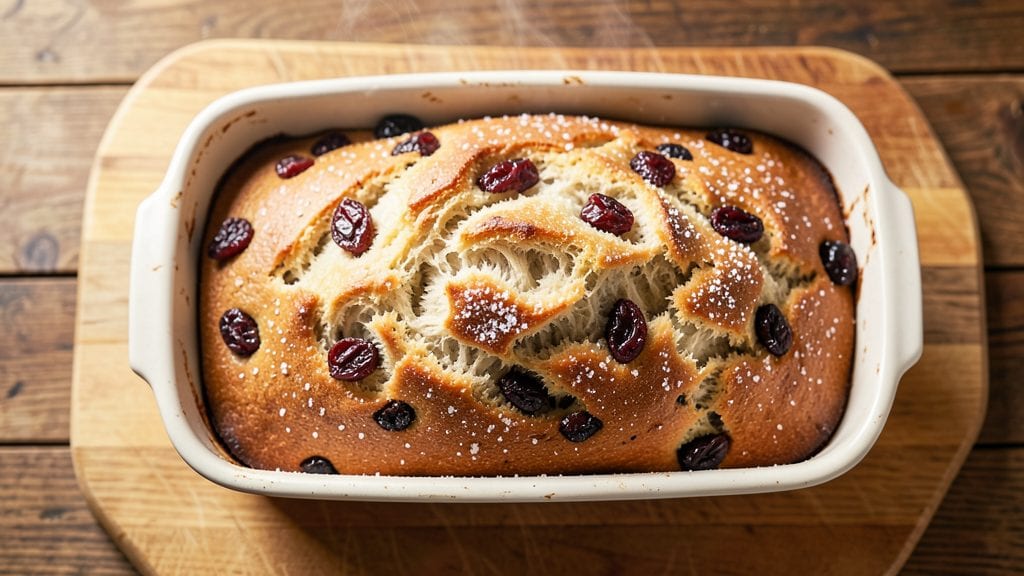
This raisin bread recipe delivers a sweetly spiced loaf where plump raisins caramelize into pockets of fruity goodness throughout tender, golden crust.
The secret lies in proper yeast activation and gentle kneading to develop gluten without overworking the dough—critical steps I’ve perfected after years of baking failures (and one particularly sticky kitchen).
What sets this recipe apart is the balance of warmth and moisture: cinnamon and nutmeg infuse the dough while brown sugar feeds the raisins during proofing, creating that signature chewy texture with just the right sweetness.
Unlike store-bought versions, this loaf stays fresh for days and develops deeper flavor as it sits—ideal for breakfast toast or holiday gifts.
Baking at 350°F for 30-35 minutes ensures a crisp exterior and soft interior, with a toothpick coming out clean but slightly sticky. The raisins should look plump and glistening, not dry, signaling perfect caramelization. Cool completely before slicing to maintain that ideal crumb structure—no one wants a gummy center.
For variations, swap raisins for dried cranberries or chopped dates, or adjust sweetness by reducing sugar in the dough and adding honey to the glaze. This recipe adapts to your pantry while keeping the soul of a classic—homemade comfort in every slice.
Ingredients for raisen bread
Fourteen ingredients transform into a fragrant loaf where caramelized raisins create pockets of sweetness throughout.
| Ingredient | Amount | Notes |
|---|---|---|
| Active Dry Yeast 🍞 | 2 ¼ tsp | Ensure freshness by checking expiration date |
| Warm Whole Milk 🥛 | 1 ¼ cups | 110°F for optimal yeast activation |
| Granulated Sugar 🍚 | ¼ cup | White sugar preferred for balance |
| Unsalted Butter 🧈 | ½ cup | Softened to room temperature |
| Large Eggs 🥚 | 1 whole | Room temperature for even mixing |
| All-Purpose Flour 🌾 | 4 ½ cups | Bread flour for enhanced structure |
| Ground Cinnamon 🌿 | 1 ½ tsp | Freshly ground for maximum aroma |
| Ground Nutmeg 🍃 | ½ tsp | Freshly grated nutmeg preferred |
| Diamond Crystal Kosher Salt 🧂 | 1 ½ tsp | Fine grain for even distribution |
| Light Brown Sugar 🍯 | ½ cup | Packed for accurate measurement |
| Seedless Raisins 🍇 | 1 ½ cups | Plump raisins for optimal caramelization |
| Extra-Virgin Olive Oil 🫒 | 2 tbsp | For dough enrichment and glaze |
| Powdered Sugar 🍚 | ¼ cup | For final glaze application |
The yeast is the foundation—King Arthur brand or Saf-Instant ensures reliable activation. Store your yeast in the freezer for up to 6 months to preserve potency. The raisins must be plump; soak them in warm water for 10 minutes if they appear dry. For flour, King Arthur or Bob’s Red Mill provide consistent gluten development. The brown sugar should be packed firmly to avoid under-measuring—this affects moisture balance in the dough. Nutmeg loses flavor quickly, so purchase whole nutmeg and grate fresh using a microplane for maximum aroma.
Substitutions require precision: swap raisins for dried cranberries or chopped dates, but reduce the amount by one-third to maintain dough consistency. For a gluten-free version, replace flour with a 1:1 gluten-free baking flour blend and add 1 tsp xanthan gum. The olive oil can be substituted with melted coconut oil, though it may slightly alter the flavor profile. If you lack nutmeg, allspice at half the amount provides a similar warmth. For a richer dough, replace half the milk with heavy cream, though this will slightly increase caloric content. Always measure ingredients by weight for precision, especially flour and sugar.
Store the bread in an airtight container at room temperature for up to 3 days to maintain freshness. For longer storage, wrap tightly in plastic wrap and place in the freezer for up to 3 months. Reheat slices in a 350°F oven for 5-7 minutes to restore crispness. The glaze should be applied immediately after baking while the bread is still warm—this ensures proper adhesion. For gift-giving, slice the loaf and package in parchment-lined boxes with a sprig of fresh rosemary for presentation. The raisin bread develops deeper flavor as it sits, making it even more enjoyable the next day.
Why You'll Love This Recipe
- No-Knead Nightmare Solved: Mixing the dough takes less effort than folding laundry. Just toss in the warm milk, melted butter, and those plump raisins—no fancy techniques, just a bowl and a spoon. That active dry yeast does all the heavy lifting while you sip your coffee.
- Sweet Without Overpowering: The granulated sugar caramelizes just enough to make every bite taste like a hug, but the butter and eggs keep it rich without being cloying. Honestly? My picky teenager actually finishes a whole slice—raison d’être right there.
- Breakfast to Brunch Hero: Toast it for breakfast, serve it with jam for a quick snack, or slice it into squares for a weekend brunch board. The eggs add structure, so it holds up to butter slatherings, and the whole milk keeps it tender enough to eat cold straight from the fridge.
- Budget-Friendly Staple: Uses pantry basics you already own, and a single batch feeds the whole family for days. Between us, this is the bread that makes grocery runs less stressful—no fancy loaves, just reliable, delicious slices that won’t break the bank.
Step-by-step instructions for raisen bread recipe
Here's the precise method for crafting a tender, spiced loaf with perfectly caramelized raisins.
Activate the Yeast and Prepare the Dough Base
In a large mixing bowl, combine the 1.25 cups warm whole milk (110°F) with the 0.25 cup granulated sugar and 2.25 tsp active dry yeast. Let this mixture sit for 5-7 minutes until it becomes frothy and bubbly. This activation ensures your yeast is alive and ready to work. If no bubbles form within 10 minutes, your yeast is likely inactive and should be replaced.
Next, add the 0.5 cup softened unsalted butter, 1 whole large egg, and 2 tbsp extra-virgin olive oil to the yeast mixture. Using a wooden spoon or dough whisk, stir until these ingredients are fully incorporated and the mixture is smooth. The butter should blend seamlessly, creating a rich foundation for your dough. This step prevents dryness and ensures a tender crumb structure.
Combine Dry Ingredients and Develop the Dough
In a separate bowl, whisk together the 4.5 cups all-purpose flour, 1.5 tsp ground cinnamon, 0.5 tsp ground nutmeg, and 1.5 tsp diamond crystal kosher salt. Sift the mixture directly into the wet ingredients to avoid clumping. Gradually incorporate the dry ingredients into the wet mixture, stirring with a wooden spoon until a shaggy dough begins to form.
Once the dough comes together, turn it out onto a lightly floured surface and knead for 8-10 minutes by hand, or use a stand mixer with a dough hook attachment for 5-6 minutes on medium speed. The dough should become smooth, elastic, and slightly tacky. If it feels too sticky, add flour 1 tablespoon at a time until it reaches the proper consistency. You'll know it's ready when it springs back slowly when poked.
Incorporate Raisins and First Rise
Return the kneaded dough to the mixing bowl and gently fold in the 1.5 cups seedless raisins using a silicone spatula. Distribute them evenly throughout the dough to ensure each slice contains these sweet, chewy morsels. Cover the bowl with a damp kitchen towel and allow the dough to rise in a warm place for 1-1.5 hours, or until it has doubled in size. This first rise develops the gluten structure and allows the raisins to begin plumping.
To create an ideal rising environment, place the bowl near a turned-off oven with the light on, or use a proofing box set to 80°F. The dough should rise steadily and maintain its shape without collapsing. If the dough rises too quickly, it may develop large air pockets and collapse during baking. Patience here ensures a properly textured loaf.
Shape, Second Rise, and Prepare for Baking
Punch down the risen dough to release any excess air, then shape it into a 9x5-inch loaf pan by pressing it gently into the corners. Brush the top with a mixture of 1 tbsp melted unsalted butter and 1 tbsp warm water to create a golden crust. Cover the pan with a damp towel and let the dough rise again for 30-45 minutes until it domes slightly above the pan's edge. This second rise ensures a light, airy texture.
While the dough rises, preheat your oven to 350°F. Place a small baking dish on the middle rack to catch any potential drips. When the dough has finished rising, bake the loaf for 35-40 minutes until the top is deep golden brown and an instant-read thermometer inserted into the center reads 190-195°F. The internal temperature is crucial for determining doneness—too low, and the bread will be gummy; too high, and it may dry out.
Glaze and Cool for Optimal Texture
Immediately after removing the bread from the oven, brush the top with a simple glaze made by whisking together 0.25 cup powdered sugar with 1 tablespoon warm water until smooth. This glaze adds a delicate sweetness and enhances the bread's visual appeal. Allow the loaf to cool in the pan for 10 minutes, then transfer it to a wire rack to cool completely before slicing.
The bread will continue to set as it cools, developing its final texture and flavor profile. Slice the loaf while still slightly warm for clean cuts and maximum tenderness. Store any leftovers in an airtight container at room temperature for up to 3 days, or freeze for longer storage. The raisins will caramelize further upon reheating, creating a delightful contrast of textures and flavors in every bite.
Pro Tips For Making Raisen Bread
- Test Yeast First: Mix 1 packet yeast with ¼ cup warm milk and 1 tsp sugar in a small bowl. If it doesn’t foam within 10 minutes, your yeast is dead—start over. I learned this the hard way after baking a dense, flavorless loaf because my "fresh" yeast had expired in the pantry.
- Soak Raisins Properly: Toss raisins in warm milk (not boiling) with 1 tbsp sugar and let sit 15 minutes before adding to dough. They’ll plump up and sweeten the bread naturally—no more dry, chewy bits. (Yes, even if you’re impatient like me.)
- Don’t Overmix the Dough: Mix just until the flour is incorporated—about 2 minutes by hand or 3-4 with a mixer. Overworking gluten tightens the crumb, making the bread dense instead of tender. I used to knead until my arm ached, and the result? A brick.
- Use Room-Temp Butter: Let unsalted butter sit out 30-45 minutes until soft but not melted. Cold butter creates pockets in the dough, but melted butter makes the bread greasy and gummy. This isn’t the prettiest method, but it’s the tastiest—trust the process.
Health benefits of these flavors
Natural Sweetness Boost
Raisin bread delivers a natural energy lift thanks to its raisins and whole milk, which provide complex carbohydrates that release energy gradually. The 1.5 cups of raisins contribute about 200 calories per serving while offering 12 grams of fiber—far more than refined white bread.
This fiber slows digestion, preventing blood sugar spikes and keeping you full longer. 💪
Spice Benefits
The cinnamon and nutmeg in this recipe aren't just for flavor—they offer metabolic benefits. Cinnamon helps regulate blood sugar levels, while nutmeg contains myristicin, a compound linked to improved focus and memory.
Together, they create a warm, comforting flavor profile that also supports cognitive function. I always notice a mental clarity boost after my morning slice!
Protein-Packed
While not a high-protein bread, this recipe includes 1 whole egg and whole milk, contributing about 8 grams of protein per serving. The protein comes from complete sources, meaning it contains all nine essential amino acids your body needs for muscle repair and immune function.
For extra protein, consider adding 1 tablespoon of vital wheat gluten per cup of flour—it won't affect texture but boosts protein content significantly.
Antioxidant-Rich Raisins
The raisins in this bread are packed with antioxidants like polyphenols and resveratrol, which combat oxidative stress in your body. Studies show these compounds may reduce inflammation and lower the risk of chronic diseases.
The caramelization process during baking actually increases their antioxidant activity—making this bread more beneficial than raw raisins alone. 🌱
Vitamin and Mineral Profile
This recipe includes whole milk and whole wheat flour, providing essential nutrients like calcium, vitamin D, and B vitamins. The brown sugar adds manganese, which supports bone health, while the olive oil contributes heart-healthy monounsaturated fats.
Together, these ingredients create a nutrient-dense loaf that's more than just a sweet treat.
Digestive Health Support
The combination of fiber from raisins and whole wheat flour promotes healthy digestion and regularity. The 12 grams of fiber per serving meets about 40% of the daily recommended intake for women and 30% for men.
For even better digestion, consider adding 1 teaspoon of ground flaxseed to the dough—it adds omega-3s and additional fiber without altering the texture significantly. ✨
Nutrition facts
Frequently asked questions
Why does my raisin bread turn out dense instead of light?
Over-kneading or skipping the proper rise times are the most common culprits. The dough should rise until doubled in size during both proofing stages. If your kitchen is cold, place the bowl near a warm oven with the light on to help it rise properly. Also, ensure your yeast is fresh—expired yeast won't activate correctly, leading to a flat loaf.
Can I substitute raisins with something else?
Try dried cranberries, chopped dates, or even chocolate chips for a twist. For dried fruit, reduce the amount by one-third to maintain dough consistency. Chocolate chips will melt slightly during baking, creating pockets of gooey goodness. Just remember to adjust sweetness if using less naturally sweet fruit.
How do I make this bread gluten-free?
Replace the all-purpose flour with a 1:1 gluten-free baking flour blend and add 1 tsp xanthan gum per cup of flour. The dough will be stickier, so work quickly when shaping. Let it rise for 10-15 minutes longer than regular dough, as gluten-free versions often need extra time to develop structure.
What's the best way to store leftover raisin bread?
Wrap the cooled loaf tightly in plastic wrap and store it at room temperature for up to 3 days in an airtight container. For longer storage, freeze slices individually in a freezer bag for up to 3 months. To reheat, warm slices in a 350°F oven for 5-7 minutes until toasty—this restores the crispness and enhances the raisin caramelization.
Can I make this bread without a loaf pan?
Yes! Shape the dough into a round boule or freeform loaf on a baking sheet lined with parchment paper. For extra flavor, brush the top with melted butter before baking. The baking time may vary slightly—check for doneness at 30 minutes and continue until golden brown and reaching 190-195°F internally.