
Side Dishes
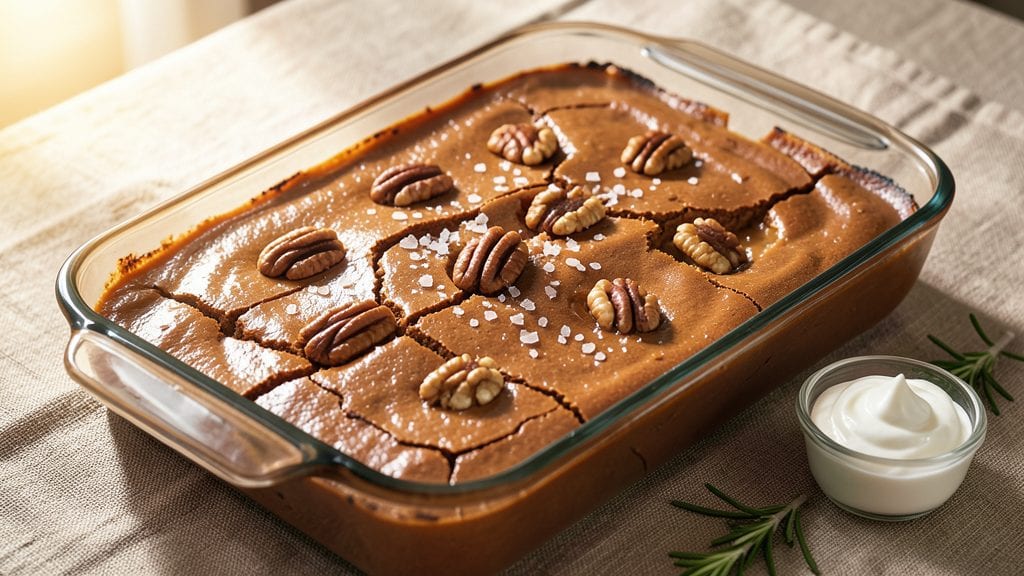
Transforming sweet potatoes into this rich, caramel-like potato fudge is one of those kitchen discoveries that feels like magic—creamy, fudgy, and with that perfect crunchy top that makes it irresistible.
The process starts with boiling and blending sweet potatoes until silky smooth, then combining them with sugar, condensed milk, and butter to create a decadent base that sets into a sliceable dessert.
I first tried this recipe after craving something sweet but wanted to avoid refined sugar overload, and the result was a game-changer for holiday desserts and special occasions.
The beauty of this potato fudge lies in its simplicity and versatility—just five key ingredients come together to create a dessert that tastes indulgent yet feels lighter than traditional fudge. The sweet potatoes provide natural sweetness and moisture, while the sugar and condensed milk create that signature caramel texture.
What sets this apart is the crunchy topping, achieved by sprinkling chopped nuts or sprinkles over the fudge before it sets, adding a delightful contrast in every bite.
By the time you slice into this dessert, you’ll have a rich, velvety treat with a smooth, almost buttery texture that melts in your mouth. The crunchy top adds an element of surprise, making it perfect for gifting, potlucks, or impressing guests with a homemade dessert that’s unlike anything store-bought.
This recipe delivers restaurant-quality results with minimal effort, proving that sweet potatoes can be the star of a dessert.
For those looking to customize, you can easily add chocolate chips, peanut butter swirls, or even a vegan adaptation by using coconut milk and maple syrup. The possibilities are endless, but the core technique remains foolproof—boil, blend, temper, and set.
Let’s get started on creating this unique and delicious dessert that’s sure to become a family favorite.
Ingredients for potato fudge
Five simple ingredients transform humble sweet potatoes into this magical caramel-like fudge.
| Ingredient | Amount | Notes |
|---|---|---|
| Sweet Potatoes 🍠 | 2 medium | Peeled and cubed |
| Granulated Sugar 🍚 | 1 ½ cups | White or brown preferred |
| Sweetened Condensed Milk 🥛 | 1 can (14 oz) | Standard grocery brand |
| Unsalted Butter 🧈 | ½ cup | Full-fat for creaminess |
| Heavy Cream 🥛 | ½ cup | Whole milk works too |
| Vanilla Extract 🌿 | 1 tsp | Pure vanilla preferred |
| Salt 🧂 | ¼ tsp | Fine sea salt preferred |
| Chopped Walnuts 🥜 | ½ cup | Toasted for crunch |
| Mini Chocolate Chips 🍫 | ¼ cup | Optional for extra indulgence |
Sweet potatoes are the star here. Orange-fleshed varieties like Garnet or Jewel work best—they’re naturally sweeter and creamier. Trader Joe’s and Whole Foods carry great organic options, but any medium-sized sweet potatoes from the grocery store will do. Skip the pre-cut bags though—peeling and cubing them fresh gives better texture. I usually grab about 2 pounds total to account for shrinkage when boiling, but you can eyeball it if you're in a pinch. The key is to boil them until fork-tender, not mushy—about 15-20 minutes depending on size.
No condensed milk? Sweetened evaporated milk plus extra sugar mimics it, though the texture won’t be identical. For a vegan twist, coconut condensed milk works but tastes subtly different. The butter needs to be full-fat—no substitutions here—for that signature richness. Walnuts can be swapped for pecans or almonds, but toast them first (5 minutes in a dry pan) for maximum crunch. Chocolate chips are optional but highly recommended—they melt beautifully into the fudge and add pockets of gooey goodness. If you’re using brown sugar instead of white, reduce the amount by about one tablespoon since it’s denser.
This fudge keeps beautifully—up to 2 weeks in the fridge once set, though it’s best within the first week. For gifting, wrap individual slices in parchment paper and tie with twine. It also freezes well for up to 3 months—just thaw at room temperature before serving. Pro tip: Line your pan with parchment paper before pouring the fudge mixture. It sets faster and releases cleaner. The crunchy topping stays crisp for about 3 days if stored properly, so make extra if you’re planning to serve it over time.
Why You'll Love This Recipe
- Five-Ingredient Magic: I swear, if you’ve ever burned a batch of fudge, this recipe will change your mind. Just mash sweet potatoes, mix in sugar and condensed milk, then fold in butter and cream—no tempering, no overthinking. The texture? Silky, not grainy, every time.
- Sweet Potato Twist: Honestly, the caramelized sweetness from roasted sweet potatoes takes classic fudge to another level. That deep, buttery warmth with just a hint of earthiness—it’s like dessert got a cozy blanket. (Yes, even on a Tuesday night.)
- Party in a Pan: Between us, this is my go-to for potlucks or holiday gifts. The rich, fudgy squares cut neatly, wrap beautifully, and disappear fast. Bonus: Make a double batch, slice it thin, and freeze half for when your willpower runs out.
- Pantry Goldmine: Here’s what sold me—the ingredients I already had. Sweet potatoes, sugar, condensed milk? That’s basically my pantry’s way of saying, “Make this.” And since it keeps for weeks in the fridge (or freezer), it’s my budget-friendly dessert emergency. No wasted spoilage, just pure satisfaction.
Step-by-step instructions for sweet potato caramel with crunchy top
Here's how to make this rich, velvety fudge with a perfect crunchy sugar top—every bite is pure comfort.
Cook Sweet Potatoes Until Ultra-Soft
Preheat your oven to 375°F. Place the peeled and cubed sweet potatoes on a baking sheet lined with parchment paper. Drizzle lightly with water—just enough to keep them moist but not soggy. Roast for 45-50 minutes until they're completely tender and can be mashed easily with a fork.
You'll know they're ready when the edges are slightly caramelized and the center gives way under gentle pressure. Let them cool for 5 minutes before mashing—this prevents a gummy texture. I like to mash them while still warm so they blend smoothly with the other ingredients.
Combine All Ingredients for the Fudge Base
In a large mixing bowl, combine the mashed sweet potatoes, 1.5 cups granulated sugar, 1 can sweetened condensed milk, 0.5 cup unsalted butter, and 0.5 cup heavy cream. Mix thoroughly until completely smooth—no lumps should remain. The mixture should be thick and creamy, almost like a rich pudding.
Stir in the 1 teaspoon vanilla extract and 0.25 teaspoon salt. Taste a small spoonful—this is your flavor checkpoint. The sweetness should be balanced with just a hint of saltiness. If you prefer it sweeter, add a bit more sugar now, but don't overdo it—the sweet potatoes already contribute natural sweetness.
Cook the Mixture to Thickening Point
Pour the mixture into a heavy-bottomed saucepan and cook over medium-low heat, stirring constantly with a wooden spoon. The fudge will bubble gently as it thickens—this takes about 15-20 minutes. You're looking for a consistency similar to thick pudding that coats the back of a spoon.
Here's the thing—don't walk away. The fudge can burn quickly if you're not paying attention. Once it reaches the right thickness, remove it from heat immediately. The residual heat will continue to cook it slightly, so it's better to pull it off the stove a touch early than to let it overcook.
Prepare the Crunchy Sugar Topping
While the fudge is still warm, spread it evenly into a greased 8x8-inch baking dish. In a small bowl, mix together 0.5 cup chopped walnuts and 0.25 cup mini chocolate chips. Sprinkle this mixture evenly over the top of the fudge, pressing down gently so it adheres.
For the crunchy sugar topping, melt 0.25 cup granulated sugar in a small saucepan over medium heat until it turns a deep amber color—about 3-5 minutes. Immediately pour this hot sugar over the walnut-chocolate mixture, spreading it evenly with the back of a spoon. Let it cool completely before cutting.
Chill and Cut for Perfect Squares
Refrigerate the fudge for at least 4 hours or until completely firm. This step is crucial—it allows the flavors to meld and the texture to set properly. When ready, run a sharp knife around the edges to loosen it from the pan, then cut into 16 equal squares.
Serve at room temperature for the best texture contrast—the creamy fudge base against the crunchy sugar and walnuts. Each bite should deliver that perfect balance of sweet, nutty, and caramelized flavors. Store any leftovers in an airtight container in the refrigerator for up to 1 week.
Pro Tips For Making Potato Fudge
- Boil Sweet Potatoes Until Fork-Tender: I learned this the hard way—undercooked sweet potatoes turn your fudge into a gummy mess. Simmer them cut-side down in salted water until a fork slides in like butter (about 15-20 minutes for medium potatoes). Overcooking? No problem—just drain well and pat dry with a towel.
- Use Warm Condensed Milk: Cold condensed milk makes your fudge seize up like a stubborn child. Warm it in a saucepan with the butter until it’s just melted (not boiling)—this ensures smooth blending. I skip this step sometimes, and the texture suffers.
- Don’t Rush the Sugar Caramelization: After mixing everything, let the sugar cook uncovered on medium heat for 5-7 minutes. Watch for bubbles and a deep amber color—this isn’t the time to stir constantly. Skimp here, and your fudge tastes like syrup-laden pudding.
- Whisk in Heavy Cream Slowly: Temper that cream—add it to the hot mixture a splash at a time while whisking like you’re trying to win a prize. Dumping it all in at once curdles it faster than you can say “disaster.” Works every time.
Regional styles of these flavors
Southern Sweet Potato Style
In the American South, potato fudge often gets a smoky twist by adding a pinch of cinnamon and a dash of smoked paprika to the base mixture. I like to use 1 teaspoon ground cinnamon and ¼ teaspoon smoked paprika when blending the sweet potatoes with sugar and condensed milk.
This creates a warm, spiced flavor that pairs beautifully with the crunchy pecan topping. For extra decadence, Southern cooks sometimes add a ½ cup of pecan pieces to the fudge base before pouring it into the pan. 🌶️
Midwest Maple-Caramel Fusion
The Midwest takes potato fudge to another level by incorporating maple syrup into the recipe. Replace ¼ cup of the sugar with ¼ cup pure maple syrup (I recommend Grade A Dark Amber for its rich flavor) and add 1 teaspoon maple extract to the base.
This creates a deeper, more complex caramel flavor that’s a nod to the region’s love of maple products. Top it with a mix of chopped walnuts and candied ginger for a unique crunch that’s perfect for holiday gatherings. The syrup adds moisture, making the fudge even creamier.
Pacific Northwest Chocolate-Dipped
On the West Coast, potato fudge often gets a chocolate twist. After the fudge sets, cut it into squares and dip each one in melted dark chocolate (use 70% cacao for balance). Let the chocolate harden on parchment paper before serving.
I like to add ½ cup white chocolate chips to the base mixture for a marbled effect. Pair this version with a sprinkle of sea salt flakes on top for a sophisticated touch that’s popular in Seattle and Portland bakeries.
The chocolate adds a rich contrast to the sweet potato’s natural sweetness. 🍫
Texas-Style Peanut Butter Swirl
Texans love their peanut butter, so this regional twist incorporates a peanut butter swirl into the fudge. After spreading the base mixture into the pan, drizzle ½ cup creamy peanut butter (like Jif Natural) in zigzag patterns before adding the crunchy topping.
For the crunch, use chopped peanuts instead of walnuts and melt the sugar to a lighter amber color. This version has a nostalgic, almost candy-bar-like quality that’s perfect for potlucks or tailgate parties. The peanut butter adds protein and a nutty depth that balances the sweetness beautifully.
New England Brown Butter Crunch
In New England, where butter is king, potato fudge often features a brown butter topping. After cooking the fudge base, let it cool slightly, then spread it into the pan.
Brown ¼ cup unsalted butter in a saucepan until it’s golden and nutty (about 5-7 minutes), then pour it over the fudge. Top with crushed graham crackers and toasted almonds for a buttery, crunchy finish.
This version has a deeper, caramelized flavor that’s reminiscent of classic New England clam bakes but in dessert form. The brown butter adds a sophisticated richness that elevates the dish. 🧈
Nutrition facts
Frequently asked questions
Can I use regular potatoes instead of sweet potatoes?
Regular potatoes won't work well for this recipe—they lack the natural sweetness and creamy texture that makes sweet potato fudge special. Sweet potatoes provide that signature caramel-like flavor and moisture that regular potatoes can't replicate. If you're out of sweet potatoes, consider using yams as a substitute, though the flavor will differ slightly.
Why did my fudge turn out too hard or grainy?
This usually happens when the mixture cooks too long or isn't stirred constantly. The fudge should reach a thick pudding consistency—like it coats the back of a spoon—before removing from heat. If it's too hard, try adding a splash of warm milk or cream when reheating. For graininess, make sure all ingredients are fully blended and the sweet potatoes are completely mashed before mixing.
How do I make this recipe vegan?
Swap the sweetened condensed milk for coconut condensed milk, use vegan butter, and replace heavy cream with coconut cream. For sweetness, use maple syrup or agave instead of granulated sugar. The texture will be slightly different but still delicious. Chill for an extra hour to help it set properly with these substitutions.
Can I make potato fudge without a stove?
Yes! Use an instant pot or microwave-safe bowl. Cook the sweet potato mixture on high for 3-4 minutes in 1-minute intervals, stirring well between each. The microwave method works best for small batches. For the caramel topping, use a microwave-safe ramekin to melt the sugar (watch closely—it burns fast!).
What's the best way to store leftover fudge?
Wrap individual squares in parchment paper and store in an airtight container in the fridge for up to 2 weeks. For longer storage, freeze for 3 months. To serve, let it sit at room temperature for 10-15 minutes—this brings out the best texture contrast between the creamy base and crunchy topping.