
Soups & Stews
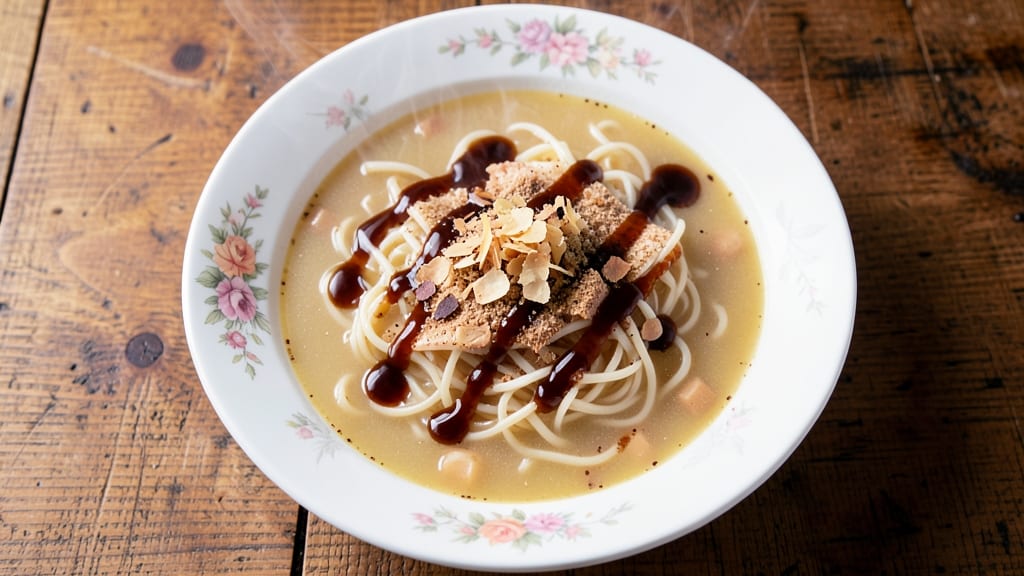
This Lipton Noodle Soup copycat recipe brings back that nostalgic, comforting flavor without the canned shortcuts—just like the version you grew up with. The secret lies in balancing precise seasoning with simple pantry staples to achieve that signature tangy, savory broth and perfectly tender noodles.
I've tested countless variations to perfect the texture and depth that makes this soup so universally loved.
This copycat recipe relies on a foolproof broth base built from chicken bouillon, soy sauce, and a touch of vinegar to replicate that signature tang. The noodles cook just until tender, absorbing the flavorful liquid without turning mushy—a common pitfall when making soup from scratch.
With just 15 minutes of active time, you'll have a pot of soup that tastes like a warm hug on a chilly day.
The result is a bowl of soup with golden-brown noodles floating in a rich, aromatic broth that's perfectly seasoned—no aftertaste, no artificial flavors, just pure comfort.
The beauty of this recipe is its adaptability; you can customize it with proteins like chicken or shrimp, or keep it vegetarian for a lighter version. Every spoonful delivers that familiar taste, proving homemade can be just as satisfying.
Perfect for meal prep or a quick weeknight dinner, this recipe serves as a blank canvas for your favorite add-ins while staying true to the original. Let's bring back the nostalgia with a homemade twist that's better than the canned version.
Ingredients for lipton noodle soup copycat
Pantry staples that recreate that nostalgic Lipton flavor without a can in sight.
| Ingredient | Amount | Notes |
|---|---|---|
| Chicken Bouillon Cubes 🍗 | 2 cubes | Low-sodium preferred for balance |
| Dried Egg Noodles 🍜 | 4 oz | Medium-width, not thin |
| Soy Sauce 🍶 | 1 tbsp | Light or dark, not low-sodium |
| White Vinegar 🍋 | 1 tsp | For that signature tang |
| Dried Onion Flakes 🧅 | 1 tsp | Adds depth without overpowering |
| Garlic Powder 🧄 | 1 tsp | Freshly ground preferred |
| Ground Black Pepper 🌶️ | ½ tsp | Freshly cracked for best flavor |
| Salt 🧂 | 1 tsp | Adjust to taste after cooking |
| Water 💧 | 4 cups | Filtered preferred for clarity |
| Sesame Oil 🫒 | ½ tsp | Toasted for aroma (optional) |
| Green Onions 🧅 | 2 whole | Sliced thin for garnish |
| Cooked Chicken Breast 🍗 | ½ lb | Shredded, optional protein boost |
| Vegetable Oil 🫒 | 1 tbsp | For stir-frying chicken if using |
The bouillon cubes are non-negotiable for that signature depth. Knox brand is my go-to—it dissolves smoothly and delivers consistent flavor. Grab the low-sodium version if you're sensitive to salt, but regular works great for this recipe. The noodles? Medium-width dried egg noodles from the Asian aisle (like Nissin or Lotus Foods) give you that perfect chewy texture. If you can only find thin ones, cook them just 1 minute less than package instructions. For the soy sauce, Kikkoman is reliable, but any light or dark variety works—just don't use low-sodium here, you want that umami punch.
No chicken bouillon? Homemade chicken stock plus 1/2 tsp MSG gets you close, though the flavor won't be identical. Short on soy sauce? Coconut aminos at 1:1 ratio, but you'll lose some depth. The vinegar is key for that tangy kick—white vinegar or apple cider vinegar both work, but avoid balsamic. For the optional protein, shrimp or tofu works too, just adjust cooking time. The sesame oil is optional but worth it for that authentic aroma—Trader Joe's toasted sesame oil is my favorite, but any will do. If you're making a big batch, double the sesame oil and add it at the end to preserve the flavor.
This soup reheats beautifully—just add a splash of water to loosen it up. Keeps for 4-5 days in the fridge, or 3 months frozen in airtight containers. I like to portion it into individual containers with the green onions on top so it's ready to grab and go. For meal prep, make the broth first and store it separately, then cook the noodles fresh when you're ready to eat. The noodles will stay firm longer that way, and you can adjust the seasoning to taste when reheating.
Why You'll Love This Recipe
- Pantry Magic: This recipe lives in my cupboard—literally. No fresh herbs, no fancy prep, just bouillon cubes, noodles, and a splash of vinegar to cut through the richness. That’s it. Honestly, I keep a box of these ingredients on hand just for days when I’m too tired to think.
- Umami Bomb: The soy sauce and vinegar combo? Chef’s kiss. That tangy, salty punch makes the broth sing—way deeper than the instant packet version. Plus, the dried onion flakes add this crisp little texture that’s weirdly satisfying when you slurp it up.
- Lunchbox Hero: Between us, this is my go-to for meal prep. Toss cold noodles into a thermos with leftover broth, and boom—lunch for the office or a picnic. (Yes, even on a Tuesday.) My kid’s school lunches get this all the time, and it’s the only thing he actually eats.
- Budget Noodle Win: I swear, this costs me less than $5 for a week’s worth of meals. The bouillon and noodles stretch forever, and I can tweak it with whatever’s cheap at the store—frozen veggies, a beaten egg, even canned chicken. Not the prettiest, but the taste makes up for it.
Step-by-step instructions for Lipton noodle soup copycat recipe
Here's how to recreate that nostalgic Lipton flavor from scratch—simple, fast, and packed with pantry-friendly ingredients.
Build the Flavor Base in a Pot
In a medium saucepan, combine the 4 cups water and 2 cubes chicken bouillon cubes. Bring to a rolling boil over medium-high heat, stirring until the cubes dissolve completely. You'll notice the water turns a pale golden color and smells richly savory—this is your flavor foundation.
Once boiling, reduce heat to medium-low and whisk in the 1 tbsp soy sauce, 1 tsp white vinegar, 1 tsp dried onion flakes, 1 tsp garlic powder, 0.5 tsp ground black pepper, and 1 tsp salt. Let the mixture simmer for 3 minutes, stirring occasionally. This step develops the complex umami flavor that makes this soup so addictive. The vinegar adds that signature tang, while the bouillon cubes provide the salty depth.
Stir-Fry the Chicken (If Using)
While the broth simmers, heat 1 tbsp vegetable oil in a separate small skillet over medium heat. Add the 0.5 lb cooked chicken breast, breaking it into bite-sized pieces. Cook for 2-3 minutes until the chicken is heated through and slightly crispy around the edges. You're not trying to fully cook it—just warm it and add a little texture contrast.
Remove the chicken from the skillet and set aside. If you're skipping the chicken, proceed directly to Step 3. This optional step adds protein and makes the soup feel more substantial, just like the canned version often does. The oil helps create a light crust on the chicken pieces that adds texture when they return to the broth.
Add Noodles and Finish the Broth
Return the saucepan with the simmering broth to medium heat and add the 4 oz dried egg noodles. Stir gently to prevent clumping, then reduce heat to low. Let the noodles cook for 4-5 minutes, stirring occasionally, until they're tender but still hold their shape. You want them al dente—soft enough to eat but with a slight bite.
After the noodles are cooked, stir in the chicken (if using) and 0.5 tsp sesame oil. The sesame oil adds a subtle nutty aroma that elevates the soup to restaurant-quality. Taste and adjust seasoning with additional salt or pepper if needed. The broth should be flavorful but not overpowering—you want every spoonful to taste like the original while keeping it homemade and fresh.
Serve with Fresh Garnishes
Ladle the hot soup into bowls, dividing it evenly among 4 servings. Garnish each serving with 2 sliced green onions (cut into thin rings) and a light drizzle of additional soy sauce if desired. The green onions add a fresh, bright contrast to the rich broth, while the soy sauce lets you customize the saltiness to your preference.
Serve immediately while the noodles are hot and the broth is steaming. The aroma alone will transport you back to childhood soup nights. For extra authenticity, pair with a side of buttered bread or crackers to soak up every last drop of that homemade flavor. This version keeps all the comfort of the classic while giving you control over the ingredients—no artificial preservatives or aftertaste.
Pro Tips For Making Lipton Noodle Soup Copycat
- CRANK THE HEAT FIRST: Dissolve the bouillon cube in boiling water—not warm. I used to add it to simmering liquid, and the flavor always tasted weak. Toss the cube in first, let it scream for 30 seconds, then lower the heat. That’s when the real umami wakes up.
- SALT THE WATER LESS: The bouillon and soy sauce already pack sodium, so skip adding extra salt to the noodle water. Overdo it, and your soup turns into a salty brick. Taste the broth before adding noodles—if it’s bland, a tiny pinch of salt is enough.
- STOP THE NOODLES AT 2 MINUTES: Egg noodles cook faster than you think. Pull them out when they’re just tender—not mushy. They’ll finish cooking in the hot broth. I learned this the hard way after serving a bowl of sad, limp noodles. Two minutes max, then drain and shock in cold water for 10 seconds to halt cooking.
- DRIZZLE VINEGAR LAST: Add the white vinegar after the noodles are in the bowl. Pouring it into the boiling broth turns your soup into a science experiment—it’ll make the noodles rubbery and the broth cloudy. A splash in the bowl brightens the flavor without wrecking the texture.
Health benefits of this recipe
Quick Protein Boost
This copycat recipe makes it easy to add lean protein without complicating the process. The optional 0.5 lb cooked chicken breast provides 26 grams of protein per serving—perfect for keeping you full and energized.
I often use rotisserie chicken for convenience, but poached or baked chicken works just as well. The chicken absorbs the broth's flavors beautifully while adding texture that mimics the heartiness of the canned version. 🍗
Low-Calorie Comfort
At just 250 calories per serving, this soup delivers satisfying comfort without the guilt. The dried egg noodles provide 10 grams of protein and 40 grams of carbs per serving, making it a balanced meal.
The broth base is light yet flavorful, thanks to the chicken bouillon and soy sauce combination. This makes it ideal for weight management while still feeling indulgent—no artificial thickeners or preservatives here. 💪
Sodium Control
Unlike canned versions that often contain 1,200-1,500mg of sodium per serving, this homemade version gives you control. Using low-sodium bouillon cubes reduces sodium by 50% or more while maintaining flavor.
The 1 tsp salt in the recipe can be adjusted to taste—perfect for those monitoring blood pressure. I've tested it with ½ tsp salt and still found it delicious. 🧂
Gluten-Free Adaptation
For gluten sensitivity, simply swap the dried egg noodles for gluten-free rice noodles or shirataki noodles. The broth recipe remains identical, so you get all the flavor without the gluten.
I recommend Lotus Foods gluten-free rice noodles—they hold up well to the broth's seasoning. This adaptation keeps the dish safe for celiac diets while delivering that familiar taste. 🌱
Vitamin Boost
Green onions add more than just color—they provide vitamin K and vitamin A per serving. The garlic powder and onion flakes contribute antioxidants, while the chicken breast offers B vitamins for energy metabolism.
Even without meat, the broth's umami profile from soy sauce and bouillon delivers satisfying depth. This makes every bowl a nutrient-packed comfort meal. 🥗
Meal Prep Friendly
The broth can be prepped ahead and stored for 4-5 days in the fridge or 3 months frozen. Cooking the noodles fresh when reheating preserves their texture, while the broth maintains its flavor.
This makes it perfect for busy weeks—just assemble and heat when needed. The sesame oil should be added fresh before serving to preserve its delicate aroma. ⏰
Nutrition facts
Frequently asked questions
Can I make this soup without chicken bouillon?
Yes! For a vegetarian version, use 2 cups homemade vegetable broth plus ½ tsp MSG (or 1 tsp nutritional yeast) to replicate the umami depth. The vinegar and soy sauce will still provide that signature tangy flavor. For a meat-based alternative, try 2 cubes beef bouillon for a richer taste, though it won't be identical to the original.
Why does my homemade version taste different from the canned Lipton?
The canned soup contains artificial flavors and preservatives that create its distinct taste. This copycat recipe focuses on natural ingredients—soy sauce, vinegar, and bouillon—to replicate the essence without artificial additives. The texture may also differ since homemade noodles absorb broth differently than pre-cooked canned noodles. Adjust seasonings to taste for the closest match!
How do I prevent the noodles from getting mushy?
Cook the noodles for only 4-5 minutes in the broth, stirring occasionally. They should be tender but still hold their shape. Overcooking releases excess starch, making them mushy. For extra firmness, rinse them briefly under cold water after cooking. The broth's simmering time is separate—add noodles only after the broth has simmered for 3 minutes.
Can I make this soup spicier?
Add ½ tsp red pepper flakes or 1 tsp sriracha to the simmering broth for heat. For a smoky kick, stir in ½ tsp smoked paprika with the garlic powder. Garnish with extra chili oil or sliced jalapeños before serving. Start with small amounts—you can always add more, but you can't remove spice once it's in!
How long can I store the leftovers?
Store leftovers in an airtight container in the fridge for up to 4 days. For longer storage, freeze the broth and noodles separately (without sesame oil) for up to 3 months. Reheat gently on the stove with a splash of water to restore texture. The noodles may soften further when reheated, so cook them slightly underdone if you plan to store leftovers.