
Desserts
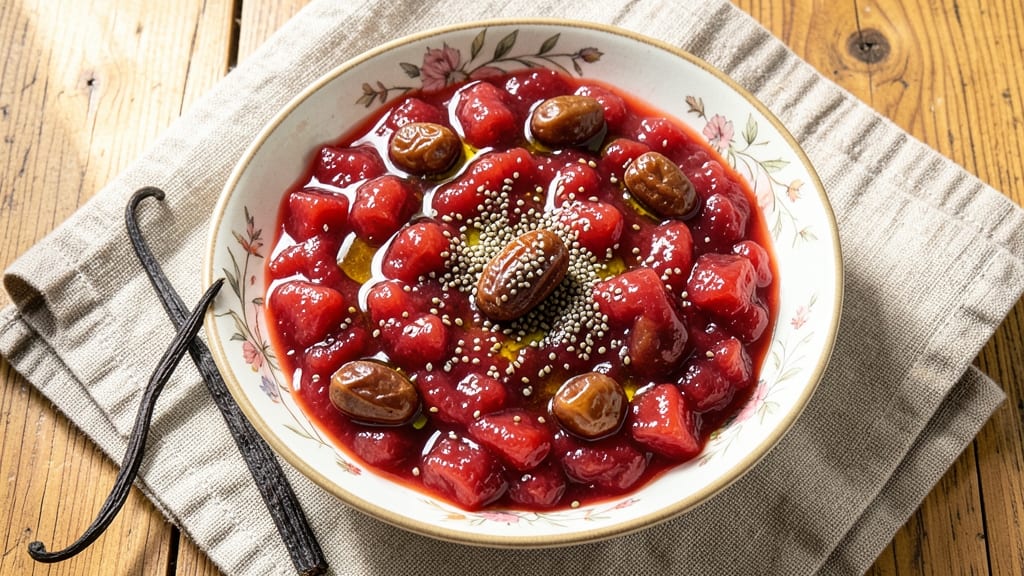
Creating a jam recipe without sugar that still delivers rich, vibrant flavor requires focusing on the fruit's natural sweetness and texture—no refined sugar needed. This method uses dates and lemon juice to balance acidity while preserving the fruit's essence, resulting in a spread that's naturally sweetened and packed with antioxidants.
The key is patience: slow cooking enhances the fruit's sugars without added sweeteners, creating a jam that's as nutritious as it is delicious.
What sets this recipe apart is its versatility—perfect for those watching sugar intake or seeking plant-based alternatives. The dates provide subtle sweetness and natural pectin, while lemon juice brightens the flavor and helps the jam set properly.
You'll end up with a thick, glossy spread that's ideal for toast, yogurt, or even as a glaze for meats, all while keeping the sugar content at zero.
The process is straightforward but requires attention to detail, particularly when balancing the fruit-to-sweetener ratio. Too much liquid? Simmer longer. Need more thickness? Add a bit of chia seeds as a natural thickener.
The result is a jam that's vibrant, fruit-forward, and surprisingly complex—proof that natural sweetness can stand on its own.
Once complete, this jam stores beautifully in the refrigerator for up to two weeks or can be preserved longer with proper canning techniques. It's the perfect way to enjoy the flavors of summer without the sugar crash, making it a staple for health-conscious bakers and fruit lovers alike.
Ingredients for jam recipe without sugar
Eight simple ingredients transform fresh fruit into vibrant, sugar-free jam with natural depth and texture.
| Ingredient | Amount | Notes |
|---|---|---|
| Fresh Strawberries 🍓 | 2 lbs | Hull and quarter for even cooking |
| Pitted Dates 🌴 | 1 cup | Medjool dates for optimal sweetness |
| Fresh Lemon Juice 🍋 | ½ cup | From 2-3 organic lemons |
| Organic Chia Seeds 🌱 | 2 tbsp | For natural thickening |
| Extra-Virgin Olive Oil 🫒 | 1 tbsp | Light fruity variety |
| Vanilla Extract 🌸 | 1 tsp | Pure alcohol-free preferred |
| Ground Cinnamon 🌿 | ½ tsp | Ceylon cinnamon for subtle warmth |
| Sea Salt 🧂 | ¼ tsp | Diamond Crystal kosher salt |
The quality of your fruit is paramount—opt for organic strawberries from local farms when in season, as their natural sugars and acidity levels are superior. Whole Foods Market or Trader Joe's typically carry pre-hulled strawberries in their frozen section, which work beautifully for this recipe. For dates, Medjool varieties provide the richest caramel-like sweetness, though regular pitted dates suffice. The chia seeds act as a natural thickener, so ensure they're organic and whole to avoid any additives that could compromise the jam's purity. Fresh lemon juice is non-negotiable—bottled versions lack the bright acidity needed to balance the fruit's natural sugars and prevent mold growth during storage.
No Medjool dates? Regular pitted dates work fine, though they'll be slightly less sweet and may require an extra 5-10 minutes of simmering to achieve the same thickness. Substituting strawberries? Blueberries or raspberries function equally well, though raspberries may need an additional 1 tbsp of chia seeds for proper gelling. For the olive oil, avoid heavily processed varieties—look for cold-pressed, extra-virgin options that add subtle fruity notes. The vanilla extract can be omitted entirely if you prefer a purely fruit-forward flavor, though it adds a lovely aromatic depth. If you're concerned about the jam setting properly, add an extra 1 tsp of chia seeds or simmer the mixture for an additional 10 minutes to evaporate excess moisture.
This jam stores exceptionally well—up to 3 weeks in the refrigerator when kept in a sealed glass jar with a thin layer of olive oil poured over the surface to preserve freshness. For longer storage, sterilize jars and lids and process in a water bath for 10 minutes to create shelf-stable preserves that last up to 1 year on the pantry shelf. The jam thickens as it cools, so it's best to reheat gently in a saucepan with a splash of water if it becomes too stiff. Portion into small jars for easy use on toast, yogurt, or as a glaze for plant-based desserts—its natural sweetness makes it a versatile pantry staple.
Why You'll Love This Recipe
- No Fuss, No Sugar: I blend dates into a paste in my food processor—no straining, no sticky mess—while the strawberries soften just enough to release their juicy sweetness. Honestly, if you can chop fruit, you can make this.
- Tangy-Sweet Magic: That bright lemon juice cuts through the strawberries’ richness, while the chia seeds add a subtle earthy depth. Between us, it’s the kind of jam that makes you pause mid-spoonful—like summer in a jar, but better.
- Spread It Anywhere: Slather it on toast for breakfast, drizzle it over yogurt, or toss it into overnight oats. I’ve even used it as a glaze for grilled chicken—yes, really. The olive oil gives it a silky texture that works in both sweet and savory dishes.
- Lasts All Week: The chia seeds thicken it just enough to keep it fresh for days, no fridge needed. I make a big batch on Sundays, and by Wednesday, I’m still sneaking bites straight from the jar. Budget-friendly? Absolutely—dates and strawberries stretch farther than you’d think.
Step-by-step instructions for fruit-forward strawberry date jam
Transform fresh strawberries into a naturally sweetened jam without refined sugar, using dates and chia seeds for perfect texture and balance.
Prepare the Strawberries and Dates
Hull and quarter the 2 lbs of fresh strawberries, removing stems and any discolored sections. Place them in a large mixing bowl and mash them thoroughly with a potato masher or fork until you achieve a chunky puree with some small pieces remaining. This texture ensures your jam has both visual appeal and satisfying bite.
In a food processor, pulse the 1 cup of pitted dates until they form a coarse sand-like consistency—this prevents the jam from becoming too grainy. Add the date mixture to the strawberries along with the 0.5 cup of fresh lemon juice. Stir well to combine, ensuring the dates dissolve evenly. The lemon juice will brighten the flavor and help balance the natural sweetness from the dates.
Simmer the Fruit Mixture
Transfer the strawberry-date mixture to a medium saucepan and place it over medium heat. Stir in the 1 tbsp of extra-virgin olive oil, which adds richness and helps create a glossy finish. Bring the mixture to a gentle boil, then reduce the heat to maintain a steady simmer. Cook for 15-20 minutes, stirring frequently to prevent sticking and ensure even cooking.
As the mixture simmers, you'll notice it thickens noticeably. The natural pectin in the strawberries will begin to activate, creating a jam-like consistency. If the mixture becomes too thick before reaching 15 minutes, reduce the heat slightly and continue cooking. The goal is to achieve a spreadable texture that coats the back of a spoon smoothly.
Thicken with Chia Seeds and Season
Remove the saucepan from heat and stir in the 2 tbsp of organic chia seeds. Let the mixture sit undisturbed for 5 minutes, allowing the chia seeds to absorb moisture and thicken the jam naturally. This step replaces the need for added sugar or commercial thickeners, giving your jam a silky, gel-like texture.
While the chia seeds work their magic, stir in the 1 tsp of vanilla extract, 0.5 tsp of ground cinnamon, and 0.25 tsp of sea salt. The vanilla adds depth, the cinnamon introduces warmth, and the salt enhances all the flavors by balancing the sweetness. Taste the mixture and adjust the seasoning if needed—you may want to add a touch more cinnamon or salt to complement your preferences.
Test for Doneness and Store Properly
Return the saucepan to low heat and cook for an additional 2-3 minutes, stirring constantly. To test for doneness, place a small spoonful of jam on a chilled plate and refrigerate for 1 minute. If it sets slightly but remains spreadable, your jam is ready. If it's too runny, continue cooking for another minute and retest. The jam should hold its shape but still be smooth and glossy.
Transfer the jam to a clean, sterilized jar and seal tightly. Store it in the refrigerator for up to 2 weeks, or extend its shelf life by processing the jar in a boiling water bath for 10 minutes. This sugar-free jam pairs beautifully with yogurt, toast, or as a glaze for desserts. Its vibrant color and balanced sweetness make it a versatile addition to any kitchen.
Pro Tips For Making Jam Recipe Without Sugar
- Soften the Dates First: Skip the food processor struggle—soak pitted dates in warm water for 10 minutes before blending. They’ll puree smoother and release natural sweetness without clumping, which is especially helpful if you’re using dried, hard dates (yes, even the fancy ones).
- Simmer Low and Slow: After combining everything, keep the heat at a bare simmer—no boiling. I learned this the hard way when my first batch turned into a watery mess. A gentle bubble (about 5-7 minutes) thickens the jam naturally without burning the strawberries or making the chia seeds turn gritty.
- Strain the Strawberries: Mash them first, then strain through a fine-mesh sieve. This removes seeds and skin bits that can make the texture uneven, especially when chia seeds are added later. (I know, it’s extra work—but your jam will look and spread like a pro’s.)
- Add Chia Last, Stir Well: Sprinkle chia seeds over the warm (not hot) jam and let them sit for 5 minutes before stirring. This gives them time to absorb liquid and thicken properly. If you stir too soon, they’ll clump like tiny sandcastles—trust me, you don’t want that.
Regional styles of jam recipe without sugar
European Chia-Free Approach
In Scandinavian kitchens, they skip chia seeds entirely and rely on slow-cooked fruit and applesauce for natural sweetness and thickening. Use 1 cup unsweetened applesauce instead of dates, then simmer the strawberry mixture for 30-40 minutes on low heat.
The pectin in applesauce creates a silky texture without additives. Add 1 tsp lemon zest for brightness—this method is popular in Sweden for its simplicity and clean flavor profile. 🌍
Mediterranean Olive Oil Twist
Greek and Italian cooks often infuse their sugar-free jams with extra-virgin olive oil and herbs. Replace the vanilla with 1 tsp dried oregano and add 1 tsp grated orange zest instead of lemon.
Use 2 tbsp olive oil total, simmering for 25 minutes to let the oil's fruity notes meld with the strawberries. This version pairs perfectly with feta cheese or grilled chicken. 🫒
Asian Citrus Balance
Japanese and Korean sugar-free jams often incorporate mirin (sweet rice wine) and ginger for depth. Replace the lemon juice with 0.25 cup mirin and add 1 tsp grated fresh ginger. Simmer for 20 minutes, then finish with 1 tsp toasted sesame seeds.
This version works beautifully with sushi rice or as a glaze for teriyaki dishes. The ginger adds warmth that complements the fruit's natural sweetness. 🌿
American South Sweet Potato Jam
In Southern US kitchens, they blend roasted sweet potatoes with strawberries for a jam with caramel-like depth. Replace the dates with 1 cup mashed roasted sweet potato (cooked until tender) and reduce the lemon juice to 0.25 cup.
Add 1 tsp smoked paprika for a subtle BBQ-inspired twist. This version has a richer texture and pairs well with pork tenderloin or cornbread. 🔥
Middle Eastern Date-Vinegar Jam
Lebanese and Syrian cooks often use date vinegar (a syrup made from dates) instead of pitted dates. Replace the dates with 0.5 cup date vinegar (available at Middle Eastern markets) and reduce the lemon juice to 0.25 cup.
Simmer for 18 minutes—the vinegar adds tangy complexity. Finish with 1 tsp ground cardamom for warmth. This jam is perfect with labneh or flatbread. 🌶️
Nordic Cloudberry Adaptation
In Nordic countries, cloudberries replace strawberries for a jam with a tart, almost floral flavor. Use 2 cups cloudberries (fresh or frozen) instead of strawberries, and reduce the dates to 0.5 cup. Simmer for 25 minutes, then add 1 tsp rose water for a delicate floral note.
This version is prized for its unique flavor and pairs well with sour cream or rye bread. 🌸
Nutrition facts
Frequently asked questions
Can I use other fruits besides strawberries?
This method works beautifully with blueberries, raspberries, or peaches. For berries, reduce simmering time to 10-12 minutes since they release moisture faster. Peaches or mangoes may need an extra 5 minutes to soften completely. Always adjust chia seeds (+1 tbsp) if using low-pectin fruits like pineapple or apricots.
Why does my jam turn out too runny?
Runny jam usually means excess moisture wasn't evaporated enough. Simmer longer (5-10 more minutes) or stir in an extra 1 tbsp chia seeds, then let it thicken off-heat for 10 minutes. If using very ripe fruit, reduce dates by 0.25 cup—overripe fruit has more natural sugars that can prevent proper setting.
Is this jam safe for diabetics?
This sugar-free version is diabetic-friendly, but portion control matters. Dates contain natural sugars (about 6g per date) and carbs, so check with your healthcare provider. The jam's glycemic impact depends on serving size—1 tbsp contains roughly 10g carbs. Pair with high-protein foods (like nuts or cheese) to slow sugar absorption.
Can I make this without chia seeds?
Yes! Replace chia seeds with 1 tbsp lemon juice + 1 tsp apple cider vinegar for acidity, then simmer 5 extra minutes. For a thicker texture, blend 1 cup unsweetened applesauce into the fruit before cooking—its natural pectin helps bind the mixture. Test doneness by chilling a spoonful for 1 minute.
How do I know when the jam is fully cooked?
The jam is done when it reaches a 220°F temperature (use a candy thermometer) or forms a "sheet" when tested: dip a cold spoon in the jam, then run your finger through it—if it leaves a clear line that holds for 10 seconds, it's ready. For non-thermometer methods, refrigerate a spoonful for 1 minute—it should be firm but still spreadable.