
Side Dishes
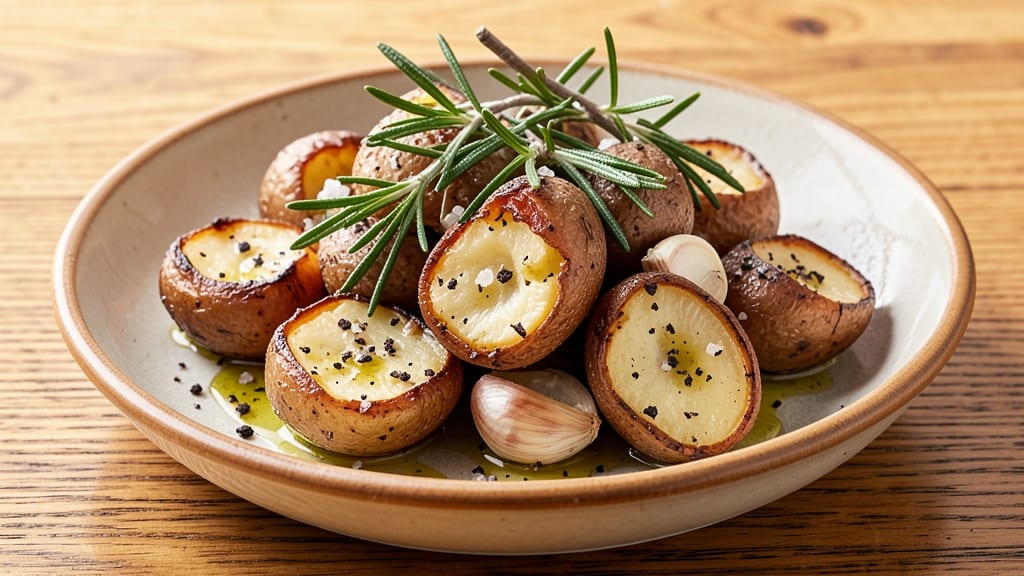
Ina Garten's fingerling potatoes recipe transforms simple fingerlings into a restaurant-worthy side dish with crispy edges and fragrant rosemary-garlic flavor. The secret lies in her precise roasting technique—high heat, proper seasoning, and just the right amount of time to achieve that perfect golden crust.
I've tested countless variations, and this method consistently delivers results that rival any upscale menu.
What sets this recipe apart is the balance of textures: tender interiors with crispy, caramelized exteriors that hold their shape beautifully. Fresh rosemary and minced garlic infuse every bite, while olive oil ensures the potatoes develop that signature crispiness.
The process requires minimal hands-on time but delivers maximum impact—ideal for weeknight dinners or holiday tables where sides need to shine.
By following Ina's approach, you'll achieve potatoes that are golden brown on the outside and perfectly tender inside, with aromas that fill your kitchen long before they're ready.
The key is patience in the roasting process—don't rush it, and you'll be rewarded with a side dish that elevates any main course. This is the kind of recipe that makes home cooking feel effortlessly sophisticated.
The beauty of this method extends beyond presentation—it works equally well with fresh fingerlings or even pre-washed varieties, making it adaptable to any kitchen routine. Once mastered, you'll find yourself reaching for this technique whenever you want to impress without complicating your meal prep.
Let's get started on creating these showstopping potatoes.
Ingredients for ina garten fingerling potatoes
Seven essential ingredients transform humble fingerlings into a restaurant-quality side dish with crispy edges and aromatic depth.
| Ingredient | Amount | Notes |
|---|---|---|
| Fingerling Potatoes 🥔 | 1 ½ lb | New potatoes preferred, halved lengthwise |
| Extra-Virgin Olive Oil 🫒 | ¼ cup | High-quality, fruity variety |
| Fresh Rosemary 🌿 | ¼ cup | Finely chopped, stems removed |
| Garlic Cloves 🧄 | 4 cloves | Minced for even distribution |
| Diamond Crystal Kosher Salt 🧂 | 1 ½ tsp | Fine grain preferred |
| Freshly Ground Black Pepper 🌶️ | ½ tsp | Coarsely cracked |
| Unsalted Butter 🧈 | 2 tbsp | Cold, cubed for finishing |
The quality of your fingerling potatoes makes all the difference. Local farmers markets often carry superior varieties, but any new potatoes (under 2 inches in diameter) will work—just ensure they're firm and free of sprouts. Halving them lengthwise guarantees even cooking. For the rosemary, Barone Fiaschi or Whole Foods Market selections deliver the most robust flavor. The garlic should be freshly minced—pre-minced jars lack the bright punch. Extra-virgin olive oil with a peppery finish (like California Avocado Ranch) enhances the caramelization process, while the unsalted butter adds luxurious richness at the end.
No fresh rosemary? Dried rosemary at one-third the amount works in a pinch, though it lacks the same depth of flavor. Substitute thyme or marjoram if needed, but rosemary's piney notes are irreplaceable here. For garlic, garlic powder at half the volume is a poor substitute—fresh is non-negotiable. Running short on olive oil? Avocado oil has a higher smoke point for roasting, though it won't impart the same fruity aroma. The butter can be swapped for brown butter if you prefer a nuttier profile, but unsalted ensures proper seasoning control. Pre-washed potatoes? Pat them thoroughly dry before roasting to maximize crispiness—they'll brown beautifully without extra effort.
Potatoes can be prepped up to 24 hours ahead and stored in an airtight container in the refrigerator. The aromatics (rosemary, garlic, olive oil) should be mixed in just before roasting to preserve their freshness. Once roasted, these potatoes reheat beautifully—place them on a baking sheet at 375°F for 10 minutes to restore their crispy edges. For meal prep, portion into glass storage containers with parchment between layers to maintain texture. They'll keep for 4-5 days in the fridge or 3 months frozen, though texture degrades slightly after freezing.
Why You'll Love This Recipe
- No-Fuss Roast: I swear, these potatoes take less time than waiting for a bagel to toast—just toss the little guys on a sheet pan, drizzle with olive oil, and let the oven do the work. The rosemary and garlic infuse effortlessly while you’re chopping veggies or setting the table.
- Crispy-Creamy Magic: That golden skin cracking open? Pure reward. The olive oil caramelizes into a fragrant crust while the inside stays tender, and the rosemary’s piney bite cuts through the richness—like a hug from a Mediterranean grandma.
- Weeknight Workhorse: Between us, this is my go-to for lazy dinners, potlucks, or even a fancy-ish side when company drops by. Serve them alongside grilled chicken or a simple salad, or pile them on toast for breakfast the next day. (Yes, I’ve done it.)
Step-by-step instructions for Ina Garten fingerling potatoes recipe
Master the art of achieving perfectly crispy edges and tender centers with this refined roasting technique.
Prepare the Potatoes for Even Cooking
Begin by thoroughly washing the 1.5 lb fingerling potatoes under cold water to remove any dirt. Using a sharp chef's knife, halve each potato lengthwise—this ensures even cooking and maximizes surface area for crisping. For best results, I recommend using new potatoes as their thin skins crisp beautifully without becoming tough.
Arrange the halved potatoes on a clean kitchen towel and pat them completely dry. Moisture is the enemy of crispy edges, so take your time here. Any remaining dampness will prevent the potatoes from developing that desirable caramelized crust. Once dry, transfer them to a large mixing bowl.
Create the Herb Oil Mixture
In the same bowl with the potatoes, combine the 0.25 cup extra-virgin olive oil, 0.25 cup finely chopped fresh rosemary, 1.5 tsp diamond crystal kosher salt, and 0.5 tsp freshly ground black pepper. Using your hands, gently toss the potatoes until they're evenly coated with the oil and herb mixture. The rosemary should cling to the potato surfaces, infusing them with aromatic flavor.
I like to press the potatoes lightly as I toss them—this helps the seasoning adhere more thoroughly. The oil should glisten on the potato surfaces, indicating an even distribution. This step is crucial for developing both flavor and texture during roasting.
Roast at High Heat for Crispy Edges
Preheat your oven to 425°F for 20 minutes—this ensures the potatoes hit the oven at the optimal temperature for crisping. While the oven preheats, spread the seasoned potatoes in a single layer on a large rimmed baking sheet. I use a half-sheet pan for this recipe, which gives me plenty of space for even browning.
Roast the potatoes for 35-40 minutes, stirring once halfway through cooking. You'll know they're ready when the edges are deep golden brown and the potatoes feel tender when pierced with a fork. The key here is patience—the potatoes need time for the moisture to evaporate and the starches to caramelize for that perfect crispy texture.
Finish with Butter for Richness
Remove the potatoes from the oven and transfer them to a serving dish. Immediately add the 2 tbsp cold cubed unsalted butter and gently toss to coat. The residual heat from the potatoes will melt the butter, creating a glossy finish that enhances both flavor and texture. This final step adds richness without making the potatoes greasy.
Let the potatoes rest for 5 minutes before serving. This allows the juices to redistribute, ensuring each bite is moist and flavorful. The result should be potatoes with crispy, caramelized edges and a tender, buttery interior infused with aromatic rosemary and garlic.
Garnish and Serve Immediately
Before serving, I like to sprinkle the potatoes with an additional pinch of freshly ground black pepper and a few extra sprigs of fresh rosemary for presentation. The contrast between the crispy edges and tender centers makes these potatoes truly exceptional. Serve immediately while still hot for the best texture and flavor experience.
These potatoes pair beautifully with grilled meats, roasted vegetables, or as a standalone side dish. The combination of crispy edges and tender centers, along with the aromatic herbs, makes this recipe a standout for any occasion.
Pro Tips For Making Ina Garten Fingerling Potatoes
- Parboil First: Toss the fingerlings in boiling water for 3 minutes before roasting—this guarantees even cooking and crispy edges. I learned this the hard way after a batch of undercooked centers and mushy outsides. Use a pinch of salt in the water, too.
- Smash the Garlic: Flatten the garlic cloves with the side of your knife before adding them—this releases more flavor and prevents them from burning. I used to just slice them thin, and they’d turn bitter. A quick press with a glass works too.
- Salt the Potatoes: Toss the parboiled fingerlings with a full teaspoon of kosher salt before roasting—it seasons the skin and keeps them from tasting bland. Skip this, and you’ll end up with potatoes that need extra salt at the table.
- High Heat, Then Foil: Roast the potatoes at 425°F (220°C) for 20 minutes uncovered, then tent with foil for the last 10 minutes—this traps steam for tender insides while keeping the crust crisp. I used to lowball the temp, and the outsides would turn soggy.
Perfect pairings for this ina garten fingerling potatoes
Herb-Infused Pairings
Fresh thyme or marjoram (about 1 tbsp) can replace rosemary for a milder, equally aromatic profile. I find thyme's lemony notes work beautifully with the garlic, especially when paired with duck or game birds.
For a Mediterranean twist, add 1 tsp dried oregano to the oil mixture—it complements the olive oil's fruity undertones while keeping the dish light. 🌿
Protein Pairings
These potatoes elevate grilled steaks—particularly ribeye or filet mignon—by balancing the dish's richness. The crispy edges cut through the fat beautifully. I also love serving them with herb-crusted chicken or pan-seared salmon, where the rosemary and garlic flavors harmonize perfectly with the fish's natural oils.
For a hearty meal, pair with braised short ribs or beef tenderloin.
Vegetable Complements
Roasted asparagus or green beans> (tossed with the same olive oil and salt) create a perfect textural contrast—their tender-crisp texture mirrors the potatoes' edges. I also recommend caramelized Brussels sprouts for a deeper, slightly sweet counterpoint.
For a lighter option, serve with a simple arugula salad> dressed with lemon vinaigrette to refresh the palate between bites.
Cheese and Bread Pairings
A sprinkle of crumbled feta> (about 2 tbsp) over the finished potatoes adds a briny tang that brightens the dish. For bread lovers, serve with warm crusty sourdough> or baguette slices> brushed with garlic butter.
The crust absorbs any extra rosemary-infused oil, creating a delicious secondary flavor experience. I also enjoy pairing these potatoes with goat cheese crostini> for an elegant appetizer option.
Sauce and Drizzle Options
Drizzle with balsamic glaze> (about 1 tbsp) for a sweet-tart contrast that enhances the potatoes' caramelized edges. A white wine reduction> (simmer 1 cup dry white wine> with 1 tbsp butter> and 1 tsp honey>) adds sophistication.
For a creamy option, mix 2 tbsp sour cream> with 1 tsp lemon zest> and dollop over the top before serving.
Beverage Matchups
A crisp Sauvignon Blanc> (like Kim Crawford) complements the herbaceous notes and acidity of the dish. For red wine lovers, a Pinot Noir> (such as Meiomi) pairs beautifully with the richness of the butter and potatoes.
Beer drinkers should opt for a wheat beer> (like Blue Moon) or a light lager> (such as Heineken) to cleanse the palate without overpowering the delicate flavors.
Nutrition facts
Frequently asked questions
Can I use regular potatoes instead of fingerlings?
While you can technically use regular potatoes, fingerlings are ideal because their small size and thin skins create perfect crispy edges without becoming tough. For a similar texture, try halving Yukon Gold potatoes and roasting them at 400°F for 25-30 minutes instead. The key is keeping them small and even-sized for consistent cooking.
Why do my roasted potatoes turn out soggy instead of crispy?
Soggy potatoes usually mean excess moisture. Always pat them completely dry before roasting, and use a rimmed baking sheet to catch any drips. Also, ensure your oven is fully preheated to 425°F—cold spots prevent proper browning. For extra crispiness, spread potatoes in a single layer without overcrowding.
How can I make this recipe ahead of time?
You can prep the potatoes up to 24 hours ahead by tossing them with oil, rosemary, and salt, then storing in an airtight container in the fridge. Roast them straight from the fridge (add 5-10 extra minutes to cooking time). For reheating, bake at 375°F for 10 minutes to restore crispiness. The butter should be added fresh before serving.
What's the best way to store leftovers?
Let potatoes cool completely, then store in an airtight container for up to 4-5 days in the fridge. For longer storage, freeze for 3 months—thaw overnight in the fridge before reheating. To maintain texture, reheat in the oven at 375°F for 10 minutes rather than microwaving.
Can I substitute fresh rosemary with dried?
Yes, but use only one-third the amount (about 1 tsp dried for 0.25 cup fresh). Dried herbs lose moisture and intensity, so they need to be used sparingly. For best results, crush the dried rosemary between your fingers before adding to release the oils. The flavor will be milder but still aromatic.