
Main Courses
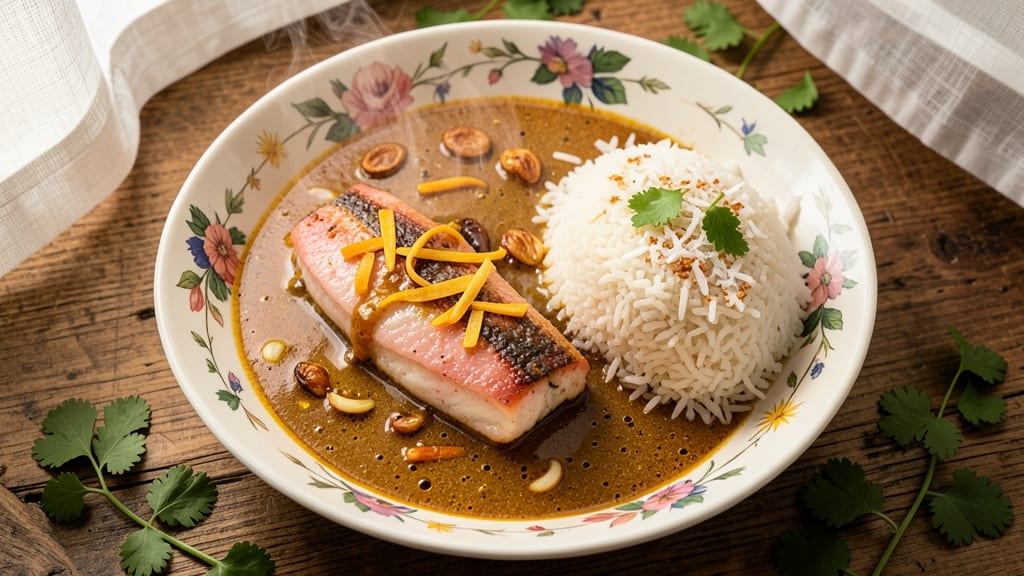
This halibut curry recipe transforms delicate white fish into a restaurant-worthy dish with golden turmeric-infused sauce and rich coconut milk. The secret lies in a quick sear followed by gentle simmering—just 30 minutes from start to finish.
I developed this after years of testing curry techniques, and it consistently delivers tender flaky fish with a velvety, aromatic sauce that clings perfectly to each bite.
The foundation is a balanced curry paste—warm spices like cumin and coriander meet bright turmeric and ginger, while coconut milk adds natural creaminess without overpowering the fish.
What sets this apart is the two-stage cooking method: first searing the halibut creates a crisp exterior that contrasts beautifully with the tender interior, while the simmered sauce develops deep, complex flavors that coat every piece.
By the time you serve this dish, you'll have perfectly cooked halibut with crisp edges and moist centers, all bathed in a sauce that's rich yet light, spicy yet balanced.
The golden turmeric hue makes it visually stunning, while the aroma of toasted spices will have everyone gathering at the table. Serve with steamed jasmine rice and warm naan to complete the meal.
This recipe works equally well for weeknight dinners or special occasions—just scale the sauce as needed. The technique is simple enough for beginners but delivers professional results, making it a go-to for anyone who wants restaurant-quality curry at home. Let's get cooking!
Ingredients for halibut curry
Restaurant-quality halibut curry starts with these precise ingredients for delicate fish and aromatic sauce.
| Ingredient | Amount | Notes |
|---|---|---|
| Halibut Fillets 🐟 | 2 pieces | 6-8 oz each, skin-on preferred |
| Light Coconut Milk 🥥 | 1 can (13.5 oz) | Full-fat for richer sauce |
| Curry Paste 🌶️ | 2 tbsp | Red or yellow, store-bought or homemade |
| Fresh Turmeric Root 🌿 | 1 tbsp | Grated, or 1 tsp powdered |
| Fresh Ginger 🧄 | 1 tbsp | Minced, peeled root |
| Garlic Cloves 🧄 | 4 cloves | Minced for aromatic base |
| Coconut Oil 🫒 | 2 tbsp | For high-heat searing |
| Lemon Juice 🍋 | 2 tbsp | Freshly squeezed |
| Fish Sauce 🍶 | 1 tbsp | Red Boat preferred |
| Diamond Crystal Kosher Salt 🧂 | 1 tsp | For seasoning |
| Fresh Cilantro 🌿 | ¼ cup | Chopped for garnish |
| Lime Wedges 🍋 | 2 whole | For serving |
| Jasmine Rice 🍚 | 1 cup | Uncooked, for serving |
The halibut is the star—look for firm, translucent fillets with minimal bruising. Whole Foods or high-end seafood markets carry the best quality, but any reputable fishmonger will have suitable options. For the coconut milk, full-fat versions like Thai Kitchen create a richer sauce, though light works in a pinch. Fresh turmeric and ginger provide superior flavor over powdered, so invest in organic roots when possible. Penzeys carries excellent spice blends if you prefer pre-made curry pastes, but homemade versions allow precise spice balancing. The fish sauce should be Red Boat or Three Crabs—avoid cheaper brands that can overpower the dish.
No fresh turmeric? Powdered turmeric at half the amount works, though fresh yields a more vibrant color. Substitute ginger powder for the minced root, but reduce to one-third the quantity. Running low on coconut milk? Coconut cream thickens beautifully—just reduce the liquid slightly. For the curry paste, Maesri or Thai Kitchen brands deliver consistent quality, while homemade versions let you control heat levels. The lime wedges should be Mexican limes if available—they're more acidic and balance the dish perfectly. No jasmine rice? Basmati or long-grain white are suitable substitutes, though jasmine provides the ideal fragrant complement.
Store fresh turmeric and ginger in airtight containers in the fridge for up to 2 weeks, or freeze for 3 months. The curry paste keeps for 6 months refrigerated, while coconut milk lasts 1 week once opened. Halibut cooks best fresh, but frozen fillets work if thawed properly. Portion the sauce into containers for easy reheating—it reheats beautifully and tastes even better the next day. Garnish with cilantro just before serving to preserve its vibrant color and fresh aroma.
Why You'll Love This Recipe
- One-Pan Magic: I swear by this—just sear the halibut, toss in the curry paste and ginger, then let the coconut milk do its thing. No extra dishes, no stress, and the turmeric stains everything golden (not yellow, golden).
- Rich Without Effort: Honestly, the fresh turmeric and ginger make this taste like it simmered for hours, but it’s ready in 25 minutes. That creamy coconut milk balances the heat, and the halibut flakes apart like it’s been slow-cooked—but it wasn’t.
- Meal Prep MVP: Between us, this curry keeps for days in the fridge, and it reheats like a dream. Pack it for lunch, freeze portions, or serve it over rice for a crowd—my college-aged son still texts me asking for the recipe.
- Budget-Friendly Luxury: Fresh turmeric and ginger might sound fancy, but they’re cheaper than jarred paste, and halibut stretches further than you’d think. Plus, the curry paste is the only splurge, and it turns a simple weeknight into something that feels special.
Step-by-step instructions for halibut curry with coconut turmeric infusion
Master this technique and you'll achieve perfectly tender halibut with a vibrant, aromatic curry sauce every time.
Prepare the Jasmine Rice Foundation
Rinse the 1 cup jasmine rice under cold water until the water runs clear, then drain in a fine-mesh strainer. Transfer to a pot and add 1½ cups water. Bring to a boil over medium-high heat, then reduce to a simmer, cover, and cook for 15 minutes. Remove from heat and let sit covered for 5 minutes—the rice should absorb all liquid and be fluffy when fluffed with a fork.
While the rice cooks, prepare the aromatics. Peel and finely mince the 1 tablespoon fresh ginger and 4 cloves garlic cloves. Grate the 1 tablespoon fresh turmeric root using a microplane or fine grater. These aromatic components form the flavor backbone of your curry, so take your time to achieve an even, fine texture that will infuse perfectly into the sauce.
Build the Curry Base with High-Heat Searing
Heat 1 tablespoon of the 2 tablespoon coconut oil in a large skillet over medium-high heat until shimmering. Add the halibut fillets, skin-side down, and sear for 2-3 minutes until the skin becomes golden brown and crisp. Flip carefully and cook for an additional 1-2 minutes on the other side until the flesh turns opaque but remains slightly translucent in the center—this indicates perfect doneness for delicate halibut.
Remove the halibut to a plate and set aside. Immediately reduce heat to medium and add the remaining 1 tablespoon coconut oil to the same skillet. Add the minced ginger, garlic, and grated turmeric root, cooking for 1-2 minutes until fragrant but not browned. This quick sauté activates the spices without burning them, preserving their delicate flavors for the sauce.
Develop the Coconut Curry Sauce
Pour in the 2 tablespoon curry paste and stir vigorously for 30 seconds to distribute evenly. Immediately add the 1 can (13.5 oz) light coconut milk, scraping up any browned bits from the bottom of the pan. Bring to a gentle simmer over medium heat, then reduce to low and let cook uncovered for 5-7 minutes until the sauce thickens slightly and coats the back of a spoon.
Return the halibut to the skillet, spooning sauce over the top. Add the 2 tablespoon lemon juice and 1 tablespoon fish sauce, then simmer gently for 2-3 minutes, just until the halibut absorbs the sauce's flavors. The sauce should maintain a velvety consistency with subtle golden flecks from the caramelized aromatics—this indicates proper reduction without breaking the coconut milk's delicate texture.
Finish and Serve with Fresh Herbs
Remove the skillet from heat and stir in the 1 tsp diamond crystal kosher salt. Taste and adjust seasoning if needed—you may need a touch more salt to balance the coconut milk's natural sweetness. Transfer the halibut and sauce to serving plates, dividing the 1 cup cooked jasmine rice evenly among them.
Garnish each serving with 1 tablespoon of the 0.25 cup chopped fresh cilantro and serve immediately with the 2 whole lime wedges. The bright acidity of the lime cuts through the rich coconut sauce, while the cilantro adds a fresh herbal note that elevates the dish. Serve with additional jasmine rice on the side for those who prefer it.
Pro Tips For Making Halibut Curry
- Sear the Halibut First: Hit the pan with a dry, screaming-hot skillet—no oil needed—and sear the halibut skin-side down for 2 minutes straight. That crispy crust keeps the fish from turning to mush when it hits the coconut milk later. (Yes, even if you’re impatient like me.)
- Grate the Turmeric Like You Mean It: Fresh turmeric root is stubborn—use the fine holes of a box grater and press hard, then squeeze out the juice through a sieve. Powdered turmeric won’t give the same bright, earthy depth, and you’ll regret skipping this step when the curry tastes flat.
- Don’t Boil the Coconut Milk: Simmer the coconut milk low and slow—never let it bubble, or it’ll split into a greasy, curdled mess. If you’re worried about burning the curry paste, stir constantly for the first 3 minutes, then back off. Patience here makes the difference between creamy and clumpy.
- Save Time with Pre-Minced Ginger: I know, I know—fresh ginger is better. But if you’re short on time, use pre-minced ginger (the kind in jars) and add it with the curry paste. It won’t be as vibrant, but it’ll still pack the same zing, and you’ll avoid the chopping hassle. (Your future self will thank you.)
Common mistakes when making great halibut curry
Overcooking the Fish
Halibut cooks in a flash—just 3-4 minutes per side—and overcooking turns tender fillets into dry, flaky disappointment. I’ve ruined countless batches by walking away for "just a minute." Set a timer and watch closely for opaque but translucent centers—this is your perfect doneness cue.
The skin should crisp beautifully, but the flesh should still yield slightly when pressed with a fork. 🐟
Skipping the Sear
Many curry recipes call for simmering fish directly in sauce, but halibut needs that initial sear to create texture contrast. Without it, your dish becomes mushy. Heat your skillet to medium-high and let the skin crisp for 2-3 minutes before adding sauce.
This step builds flavor and structure that simmering alone can’t achieve.
Using Low-Quality Coconut Milk
Not all coconut milk is created equal. Cheap brands often separate or taste bland, ruining your sauce’s creaminess. Stick with full-fat Thai Kitchen or Goya for reliable results. Shake the can vigorously before opening to redistribute any separated cream.
If you must use light coconut milk, reduce it by 2 tablespoons to compensate for its thinner consistency.
Ignoring the Sauce Reduction
Simmering the sauce too long breaks down the coconut milk’s delicate texture, making it greasy. Aim for 5-7 minutes of gentle simmering—just until it thickens slightly and coats the back of a spoon.
Overcooking also intensifies bitterness from the curry paste. Taste as you go and remove from heat as soon as the sauce clings lightly to the fish.
Overloading the Spices
Too much curry paste or fresh ginger can overpower the delicate halibut. Start with 2 tablespoons of paste and adjust to taste—you can always add more, but you can’t remove excess.
Fresh ginger should be minced finely (not chunky) to avoid bitterness. I recommend 1 tablespoon max for this recipe, unless you’re serving spice lovers.
Not Resting the Fish
Freshly cooked halibut needs 2-3 minutes to rest before serving. This allows juices to redistribute, preventing them from running out when sliced. I often tent the plate with foil during this time. Skipping the rest results in dry, stringy fish that loses its natural moisture and tenderness. 💡
Nutrition facts
Frequently asked questions
Can I substitute halibut with another fish for this curry?
Yes, but choose wisely! Cod or snapper work well as they have similar mild, delicate flavors. Avoid firm white fish like salmon or tuna—they'll overpower the sauce. For texture, opt for 6-8 oz fillets with similar thickness to halibut. Adjust cooking time by 30 seconds if using a different fish variety.
How do I adjust the spice level for kids or sensitive palates?
Reduce the curry paste to 1 tablespoon instead of 2, and omit fresh ginger if needed. For extra mildness, add 1 extra tablespoon of coconut milk to balance flavors. Always taste the sauce before adding fish—you can adjust spice levels more easily at this stage. Kids often love the creamy coconut base!
Can I make this curry ahead of time?
The sauce actually tastes better the next day. Cook the halibut and sauce as directed, then refrigerate in an airtight container for up to 2 days. Reheat gently in a skillet over low heat until warmed through. The fish reheats best when covered to prevent drying. For longer storage, freeze portions for up to 3 months.
What are the best sides to serve with halibut curry?
Classic pairings include jasmine rice, steamed bok choy, or coconut rice. For texture contrast, add warm naan or roasted cauliflower. A simple cucumber salad with lime dressing cuts through the richness beautifully. The key is balancing the creamy sauce with something light and crisp.
Why does my curry sauce separate or look greasy?
This happens when coconut milk breaks down from overcooking or insufficient stirring. Always shake the can before opening, and stir the sauce frequently while simmering. For a quick fix, whisk in 1 tablespoon of cold water or coconut milk to re-emulsify. Avoid high heat—simmer gently to maintain the sauce's velvety texture.