Soups & Stews
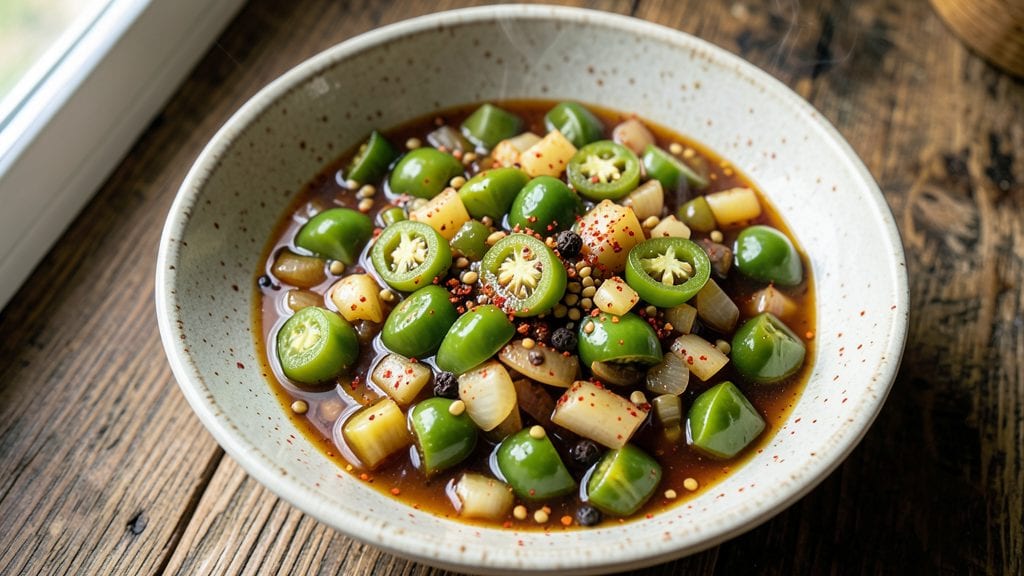
This green tomato pickle relish recipe transforms unripe tomatoes into a tangy, crunchy condiment that elevates sandwiches, burgers, and charcuterie boards. The secret lies in balancing vinegar, sugar, and spices to create a bright, vinegary relish with just the right amount of heat—no fermentation required.
I developed this version after years of experimenting with quick-pickle techniques that deliver restaurant-quality flavor in under 30 minutes.
The beauty of this relish is its versatility—it works as a sandwich spread, burger topping, or even a tangy side for grilled meats. The recipe uses simple pantry staples like white vinegar, onion, and red pepper flakes, but the result is anything but basic.
The tomatoes stay crisp with a satisfying crunch, while the vinegar and sugar create a perfect balance of sweet and sour that lingers on the palate.
What makes this relish stand out is its shelf life—it keeps for months in the refrigerator, making it ideal for meal prep or gifting. The process is straightforward: chop tomatoes, mix with vinegar and spices, and let it sit for at least 24 hours before serving.
No fancy equipment or fermentation knowledge needed—just patience and a taste for bright, zesty flavors.
Whether you're preserving a harvest of green tomatoes or simply craving a homemade condiment, this relish delivers bold flavor with minimal effort. The result is a bright, tangy spread that transforms ordinary meals into something special. Let’s get started!
Ingredients for green tomato pickle relish
Simple pantry staples create a vibrant, restaurant-quality relish with perfect crunch and tang.
| Ingredient | Amount | Notes |
|---|---|---|
| Green Tomatoes 🍅 | 4 cups | Chopped into small dice (1/4-inch) |
| White Vinegar 💧 | 1 cup | Distilled, 5% acidity preferred |
| Granulated Sugar 🍚 | ¾ cup | Light or dark brown preferred |
| Yellow Onion 🧅 | 1 whole | Finely diced (about 1 cup) |
| Red Pepper Flakes 🌶️ | 1 ½ tsp | Adjust for desired heat level |
| Mustard Seeds 🌿 | 1 tsp | Whole, yellow preferred |
| Celery Seeds 🥬 | ½ tsp | Ground for best texture |
| Salt 🧂 | 1 ½ tsp | Kosher or sea salt preferred |
| Fresh Dill 🌿 | ¼ cup | Chopped, stems removed |
| Extra-Virgin Olive Oil 🫒 | ¼ cup | For final drizzle |
Green tomatoes are the star—look for firm, unripe ones with vibrant color. Local farmers markets often have the best selection during harvest season, but grocery stores carry them year-round. The key is chopping them uniformly (about 1/4-inch dice) so they stay crisp. If you can't find green tomatoes, unripe red tomatoes work too, but they'll be slightly sweeter. For the vinegar, distilled white vinegar is standard, but apple cider vinegar adds a fruity twist. The sugar balances the acidity—brown sugar adds subtle molasses notes, but granulated keeps it neutral.
No fresh dill? Dried dill at one-third the amount works in a pinch, though fresh is brighter. Short on mustard seeds? Dijon mustard at 1 tsp mimics the tang. The red pepper flakes can be omitted entirely for a mild version, or swap in crushed black pepper at 1/2 tsp for a different heat profile. For extra crunch, add 1/4 cup diced jalapeño (seeds removed) or 1/4 cup pickled okra if you're feeling adventurous. The olive oil isn't essential but adds richness—use avocado oil for a neutral flavor if preferred.
This relish improves with time—24 hours minimum for flavors to meld, but 48 hours is ideal. Store in an airtight container in the fridge for up to 6 months, though the texture may soften after 2 months. For gifting, portion into small jars with a ribbon—it makes a stunning pantry staple. The vinegar mixture can be made ahead and stored separately for 1 week before adding tomatoes, saving prep time.
Why You'll Love This Recipe
- No-Fuss Pantry Magic: I swear by this one—just chop, simmer, and wait. No fancy techniques, no last-minute grocery runs. That vinegar-sugar balance does all the work while you’re busy with the kids or scrolling through your phone.
- Tangy-Sweet Kick: The green tomatoes stay crisp, the vinegar cuts through the sweetness, and those red pepper flakes? They add a slow-building heat that lingers. Honestly, it’s the kind of flavor that makes you reach for seconds without even thinking.
- Game for Any Plate: Slather it on sandwiches, mix it into deviled eggs, or serve it alongside fried chicken. I’ve even used it as a topping for burgers—trust me, the contrast with juicy meat is next-level. It’s my secret weapon for turning simple meals into something special.
- Lasts All Season: This stuff doesn’t spoil. I make a big batch in late summer when green tomatoes are cheap, and it sits in my fridge (or pantry, if I jar it) until next year. Budget-friendly? Absolutely. Zero waste? Even better.
Step-by-step instructions for green tomato pickle relish
This relish delivers bright, tangy flavor with just the right crunch—perfect for sandwiches or snacking.
Prepare the Vegetables
Cut the 4 cups green tomatoes into ¼-inch dice, removing any tough stems. This size ensures even cooking and a satisfying bite. Transfer to a large mixing bowl and set aside. Next, peel and finely dice the 1 whole yellow onion—you should end up with about 1 cup of small pieces. The onions will soften during cooking, so don't worry if they look too abundant now.
Add the diced onions to the green tomatoes. Give everything a gentle stir to distribute the pieces evenly. This preparation step is crucial—unevenly chopped vegetables lead to inconsistent texture in the finished relish. I like to work in batches if needed, especially when dealing with large quantities of tomatoes.
Combine Wet Ingredients and Spices
In a separate bowl, whisk together the 1 cup white vinegar, 0.75 cup granulated sugar, 1.5 teaspoons red pepper flakes, 1 teaspoon mustard seeds, 0.5 teaspoon celery seeds, and 1.5 teaspoons salt. The sugar and vinegar will begin to dissolve slightly, creating a light syrup. This mixture forms the flavor base, so make sure all ingredients are fully incorporated—no clumps of sugar or undispersed seeds.
Pour this liquid mixture over the chopped vegetables in the mixing bowl. Use a wooden spoon to stir thoroughly, ensuring every piece of tomato and onion is coated. The relish should look glossy and well-moistened. If you notice any dry spots, add a splash of water—just enough to help the ingredients blend uniformly. Let the mixture sit at room temperature for 30 minutes to allow the flavors to begin melding.
Cook Until Tender
Transfer the relish to a large saucepan and bring it to a gentle simmer over medium heat. Stir occasionally to prevent sticking, especially during the first 5 minutes as the vegetables release moisture. The mixture should bubble softly—you're not looking for a rolling boil here, just a steady, simmering heat. Cook for 20-25 minutes, stirring every 5 minutes, until the green tomatoes are tender but still hold their shape.
You'll know it's ready when a knife slides in easily and the mixture has thickened slightly. If it looks too watery at 20 minutes, uncover and simmer for another 2-3 minutes to reduce the liquid. The relish should coat the back of a spoon but remain slightly loose—it will thicken further as it cools. Taste and adjust seasoning if needed, adding a pinch more salt or sugar as desired.
Finish and Store
Remove the saucepan from heat and stir in the 0.25 cup chopped fresh dill and 0.25 cup extra-virgin olive oil. The dill adds a bright, herbaceous note that cuts through the tanginess, while the olive oil adds richness. Let the relish cool to room temperature, then transfer it to clean, airtight jars. The mixture will thicken as it cools, so don't worry if it looks slightly loose while still warm.
Seal the jars tightly and refrigerate for at least 24 hours before serving. This resting period allows the flavors to fully develop and deepen. The relish will keep in the refrigerator for up to 3 weeks, making it a perfect make-ahead pantry staple. Serve it chilled on sandwiches, with cheese boards, or as a tangy topping for grilled meats.
Pro Tips For Making Green Tomato Pickle Relish
- Slice Tomatoes Evenly: Grab a sharp knife and cut the green tomatoes into quarters lengthwise—not rounds. Thicker slices stay crunchy longer, while thin ones turn to mush faster. I used to slice them haphazardly, and the texture was all over the place.
- Boil Vinegar First: Heat the vinegar in the pot before adding anything else. This helps dissolve the sugar faster and prevents clumping—no one wants gummy relish. I learned this the hard way after scraping sugar lumps out of my first batch.
- Dry the Onion: Pat the sliced onion thoroughly with a paper towel before cooking. Wet onion releases too much water, diluting the tangy flavor and making the relish watery. Trust me, your future self will notice the difference.
- Simmer Low and Slow: Reduce heat to a gentle simmer after everything comes to a boil. High heat turns the vinegar harsh and the tomatoes bitter. I used to rush it, and the relish tasted like vinegar punch—now I let it bubble quietly for 20-25 minutes.
Perfect pairings for this recipe
Sandwich Spread Magic
This relish transforms ordinary sandwiches into something extraordinary. Spread a generous layer on toasted sourdough or rye bread with sharp cheddar and smoked turkey for a Southern-inspired twist.
The tangy crunch cuts through rich meats beautifully. I also love it on grilled cheese sandwiches—the acidity balances the buttery bread and melty cheese perfectly. 🥪
Burger Topping Game-Changer
Add spoonfuls of this relish to your burger patties before grilling for a burst of flavor with every bite. The vinegar and spices caramelize slightly on the grill, creating a sticky, tangy glaze. I recommend ½ cup per pound of beef for optimal flavor distribution.
It also works as a condiment on the side—just scoop it up with a toothpick for dipping. The heat from the burger enhances the relish's spicy notes.
Cheese Board Elevation
This relish takes cheese boards from basic to gourmet. Pair it with aged cheddar, blue cheese crumbles, and prosciutto for a Southern-inspired spread. The acidity cuts through rich cheeses while adding a refreshing crunch.
I arrange it on a small plate with toasted baguette slices and pickled vegetables for a visually stunning presentation. The dill and olive oil add a bright finish that complements creamy cheeses beautifully.
Grilled Meat Companion
Serve this relish alongside grilled meats like pulled pork, chicken thighs, or steak for a tangy contrast. The acidity helps cut through rich, fatty meats while adding texture. I like to serve it in small bowls with toothpicks for scooping at backyard BBQs.
The heat from grilling actually intensifies the relish's flavors—try it warm for an extra depth of taste. 🔥
Snack Board Staple
Create a snack board featuring this relish alongside crusty bread, olives, nuts, and cured meats. The combination of textures and flavors makes it irresistible. I often include marinated artichoke hearts and roasted red peppers for extra depth.
The relish's crunch contrasts perfectly with soft cheeses and creamy dips, making it a crowd-pleasing addition to any spread.
Dip for Crudités
Use this relish as a dip for carrot sticks, celery, and bell pepper strips. The sweetness of the vegetables pairs beautifully with the tangy, spicy relish. I recommend serving it in a small bowl with a wooden spoon** for easy scooping.
It's especially refreshing during summer gatherings when you want something light but flavorful. The crunch of fresh veggies complements the relish's texture perfectly. 🥕
Nutrition facts
Frequently asked questions
Can I use ripe tomatoes instead of green ones?
Ripe tomatoes won't work for this recipe—they'll turn mushy instead of staying crisp. The acidity in green tomatoes (unripe) is what creates that satisfying crunch. If you only have ripe tomatoes, try this recipe with unripe red tomatoes or green bell peppers for a similar texture, though the flavor will differ slightly.
How long does this relish last in the fridge?
The relish stays fresh for up to 3 weeks when stored in an airtight container. For longer storage, it can be canned for 6-12 months using proper water bath canning techniques. The vinegar acts as a natural preservative, but always check for mold or off smells before eating.
What if my relish turns out too watery?
Simmer uncovered for 2-3 extra minutes to reduce the liquid. If it's still too thin, mix in 1-2 tablespoons of cornstarch with a little cold water, stir, and cook until thickened. For a thicker texture next time, reduce the vinegar by ¼ cup or add ½ cup diced cucumber (peeled) to absorb excess moisture.
Can I make this without fresh dill?
Yes! Use 1 teaspoon dried dill instead of fresh, or swap for 1 teaspoon dried tarragon or ½ teaspoon dried basil. For a different flavor profile, try 1 teaspoon dried oregano. The fresh dill adds a bright, herbaceous note that's hard to replicate, but these alternatives work in a pinch.
Is this relish spicy enough for my taste?
Adjust the heat by adding ½ teaspoon more red pepper flakes or swap in ½ teaspoon cayenne pepper for a smoky kick. For a milder version, reduce the red pepper flakes to 1 teaspoon total or omit them entirely. Taste as you go—you can always add more spice later, but you can't take it out!