
Desserts
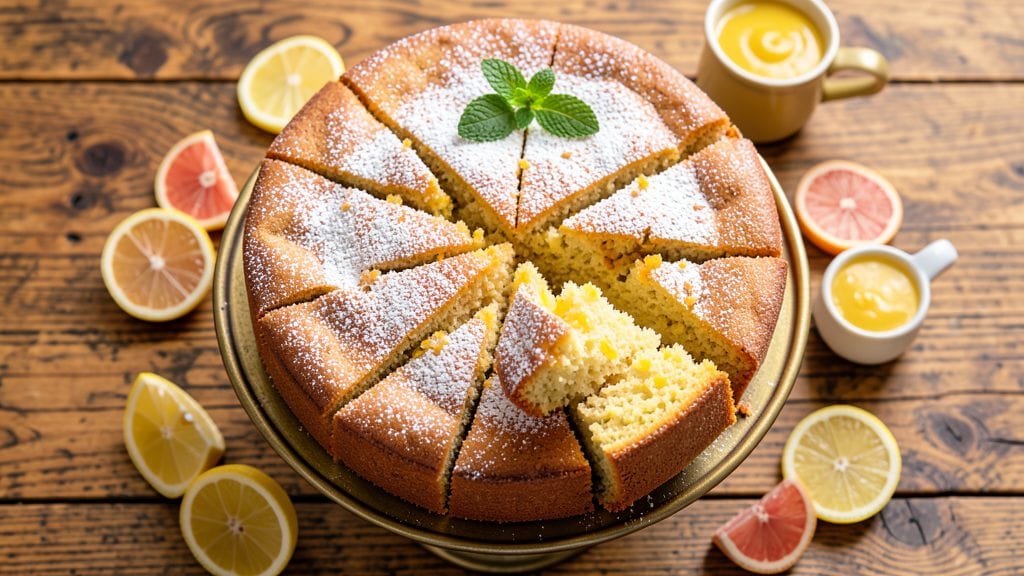
Grandma's lemon pound cake recipe brings back memories of Sunday afternoons spent in warm kitchens, where the scent of citrus and butter filled the air. This classic dessert delivers moist, tender layers that balance sweetness with bright lemon flavor—exactly as my grandmother made it, with a few modern refinements.
The secret lies in precise measurements and a gentle touch when mixing, ensuring every slice stays rich and flavorful without being overly dense.
What sets this recipe apart is its simplicity—just a handful of ingredients transformed into something extraordinary. You'll need all-purpose flour, granulated sugar, eggs, unsalted butter, fresh lemon zest and juice, and a pinch of salt.
The buttercream frosting adds an extra layer of indulgence, though many families prefer to enjoy it plain or with a dusting of powdered sugar. This cake isn't just a dessert; it's a nostalgic experience that brings comfort with every bite.
The result is a cake with golden layers that stay moist for days, thanks to the butter and lemon combination. The frosting, if used, adds a velvety finish that makes it perfect for celebrations or everyday treats.
Whether you're baking for a special occasion or simply craving a taste of home, this recipe delivers restaurant-quality results with a personal touch.
For variations, consider adding a splash of vanilla extract to the batter or swapping half the flour for cake flour for an even lighter texture. Serve with fresh berries or a drizzle of honey for extra brightness. Let's bring this timeless recipe to life in your kitchen.
Ingredients for grandma's lemon pound cake
Eight simple ingredients transform into Grandma's signature lemon pound cake—moist layers bursting with citrus brightness.
| Ingredient | Amount | Notes |
|---|---|---|
| All-Purpose Flour 🌾 | 3 cups | Sifted for even texture |
| Granulated Sugar 🍚 | 2 cups | Superfine preferred for smoothness |
| Unsalted Butter 🧈 | 1 cup | Cold, cubed for creaming |
| Large Eggs 🥚 | 4 whole | Room temperature for blending |
| Fresh Lemon Zest 🍋 | ¼ cup | From 3-4 organic lemons |
| Fresh Lemon Juice 🍋 | ½ cup | Strained, no pulp |
| Vanilla Extract 🍃 | 2 tsp | Pure Madagascar preferred |
| Baking Powder 🧂 | 2 tsp | Fresh for proper rise |
| Salt 🧂 | ½ tsp | Fine sea salt |
| Powdered Sugar 🍚 | 2 cups | For buttercream frosting |
| Heavy Cream 🥛 | 1 cup | Cold for stable frosting |
| Buttercream Frosting 🧈 | 1 ½ cups | Optional, made from ingredients |
The butter and sugar creaming process is non-negotiable for that tender crumb. Use European-style butter like Plugrá or Land O'Lakes for higher fat content—it stays moist longer. For flour, King Arthur or Gold Medal brands work best; avoid self-rising. Fresh lemons are a must—the zest should be vibrant yellow, not green, and the juice should taste tart, not flat. Organic lemons from Trader Joe's or Whole Foods have the brightest flavor. If you can't find them, conventional store-bought works in a pinch, but avoid waxed lemons—they're less flavorful.
No vanilla extract? Vanilla bean paste works beautifully, or scrape seeds from a vanilla bean. Short on lemon juice? Substitute lime juice at half the amount, but the flavor will shift slightly. For a lighter texture, swap half the all-purpose flour for cake flour—it's worth the extra trip to the baking aisle. The buttercream can be made ahead and stored in the fridge for 3 days, but bring it to room temperature before using. For a dairy-free option, use vegan butter and coconut cream, though the texture will differ slightly.
This cake keeps beautifully for 5 days at room temperature wrapped in plastic, or 1 week in the fridge. For longer storage, freeze the unfrosted cake layers for up to 3 months. To serve, let it sit at room temperature for 30 minutes before slicing—it's more forgiving than it looks. The frosting can be piped or spread smoothly; a bench scraper works best for even coverage. Leftovers? Toasted with butter and a sprinkle of powdered sugar make perfect French toast.
Why You'll Love This Recipe
- No-Fuss Mixing: I swear by this recipe because it’s just flour, sugar, butter, eggs, and lemon—no fancy techniques, no measuring cups that require a magnifying glass. The butter gets creamed with sugar in minutes, and the eggs fold right in without a trace of lumps. Honestly, if you can whisk, you can make this.
- Zesty Magic: That bright burst of fresh lemon zest? It’s the star. The cake stays tender but never dry, and the citrus cuts through the richness of the butter like a cool breeze. I’ll be real: I’ve tried boxed lemon cakes, but this one? It’s dangerously addictive—my husband hides slices when he thinks I’m not looking.
- Weekend or Weeknight: Slice it fresh for brunch, pack it in lunchboxes for school, or serve it at a picnic—this cake handles everything. Between us, I’ve even reheated a slice in the microwave for a 3 p.m. sugar craving, and no one’s complained. (Yes, even on a Tuesday night.)
- Leftovers That Last: A single batch feeds six, but it’ll disappear faster than you can say “second helping.” The good news? It keeps for days in the fridge, stays moist, and even freezes well. I make two pans when company’s coming—one for today, one for “just in case.” Budget-friendly? Absolutely. Worth it? Always.
Step-by-step instructions for Grandma's lemon pound cake
Here's how to create a tender, moist cake with bright lemon flavor that stays fresh for days.
Prepare the Cake Batter
Preheat your oven to 350°F and grease two 9-inch round cake pans with butter, then dust with flour. In a large mixing bowl, combine the 3 cups all-purpose flour, 2 tsp baking powder, and 0.5 tsp salt. Whisk together and set aside.
In a separate, large bowl, cream the 1 cup unsalted butter and 2 cups granulated sugar together on medium speed until light and fluffy—about 3-4 minutes. This step is crucial for achieving that signature tender crumb. Add the 4 whole large eggs, one at a time, mixing well after each addition. Stir in the 0.5 cup fresh lemon juice and 2 tsp vanilla extract until fully combined.
Gradually add the dry ingredients to the wet mixture, alternating with 0.25 cup fresh lemon zest, mixing just until combined. Be careful not to overmix—the batter should be smooth but still slightly lumpy. Divide the batter evenly between the prepared pans and smooth the tops with a spatula.
Bake to Golden Perfection
Place the pans in the preheated oven and bake for 50-55 minutes, or until a toothpick inserted into the center comes out clean. The cake should be golden brown and spring back slightly when touched. Rotate the pans halfway through baking for even browning.
I like to check for doneness at the 45-minute mark—this is when the cake is most vulnerable to overbaking. If the edges are browning too quickly, tent the pans with aluminum foil to prevent overcooking. The cake is done when it pulls away from the sides of the pan and has a slight bounce when pressed gently in the center.
Cool and Prepare the Buttercream
Remove the cakes from the oven and let them cool in the pans for 10 minutes. Then transfer them to a wire rack to cool completely. While the cakes are cooling, prepare the buttercream frosting by beating the 1 cup heavy cream and 2 cups powdered sugar together until smooth and fluffy.
For extra lemon flavor, you can fold in a tablespoon of the fresh lemon zest or a splash of lemon juice into the buttercream. This step is optional but adds a lovely citrus note that complements the cake beautifully. Once fully cooled, place one cake layer on a serving plate and spread a generous layer of the buttercream frosting.
Assemble and Frost the Cake
Place the second cake layer on top of the frosted layer and gently press down to create a level surface. Spread the remaining 1.5 cups buttercream frosting evenly over the top and sides of the cake, using a spatula to smooth out any imperfections. For a polished look, you can use a bench scraper or offset spatula to create clean edges.
Chill the cake in the refrigerator for 30 minutes before slicing to help the frosting set and make it easier to serve. This step also ensures clean slices without the frosting sliding off. The cake will keep well in an airtight container at room temperature for up to 3 days or in the refrigerator for up to 5 days. Enjoy the moist, zesty layers of Grandma's classic lemon pound cake!
Pro Tips For Making Grandma'S Lemon Pound Cake
- Cream Butter Slowly: I learned this the hard way—dumping cold butter into sugar at once just makes a greasy mess. Beat the butter and sugar together for a solid 3-4 minutes until it’s pale and fluffy, not just "combined." That’s when the cake gets its signature tender crumb instead of a dense one.
- Sift That Flour: Skimping on sifting the flour saves 30 seconds but ruins the texture. Lemon pound cake relies on lightness, and sifting removes those stubborn lumps that turn into tough pockets. Use a fine-mesh sieve—yes, even if you’re in a hurry—and tap the bowl gently to settle it.
- Don’t Overmix the Batter: After burning three batches, I finally figured out that overmixing turns this cake into a chewy brick. Fold in the dry ingredients just until barely combined—think "marbled," not "smooth." The moment you see flour streaks disappear, stop. Your future self will thank you.
- Test for Doneness Early: Sounds weird, but it works: Stick a toothpick in the center at 45 minutes, not 55. If it comes out clean but the edges are still slightly soft, that’s perfect—no need to wait for the recipe’s full time. Overbaking dries out the cake faster than you’d think, especially with lemon.
Regional styles of this grandma's lemon pound cake
Southern Comfort Style
In the American South, this cake often gets a slightly sweeter twist with an extra ½ cup granulated sugar in the batter and a buttermilk glaze instead of frosting.
I like to brush the warm cake layers with a mix of ½ cup powdered sugar, 2 tbsp buttermilk, and 1 tsp lemon zest—it creates a sticky, caramelized crust that Southern bakers love.
Serve with a dollop of whipped cream and fresh blackberries for a true Southern garden party vibe. 🍓
Midwest Homestyle Twist
Midwestern grandmothers often add a pinch of cinnamon (½ tsp) to the batter for warmth, balancing the lemon's brightness. The frosting gets a vanilla bean swirl—simply pipe ½ cup buttercream in a zigzag pattern before spreading the rest.
I’ve seen families top it with toasted pecans for crunch. This version keeps the cake’s signature moisture but adds a cozy, spiced note that feels like home. 🌾
New England Citrus Kick
Up north, the lemon flavor takes center stage with double the zest (½ cup) and a lemon curd filling between layers.
Use a store-bought curd like Smucker’s or make your own with 3 eggs, 1 cup sugar, ½ cup butter, and 1 cup lemon juice. The cake’s layers stay tender while the curd adds a tangy, creamy contrast.
Dust with powdered sugar and serve with chilled mint tea. ✨
Texas-Style Spiced Variation
Texan bakers love adding chile powder (¼ tsp) and orange zest (1 tbsp) to the batter for a bold, citrusy-spicy profile. The frosting gets a honey drizzle—mix ¼ cup honey with 1 tsp lemon juice and brush over the top.
This version pairs perfectly with spiced pecan praline on the side for a sweet-and-spicy contrast. 🌶️
British Lemon Drizzle
Across the pond, this cake often skips frosting entirely in favor of a lemon syrup drizzle. Simmer ½ cup sugar, ¼ cup water, and ¼ cup lemon juice until dissolved, then drizzle over the warm cake.
Top with sliced almonds for texture. The British version also uses self-raising flour (swap for 3 cups all-purpose flour + 2 tsp baking powder) for a lighter rise. 🍋
Modern Gluten-Free Adaptation
For a contemporary twist, swap the all-purpose flour for a 1:1 gluten-free blend like King Arthur Measure for Measure. Add 1 tsp xanthan gum to bind the batter.
The lemon flavor shines even brighter in this version, and the texture stays moist with an extra 2 tbsp applesauce in the batter. Frost with a dairy-free buttercream made with Earth Balance vegan butter. 💛
Nutrition facts
Frequently asked questions
Why does this lemon pound cake stay moist for days?
The secret lies in the butter-to-flour ratio and the lemon's natural humectant properties. The 1 cup butter creates a tender crumb, while the lemon juice and zest retain moisture better than other citrus fruits. Grandma's method also avoids overmixing, which keeps the cake's structure intact. Store it in an airtight container to lock in freshness for 5 days at room temperature.
Can I make this cake in a single 9x13-inch pan instead of rounds?
Yes, but reduce the baking time to 40-45 minutes and check for doneness at 35 minutes. The cake will be denser but still delicious. For even cooking, place the pan on the middle rack and rotate halfway. If making a sheet cake, consider adding ½ tsp extra baking powder to help it rise properly.
What's the best way to enhance the lemon flavor?
Use organic lemons for maximum brightness and zest only the yellow part (avoid the bitter white pith). For extra zing, add 1 tbsp lemon extract to the buttercream or fold 1 tbsp lemon curd into each layer. A quick glaze made with ½ cup powdered sugar + 1 tbsp lemon juice drizzled over the top adds professional flair.
Why did my cake sink in the middle?
This usually happens from overmixing the batter or opening the oven too soon. Mix just until combined (lumps are okay) and bake until a toothpick comes out clean. If the center sinks, try baking at 325°F for 55-60 minutes next time. For extra stability, chill the batter for 30 minutes before baking.
How can I make this cake dairy-free?
Replace the butter with vegan butter (like Earth Balance) and use coconut cream instead of heavy cream for the frosting. For the buttercream, mix 2 cups powdered sugar + ½ cup coconut cream + 1 tbsp lemon juice. The texture will be slightly lighter but still moist. Use applesauce instead of eggs if needed for binding.