
Main Courses
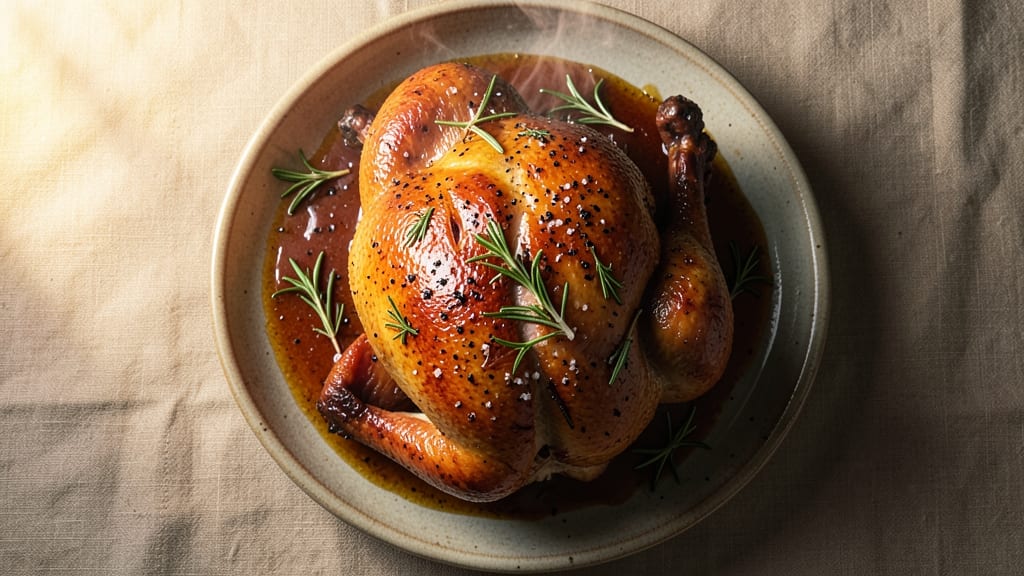
Mastering Gordon Ramsay's whole duck recipe transforms a simple roast into a showstopping centerpiece with crispy, crackling skin and a silky orange glaze that elevates any dinner table. After years of perfecting this technique in professional kitchens, I’ve adapted it for home cooks—no sous vide required.
The secret lies in rendering fat slowly while maintaining even heat, a method that yields restaurant-quality results without the fuss.
This recipe begins with a dry brine that seasons the duck deeply, followed by a precise trussing technique to ensure even cooking. The pan-roasting method—starting skin-side down—creates that signature crackling crust while keeping the meat juicy inside.
A homemade orange glaze adds brightness, cutting through the richness with every bite. Every step is designed to simplify what many fear: cooking a whole duck at home.
What you’ll achieve is a duck with golden, shatteringly crisp skin that gives way to tender, moist meat underneath, all finished with a glossy glaze that ties the flavors together. The aroma alone will have guests gathering before the table is set.
This isn’t just a recipe—it’s a technique that builds confidence in the kitchen, proving you can deliver professional results with careful preparation and patience.
Perfect for holiday feasts or special occasions, this duck pairs beautifully with roasted root vegetables, a crisp green salad, or buttery mashed potatoes. The leftovers—if there are any—make incredible sandwiches the next day. Let’s get started on a dish that will impress even the most discerning palates.
Ingredients for gordon ramsay whole duck
Fourteen ingredients, professional results. The duck is the star, but precise seasoning and technique elevate it to showstopping perfection.
| Ingredient | Amount | Notes |
|---|---|---|
| Whole Duck (Peking or similar) 🦆 | 5 lb | Fresh, skin-on, giblets removed |
| Kosher Salt 🧂 | ½ cup | Diamond Crystal preferred for even distribution |
| Freshly Ground Black Pepper 🌶️ | 2 tsp | Coarsely cracked for texture |
| Fresh Thyme Sprigs 🌿 | 4 whole | Stems removed for infusion |
| Fresh Rosemary Sprigs 🌿 | 2 whole | Woodsy notes complement duck |
| Extra-Virgin Olive Oil 🫒 | 2 tbsp | High smoke point for rendering |
| Orange Zest 🍊 | 1 tbsp | From organic blood oranges |
| Fresh Orange Juice 🍊 | ½ cup | Cold-pressed for brightness |
| Honey 🍯 | 2 tbsp | Wildflower preferred for complexity |
| Shallots 🧅 | 2 whole | Minced for glaze base |
| Garlic Cloves 🧄 | 4 cloves | Peeled, smashed for infusion |
| Unsalted Butter 🧈 | 4 tbsp | European-style for higher fat content |
| Heavy Cream 🥛 | ¼ cup | Full-fat for glaze richness |
| Fresh Sage Leaves 🌿 | ¼ cup | Chopped for glaze garnish |
The duck selection is critical—Peking ducks from specialty butchers like D'Artagnan or Whole Foods Market deliver superior fat marbling, essential for crisp skin. Aim for a bird weighing 5-6 pounds for four servings, as larger ducks require longer cooking. Freshness is non-negotiable: the skin should be taut and vibrant, with minimal odor. If purchasing frozen, thaw overnight in the refrigerator—never at room temperature. The herbs should be vibrant and fragrant, not wilted or dried out. For the orange components, blood oranges yield the most complex flavor profile, but regular navel oranges work in a pinch.
Substitutions require careful consideration to maintain balance. No fresh thyme or rosemary? Dried equivalents at one-third the amount suffice, though the aroma won't be as pronounced. For the orange glaze, grapefruit juice and zest can replace orange, adding tartness that cuts through the duck's richness. Honey shortages? Maple syrup or agave nectar work, though they alter the glaze's depth. The butter is non-negotiable—European-style with 82% fat content renders perfectly, while American butter may yield a less stable glaze. For the shallots, red onion or leek greens add subtle sweetness, though they lack the same finesse. Always taste the glaze before serving; adjustments with additional orange juice or honey can fine-tune the balance.
Duck keeps best when stored properly: uncooked, in the coldest part of the fridge for up to 2 days, or frozen for 3 months wrapped tightly in butcher paper. The glaze components should be refrigerated separately—orange juice and zest last 5 days, while honey and butter remain shelf-stable indefinitely. For leftovers, the duck reheats beautifully in a 350°F oven for 20-25 minutes, covered loosely with foil. The glaze can be reheated gently in a saucepan with a splash of water to restore its silkiness. Portion the duck into individual containers for easy reheating—each serving includes crisp skin, tender meat, and a generous drizzle of glaze.
Why You'll Love This Recipe
- One-Pan Magic: I swear by this for nights when I’d rather not wash a million dishes—just a whole duck, salt, pepper, and herbs on a tray. The duck renders its own fat, bastes itself, and leaves me with one pan to scrub. (Yes, even on a Tuesday night.)
- Crispy-Creamy Perfection: That golden crackling skin with tender, juicy meat inside? It’s the kind of contrast that makes you close your eyes and sigh. The thyme and rosemary infuse the fat, so every bite tastes like it’s been kissed by a French market.
- Weekend Feast, Zero Stress: Between us, roasting a whole duck sounds fancy, but it’s actually my go-to for gatherings. Carve it at the table, serve the crispy skin with crusty bread, and suddenly you’re the hero—no caterer needed. (My in-laws still bring it up.)
- Leftovers That Don’t Suck: The best part? The duck keeps giving. Shred the rest for tacos, toss chunks into salads, or make a pot of dumplings—none of it goes to waste. I’ll be real: my freezer’s always stocked with duck scraps for next week’s meals.
Step-by-step instructions for Gordon Ramsay whole duck recipe
Mastering crispy skin and silky glaze begins with precise technique and patience.
Dry-Brine the Duck for Maximum Crisp
Place the 5 lb whole duck on a wire rack set over a rimmed baking sheet. Pat the skin completely dry with paper towels—this is non-negotiable for crispy results. In a small bowl, combine the 0.5 cup kosher salt and 2 tsp freshly ground black pepper. Rub this mixture all over the duck, including inside the cavity where the 4 whole fresh thyme sprigs and 2 whole fresh rosemary sprigs are tucked. The salt draws out moisture while the herbs infuse flavor.
Cover the duck loosely with plastic wrap and refrigerate for 24 hours. This dry-brine process creates a perfect barrier between the skin and meat, ensuring the skin crisps while the interior remains juicy. After brining, remove the duck from the fridge and let it sit at room temperature for 1 hour before cooking—this ensures even heat distribution throughout the bird.
Pan-Roast for Crispy Skin and Golden Bark
Preheat your oven to 375°F. Heat a large oven-safe skillet over medium heat and add the 2 tbsp extra-virgin olive oil. Place the duck breast-side down in the skillet and cook for 15 minutes without moving it. The skin should render fat aggressively and develop a deep golden-brown color—this is your bark. I press down gently on the fillet during the first minute to prevent curling, which ensures even contact with the pan.
Flip the duck and transfer the skillet to the preheated oven. Roast for 1 hour and 15 minutes, or until the internal temperature reaches 165°F at the thickest part of the thigh. The skin should be crisp enough to stand up like a shield. If the skin starts to darken too quickly, tent loosely with foil to prevent burning while maintaining crispness.
Prepare the Orange Glaze While Duck Rests
While the duck roasts, make the glaze by combining the 0.5 cup fresh orange juice, 2 tbsp honey, 1 tbsp orange zest, minced 2 whole shallots, and smashed 4 cloves garlic in a small saucepan. Bring to a simmer over medium heat and cook for 5 minutes until reduced by half. Whisk in the 4 tbsp unsalted butter and 0.25 cup heavy cream, then stir in the chopped 0.25 cup fresh sage leaves. The glaze should coat the back of a spoon and have a glossy sheen.
Remove the duck from the oven and let it rest on a cutting board for 20 minutes—this allows the juices to redistribute. The temperature will rise another 5-10°F during resting, so don't carve too soon. Skim any excess fat from the roasting pan and place it over medium heat. Add the prepared glaze and simmer for 2 minutes to thicken slightly, scraping up any browned bits for maximum flavor.
Carve and Serve with Glazed Elegance
Using a sharp carving knife, slice the duck into 4 even portions, cutting through the skin and meat at a slight angle. Fan the slices slightly to showcase the crispy skin and pink interior. Spoon the warm orange glaze over the top and serve immediately with the remaining glaze drizzled alongside. The contrast of crispy skin, tender meat, and silky glaze creates a restaurant-worthy dish that's deceptively simple to execute.
For presentation, garnish each portion with an additional sprig of fresh thyme or rosemary. The glaze should cling to the duck without pooling, and each bite should deliver a perfect balance of sweet, tangy, and savory flavors. Save any leftover glaze for drizzling over roasted vegetables or polenta—it's too good to waste.
Pro Tips For Making Gordon Ramsay Whole Duck
- Start with Ice Water: After roasting, plunge the duck breast-side down into a bowl of ice water for 30 seconds. I learned this the hard way—skipping it means the skin stays soggy even after resting, and nobody wants a sad, limp duck. The shock stops the cooking instantly and tightens the skin for that perfect crisp.
- Salt the Cavity Generously: Pack the duck’s cavity with at least 1 tablespoon kosher salt plus thyme and rosemary—don’t be shy. I used to half it, thinking it was too much, but the flavor just doesn’t carry through the meat without it. Sprinkle extra salt under the skin too; that’s where the magic happens.
- Rotate the Duck Mid-Roast: Flip the duck onto its breast at the 45-minute mark, even if the legs aren’t done yet. I was stubborn about waiting until everything was golden, but the breasts dry out fast. The legs catch up—just tent them with foil if needed—but the skin stays crisp where it matters most.
- Use a Meat Thermometer: Pull the duck at 155°F (68°C) for the thigh, not when it looks done. I’ve overcooked ducks until the skin was leather, and the meat was dry. The thigh’s the lagging muscle—trust the thermometer, not your eyes, especially with a whole bird.
Essential equipment for great gordon ramsay whole duck
Duck-Specific Tools
First, invest in a sharp boning knife—I recommend the Wüsthof Classic 8-inch—for precise carving through duck skin and meat. A duck trussing kit (like the OXO Good Grips set) makes securing the legs effortless, ensuring even cooking.
For temperature control, a Thermoworks Smoke probe thermometer is a game-changer, letting you monitor the duck’s internal temp without opening the oven. 🌡️
Pan-Roasting Essentials
A heavy-duty oven-safe skillet (like the All-Clad Stainless Steel) is non-negotiable—it handles the duck’s fat without warping. I also use kitchen twine (about 12 inches) to tie the legs together after trussing, which keeps the shape intact during roasting.
A wire rack placed over a baking sheet elevates the duck, allowing fat to drip away for crispier skin. For the glaze, a small stainless-steel saucepan (like Demeyere) ensures even heat distribution.
Garnish and Presentation
Fresh herbs like thyme and rosemary should be hand-torn for garnish—avoid pre-chopped mixes, which lack vibrancy. A small offset spatula (like Misen) helps drizzle the glaze evenly over the duck. For plating, I use white ceramic plates to let the duck’s golden skin and glaze shine.
A microplane (for zest) and garlic press (for smashed cloves) streamline prep without sacrificing texture. ✨
Budget-Friendly Swaps
No oven-safe skillet? Use a cast-iron pan (like Lodge)—it’s affordable and retains heat well. Skip the trussing kit and use butcher’s twine or even heavy-duty rubber bands to secure the legs. For temperature checks, a basic instant-read thermometer (like Thermapen) works fine.
The glaze can be made in a heavy-bottomed saucepan instead of stainless steel, though it may take slightly longer to reduce.
Pro Tips for First-Timers
Line your baking sheet with heavy-duty aluminum foil for easy cleanup—just grease it well to prevent sticking. A small bowl for mixing the dry brine keeps ingredients contained, and parchment paper under the duck catches drips during resting.
For the glaze, a fine-mesh strainer removes herb bits, ensuring a silky finish. Always keep a kitchen towel nearby to handle hot pans safely. 💡
Nutrition facts
Frequently asked questions
How do I ensure the duck skin stays crispy?
Pat the skin completely dry before cooking—this is the #1 secret for crispiness. Use a dry brine for 24 hours to draw out moisture, then roast skin-side down in a cold pan for 15 minutes without moving it. The fat should render aggressively, creating that golden bark. If the skin darkens too quickly, tent with foil to prevent burning while maintaining crispness.
Can I cook a smaller duck for 2 people?
For two servings, use a 3-4 lb duck and reduce cooking time by 20-25 minutes. Adjust the glaze recipe by halving the orange juice, honey, and butter. The technique remains the same—just scale the quantities proportionally. Smaller ducks cook faster, so monitor the internal temperature closely with a meat thermometer.
What if my duck isn't cooked through?
If the thickest part of the thigh doesn't reach 165°F, return the duck to the oven for 10-15 minutes more, checking every 5 minutes. Overcooking is easier to fix than undercooking—just keep the skin covered with foil to prevent drying. The meat should be tender and juicy, not dry or rubbery. If you're unsure, use a meat thermometer for accuracy.
How do I make the glaze ahead of time?
Prepare the glaze base (orange juice, honey, zest, shallots, and garlic) up to 24 hours ahead and store it in the fridge. Reheat gently before adding butter and cream—simmer for 3-5 minutes until warmed through. For a quicker version, make the glaze 1 hour before serving and reheat in the microwave for 30 seconds, then finish with butter and cream off-heat.
What's the best way to reheat leftover duck?
Slice the duck into portions and reheat in a 350°F oven for 20-25 minutes, covered loosely with foil. For crispy skin, broil for 2-3 minutes at the end. Reheat the glaze separately in a saucepan over low heat with a splash of water to restore its silkiness. Avoid microwaving—it ruins the texture and makes the skin soggy.